Solde de livres 2019

abm_2019_affiche_vf_tgpComme tout les ans, les Amis de la Bibliothèque de Montréal organisent leur solde de livres pour offrir à petits prix aux Montréalais les livres dont les bibliothèques ne veulent plus (mais qui sont encore en très bon état). Vous y trouverez tout les genres de livres (plus de cent milles romans, documentaires, bandes dessinées, magazines, pour adultes, pour enfants, en français, en anglais et même parfois dans d’autres langues!) à très bon prix: 0,50 $ (livres jeunesse et magazines), 1,00 $ (livres adultes), 2,00 $ (BD et manga), et 3,00 $ (Dictionnaires, encyclopédies et « beaux livres »).

Le Solde de livres 2019 se tiendra du samedi 25 mai au dimanche 2 juin, de 13h00 à 19h00, à l’aréna Martin Brodeur (300, boulevard Robert, Montréal, juste à côté de la bibliothèque de St-Léonard). Les quantités sont limités sur certains types de documents (BD, dictionnaires). Le paiement doit être comptant seulement; il y a pas d’échange ou de remboursement possible. Et, S.V.P., veuillez apporter vos propres sacs. Pour plus d’information vous pouvez visiter la page Facebook.

Le but de cet événement est “de prolonger la vie utile de ces livres, d’aider à répandre le goût de la lecture et de permettre aux citoyens de Montréal d’enrichir leur bibliothèque personnelle à faible coût.” De plus, les revenus de la vente serviront à financer des activités d’animation dans les bibliothèques. Les documents invendus seront ensuite offert à des associations sans but lucratif et organismes communautaires, puis à Renaissance et finalement à la Fondation des parlementaires / Cultures à partager (qui les expédie dans des pays en voie de développement — comme en Afrique francophone et en Haïti). Ultimement, les livres qui restent après tout ça sont recyclés pour le papier. Rien ne se perd! Quelle entreprise louable…

[ Translate ]

“Natural History” – final research

NHa-000_IMG_4392

My mystery book

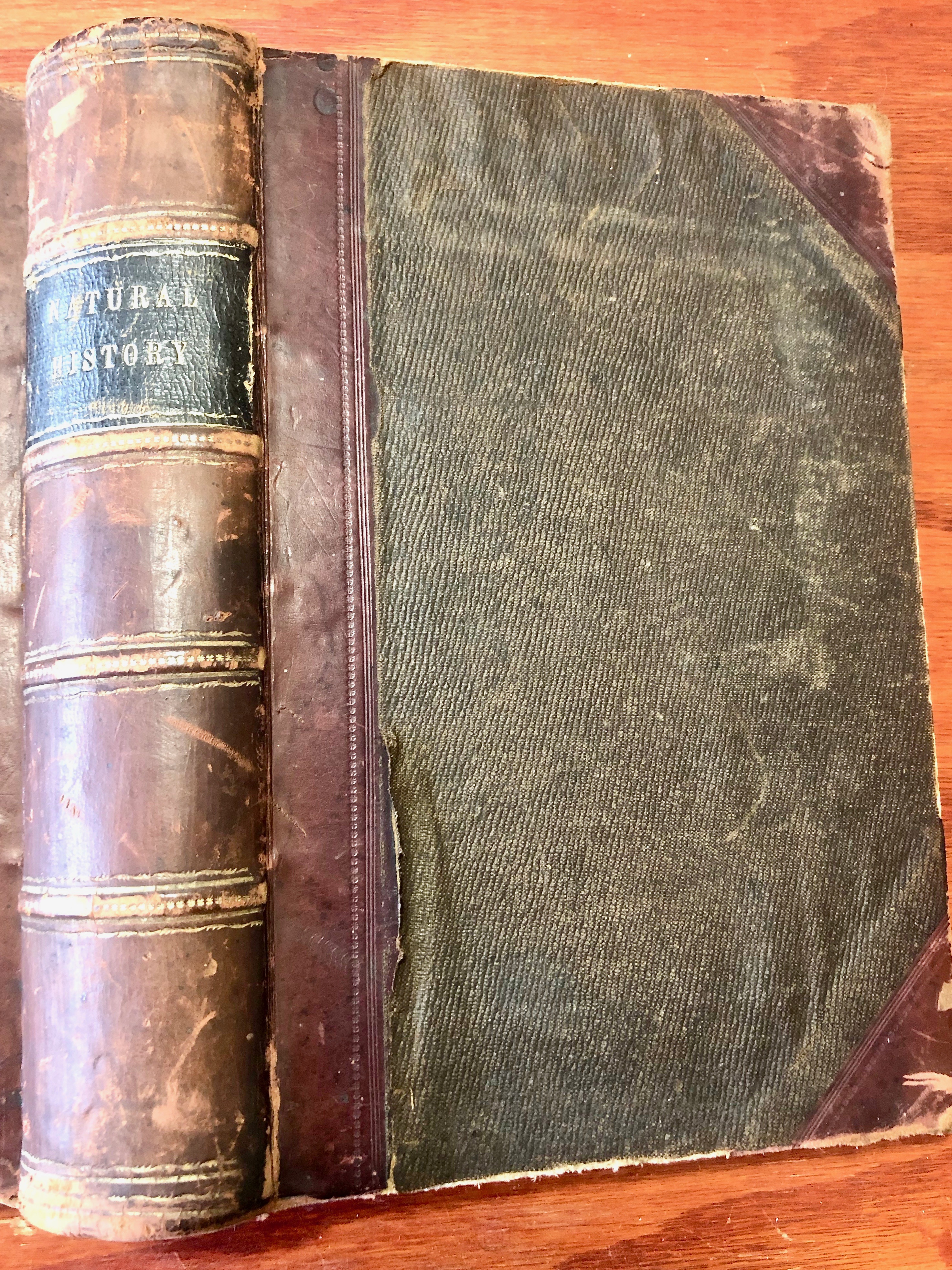
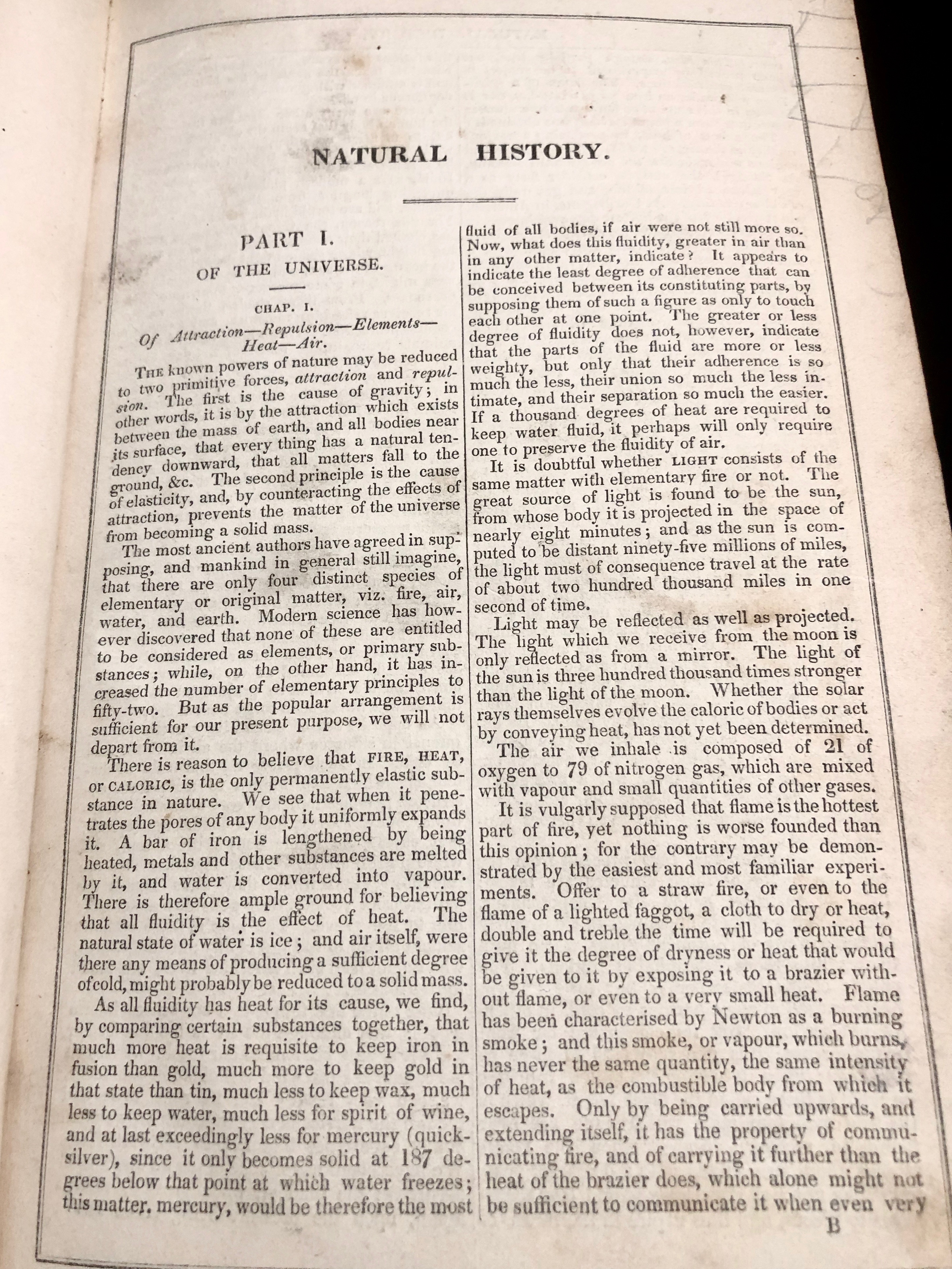
Recently, the interest for one of my old books was rekindled when I found some new information about it on the internet. Since the prefatory pages of the book are missing the author and date of publication are unknown. I had only the title, Natural History, and the publisher:  William Milner of Halifax. Further investigation on WorldCat revealed more details allowing me to identify two possible authors for the book. Finally, I was able to compare my book with a microfiche copy at the University of Montreal, definitively identifying it as Richard COPE’s Natural History, which lead me to order a monograph about the work of William Milner in order to (hopefully) learn even more on this particular edition.

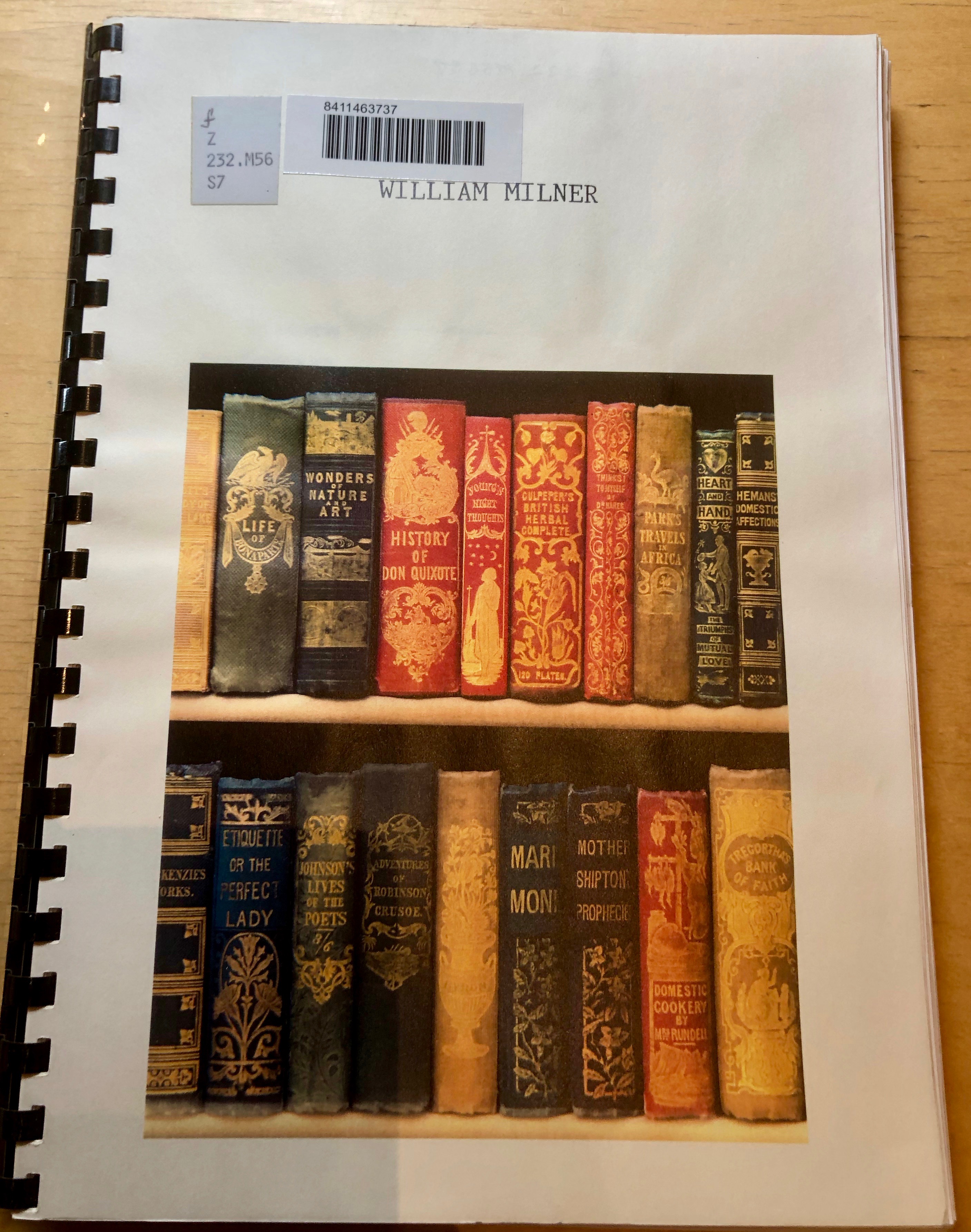
IMG_4437A little less than three weeks after filing the Inter-Library Loan (PEB) request, the Bernard BARR’s document about William Milner arrived at the National Library (BAnQ). Unfortunately, the whole process was utterly disappointing. The NYPL refused to lend its copy, so the book came from the University of St-Andrews’ library in Fife, Scotland, therefore the loan incurred a fee of $C 42.00 ! Not only the book was just a self-published monograph of sixty single-side pages with a simple plastic spiral binding, but the lending library requested that it had to be consulted on site, at the BAnQ. The book was on hold at the National Collection, a secure place where you have to check your coat and bag in a locker room before entering and you have to put all the material you need (notebook, pen, laptop, wallet, etc) in a basket that you carry with you. It was the first time I was visiting that place and it was all quite unexpected. Luckily, the staff was very nice and helpful. Instead of spending hours reading the book, I was allowed to digitize a copy on the photocopier (its control menu was not user-friendly at all and source of many frustrations). 

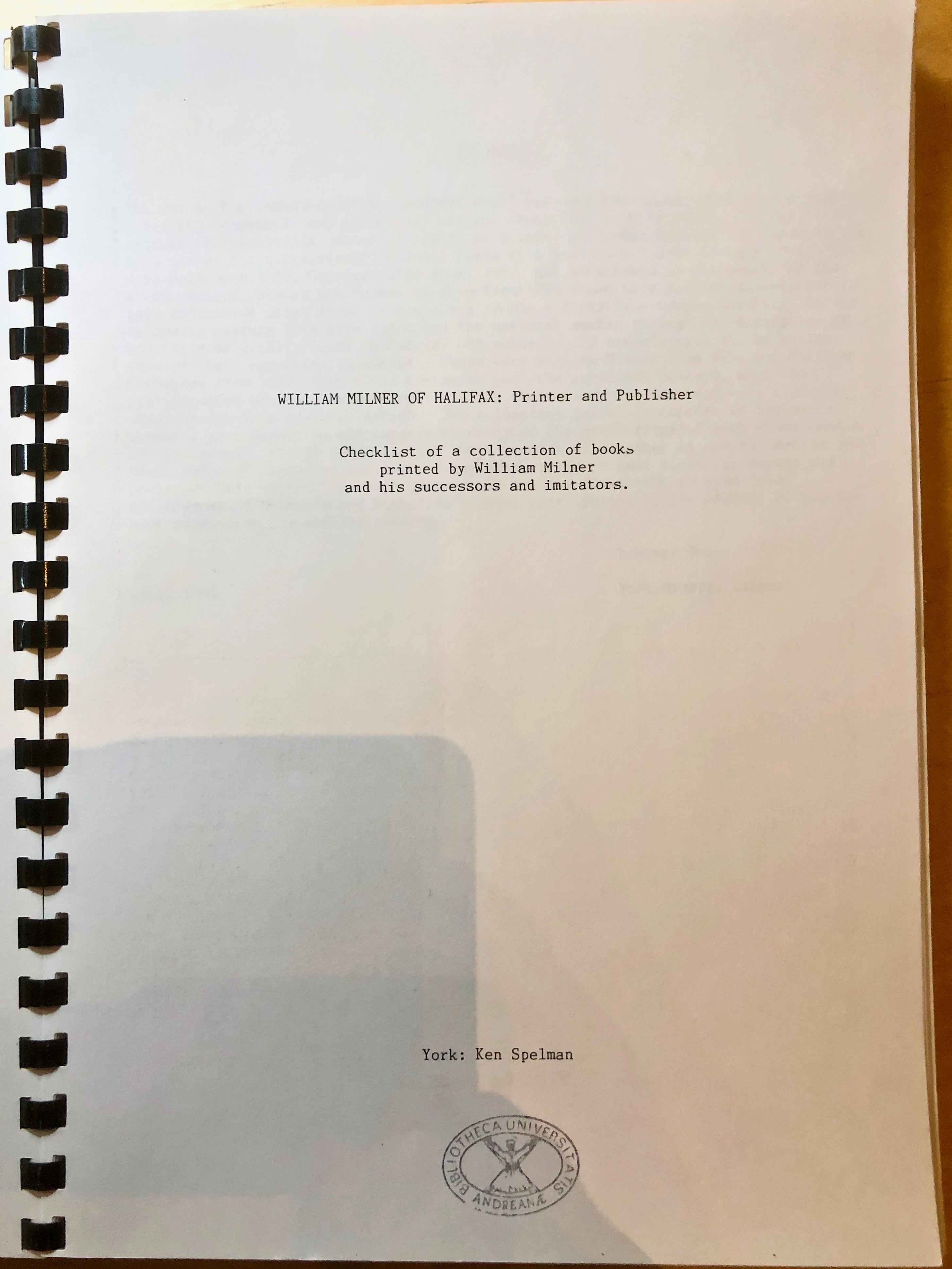
IMG_4441The book title is: “William Milner of Halifax: printer and publisher. Checklist of a collection of books printed by William Milner and his successors and imitators.” The only publishing information is “York: Ken Spelman”. No author is listed on the cover, but the notice from the University of St-Andrews’ library is helpful on that subject: the author is NOT Bernard BARR (who simply wrote the foreword) nor Ken Spelman (the “publisher”, but who was given as author by Amazon) but Peter MILLER and T. FOTHERGILL (who compiled the information).

Disappointingly, the book is of little use to me. It is far from exhaustive; its main source of information seems to be the Spelman’s bookshop collection as well as a few articles in Yorkshire’s newspapers and historical magazines (the bibliography also list a few references that briefly mention Milner, like Victor E. NEUBURG, The Popular Press Companion to Popular Literature, pp. 132-33 or Leslie SHEPARD, The History of Street literature, pp. 104-106). I was expecting a complete list of all titles published by Milner but it seems that such reference doesn’t exist. A search on Google doesn’t yield much either. In fact, the most useful tool in this research was probably WorldCat

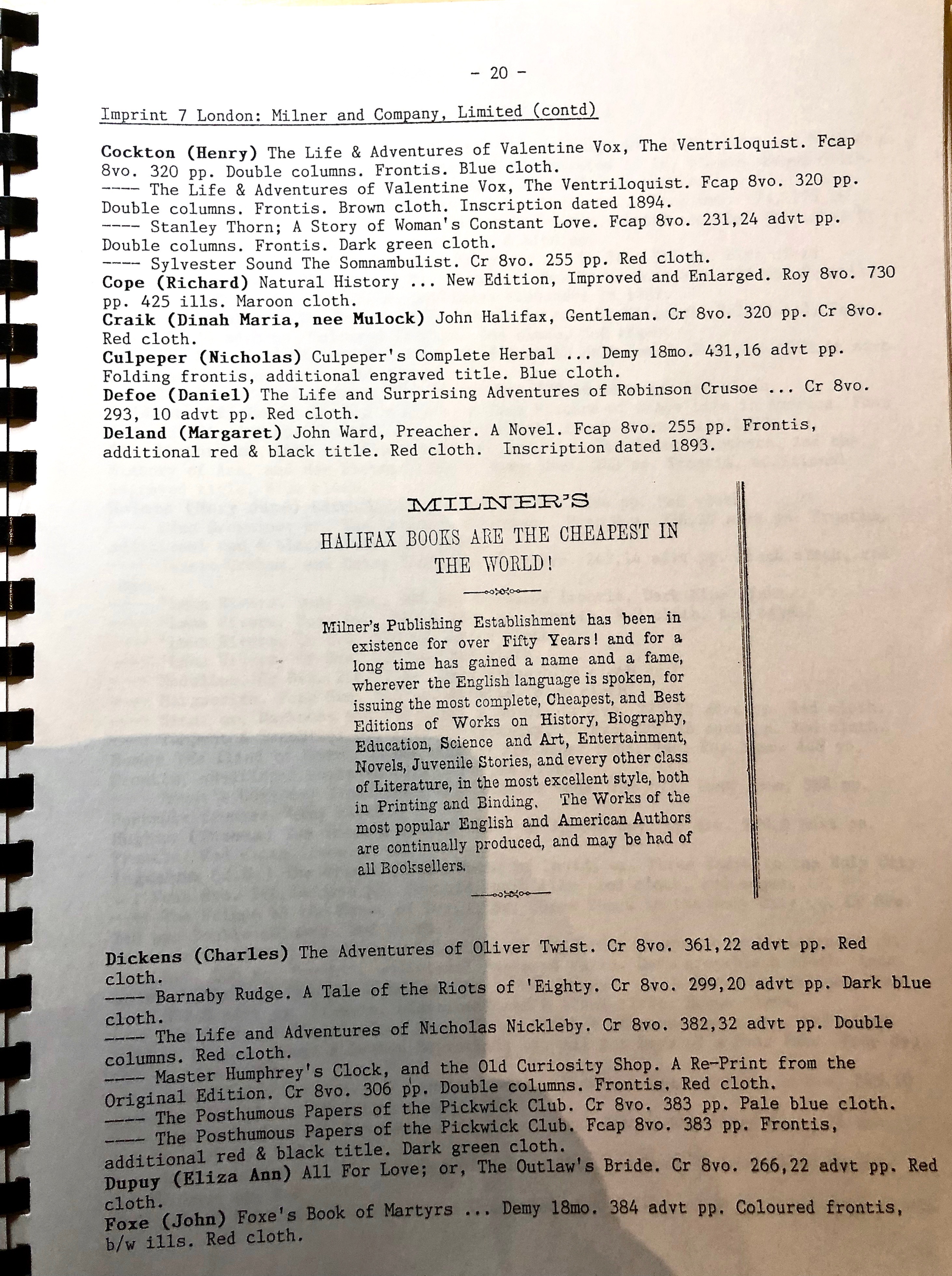
IMG_4440William Milner of Halifax: printer and publisher mentions Richard COPE’s Natural History only ONCE (“Cope (Richard) Natural History … New Edition, Improved and Enlarged. Roy 8vo. 730 pp. 425 ills. Maroon cloth”) in what the book calls the “Imprint 7”—which falls into the third incarnation of the publishing company, Milner & Co, located in London between 1883 and maybe 1900. “Maroon cloth” seems to describe well the cheap cover of my edition (and “Roy 8vo” means that it is a Royal octavo format, i.e. 10″ by 6¼” or 253 mm x 158 mm, therefore about the same size than my copy) but my book was clearly printed during the “Imprint 1” period (Halifax: William Milner, 1834-1851). Also the copy that I have seen at the University of Montreal unmistakably falls into the same imprint as it is dated from 1846 (while mine unfortunately has no printing date left—or never had one as it happened often with this publisher). This fact confirms that the Miller/Fothergill monograph is obviously incomplete.

I was not able to acquire more precise information on my book. However, it was not a complete waste of time since it has allowed me to learn more about the printing industry in nineteen century England. It seems that William Milner was a pioneer of cheap literature and remains an unsung hero of the poor Englishmen as he provided them with affordable literary classics (selling for as little as a shilling or even a sixpence) that would have without any doubts further their education and culture. Several other publishers, like William Nicholson, followed his example. 

IMG_4444

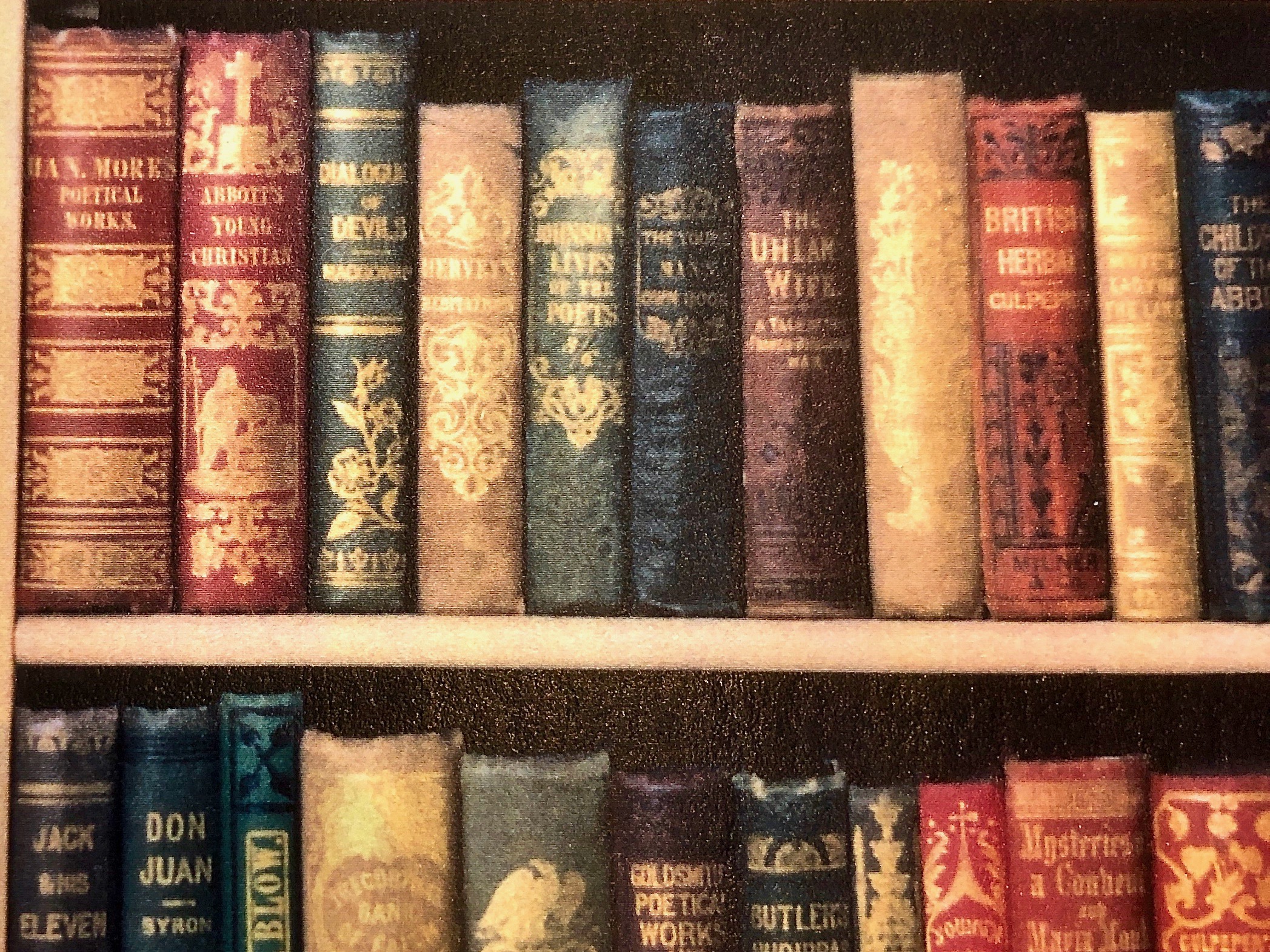
The Spelman’s collection ?

They printed books not only in great quantity (printing titles by the ten of thousands with total circulation often amounting over a hundred thousand!) but also in variety as they covered a large array of subject matter (from BurnsPoems, to Uncle Tom’s Cabin, Arabian Nights, Bunyan’s Pilgrim’s Progress, Defoe’s Robinson Crusoe, Richard Johnson’s The Seven Champion of Christendom, etc.) and offered a “range of plain and variously ornamented styles to suit differing tastes and pockets” [cf. Bernard Barr’s introduction to William Milner of Halifax and Shepard’s History of Street Literature]. The life of those publishers (and particularly of William Milner) and their cultural missionary work would certainly make quite an interesting subject for a historical TV series. 

[ Traduire ]

A new beautiful era of harmony

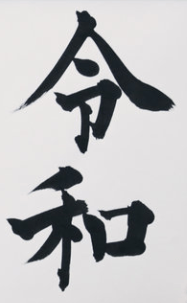
ReiwaThe Japanese government has announced last night that the name of the new Japanese era will be Reiwa (令和).

Each time that there is a new emperor, Japan’s calendar start a new era (時代 / jidai) or period (元年 / gannen). The era name (年号 / nengō or 元号 / gengō) is always selected carefully and has a great cultural significance. However, today it is mainly used only on government official paperwork (driving licenses, official calendar, etc.). Everyday use generally follows the Gregorian calendar. The previous era of modern Japan are Meiji (Prince Mutsuhito, 1868-1912), Taishō (Prince Yoshihito, 1912-1926), Shōwa (Hirohito, 1926-1989) and Heisei (Akihito, 1989-2019). Reiwa will be the 248th era name of Japanese history.

This change usually happens upon the death of the emperor, as his son ascend to the Chrysanthemum Throne. However, this time, the emperor Akihito chose to abdicate for health reason on April 30th and he will be succeeded by his elder son, Naruhito, on May 1st. Another departure from tradition is the fact that, in the past, the name was inspired by Chinese literature. This time, the panel of experts selected to choose the name took the idea from Japanese classical literature, as it is derived from the ancient poem anthology Man’yōshū. 

The first character of the name, Rei [], means good fortune (the “auspicious wave of energy of the plum blossoms carried by the wind”) and the second character, Wa [], means   gentle, harmonious or peace and tranquility.  It could therefore be translated as “fortunate harmony” or “auspicious harmony” (although some seems to translate it as “redolent harmony”).

The announcement was well received by the Japanese as they expect the name to embody their hope for a better future

[ Traduire ]

Latest acquisition

A couple of years ago I’ve talked about my collection of ancient books. Well, I just made a new acquisition. I never thought I would find more interesting (but affordable) books to add to this collection…

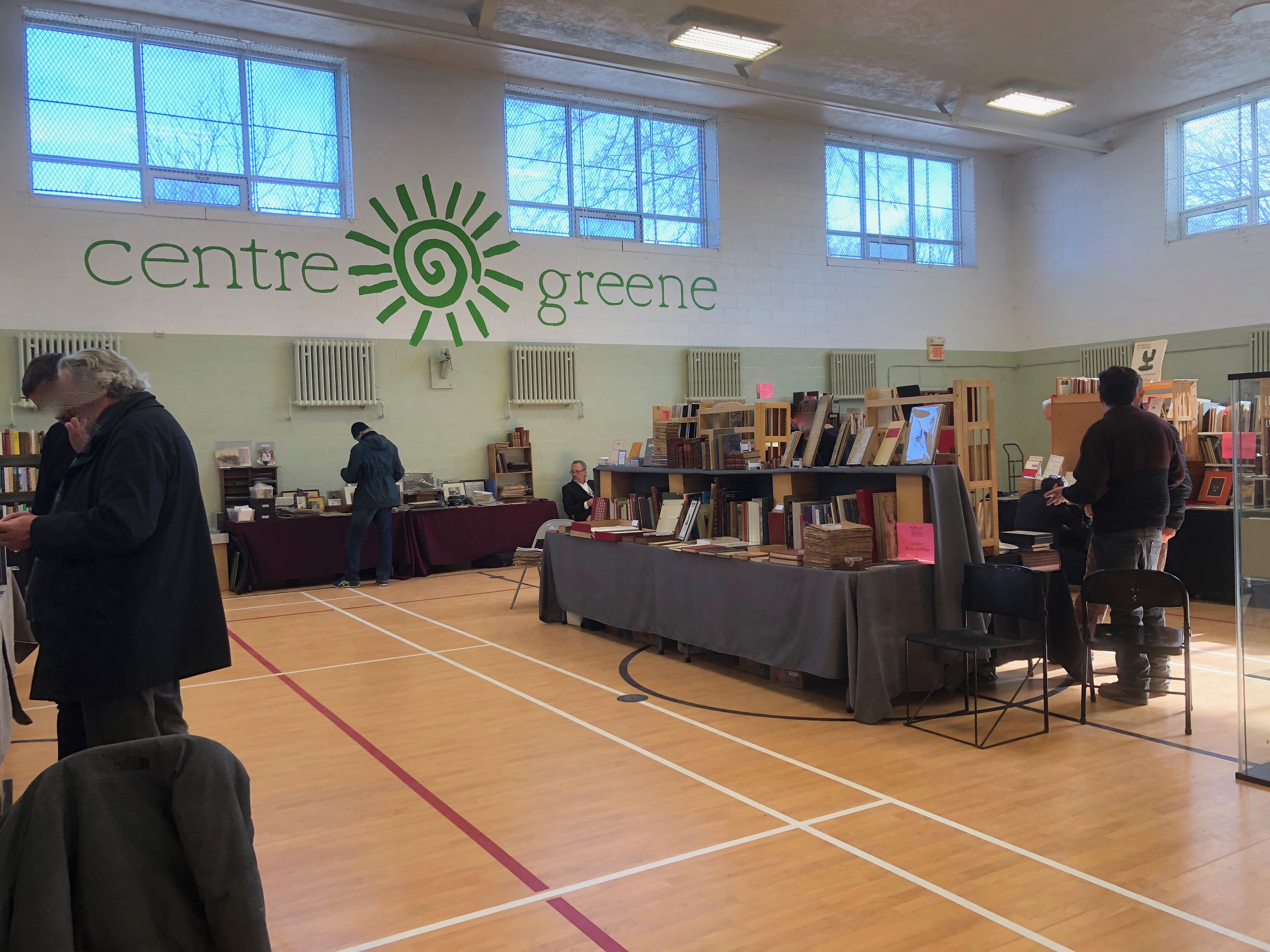
This week-end I went to the Westmount Book Fair at the Green Center in Westmount. I’ve been hearing about this bi-annual antiquarian book fairs for a while and always wanted to have a look but was always too busy. When I saw another one advertised on facebook, I thought now was the time. Although I was rather apprehensive that I would find a very interesting (and expensive) book.

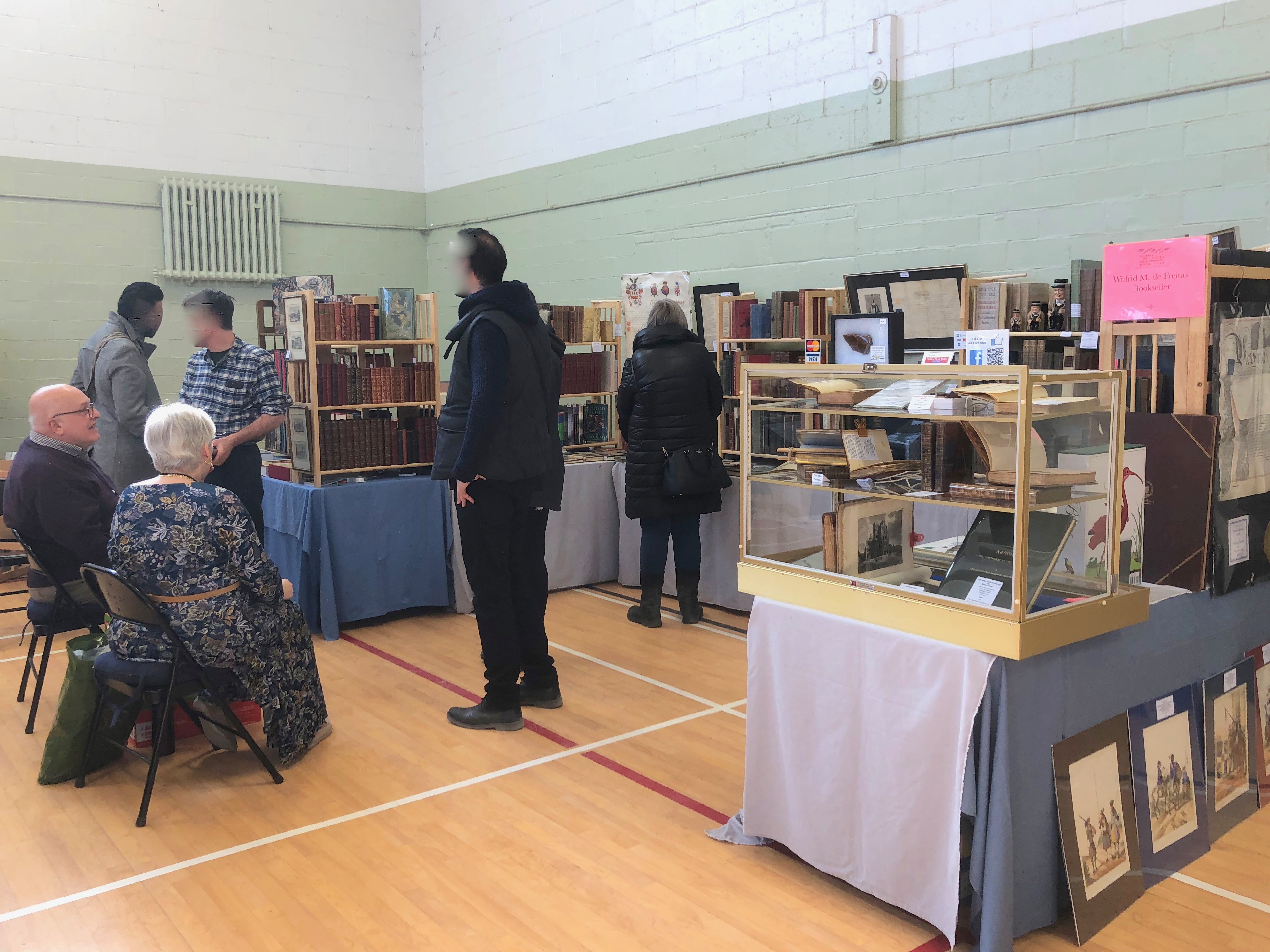
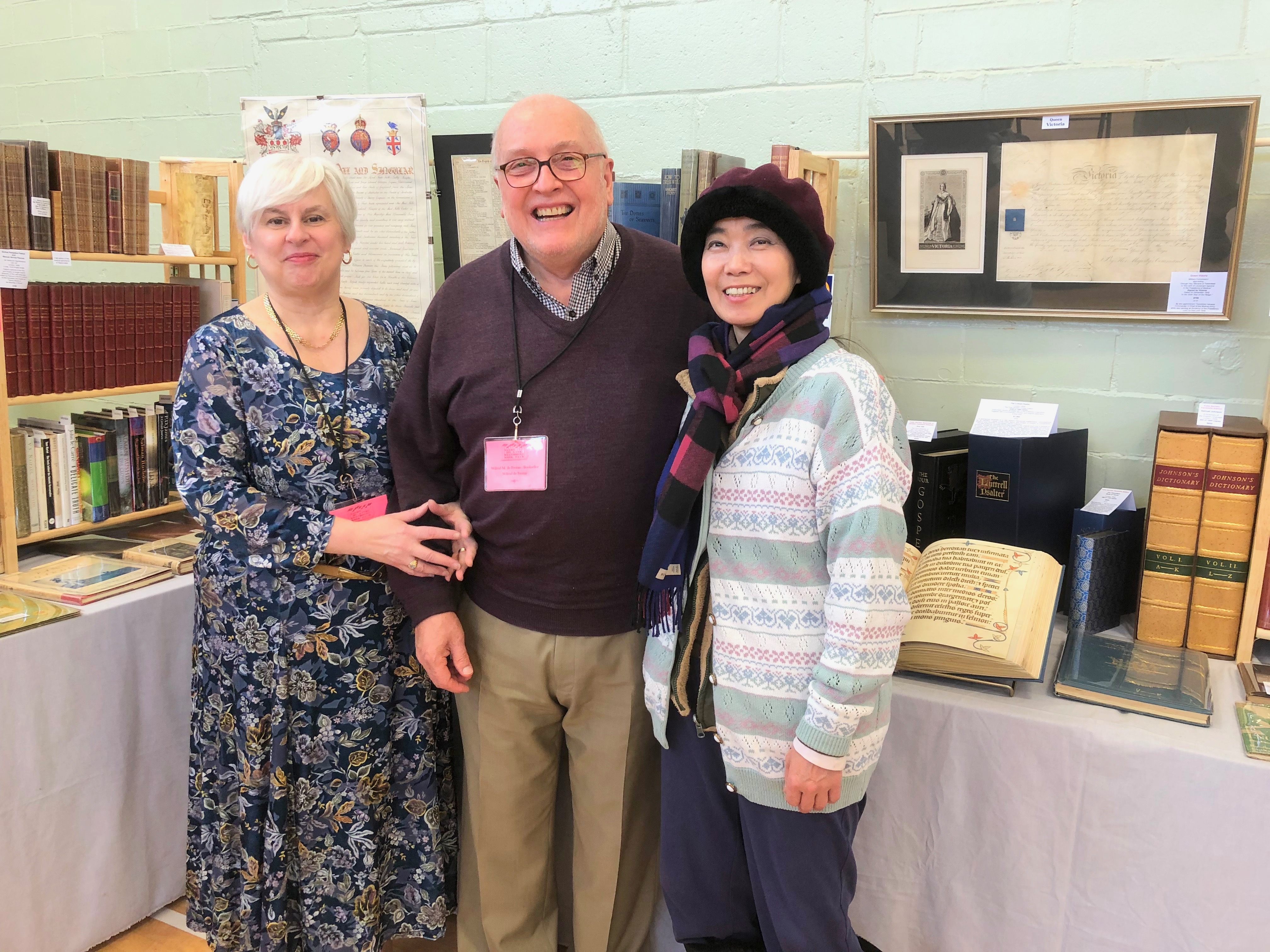
The Westmount Book Fair was organized by Wilfrid M. de Freitas, who is himself a bookseller. It was the 27th edition of what is advertised as “the smallest ancient books fair in Canada, where booksellers from Quebec and Canada will help you discover a wide selection of books, brochures, maps, printed matter and small papers”. It was indeed a small venue with a little more than a dozen stands.

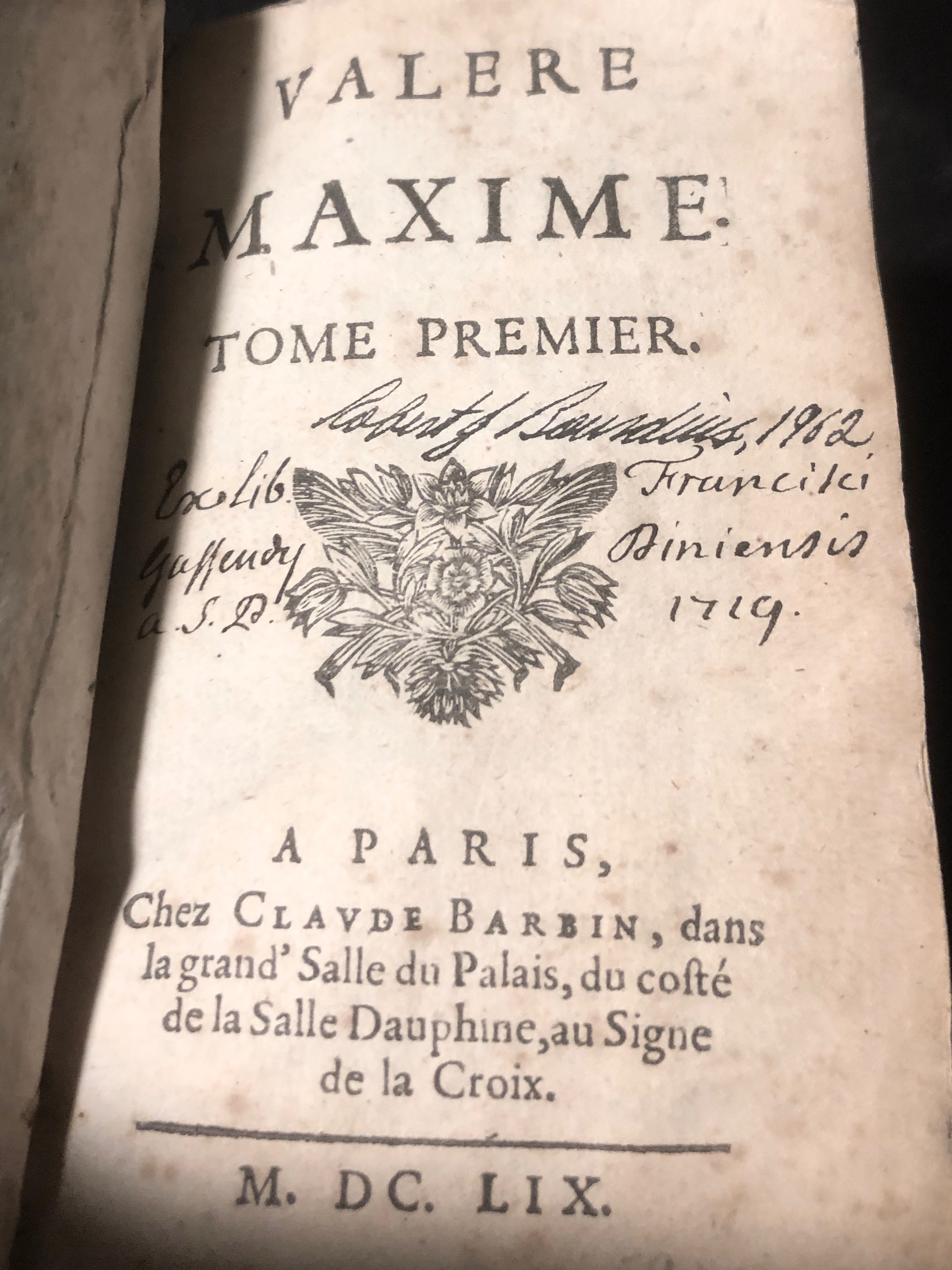
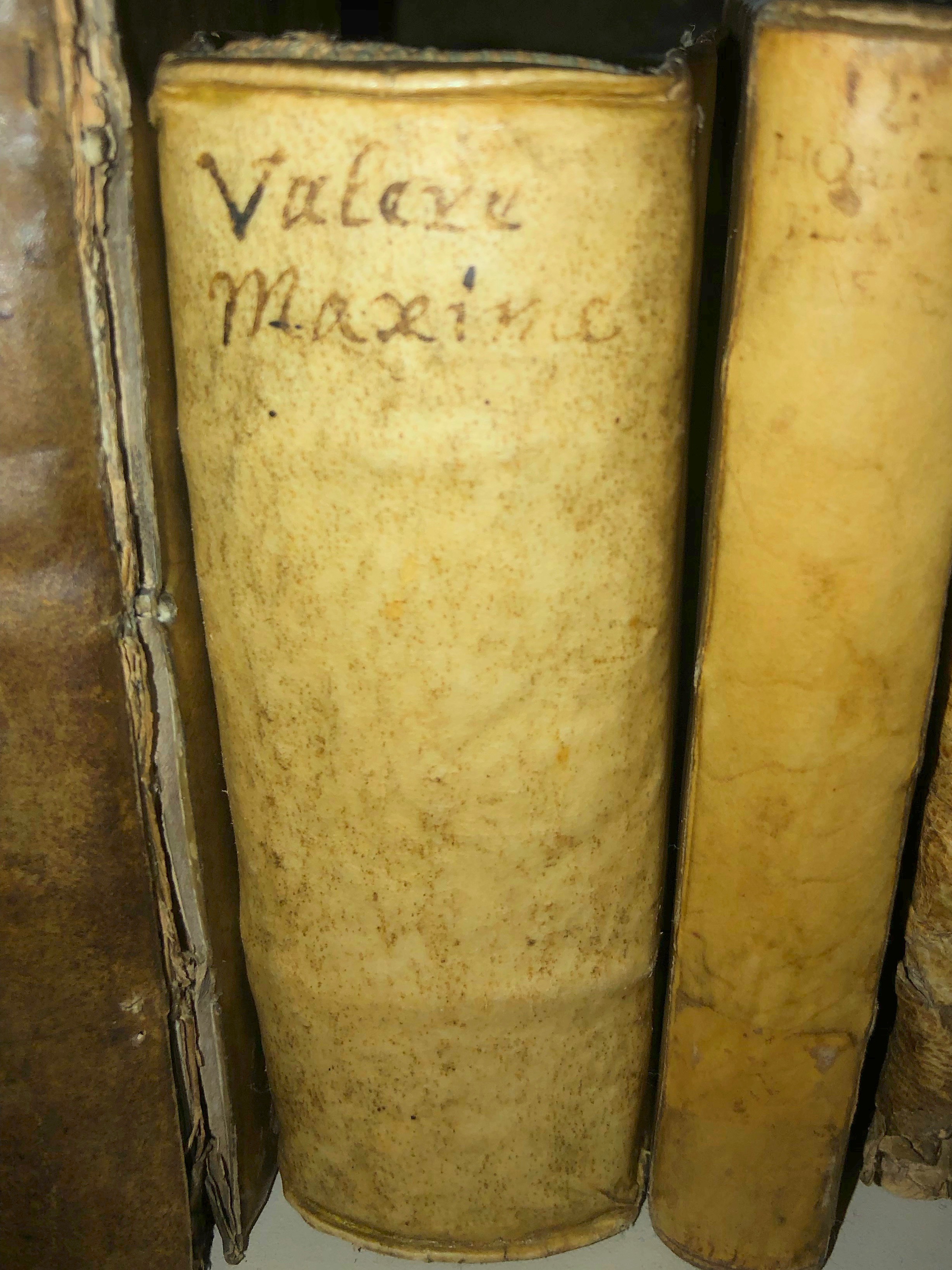
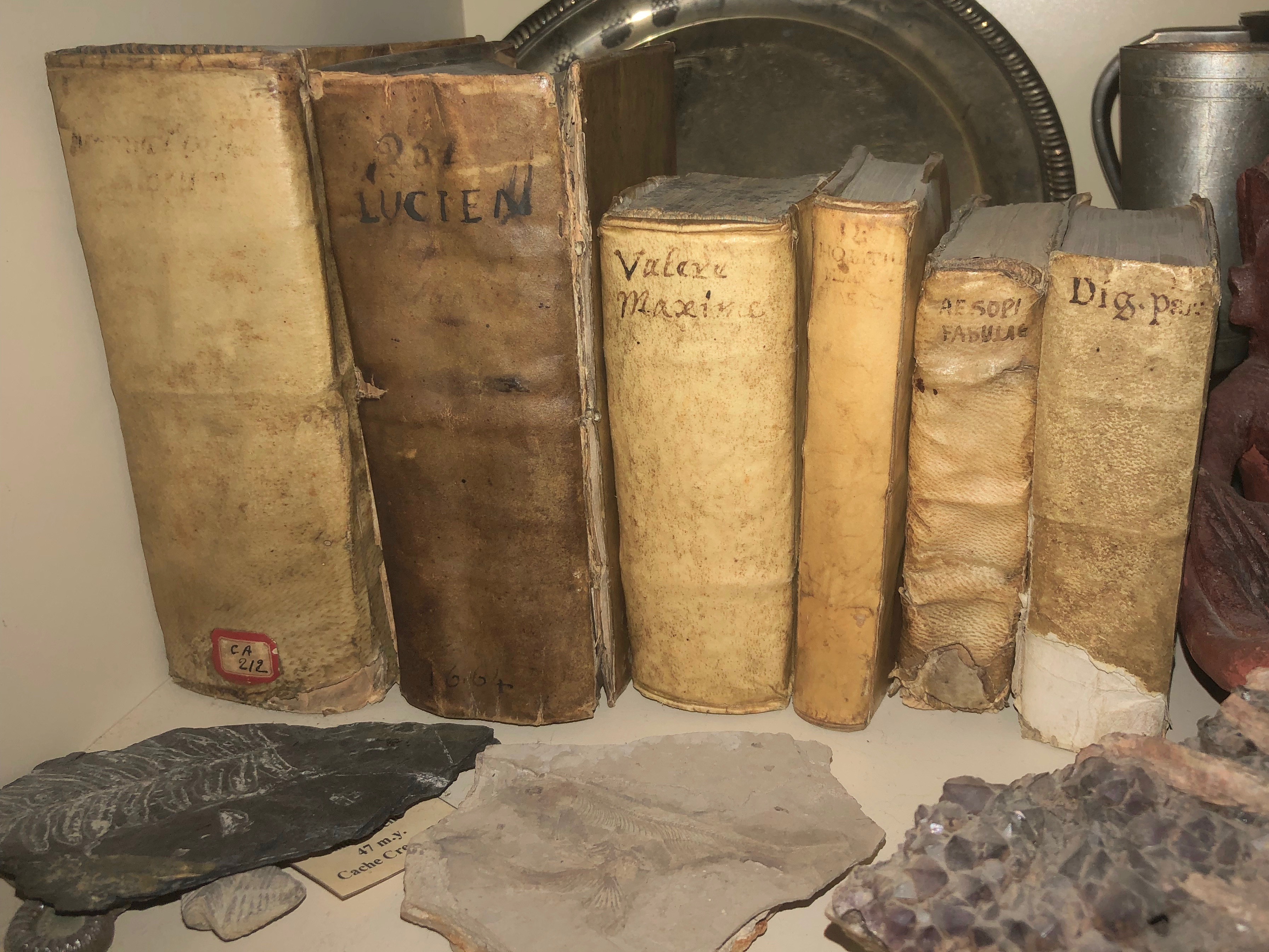
I took a quick look and identified all the books the would interest me and fit into my unfortunately small budget: the Caesar commentaries (in French, 1763, $125), the work of Tacitus (2 vols in latin, 1772, $350), and the work of Valerius Maximus (1659, $275). More affordable but out of my subjects of interest for this type of books (ancient authors, 16th to 18th century editions) there was also a Short French Dictionary (in English, 1701, only $100). There was also a big format velum book (about 25 cm hight and 8 cm thick) from the 17th century about mythology (a mere $5000 !), the works of Bossuet in a big volume ($4500), a few sheets from German old books (incunable?) or a large format book (in-folio) about the myth of the wandering jew illustrated by Gustave Doré for which I didn’t even dare looking for the price tag. Out of interest and price range, I also noticed the first annual compilation of the bande-dessinée magazine Pilote ($500-$700). It gave me a few interesting books to choose from. After, deliberating over the interest (age, condition of the binding, subject) and the price, I finally chose the Valerius Maximus. It was the only 17th century edition in my list, in relatively good condition and at an affordable price. It was sold by Mr. de Freitas and he even gave me a small discount.

IMG_4317VALERE MAXIME, A PARIS, CLAVDE BARBIN, dans la grand’ Salle du Palais, du cofté de la Salle Dauphine, au Signe de la Croix. M.DC.LIX. [1659]”

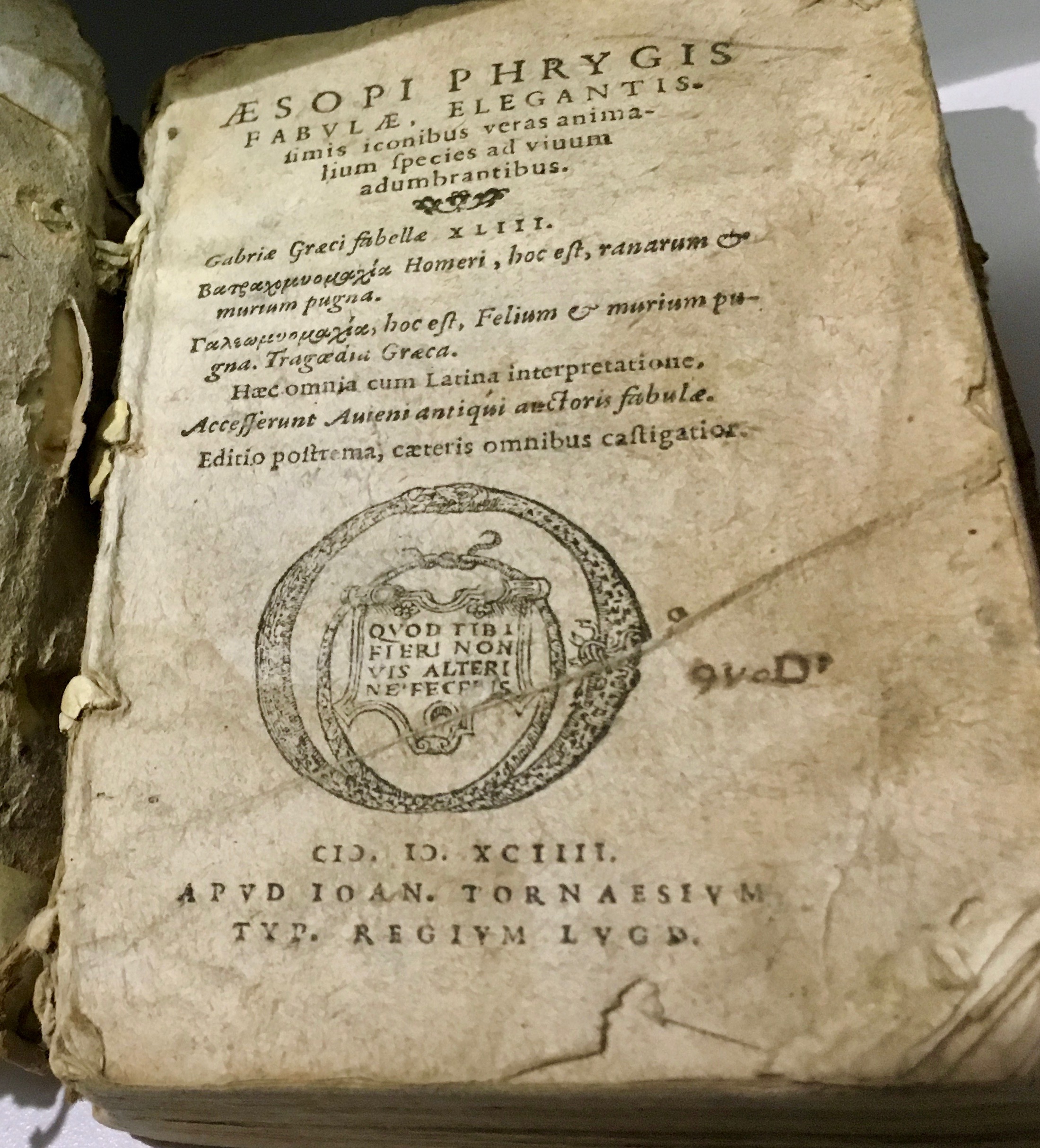
The title of the book (which doesn’t appear on the first page) is “Factotum ac dictorum memorabilium libri IX” [nine books of memorable deeds and sayings]. The binding (pork skin?) includes two volumes (it’s 4.5 cm thick), in the sextodecimo format (in-16, in this case 8 x 12.75 cm) . According to the note from Mr. de Freitas, it’s the second edition in French, translated by Jean Claveret. It is a collections of a thousand historical anecdotes, many lifted from earlier Roman writers, re-drafted by Valerius Maximus as moral and social models. It was written during the reign of Tiberius (around around CE 30 or 31). It is quite interesting…

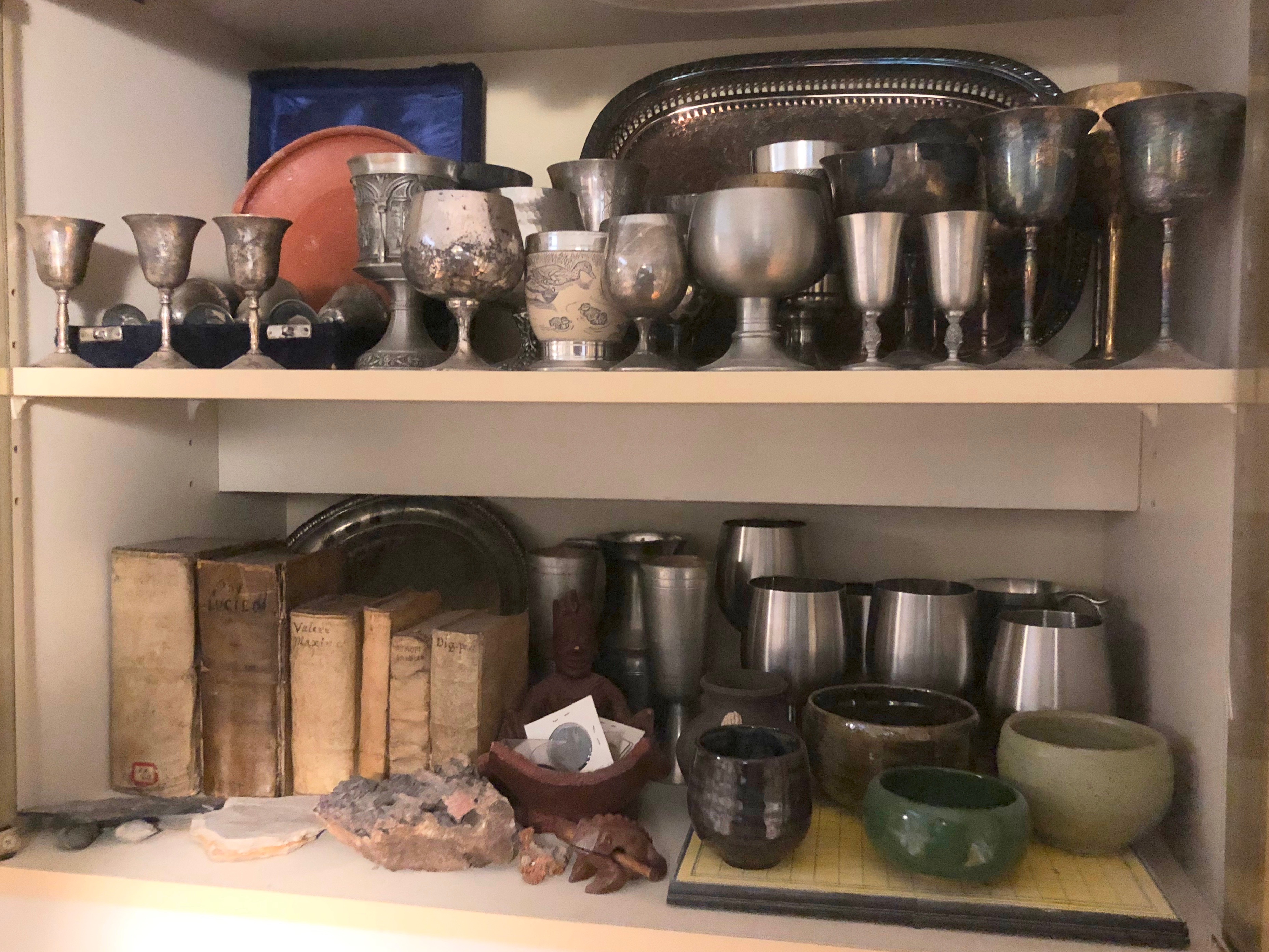
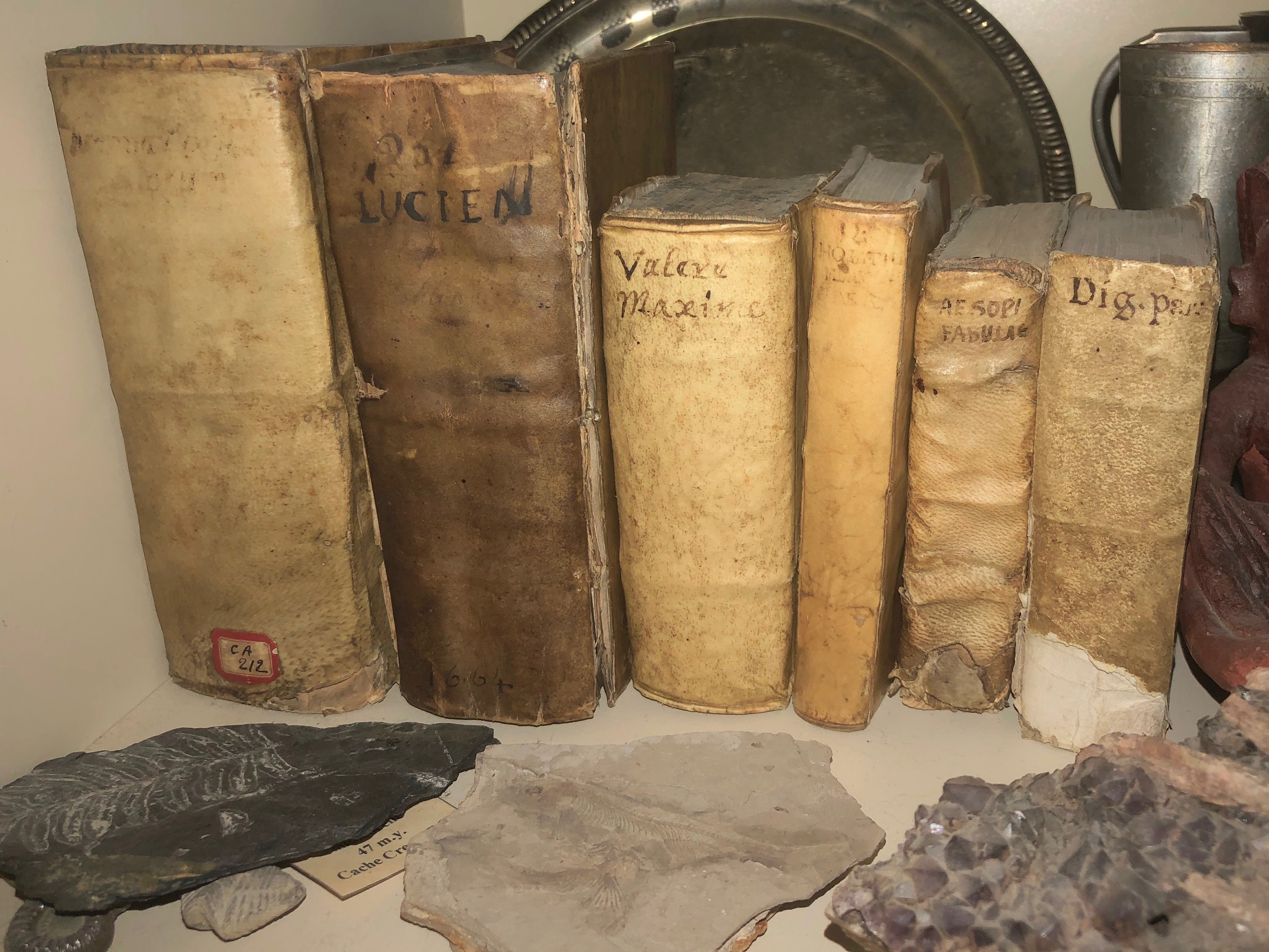
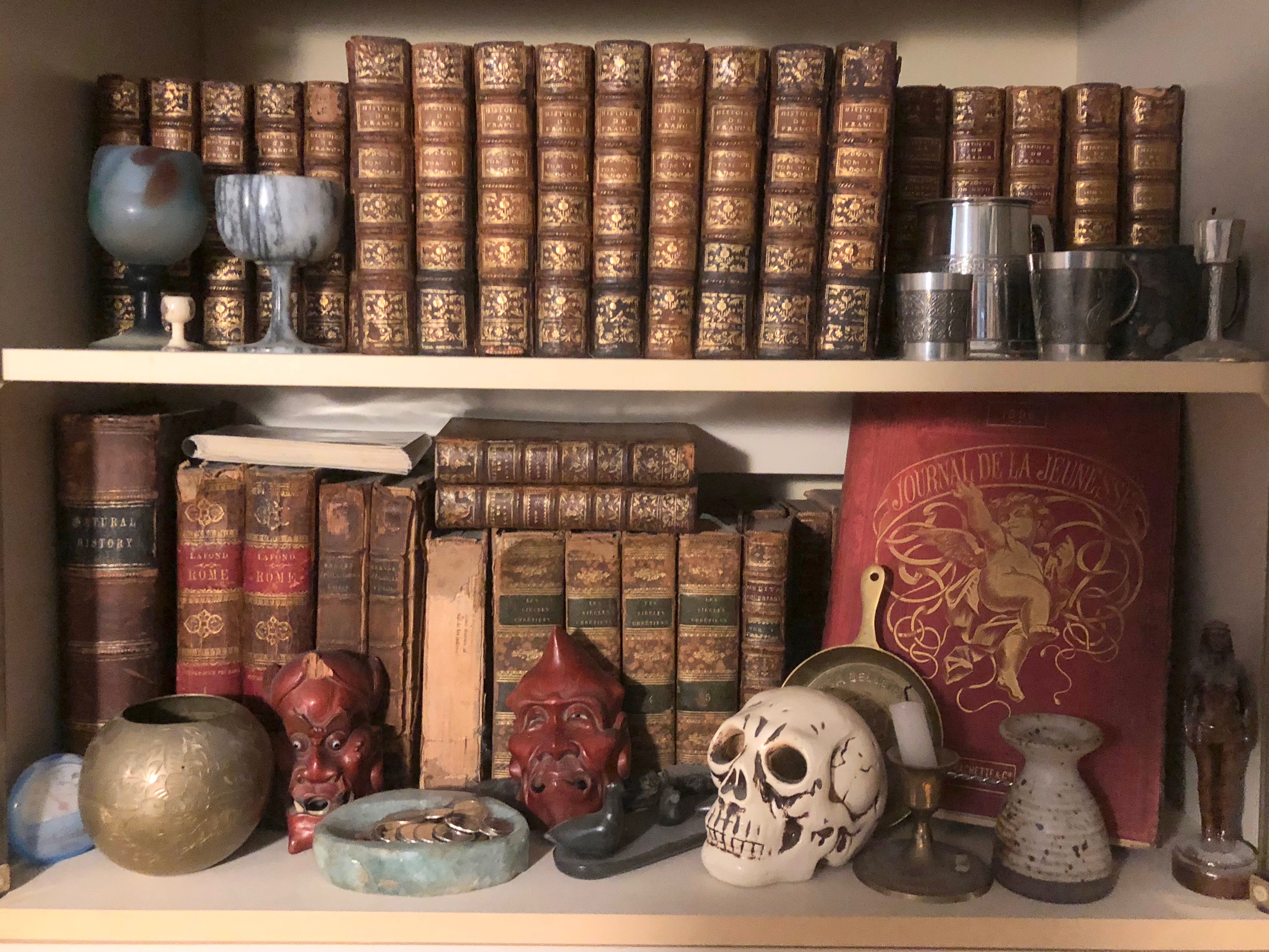
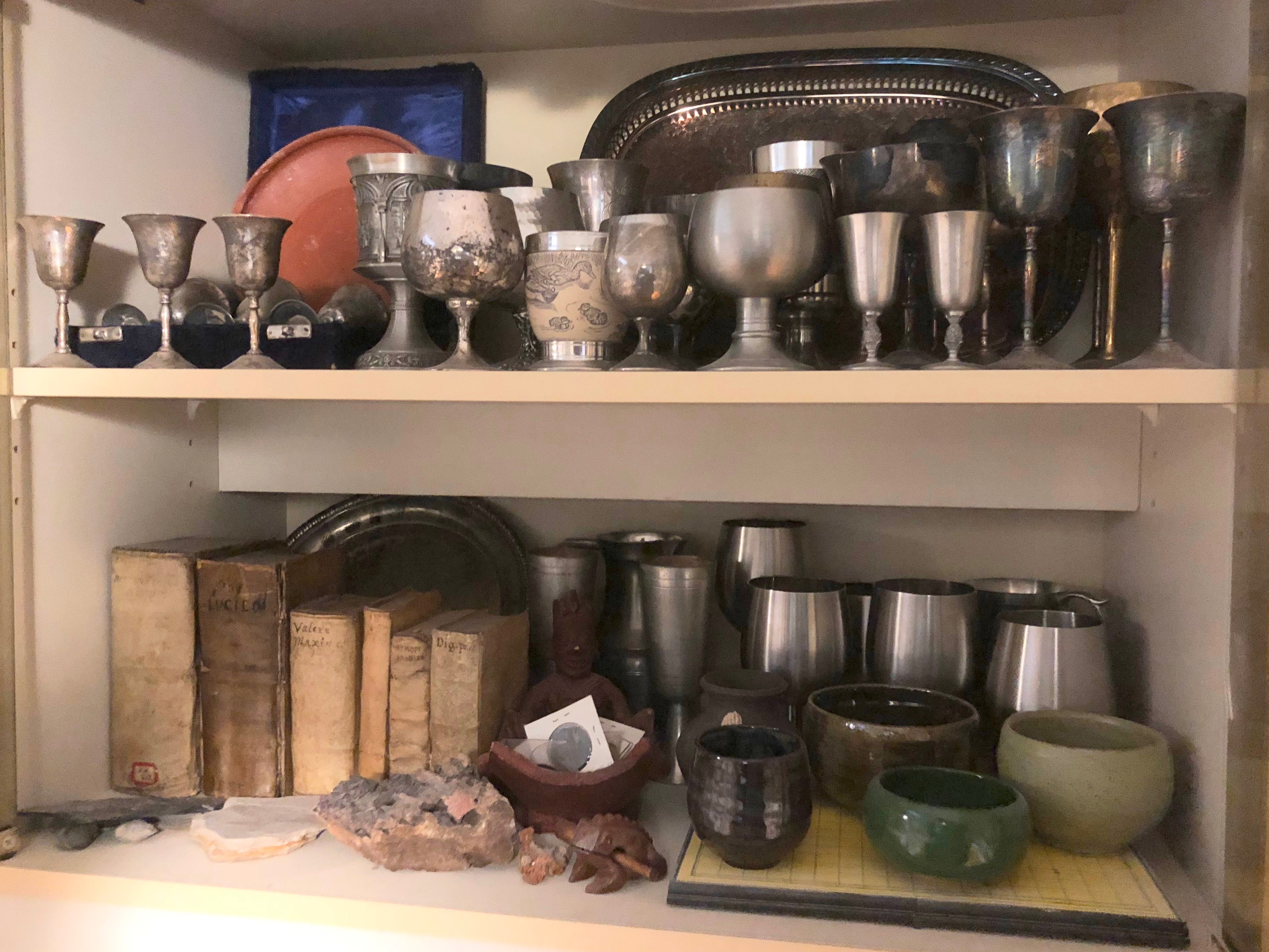
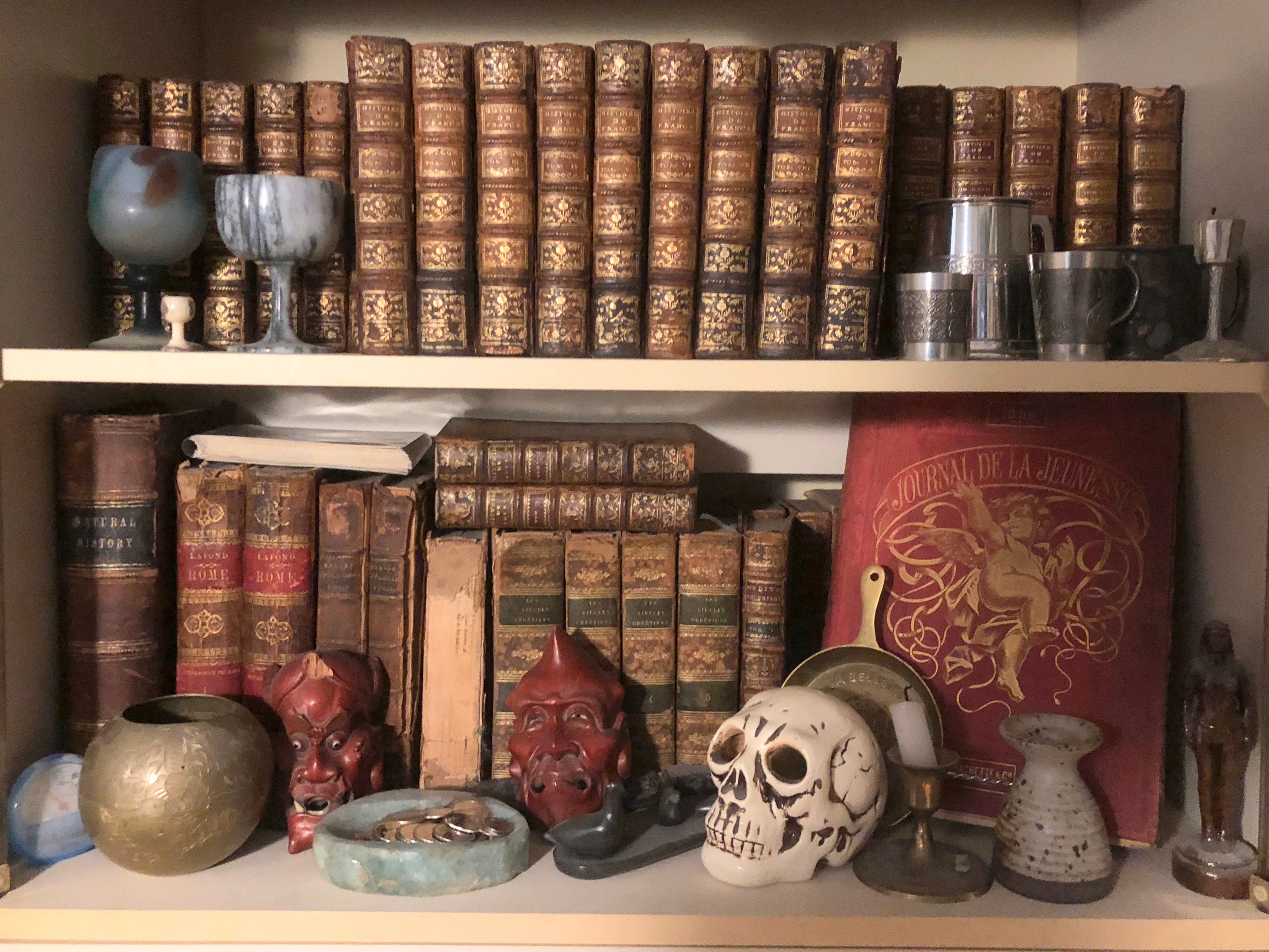
The Collection (or my cabinet of curiosities)


The next book fair, organized by the Confrérie de la Libraries Ancienne du Québec, will be the 36th Antiquarian Book Fair held at the Concordia University (Pavillon McConnell, 1400 bout Maisonneuve O.) Saturday September 28th (from 12:00 to 18:00) and Sunday September 29th (from 11:00 to 17:00).

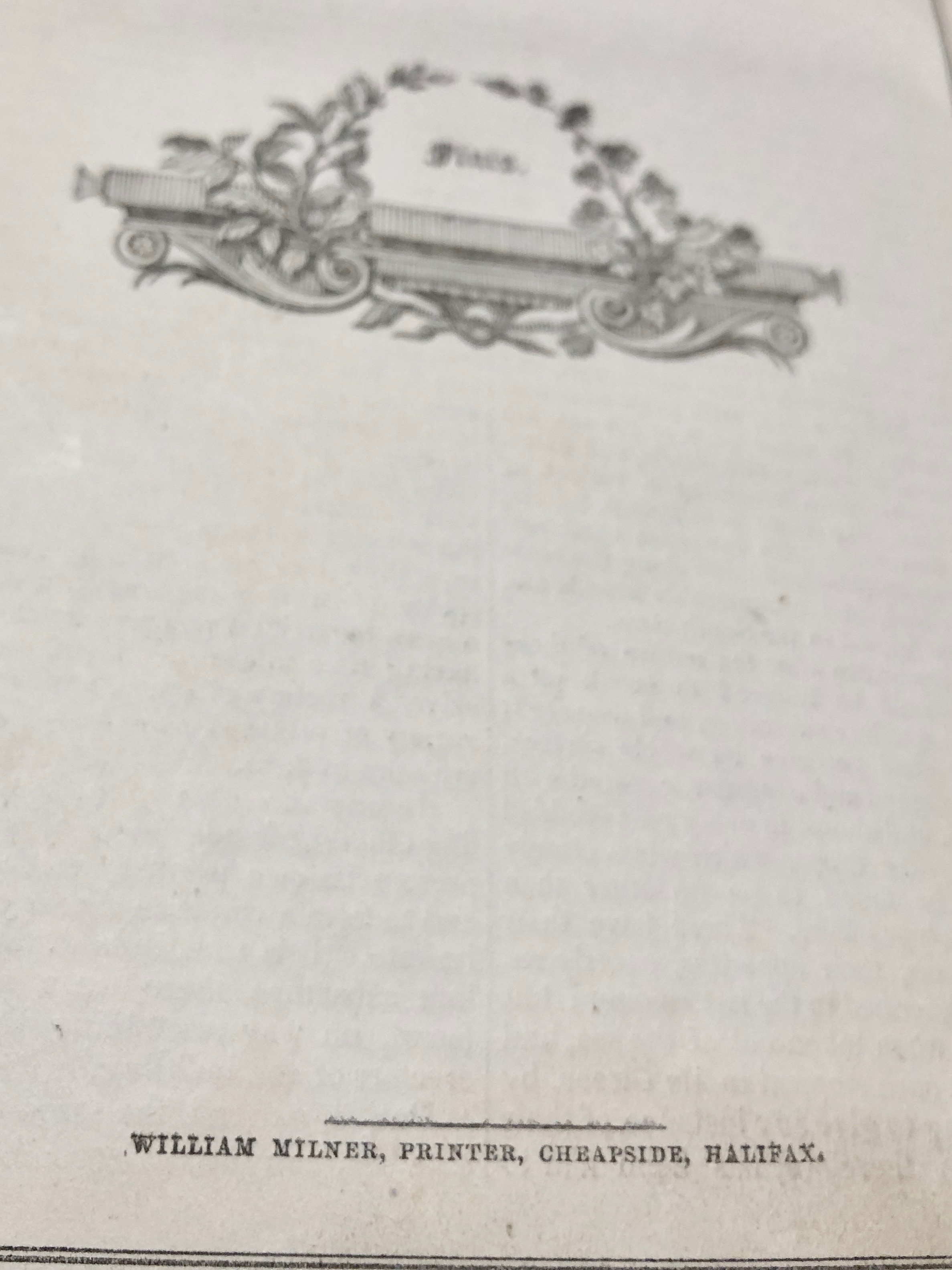
IMG_4304While having my nose in old books, I decided to do some more research on one of my (very interesting) books on which I have little information. It’s an octavo volume (15 x 24 x 5 cm) titled Natural History. It has a cardboard cover, covered with brown cloth and thin leather. It doesn’t have a title page and the only publisher information appear on the very last page: “WILLIAM MILNER, PRINTER, CHEAPSIDE, HALIFAX.” I first thought it was printed in the maritime provinces in mid-19th century (I think my father purchased it in Gaspésie in the 60s, for $35). It has 730 pages and is in average condition (yellowed pages and several stains, little tears in the cloth of the cover).

It seems inspired by Pliny’s Naturalis Historiae, but it is not its translation as it has a different content organization and covers more modern subjects: Part I : Of the Universe, Part II-XXII: Animals (mostly mammals), Part XXIII: Unclassified Animals, Part XXIV-XXX: Birds; then A History of the Fishes in General (including cetaceous, crustaceous, frogs, lizards, serpents, turtles, and insects !) Part I-XII.

With a closer examination and more research, I discovered new information about this book. First, it seems that the printer is NOT from Nova Scotia but rather from England. Cheapside is a street in Halifax, West Yorkshire, England. William Milner (1803-1850) is a printer who was known for publishing lots of cheap books (selling for sixpence (2 pence) and a shilling (5 pence)). He apprenticed as a printer, but started publishing his own books, first with local printers and then setting up his own press in the 1830s (or in 1844). After his death, his stepsons took over the business under the name Milner & Sowerby. Therefore, my books must have been published between the 1830s and 1850. I will try to find more about this publisher. There is a book that seems to list some of his production, so I will probably start there. To be continued…

[ Traduire ]

Memorable music

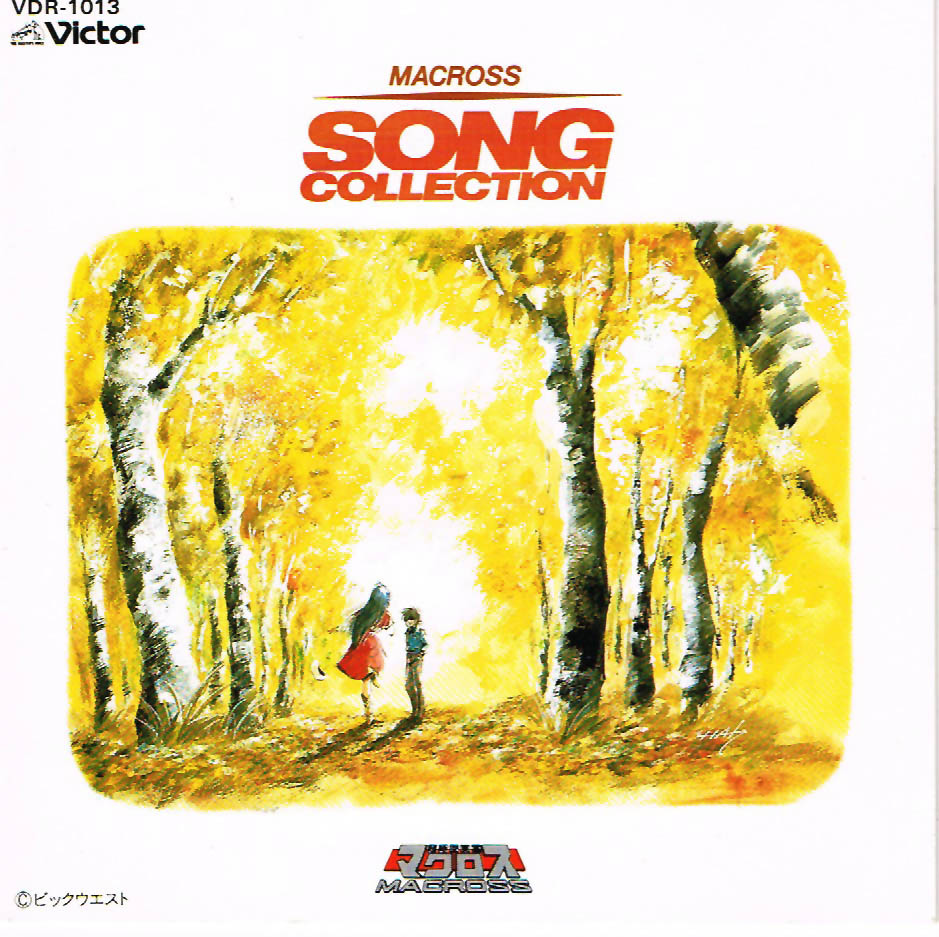
MacrossSOngCollectionAfter watching on NHK World a documentary on the songs of Studio Ghibli’s animated movies (like Nausicaä or Laputa), I started listening to an old playlist of anime background music (BGM) and songs collections from my late-20s and 30s. I had forgotten how much those tunes could get stuck in your head (particularly “Konya Wa Hurricane” from Bubblegum Crisis, “Ai-Oboe te i masuka” from Macross, the crashing song from Megazone 23 Part 2, or any songs from Kimagure Orange Road). I realize that this is something missing from recent anime that I’ve seen: memorable music. I really miss that. And it makes me sad — and very nostalgic!

My playlist also includes a few hits from great J-pop artists like Aikawa Nanase, Glay, Globe, Namie Amuro, TRF, Yoko Kanno and even a few Enka songs by Misora Hibari!

Do you have anime or J-pop favourite songs ?

[ Traduire ]

[ Update – 2019/02/23 ] For the curious, here’s the full playlist (recently augmented)—and I have added plenty of links so you can sample them :

Continue reading

Découverte: Gastrono Geek

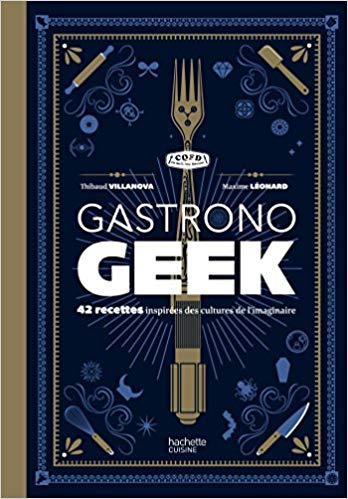
GastronoGeek-covJe n’écris pas souvent sur la bouffe ou les livres de cuisine mais cela m’est quand même arrivé quelques fois. Bien sûr je ne suis pas du genre à lire ce type d’ouvrage d’une couverture à l’autre mais quand un sujet attire ma curiosité je suis prêt à feuilleter n’importe quel genre de livre pour vous le commenter.

Dans ce cas-ci, il s’agit de “42 recettes créatives et gourmandes autour de 15 thèmes incontournables de la culture geek. De Harry Potter à Star Wars, en passant par Dragon Ball, un hommage gastronomique à des références cultes et une série d’énigmes pour tester vos connaissances geek.” (Voir la couverture arrière)

Je remarque d’abord la très belle présentation de l’ouvrage, qui est plein de photos et d’illustrations, le tout emballé dans une charmante reliure. C’est donc un beau livre pour la cuisine ou la table de chevet. Le livre est divisé en cinq catégories (sci-fi, fantasy, mangas, horreur/fantastique et comics) et pour chacune d’entre elle il nous offre une aventure culinaire dans l’univers de trois mondes différents (tiré du cinéma, de la littérature ou de la bande dessinée), avec des recettes pour un repas complet (entrée, plat principal et dessert). Et c’est plus qu’un livre de recettes puisqu’on y retrouve des jeux et des énigmes. Tout cela est complété par la liste des ustensiles nécessaires, l’index des ingrédients, l’index des recettes, des lexiques et quelques astuces.

Il s’agit bien sûr ici non pas d’offrir des recettes imaginaires mais plutôt d’adapter des recettes existantes avec des ingrédients et une présentation inspirés par des sujets de l’imaginaire. Le résultat peut être parfois assez saisissant, comme le dessert L’Oeil de Sauron! Je ne cuisine pas beaucoup mais toutes ces recettes me semblent un peu compliquées. Ce n’est probablement pas un problème pour les cuistots sérieux mais cela pourrait être un peu rébarbatif pour les simples amateurs (quoique les recettes ont une cote de difficulté). Cela à l’air néanmoins très appétissant!

GastronoGeek-OeildeSauron

p. 44-45: L’oeil de Sauron (Sabayon à la pulpe d’orange et chocolat noir)

Gastrono Geek m’apparait donc comme une simple curiosité, une gâterie au service de la nostalgie geek, qui mérite tout de même un regard si les mondes de l’imaginaire et la cuisine vous intéresse. 

Ce n’est pas un livre unique puisqu’il s’agit d’une série où l’on retrouve aussi Geek & Pastry Gastrono Geek, Gastrono Geek: Dessins Animés, Le livre des potions, Codex Culinaire Assassin’s Creed, Les banquets d’Astérix, Gastrono Geek: Séries Cultes, et même Manuel de la Confrérie Assassin’s Creed ou Le Geek Touristique. Il y en a donc pour tout les goûts (toutefois les deux derniers ne sont pas des livres de cuisine mais des guides)! Thibaud Villanova ajoute de nouvelles recettes régulièrement sur son site officiel: gastronogeek.com (en fait une chaine video Youtube). 

Gastrono Geek, par Thibaud Villanova et Maxime Léonard. Paris: Hachette Pratique (Coll. CQFD), septembre 2014. 144 pages, 21.7 x 29.6 cm, 22,50 € / C$ 42.95, ISBN 978-2-01-231832-8. Pour public de tout âge. Voir la bande-annonce et un extrait. stars-3-0

Vous trouverez plus d’information sur les sites suivants:

[ AmazonBiblioGoodreadsGoogleWorldCat ]

[ Translate ]

Vous trouverez aussi la liste de toutes les recettes après le saut de page >>

Continue reading

Notable News (w42-w53)

It has been a little more than two months since the last entry of our journal. The weather has been relatively gray, since we’ve had very little snow so far, as it was—more often than not—rain and freezing rain, and lots of ups and downs in the temperature. The most notable events on the domestic front included a strange saga over the video of a panel at the book fair, where I also attended the launch of Solaris #208 and did a capsule interview with Catherine Sylvestre. We had again a problem of flicker in our electricity (strangely only on one side of the house), so bad that one night I thought my apartment had become a disco! Finally, we found the source of the problem (old wirings) and hired an electrician for a temporary fix but we will have to change the electrical entry in spring.

Somehow my sister’s cats managed to start the shower while she was on vacation. It lasted about twenty minutes before we realized that water was dripping from my bathroom’s ceiling. Luckily this small flood was relatively contained but we had to mopped the floor for a couple of hours in the middle of the night. The damage is limited but we will have to redo our bathroom’s ceiling…

The work-place was not too much a strain on my mental health, beside the continuing problem with the ventilation and heating system (strangely when this happens at another library of the borough they close immediately while we have to endure and work in very unpleasant conditions—that’s so unfair!) and some dubious decision on age classification of some mangas (Bride Stories, Nausicaa & Mafalda for kids! Are you joking?)!

readings2018Apple announced new Macs and iPads. We attended the vegan fest again, visited the Book of Hours and the Calder exhibits. I reached my reading goal for the year (fifty books! But, as usual, it was mostly comics and mangas). This allowed my to comment on  a few books (C Comme Cthulhu, Le Chat du Rabbin 8, Isabella Bird 3, Nous rêvions de robots, Pline 6, Ross Poldark, and a book about the New Yorker’s cartoons). I also wrote about the works (bande dessinée) of Philippe Gauckler: Convoi, Prince Lao and Koralovski. Unfortunately, I still watch too much TV and movies (A place to call home season 6, Mars season 2, Murder on the Orient Express, Outlaw KingPicnic at Hanging RockRBG, Solo, Transformer: The Last Knight, Traverlers season 3). Finally, I took some time to reminisce about the fanzine era and the old Protoculture days.

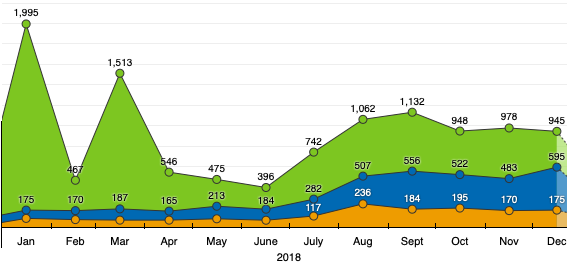
2018blogstatsI just completed my first year with WordPress.com so I don’t have much basis to compare this year’s statistics (although I remember that with Internic’s hosting I had ten times more traffic so either they were calculating it differently or I lost some followers in the switch or WordPress is not promoting the traffic as well). There is also a slight difference between WordPress’ and StatCounter’s numbers. Anyway, in 2018 I posted 319 entries (a 16% increase), acquired 68 followers and received (if we round up a little) an average of a thousand views per month or 350 visitors per month (about 135 returning visitors per month). It is not as much as I would I’ve liked but it is a beginning. The most important is that it keeps increasing from month to month. I’ll keep improving the blog and (hopefully) writing more so it will be at its best when I retire and make it my main occupation (in about 3064 days!). 

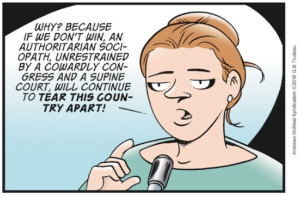
doonesbury-20181021

Doonesbury (2018/10/21)

On the world stage, the months of November and December had their lots of typhoon, floods, wildfires, tsunami, and violent protests in France, but it is mainly the U.S. Mid-term elections that retained the attention. In reaction to Trump’s insane White House, people went to the ballot with numbers not seen in nearly a century allowing the Democrats to retake the House by electing many young candidates, including several women (95), members of racial minorities (two Muslim and two Native Americans) or of the LGBT! Space exploration was also in the news as we landed another probe on Mars, explored more asteroids and mini-planets, and China landed a probe on the far-side of the moon.

All in all, 2018 was a very challenging year for everyone, so let’s hope that 2019 will be much better.

Through all this I tried to stay acquainted with the affairs of the world and gathered a few notable news & links — which I now share with you (in both french or english, slightly categorized, but in no particular order — note that, to save on coding time, the links will NOT open in a new window as usual), after the jump.

[ Traduire ]
Continue reading

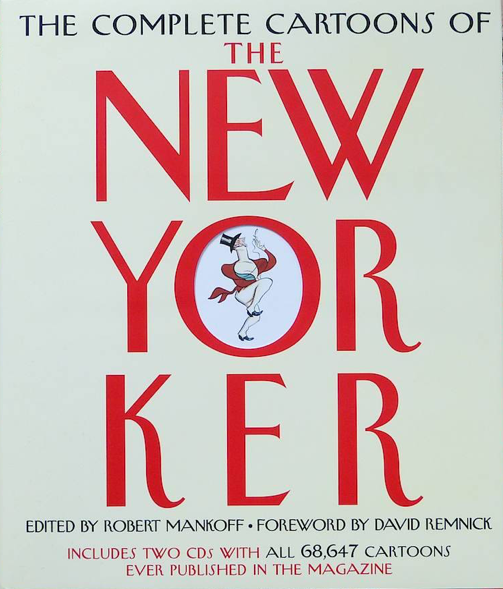
The Complete Cartoons of The New Yorker

CompleteCartoonsNewYorker-covI acquired this phenomenally huge book in a sale earlier this fall and I paid only fifteen dollars for it. I have always liked the single-panel cartoons (often referred to as “gag cartoon”, in the likes of what you find in the series “For Dummies”, or in Herman or Bizarro, and, of course, in newspapers’ editorial cartoons) and the most iconic of those could be found in the magazine The New Yorker. So I was quite pleased with this acquisition. However, it is the type of nightstand book that you savour slowly and it took me a couple of months to go through its 655 pages and over 2,000 cartoons (about two weeks of actual reading). Unfortunately the used copy I purchased did not include the two CDs with all 68,647 cartoons ever published in the magazine (if so it would have taken me much more time to read!).

A New Yorker cartoon is usually made of one drawing (but sometimes of the sequence of two or three), plus a funny caption. Most of the time all the humour is in the caption… Here are some examples:


The cartoons are organized into the eight decades during which the magazine was published (from its founding in 1925 until the publication of the book in 2004) and each period is introduced by an essay by one of the magazine’s most distinguished writers: 1925-34 (introduction by Roger Angell), 1935-44 (Nancy Franklin), 1945-54 (Lillian Ross), 1955-64 (John Updike), 1965-74 (Calvin Trillin), 1975-84 (Ian Frazier), 1985-94 (Mark Singer) and 1995-2004 (Rebecca Mead). The book starts with an Editor’s Note by Robert Mankoff and a Forword by David Remnick, and concludes with an index of Artists.

In addition, for each era, you find a brief overview of a predominant theme (the depression, drinking, nudity, television, cars, the space program, slipper dogs, business culture, the internet and politics) as well as a brief profile (including a mini-portfolio) for a key cartoonist (Peter Arno, George Price, James Thurber, Charles Adams, William Steig, Saul Steinberg, George Booth, Jack Ziegler [about whom I’ve already talked], Roz Chast, and Bruce Eric Kaplan).

In a way, this book chronicles the history of the magazine, but also the history of the American society. Therefore, it is much more than just a funny reading as it provides great insights and understanding of the socio-politics of each era.

For me, the cartoons were funny most of the time (not LOL, but a chuckle or quiet giggle), but I also often didn’t get it (particularly the older ones — I guess culture change with time or the context was lost to us as sometimes you needed to be there to understand). However, I enjoyed reading this book immensely. If you have a chance, it is worth the time and therefore highly recommended. stars-3-5

To learn more about this title you can consult the following web sites:

[ AmazonBiblio MtlGoodreadsGoogleWikipediaWorldCat ]

[ Traduire ]

Capsules

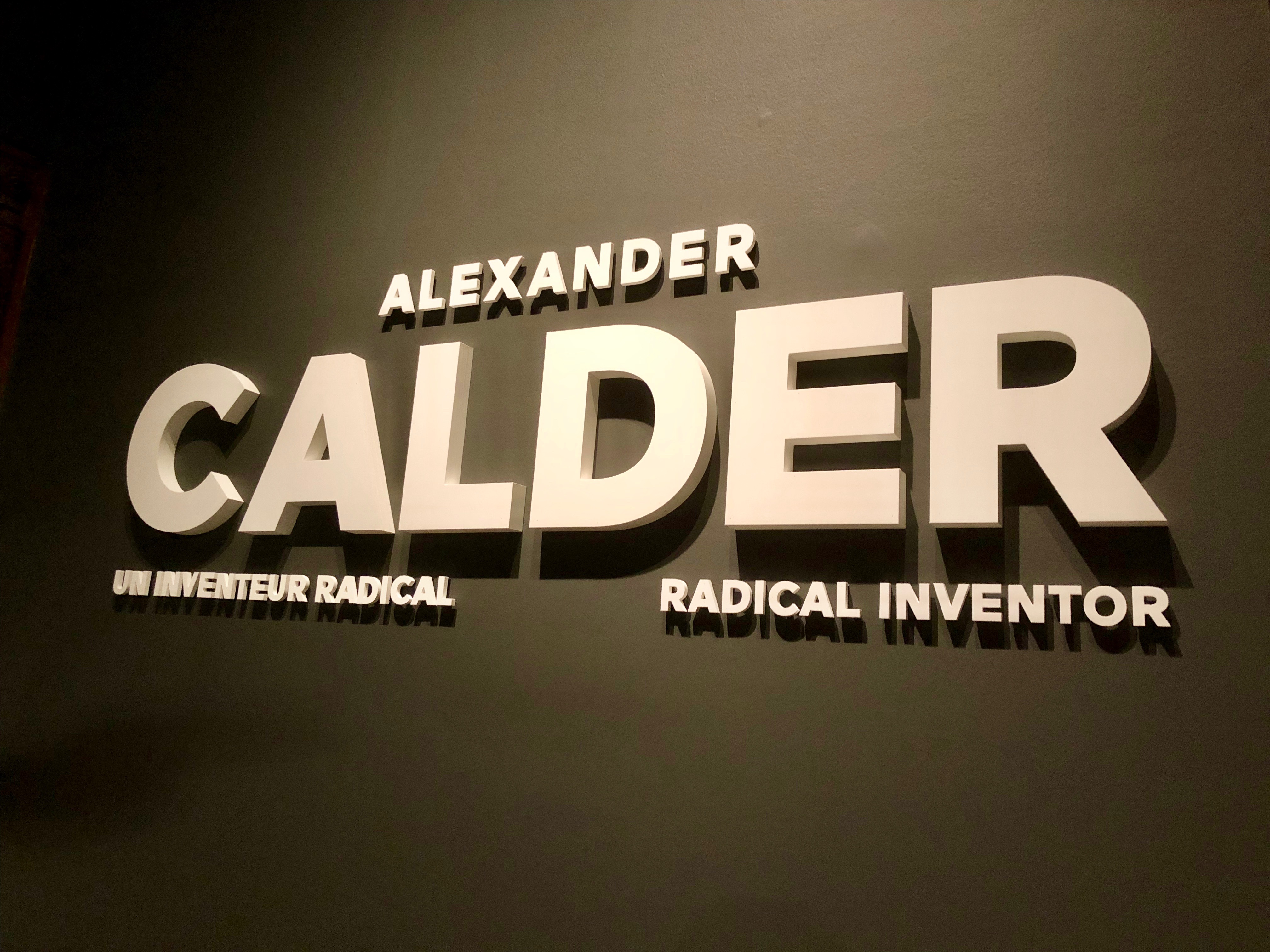
Calder

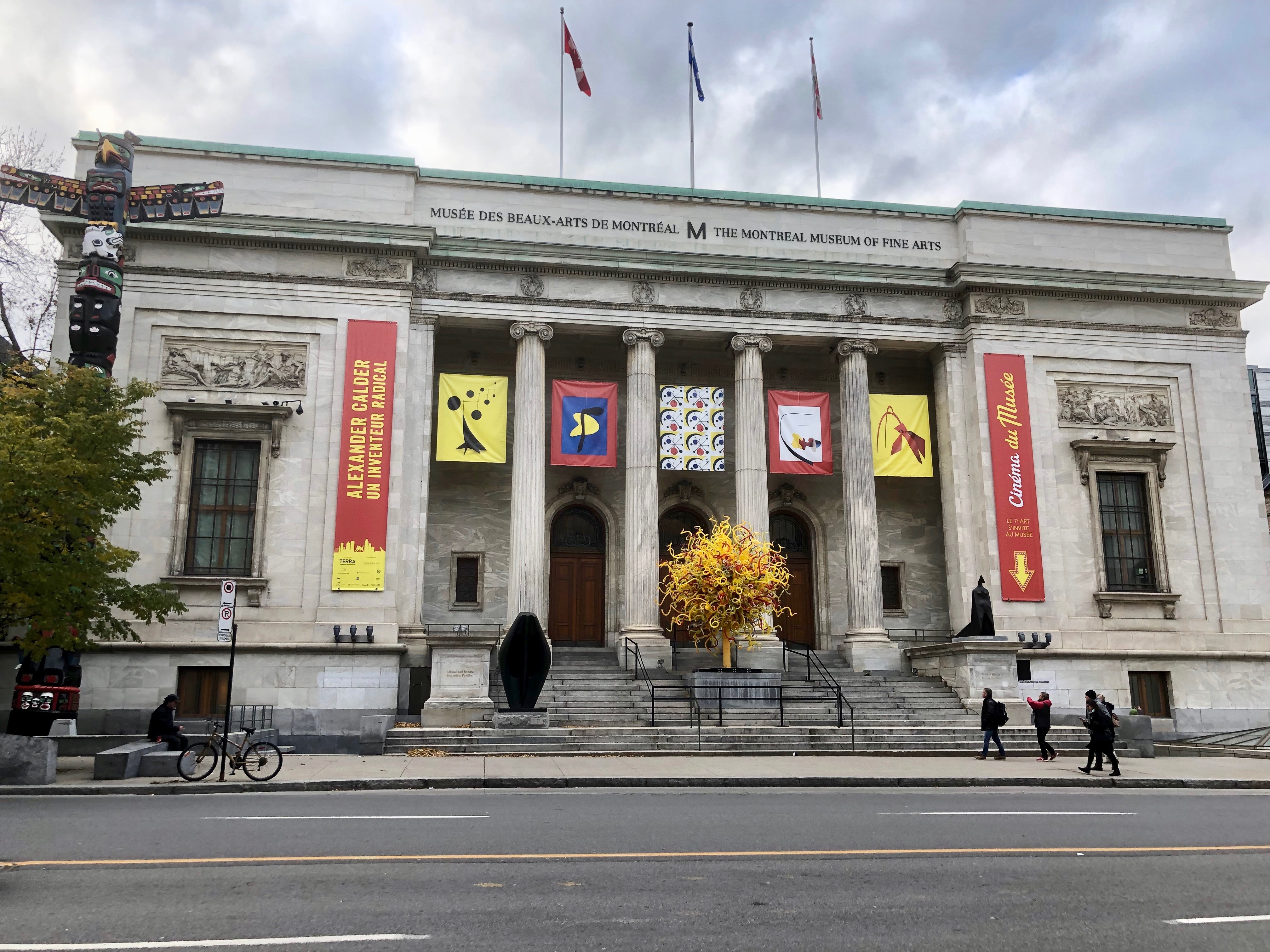
Alexander Calder : un inventeur radicalMercredi nous avons profité d’un rendez-vous en ville pour aller visiter l’exposition Alexander Calder : un inventeur radical au Musée des Beaux-arts de Montréal. Cette retrospective des oeuvres de l’artiste Américain, qui se tient au MBAM du 21 septembre 2018 au 24 février 2019, offre 150 œuvres et documents qui représentent bien les différentes périodes de cet artiste multidisciplinaire. Comme d’habitude, je vous offre ici quelques memento de ma visite…

[ Translate ]

Continuez la lecture après le saut de page >>

Continue reading

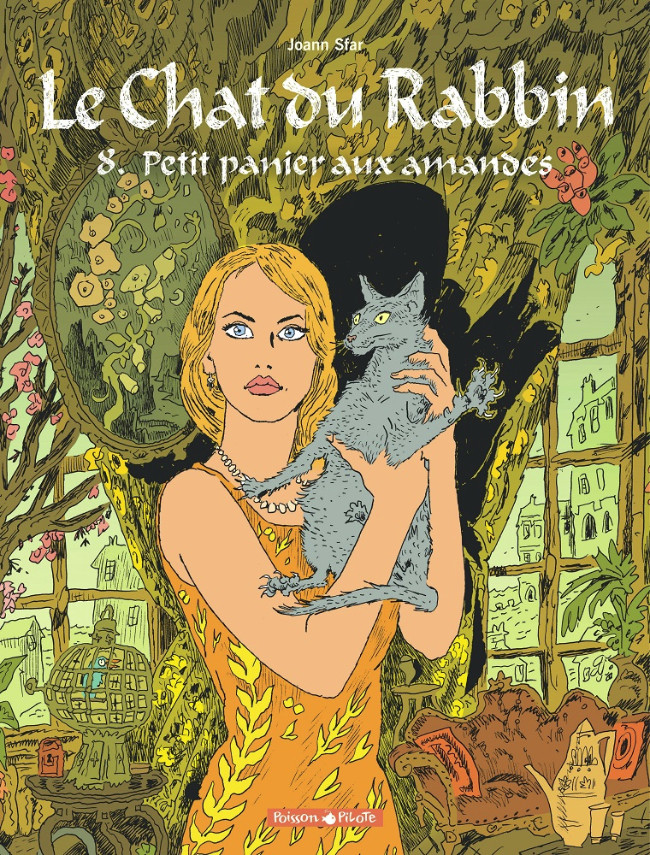
Le Chat du Rabbin 8. Petit Panier aux amandes

ChatDuRabbin08-cov“Ils s’aiment. Lui est juif, elle est catholique. Ils vivent à Alger, et un jour, le Rabbin voit arriver cette jeune femme qui, pour mieux s’intégrer et faire plaisir à son futur époux, veut se convertir au judaïsme. La stupeur le dispute à l’incompréhension : pourquoi vouloir embrasser une foi si compliquée, si irrationnelle, si pénible ? Le Chat et Zlabya sont tous d’accord pour la dissuader, et vont trouver en Knidelette une alliée inattendue…”

[Texte du site de l’éditeur; voir aussi la couverture arrière]

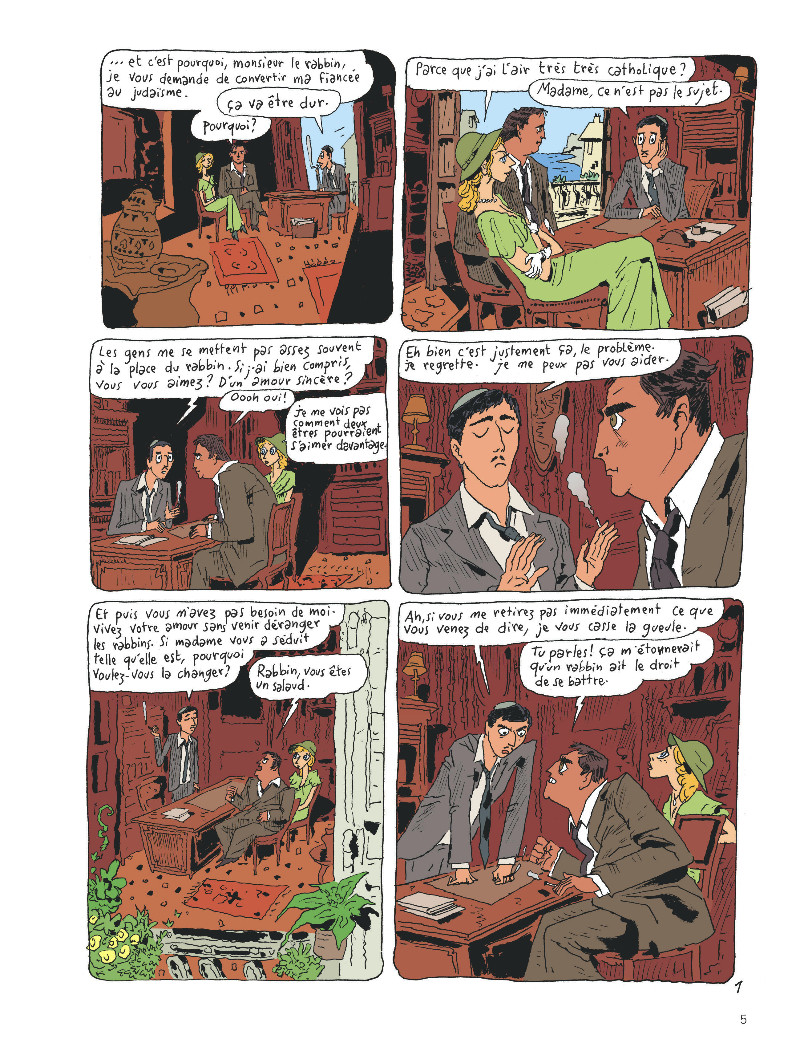
ChatDuRabbin08p05Roger est fiancé à Aline, qui désir se convertir au judaïsme pour adopter le mode de vie de celui qu’elle aime et pour préserver l’harmonie de sa famille. Ils demandent au jeune rabbin de la convertir, mais celui-ci refuse! Lui, il est né juif et n’a donc pas le choix: tout son imaginaire baigne dedans, mais il conçoit mal qu’un être équilibré ait spontanément envie de s’infliger une religion aussi contraignante. Alors Roger va voir le vieux rabbin, qui propose que sa fille Zlabya (la femme du jeune rabbin et maîtresse du chat!) enseigne les coutumes juives à Aline. “Le plus important“, dit-il, “le centre de la vie juive, ce n’est pas la synagogue, c’est la table familiale.”

Étrangement, Aline semble prendre plus à coeur tout ces commandements et rituels que Roger, aussi absurdes qu’ils soient. Ce dernier a d’ailleurs un doute et, peut-être qu’il ne veut pas trop se faire rappeler sa propre religion, alors il regarde du côté de Knidelette… Et Aline, pendant qu’elle se préoccupe de tout ces rituels, elle ne pense à rien d’autre…

Je n’aime vraiment pas le style “ondulé” et brouillon de Sfar. Cette fois-ci, on dirait même que le lettrage des bulles a été fait au stylo à bille par la main de l’auteur! Toutefois, il faut aller au-delà de cette première impression et se laisser emporter par la profondeur de son récit qui, à travers son humour et ses planches à six cases, nous fait se questionner sur la nature de la religion et tout particulièrement le judaïsme (évidemment). Ici le chat qui parle n’est plus l’instigateur du récit mais plutôt un simple observateur… Une histoire qui nous faire rire ou sourire, réfléchir et apprécier la différence d’une culture complexe et millénaire.

Vous trouverez cela génial si, comme moi, vous aimez à la fois les chats et la métaphysique! Je recommande chaudement.

Le chat du rabbin, 8: Petit panier aux amandes par Joann Sfar. Paris: Dargaud (Coll. Poisson Pilote), septembre 2018. 60 pages. 22.5 x 29.8 cm, 14,00 € / $24.95 Can, ISBN 978-2205-07835-0. Pour lectorat adolescent (12 ans et plus). stars-3-5

Vous trouverez plus d’information sur les sites suivants:

[ AmazonBAnQBiblio MtlGoodreadsWikipediaWorldCat ]

© Dargaud 2018.

Voir aussi mes commentaires sur les volumes précédents:

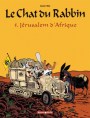
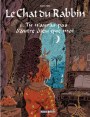
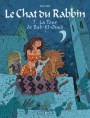
chat-rabbin-tome-1-bar-mitsva  chat-rabbin-2-malka-lions  chat-rabbin-3-exode  chat-rabbin-4-paradis-terrestre  chat-rabbin-5-jerusalem-d-afrique  chat_du_rabbin_6-cov chat_du_rabbin-v7-cov.jpg

[ Translate ]

Capsules

SDL: La Philosophie-Fiction

entete-communique-02-300x148

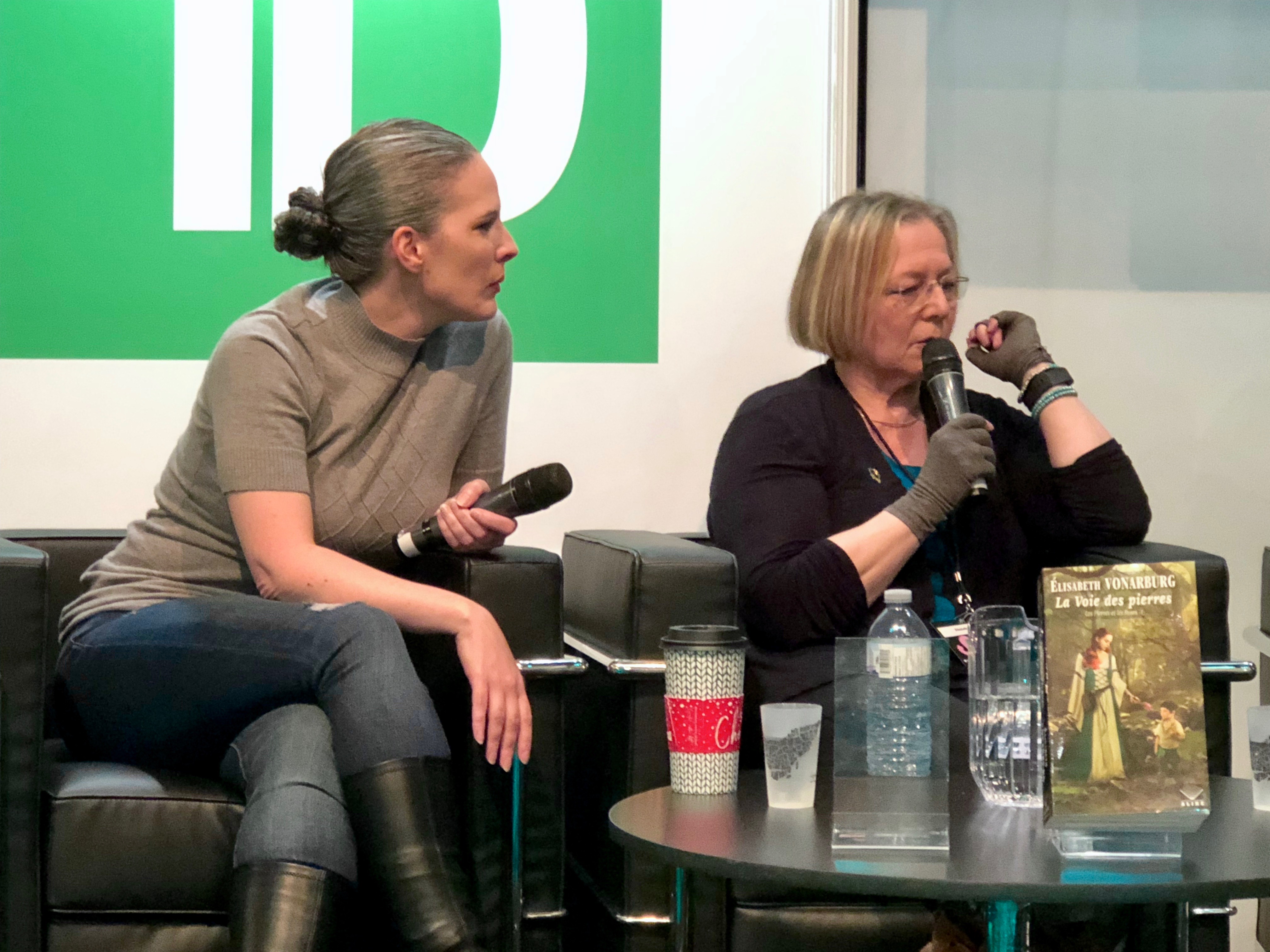
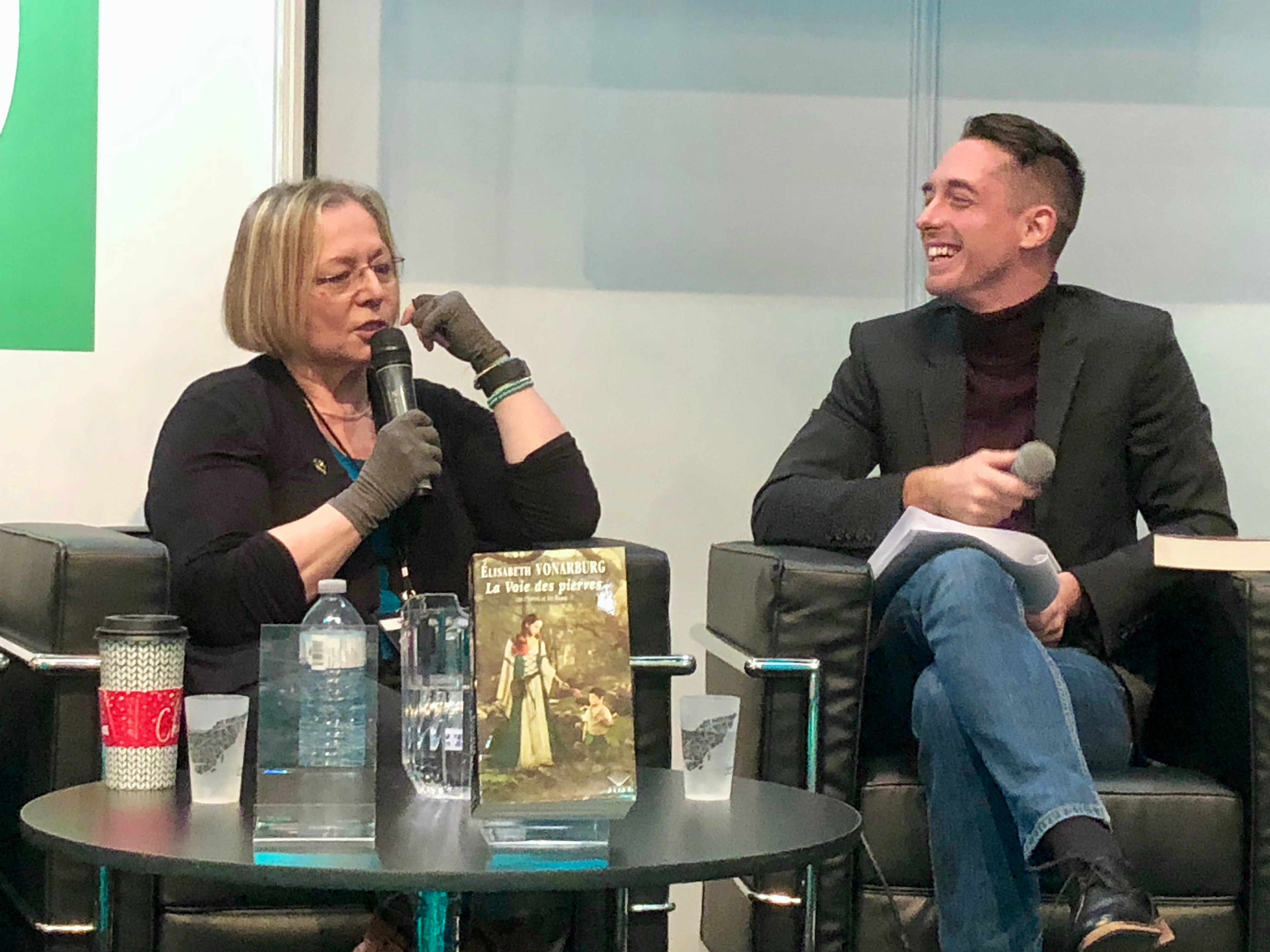
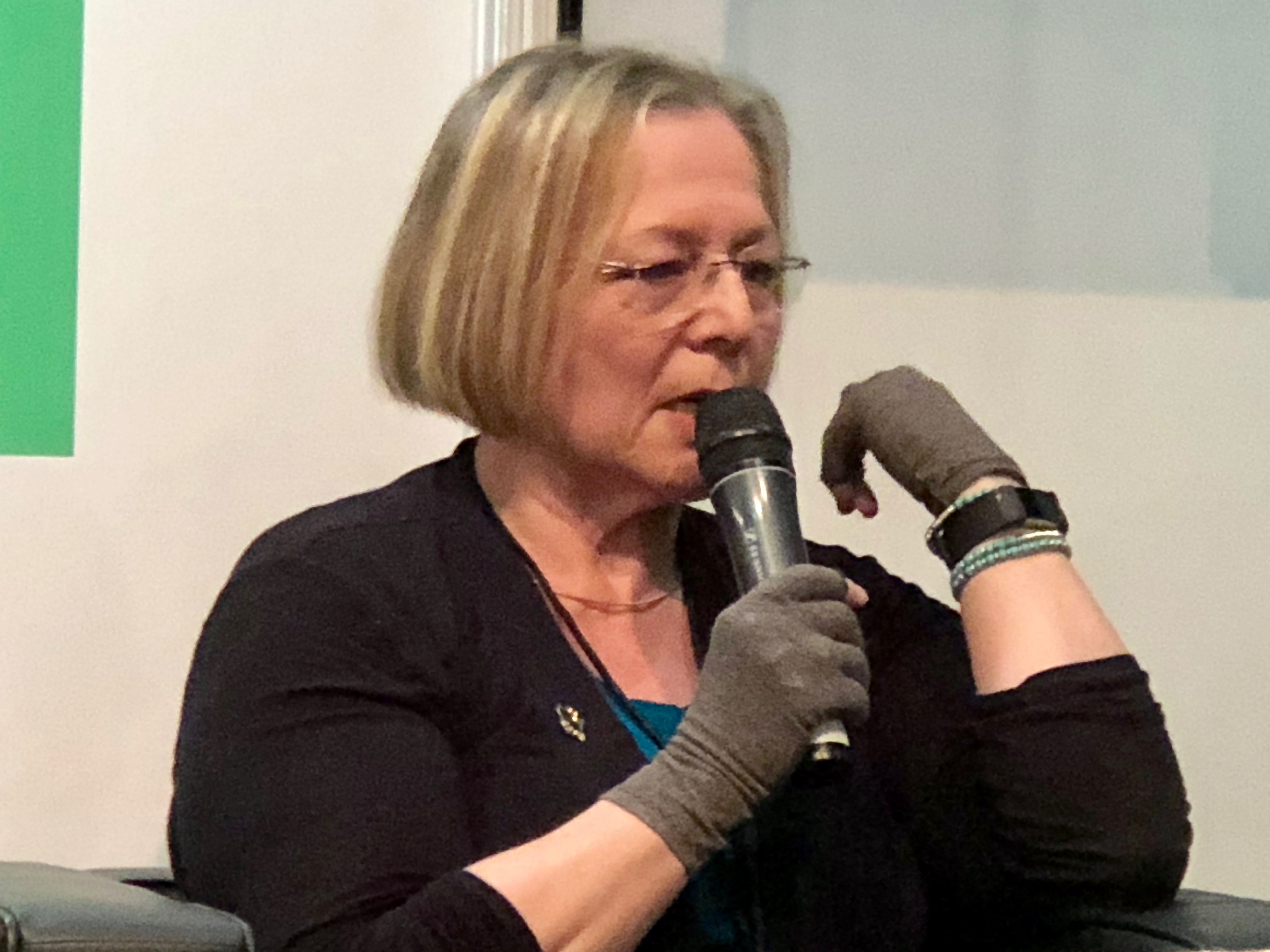
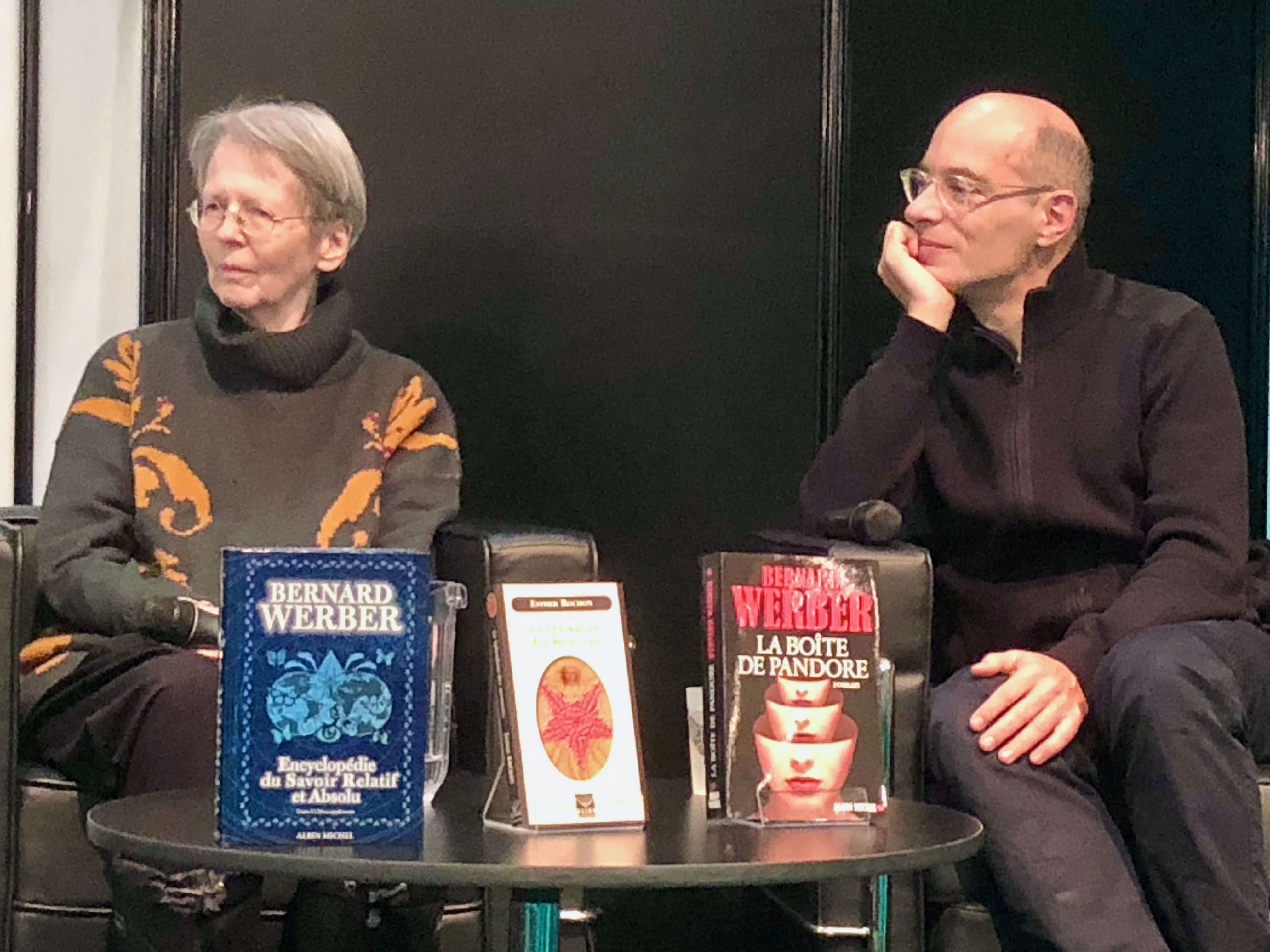
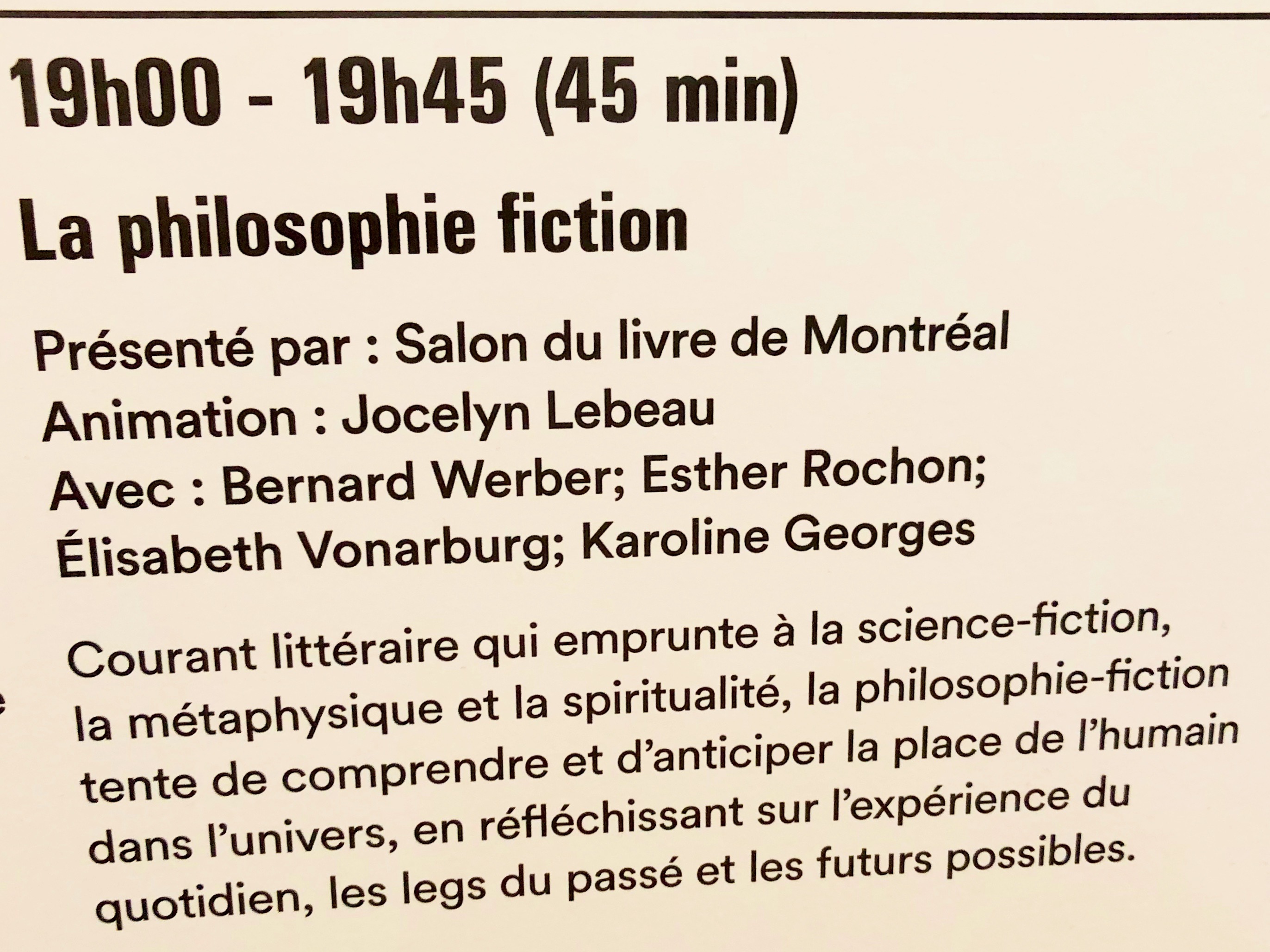
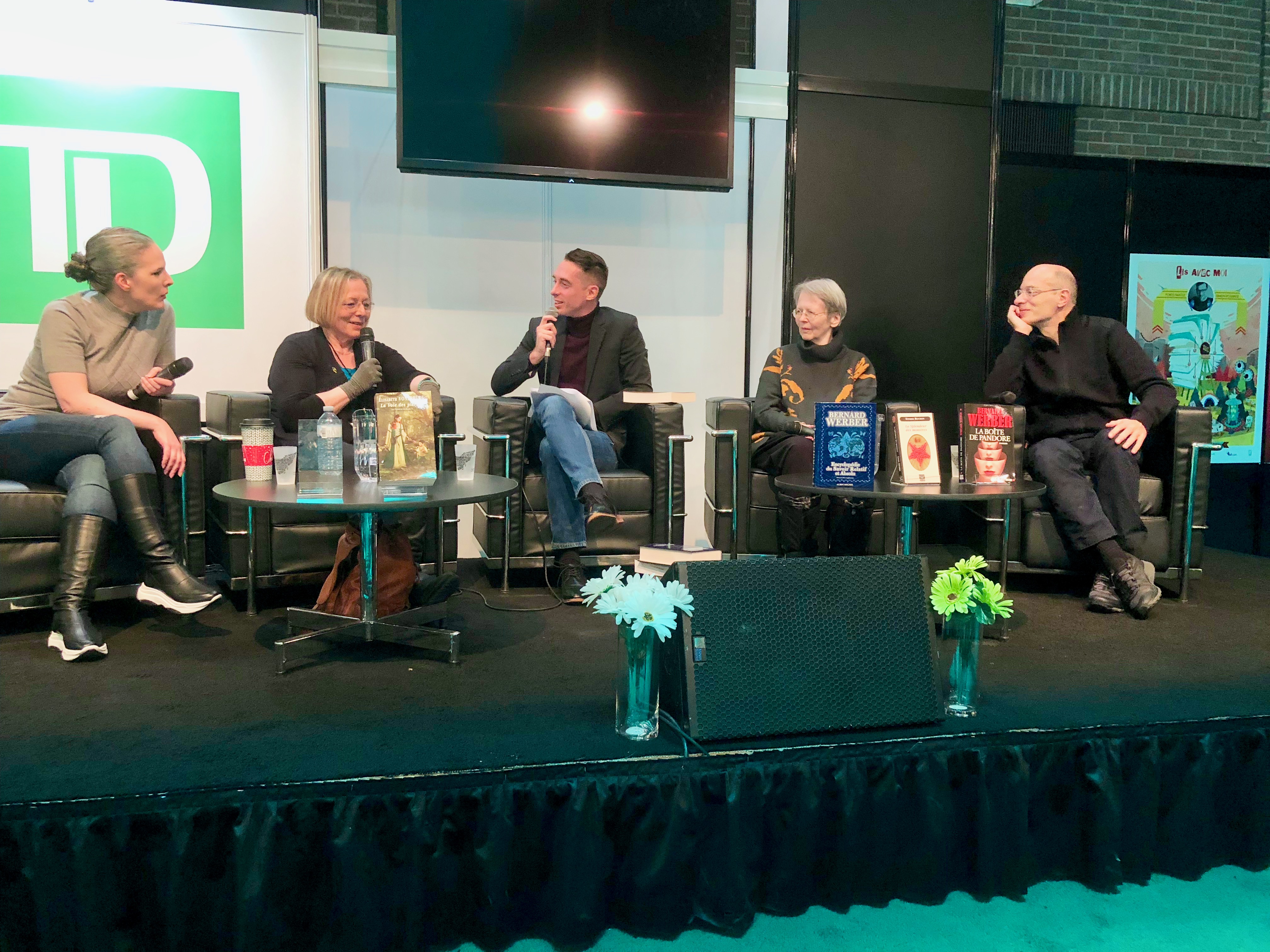
Voici une vidéo qui offre des extraits de la conférence sur la “Philosophie fiction” présenté sur l’Espace TD du Salon du Livre de Montréal le mercredi 14 novembre 2018 à 19h00 — voir mon billet “SDL: Jour 1, mercredi”. Animée par Jocelyn Lebeau, les participants incluaient Elisabeth Vonarburg, Esther Rochon, Bernard Werber et Karoline Georges. Dans cet extrait il manque les quinze première minutes ainsi que toutes les interventions de Mme Georges (retirées à sa demande)… mais cela reste une très intéressante discussion qu’il valait la peine de partager, je crois.

(Mise à jour: 2018/12/03)

J’ai retiré la video de la conférence à la demande de Karoline Georges qui affirme ne pas avoir donné son consentement pour être filmé ainsi que pour la diffusion de la conférence.  Toutefois aucun consentement de la sorte n’est requis pour filmer et diffuser un événement publique, qui se déroule sur un lieu publique. J’ai vérifié ce point légal avec un ami avocat qui pratique le droit intellectuel international dans une firme importante et qui l’enseigne dans une université américaine. J’ai cependant retiré la video pour le moment par courtoisie.

Je trouve cela très dommage car cette table-ronde offrait une discussion très intéressant et que ce n’est pas tout les jours que des auteurs de science-fiction québécoise ont la chance de débattre ce genre de sujet sur une scène du salon du livre.

Je reste très pantois sur la position de Karoline Georges. Un auteur se présente au salon du livre pour faire la promotion de sa personne et de ses livres. Il est dans son intérêt de rejoindre le plus de personnes possible, chacun étant un lecteur potentiel. Lorsqu’un bibliophile (promoteur de la SFQ de longue date) assiste à une conférence publique (sur un lieu publique), l’enregistre et veut la partager parce qu’il trouve ça bon et intéressant, n’est-ce pas dans l’intérêt de l’auteur qu’elle soit diffusée? Si une personne ne veut pas être vue, elle n’a qu’à NE PAS monter sur une scène publique et prendre la parole! Beaucoup d’auteurs n’ont pas la chance d’avoir une telle tribune. Je ne comprends simplement pas.

Ce sera quoi la prochaine fois? Demander qu’on retire un commentaire de lecture parce qu’on aime pas la critique? Vous en pensez quoi, mes chers lecteurs?

Je serais particulièrement intéressé à lire ce que mes collègues du milieu SFQ en pensent… N’hésitez pas à commenter sur ce billet ou sur le fil Facebook

(mise à jour : 2018/11/20)

[ Translate ]

SDL : Jour 2, samedi

entete-communique-02-300x148.jpg

Après une première visite le mercredi, je suis retourné au salon du livre samedi (après le travail à la bibliothèque). Là, il y avait vraiment foule, quoique l’habituel embouteillage de bibliophiles s’est calmé en fin d’après-midi. Je n’ai pas refait le tour mais je suis plutôt aller revoir des représentants de distributeurs. J’ai mis la main sur au moins un service de presse que je commenterai dans les prochaines semaines.

J’avais l’intention de faire quelques micro-entrevues (deux ou trois minutes chacune) avec des auteurs mais l’ambiance sonore du salon était trop bruyante pour ce genre d’exercice et je manquais de temps. Je vais plutôt essayer de contacter des auteurs cette semaine et faire des entrevues autrement qu’au salon. Je les mettrai en ligne sur le blogue au fur et à mesure qu’elles sont disponibles…

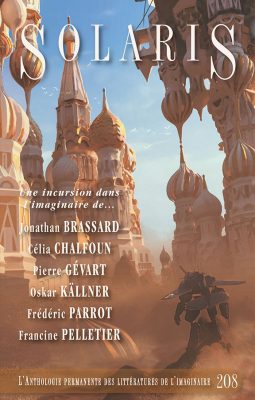
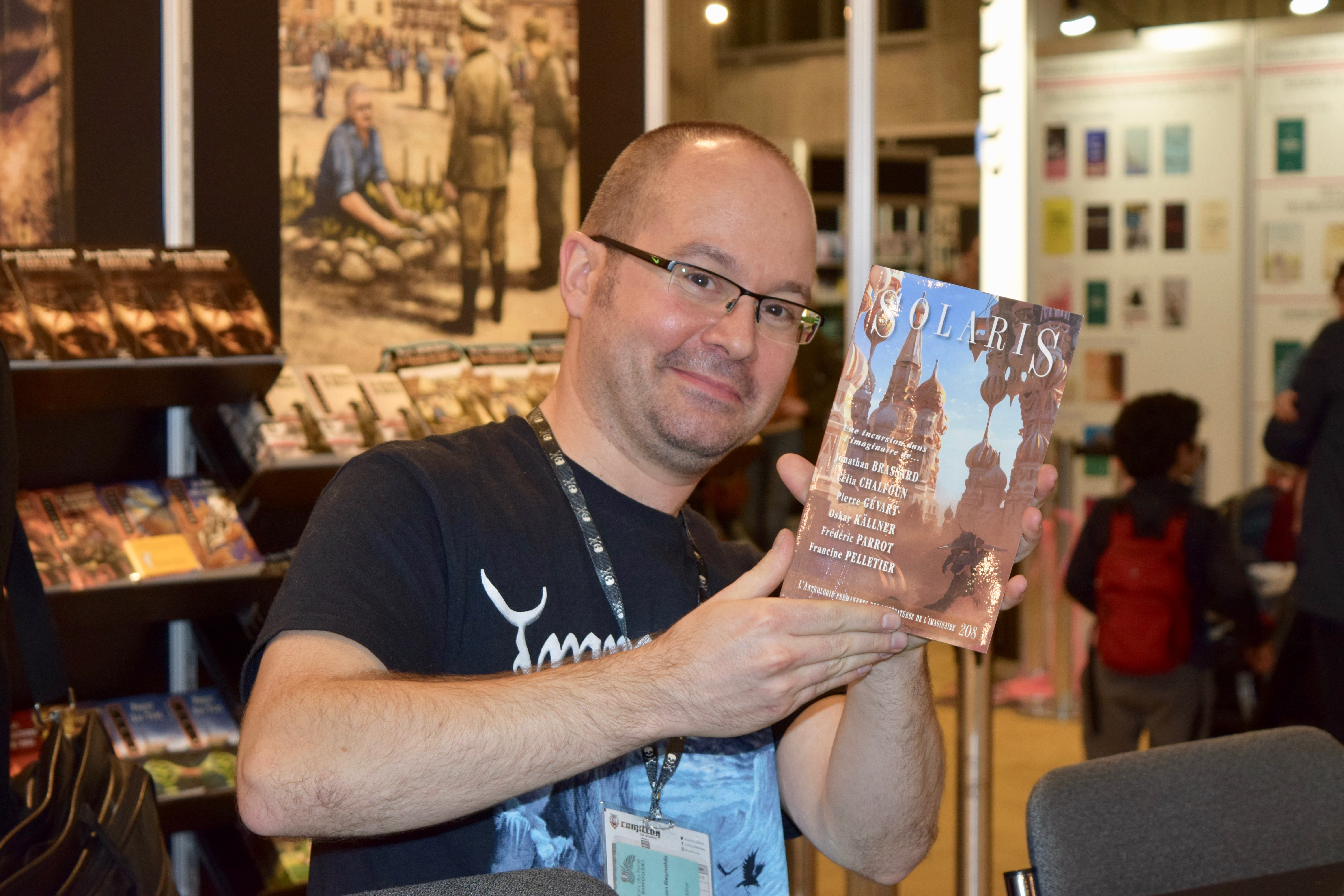
Solaris208-255x400L’objectif principal de ma visite était le lancement du #208 de la revue Solaris, au kiosque d’Alire. C’était très informel (pas de discours mais on a tout de même servi un p’tit rouge) et cela m’a permis de discuter avec plusieurs auteurs et de me mettre à jour avec le travail de quelques amis. J’en ai profité pour faire signer mon exemplaire par les auteurs présents. 

Le point fort de ce numéro d’automne c’est, comme d’habitude, ses fictions qui sont au nombre de six: Leçon d’histoire par Frédéric Parrot, Oeil de plastique par Pierre Gévart, La Véritable Histoire du mystérieux toaster spatial par Francine Pelletier, Prochaine Station par Jonathan Brassard, Autour d’elle par Célia Chalfoun et Yi par Oskar Källner. On y retrouve également un incontournable Carnets du Futurible sur les Échecs féeriques par Mario Tessier et de nombreux commentaires de lectures. Vous pouvez consulter en ligne le sommaire de ce numéro et même en feuilleter un extrait.  Je commenterai ce numéro de Solaris (et d’autres) dans un futur proche.

Voici quelques photos de l’événement:

Il reste encore quelques jours au salon et, si ce n’est pas déjà fait, je vous enjoins à aller y faire un tour. Cela vaut vraiment la peine (si vous êtes bibliophile, j’entends).

Bonne nouvelle, le salon grandit tellement que j’ai entendu dire qu’il se tiendra l’an prochain au Palais des Congrès!

[ Translate ]

slm-2018-facebook

SDL: Jour 1, mercredi

SDL2018

SDL-2018

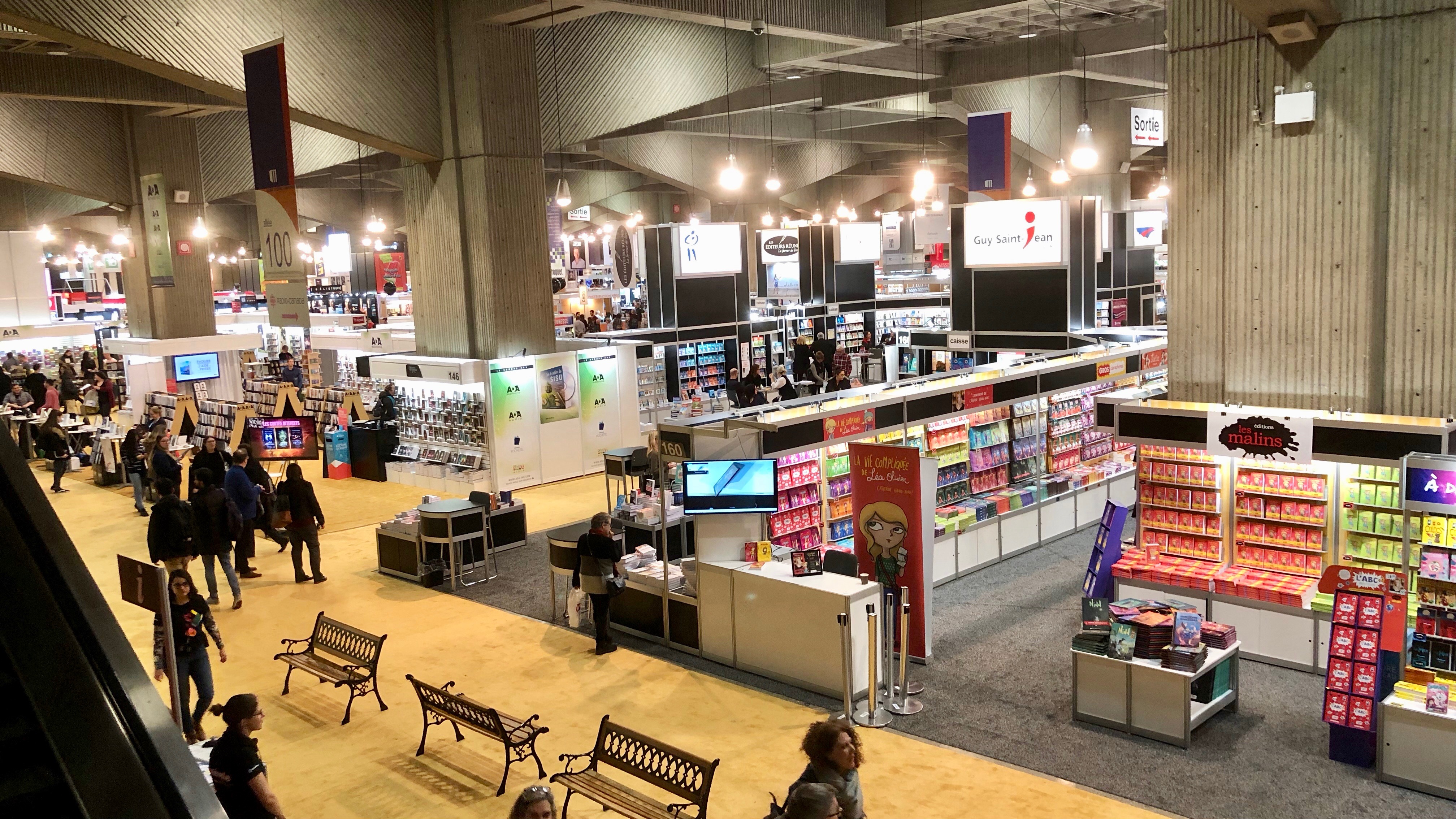
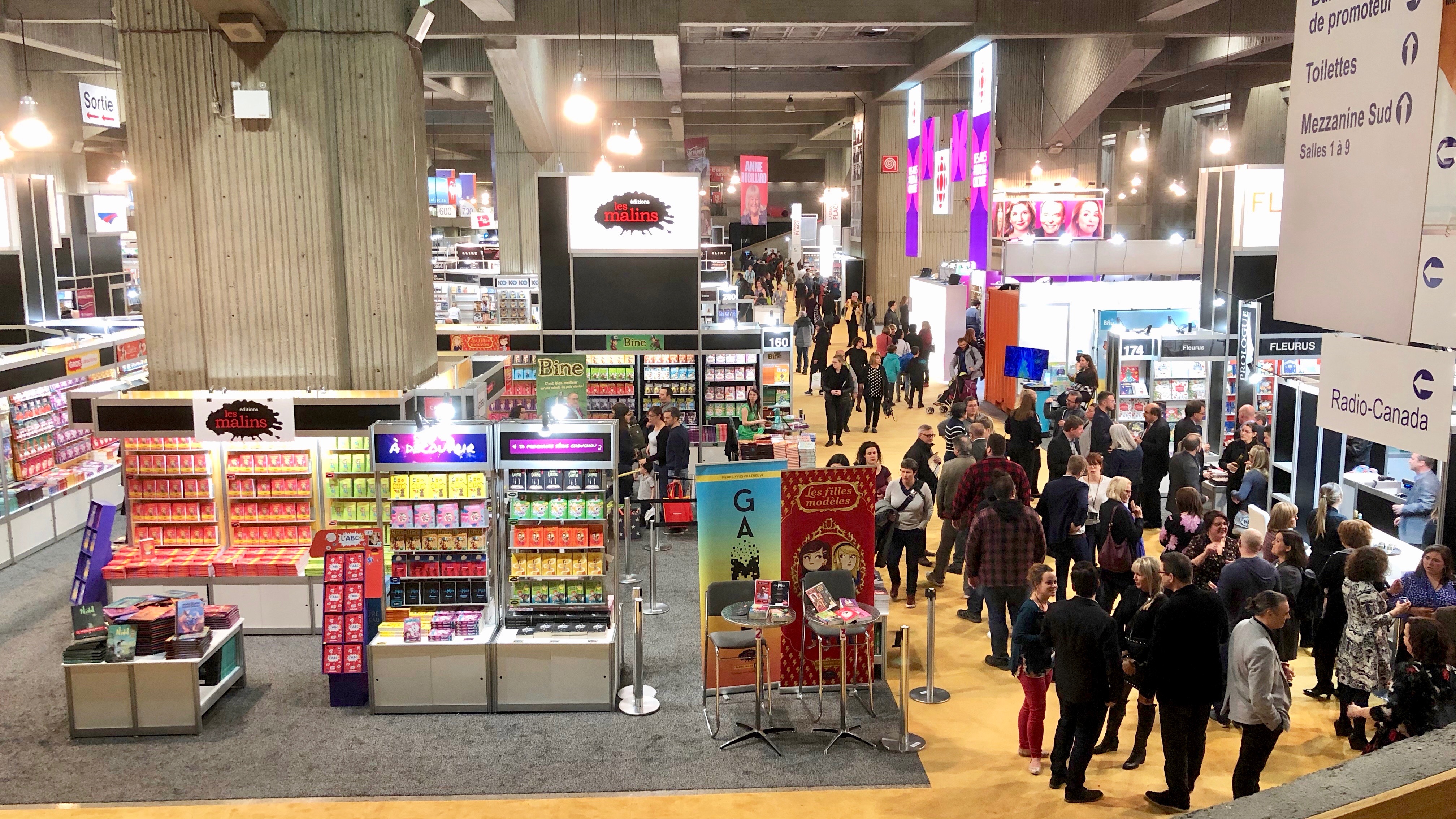
Mercredi, 14 novembre, le salon du livre (SDL) était ouvert gratuitement au grand public. Tel que promis, j’y étais. J’avais peur qu’il y ait une foule monstre mais finalement il n’y avait pas tant de monde que ça. La journée des bibliothèques (où l’on peut entrer gratuitement avec une carte de membre des bibliothèques de Montréal ou de la BAnQ) est maintenant le jeudi! Il est clair que le salon fait de grands efforts pour être accessible à un plus grand public.

Cette année, les invités d’honneur sont Joséphine Bacon, Samuel Champagne, Martine Devaux, Marianne Ferrer, Dany Laferrière, Heather O’Neill, Alain Vadeboncoeur et Bernard Werber. On note quelques innovations dont une zone SDL ADO (c’est tout un engagement de tenter de dynamiser les visites des adolescents au salon. Bonne chance!) et une présence accrue d’éditeurs et d’écrivains anglophones, entre autre avec la présence de l’Association of English Language Publishers of Quebec et la Quebec Writer’s Federation, ainsi que des librairies anglophones (Drawn & Quarterly et Paragraphe).

IMG_3895Comme à mon habitude, j’en ai fait le tour dans tout les sens, afin de prendre le pouls de l’édition cette année. Mais il y a tellement de chose à voir (des BD, des romans, des tonnes de documentaires, des livres pour enfants, des livres audio, et j’en passe) que s’en est accablant. La tête me tourne juste à y penser…

Je note d’abord l’absence du cahier-guide habituel qui a été remplacé cette année par une charmante carte beaucoup plus pratique et, surtout, écologique. On a pas vraiment besoin des articles qu’offrait auparavant le cahier. C’était la carte qui était le plus utile. Bon choix.

Chrysanthe1GFCette année, je n’ai rien vu dans les nouveautés qui ait particulièrement éveillé mon désir. Un livre m’a intrigué: Shinrin Yoku; Les bains de forêt, le secret de santé naturelle des Japonais par Pr. Yoshifumi Miyazaki [Biblio-Mtl]. Et il y a bien sûr les plus récentes parutions chez Alire: Les Pierres et les Roses 2: La voie des roses et Les Pierres et les Roses 3: La Balance et le Sablier par Élisabeth Vonarburg, Radio Vérité: la radio du vrai monde par Jean-Jacques Pelletier, Neiges Rouges par François Lévesque, Chrysanthe 1: La Princess perdue  par Yves Meynard, et Les Traitres du Camp 133 par Wayne Arthurson. Ne manquez pas de mettre la main sur leur Catalogue 2018-2019!

J’ai profité du salon pour prendre contact auprès des distributeurs de BD et de manga pour quêter quelques services de presse. Je n’ai pas eu recours à des services de presse pour faire des commentaires de lecture depuis très longtemps (pendant plus de vingt ans j’ai écris sur la SF francophone quand je faisais Samizdat et sur les mangas en anglais quand je faisais Protoculture Addicts). Mais je fais ce blogue depuis plus d’une dizaine d’années alors il serait temps que je commente un peu plus de nouveautés… Et pour ça, je vais avoir besoin de recevoir des services de presse. On verra ce que ça donne.

IMG_3900J’ai aussi assisté sur l’Espace TD à une intéressante conférence sur la “Philosophie fiction” avec Karoline Georges, Elisabeth Vonarburg, Esther Rochon et Bernard Werber. Mais n’est-ce justement pas l’attribut de la science-fiction (et des littératures de l’imaginaire) de raconter des histoires qui se déroulent hors de notre quotidien ou de notre réalité pour se questionner sur la nature humaine et ses possibles devenir? Des extraits video de la conférence seront ajouté au blogue dans les jours qui suivent.


Je remarque qu’il n’y toujours pas de présence des bibliothèques de Montréal au SDL (en fait, cette année, je crois que même la BAnQ n’avait aucun kiosque). Cela est très décevant car le SDL est pourtant l’endroit idéal pour rejoindre des lecteurs. Étrangement, beaucoup de citoyens de Montréal ignorent qu’ils ont accès à un vaste réseau de bibliothèques où ils peuvent emprunter gratuitement tout les livres qu’ils désirent (ou presque)!

En fait, plus je fréquente les bibliothèques et plus je me rends comptes que je n’ai plus (et ne ressent plus) le besoin d’acheter des livres, puisque je trouve tout ce que je veux dans les bibliothèques (même les nouveautés — avec un léger délai). Je n’achète donc presque plus de livres — à moins, bien sûr, d’un énorme coup de coeur (ça arrive). Et puis, il faut tout de même en acheter quelques uns pour faire vivre les libraires, les éditeurs et, surtout, les auteurs!

IMG_3898Le SDL est donc à voir absolument. C’est l’endroit idéal pour avoir une vue d’ensemble de l’édition francophone, pour découvrir les dernières nouveautés et pour faire ses emplettes des fêtes!

Moi, j’y retourne samedi pour le lancement du numéro 208 de la revue Solaris (au kiosque d’Alire — le #364). Au plaisir de vous y voir!

[ Translate ]

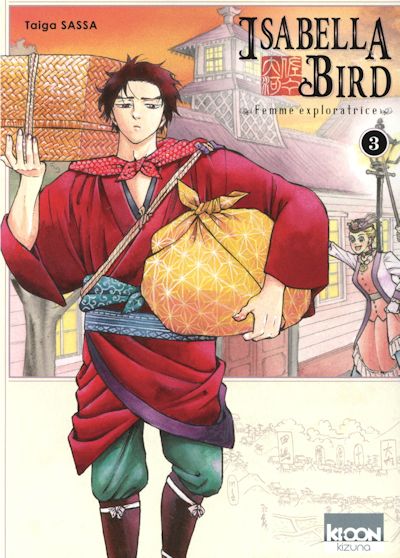
Isabella Bird: Femme Exploratrice, vol. 3

IsabellaBird-v3-cov“Le Japon du XIXe siècle hors des sentiers battus !”

“Pour rejoindre Niigata, première étape de son périple, Isabella Bird a choisi une voie secondaire, rarement empruntée par les voyageurs étrangers. Au fur et à mesure que l’intrépide exploratrice s’enfonce dans la campagne japonaise, l’agitation des grandes villes et la splendeur des sites historiques s’effacent devant la misère du monde rural… Aux divers chocs culturels s’ajoutent des conditions de voyage de plus en plus difficiles, si bien qu’Ito lui-même a du mal à faire face à cet aspect de son pays qu’il ignorait. Mais l’aventurière refuse de se laisser abattre, et c’est sans fléchir qu’elle s’engage sur le dernier tronçon de la route d’Aizu !”

“Lancez-vous à la découverte d’un Japon traditionnel désormais disparu à travers les yeux de l’intrépide Isabella Bird ! Basé sur les écrits réels de l’aventurière, Isabella Bird, femme exploratrice est un récit passionnant sur la rencontre d deux monde; dessiné avec un rare souci du détail par Taiga Sassa, un nouveau talent prometteur !”

[ Texte de la couverture arrière ]

Je continue la lecture de cette série dont j’ai déjà commenté le deux premiers volumes.

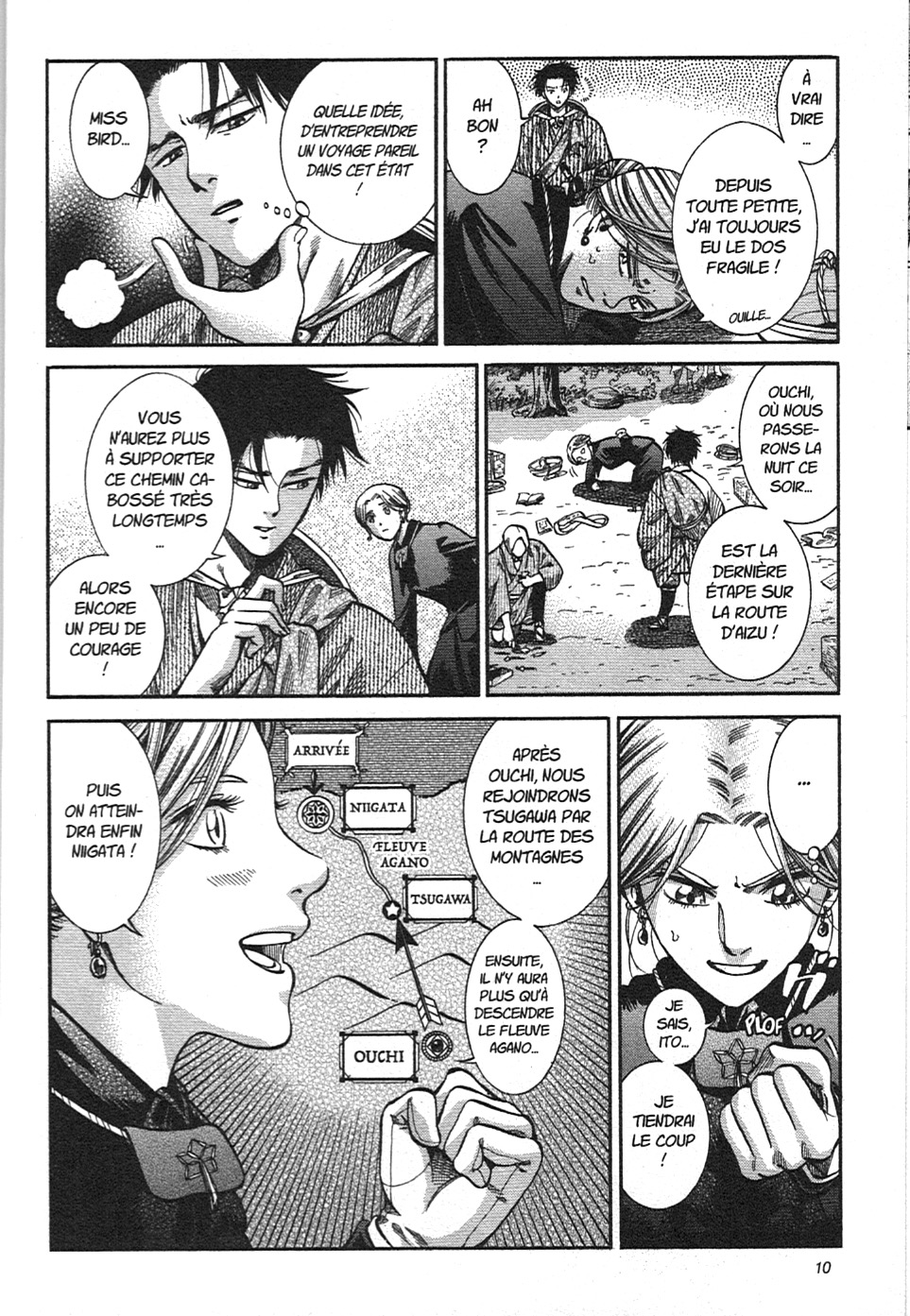
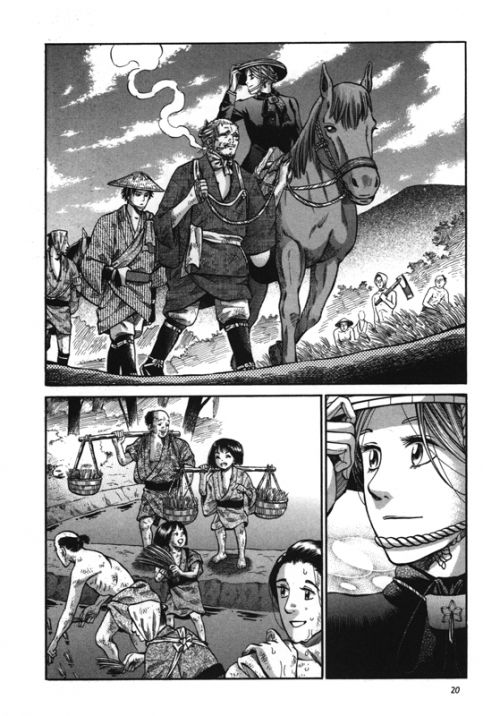
IsabellaBird-v3p010Juin 1878. L’exploratrice britannique Isabella Bird et son guide japonais Tsurukichi Ito continuent leur chemin sur la route d’Aizu en direction de l’île d’Ezo (Hokkaido). La route est difficile et les villages qu’ils rencontrent sont plongés dans une pauvreté si grande qu’elle surprend même Ito. Pourtant les villageois semblent travaillants et déterminés. Le palefrenier engagé pour prendre soin des chevaux leur explique que la région a été dévastée par la guerre de Boshin. L’armée de l’ouest, menée par les clans de Satsuma et de Chōshū, y a écrasé l’armée de l’est. Les paysans ont été enrôlés de force dans l’armée, beaucoup sont morts, les villages ont été pillés et brûlés. Dix ans plus tard la région n’a toujours pas récupéré. 

IsabellaBird-v3p020À Tsugawa (Aga), l’expédition fait des emplettes, Ito se bourre de friandises et prépare un repas gastronomique pour Isabella. Elle en profite pour commenter (à sa soeur, à qui elle écrit) que la gastronomie japonaise, par la propreté des ses instruments, “la parcimonie et la précision de chaque geste, la délicatesse de la présentation, l’incroyable variété des mets, absolument tout, est imprégné d’une beauté particulière”. Le lendemain, ils prennent une barque pour un voyage mouvementé sur le fleuve Agano jusqu’à Niigata, où Isabella passe quelques temps chez les Fyson. 

Pendant ce temps à Tokyo, un botaniste nommé Charles Maries rencontre le consul général Harry Parkes et James Hepburn car il désir poursuivre en justice Isabella parce qu’elle lui aurait volé son guide, Ito, qui était toujours sous contrat avec lui. Maries considère que son travail pour découvrir de nouvelles plantes est beaucoup plus important que les pérégrinations sans conséquences d’une simple voyageuse. Parkes objecte qu’au contraire l’intelligence sur la géographie et les moeurs des habitants de régions reculées fournit par les aventuriers est indispensable au développement de la diplomatie et des échanges commerciaux de l’Empire Britannique! Il lui refuse donc son support.

Isabella Bird est un autre manga historique au récit passionnant et instructif, mais aussi plein d’humour. La fluidité de l’action est assez bonne. Et, si le dessin est loin d’être parfait (parfois les proportions ou les expressions des personnages sont bizarres), il demeure très agréable à l’oeil et surtout bien détaillé pour donner une très bonne expérience de lecture. À travers le récit divertissant des aventures d’Isabella Bird, nous découvrons deux cultures assez opposées: celles de l’Angleterre Victorienne et celle du Japon de la restauration Meiji. C’est un sujet très intéressant et je recommande donc chaudement ce manga.

Isabella Bird, femme exploratrice T03 par Taiga SASSA. Paris: Ki-oon (Coll. Kizuna), avril 2018. 208 pg, , 13 x 18 cm, 7,90 € / $14.95 Can., ISBN 979-10-327-0248-2. Pour lectorat jeune (7+). stars-3-5

Vous trouverez plus d’information sur les sites suivants:

[ AmazonBiblioGoodreadsGoogleWikipediaWorldCat — Youtube ]

© 2016 Taiga Sassa. All Rights reserved.

[ Translate ]

Capsules

Books of Ours

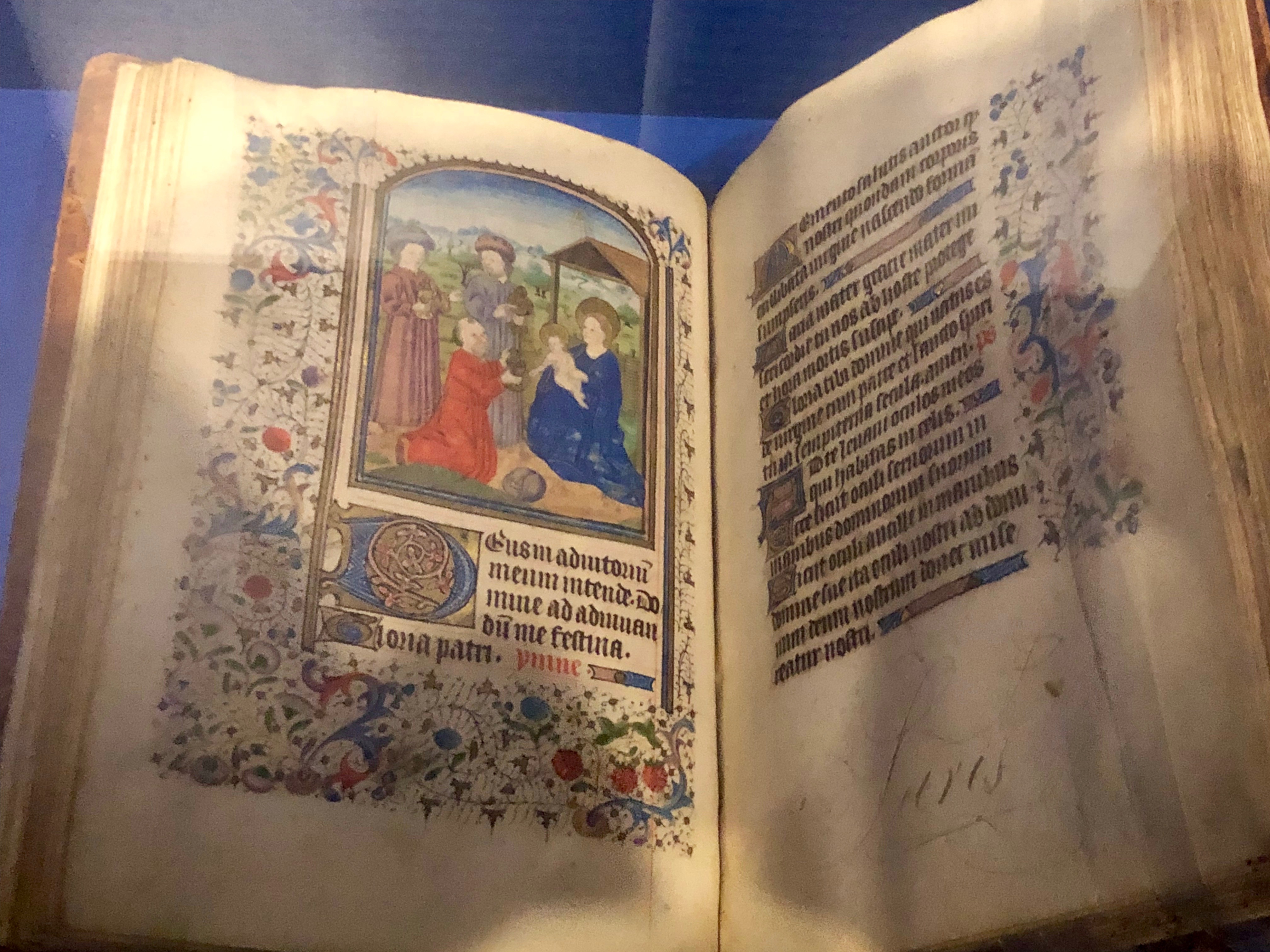
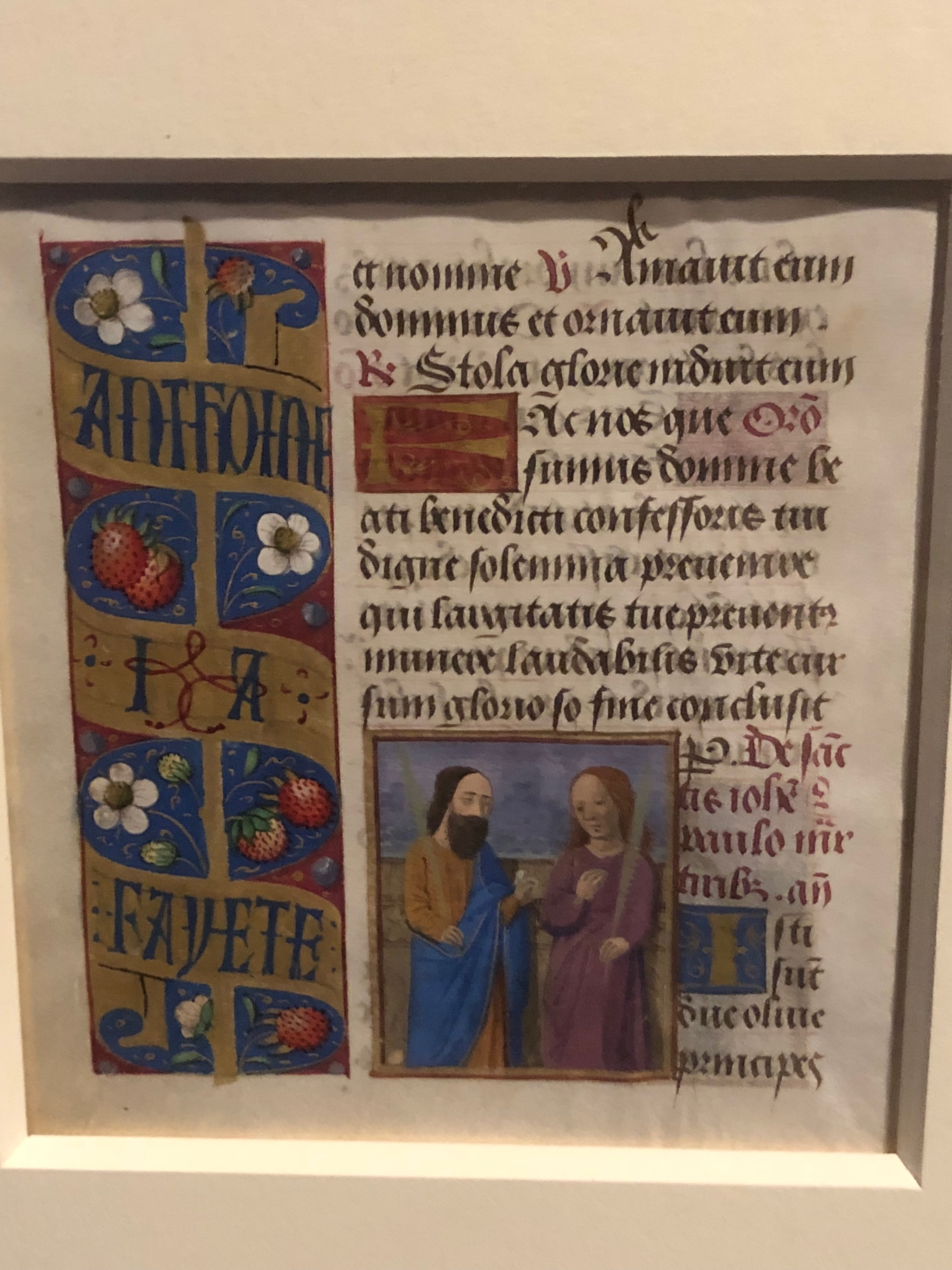
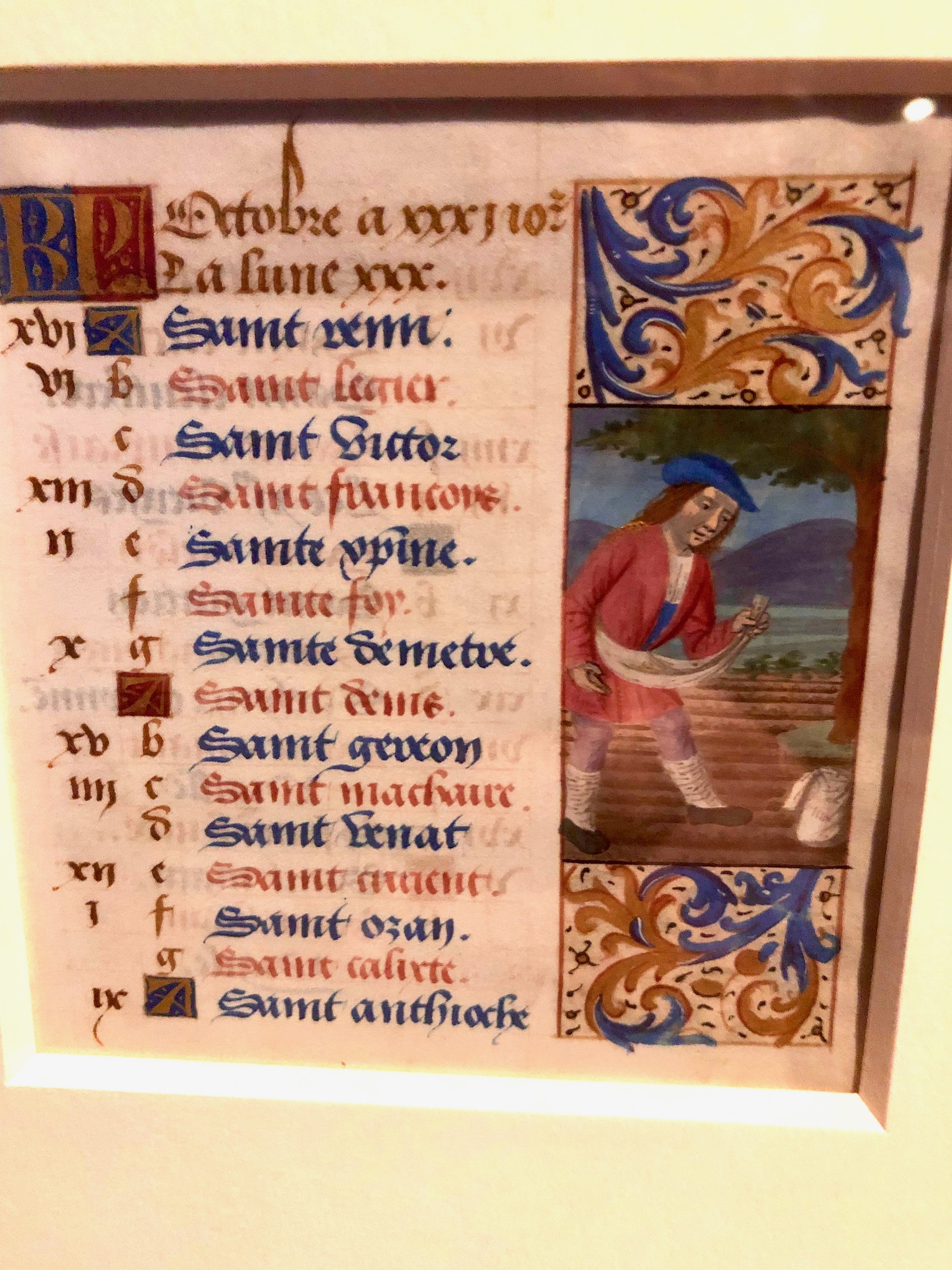
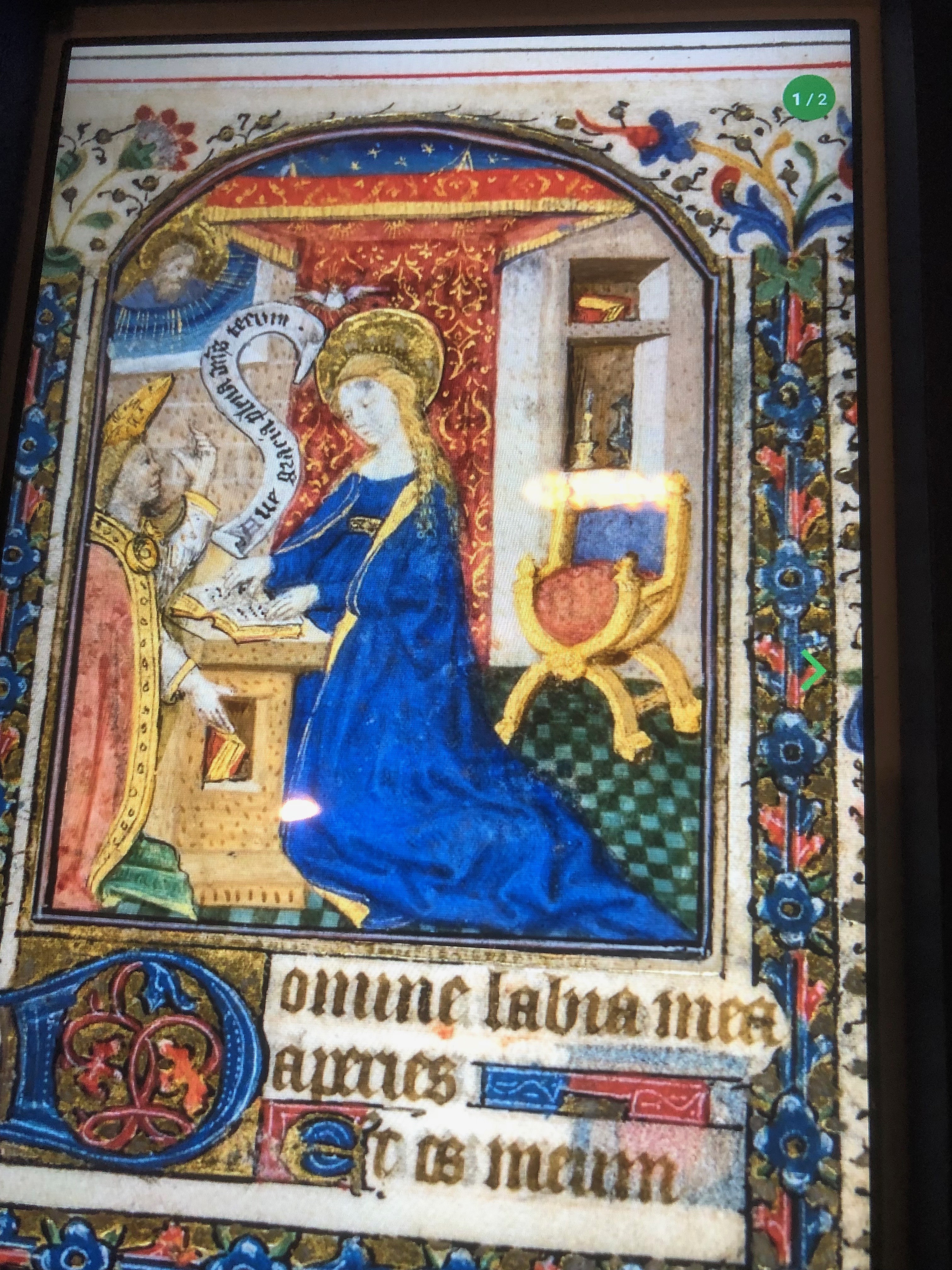
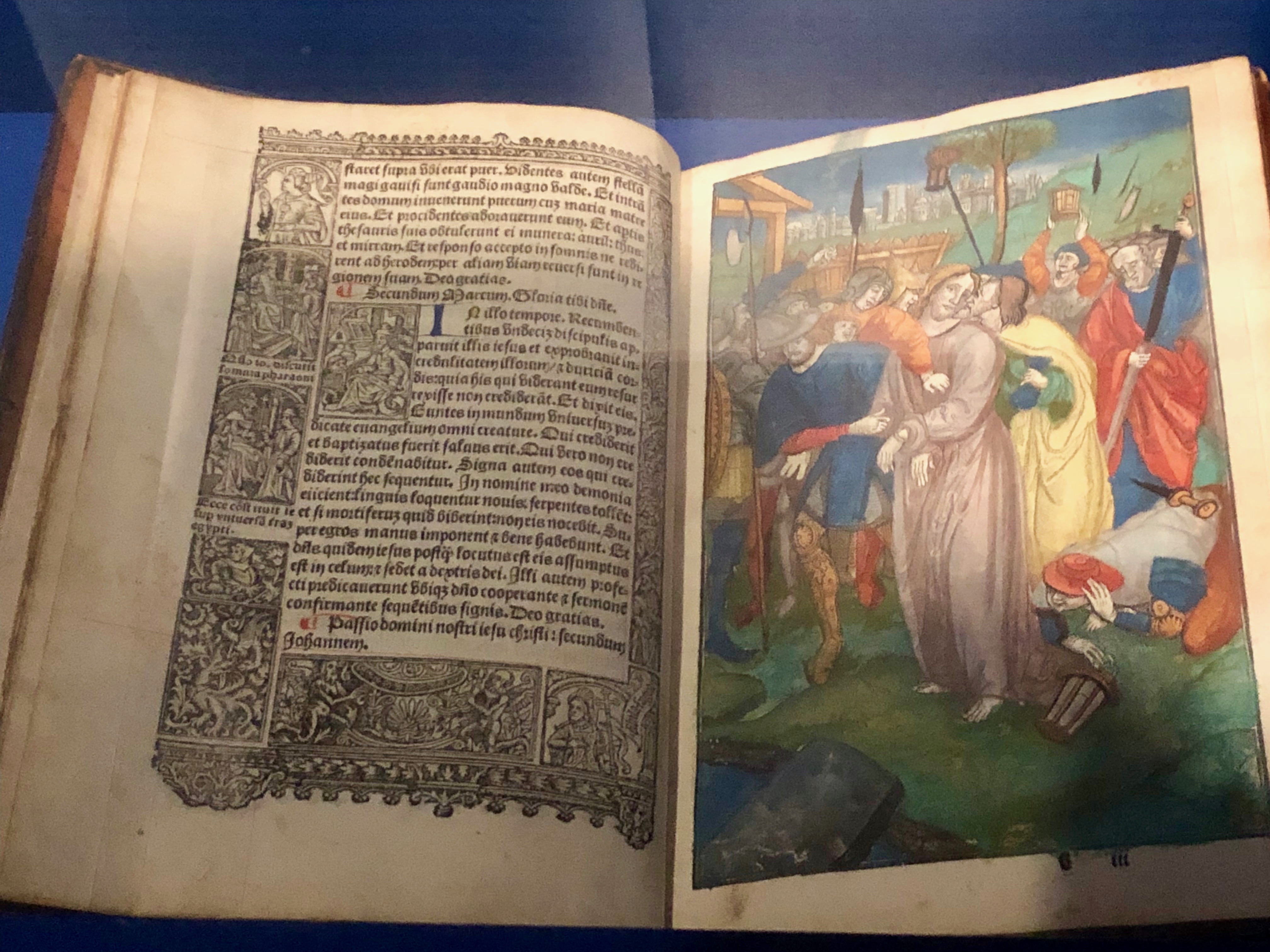
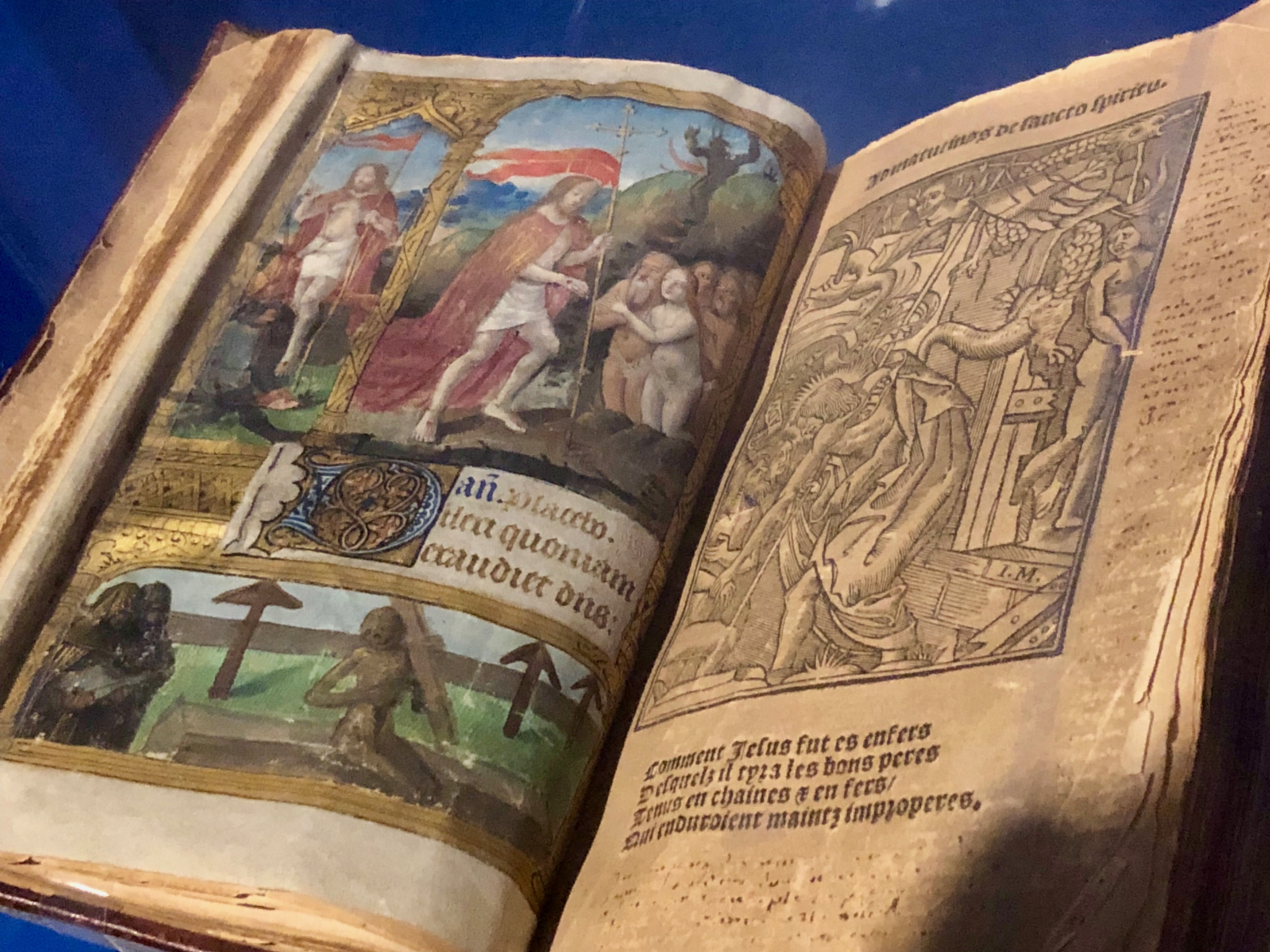
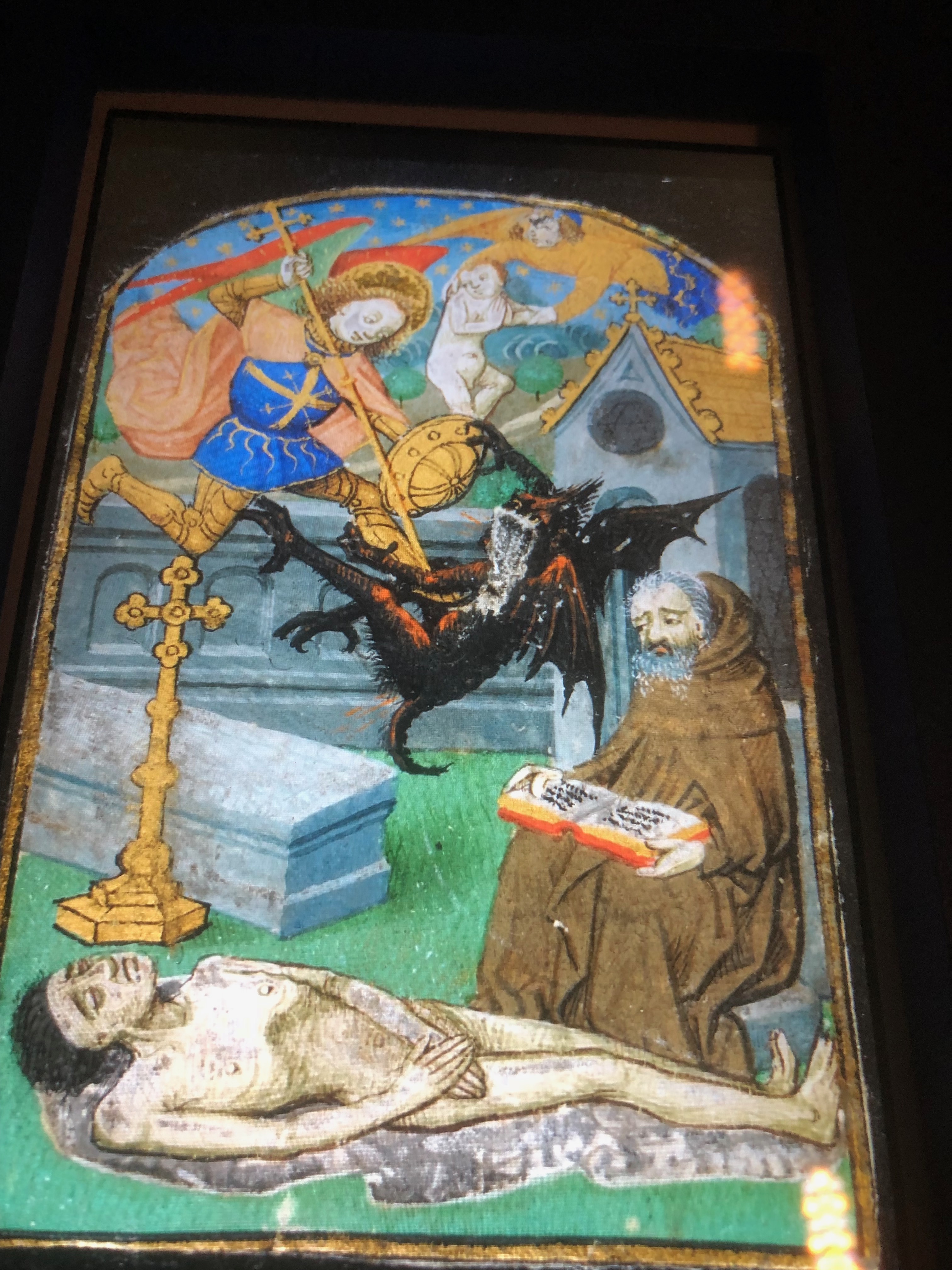
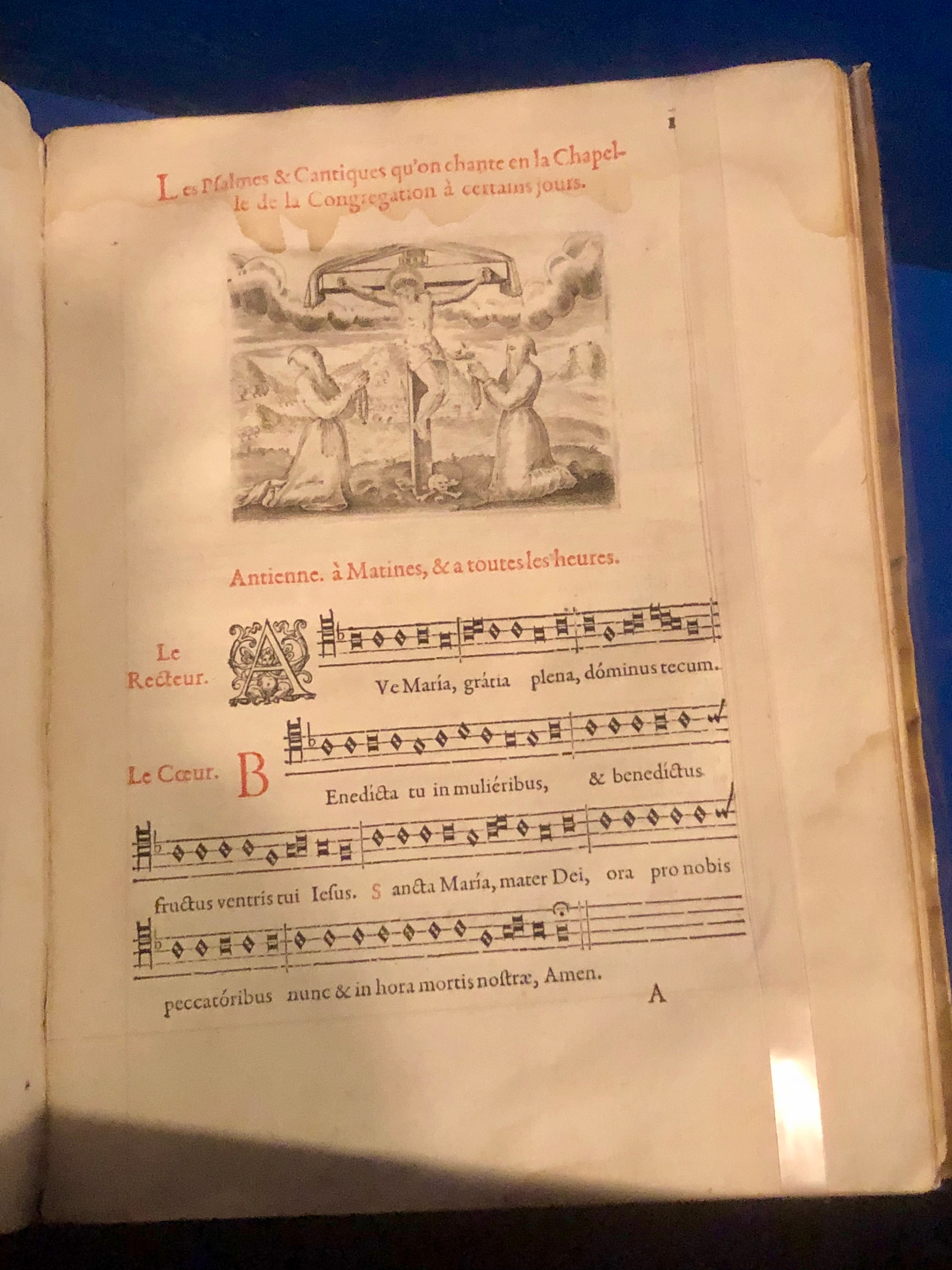
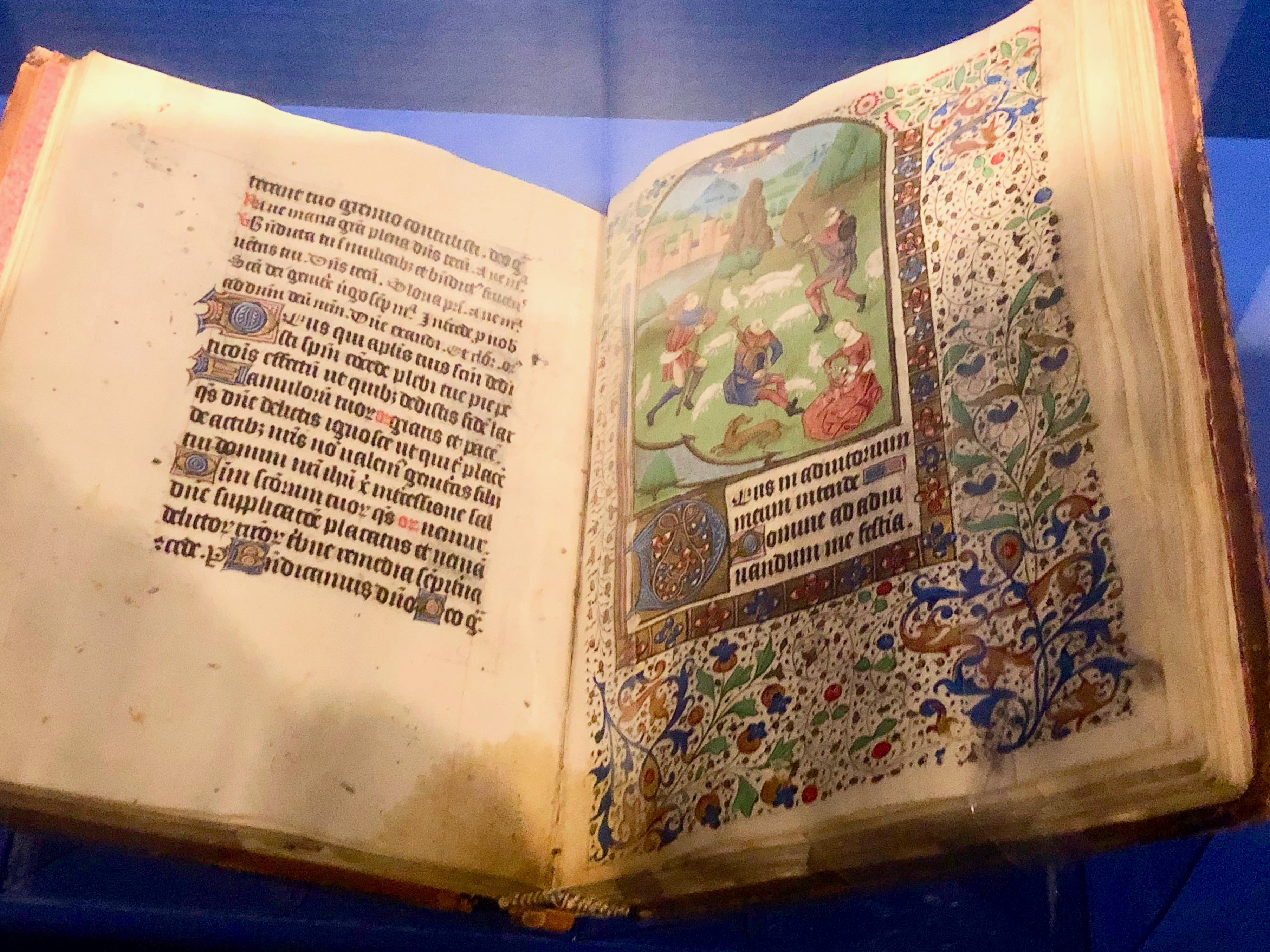
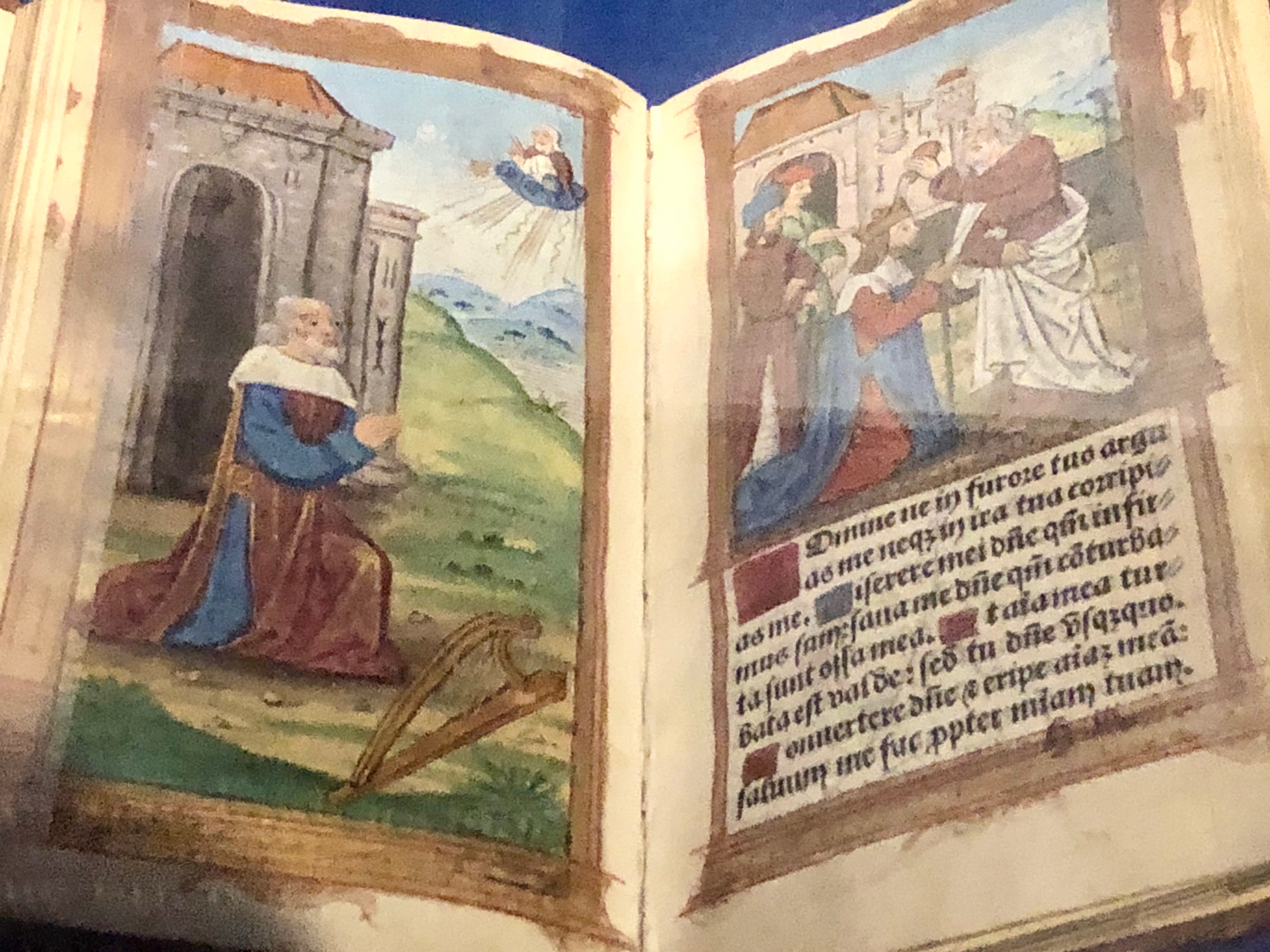
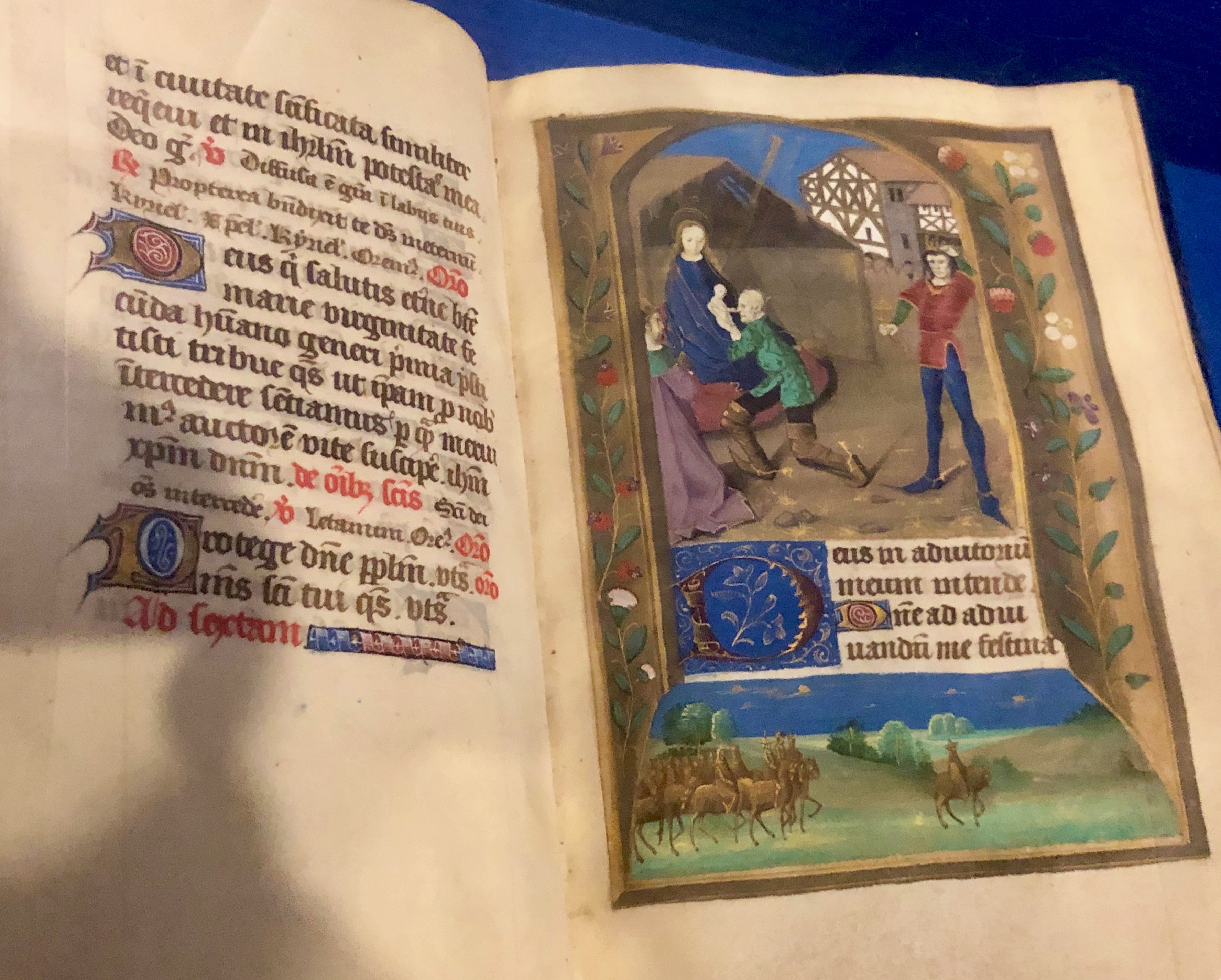
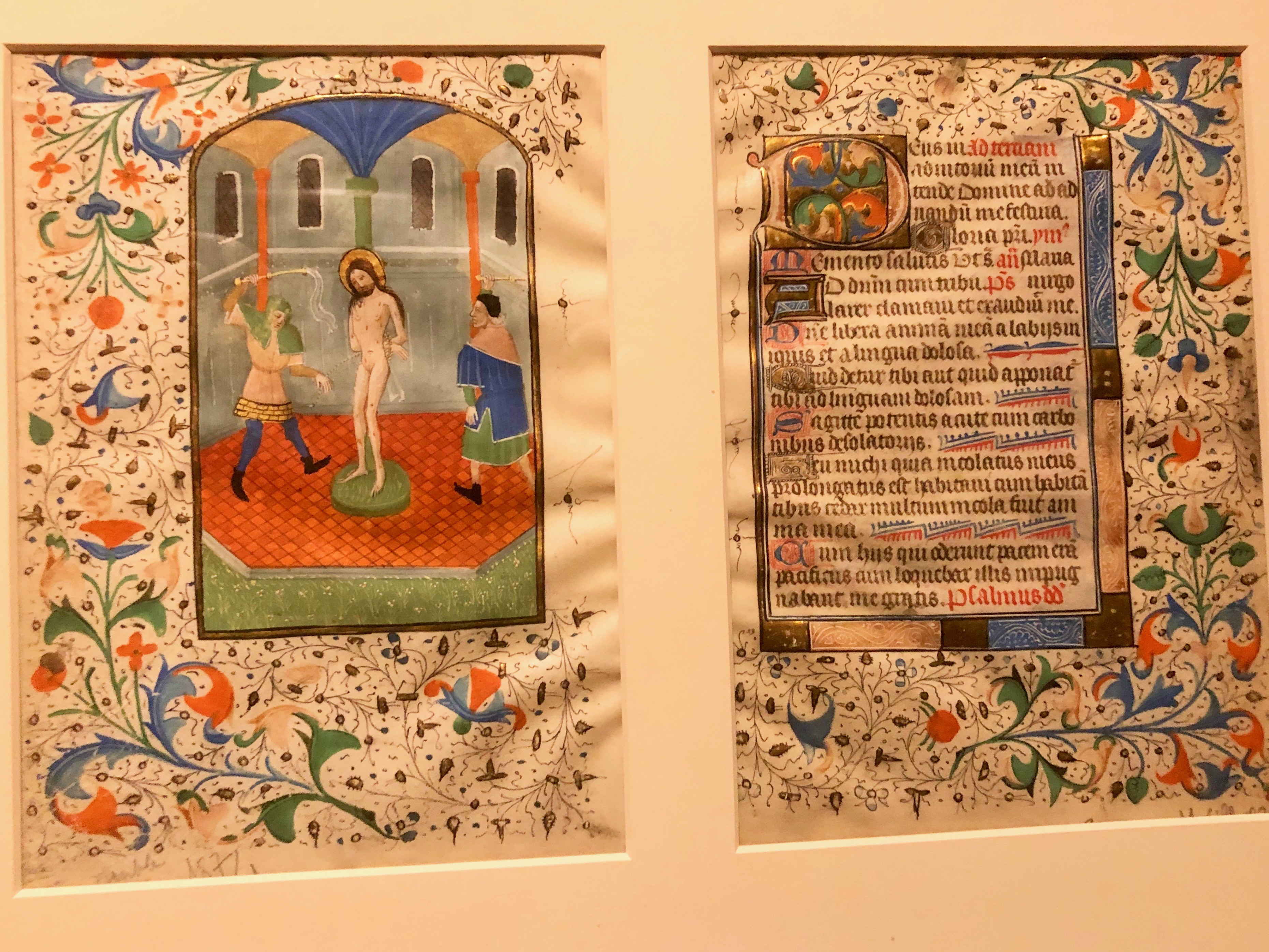
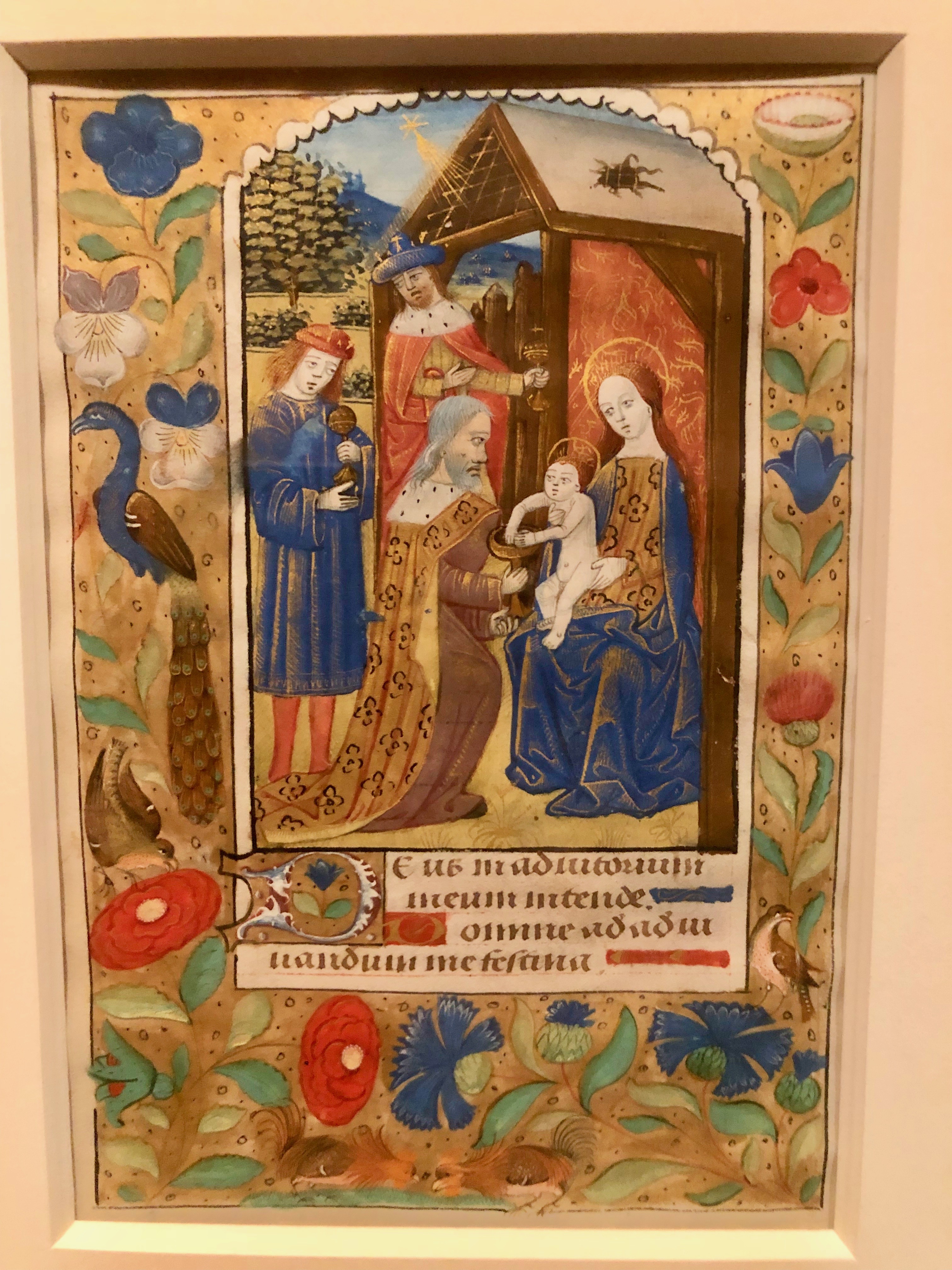
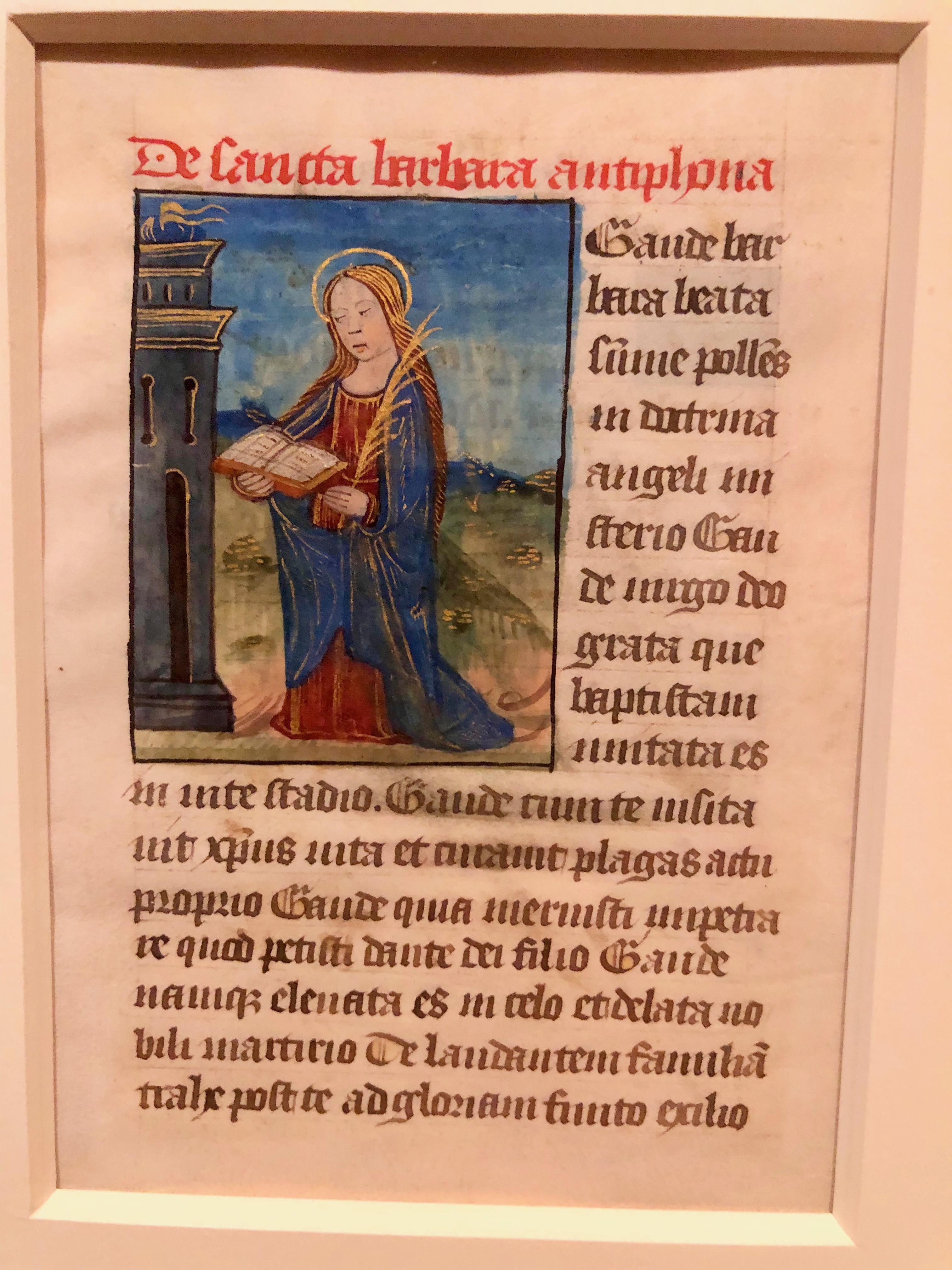
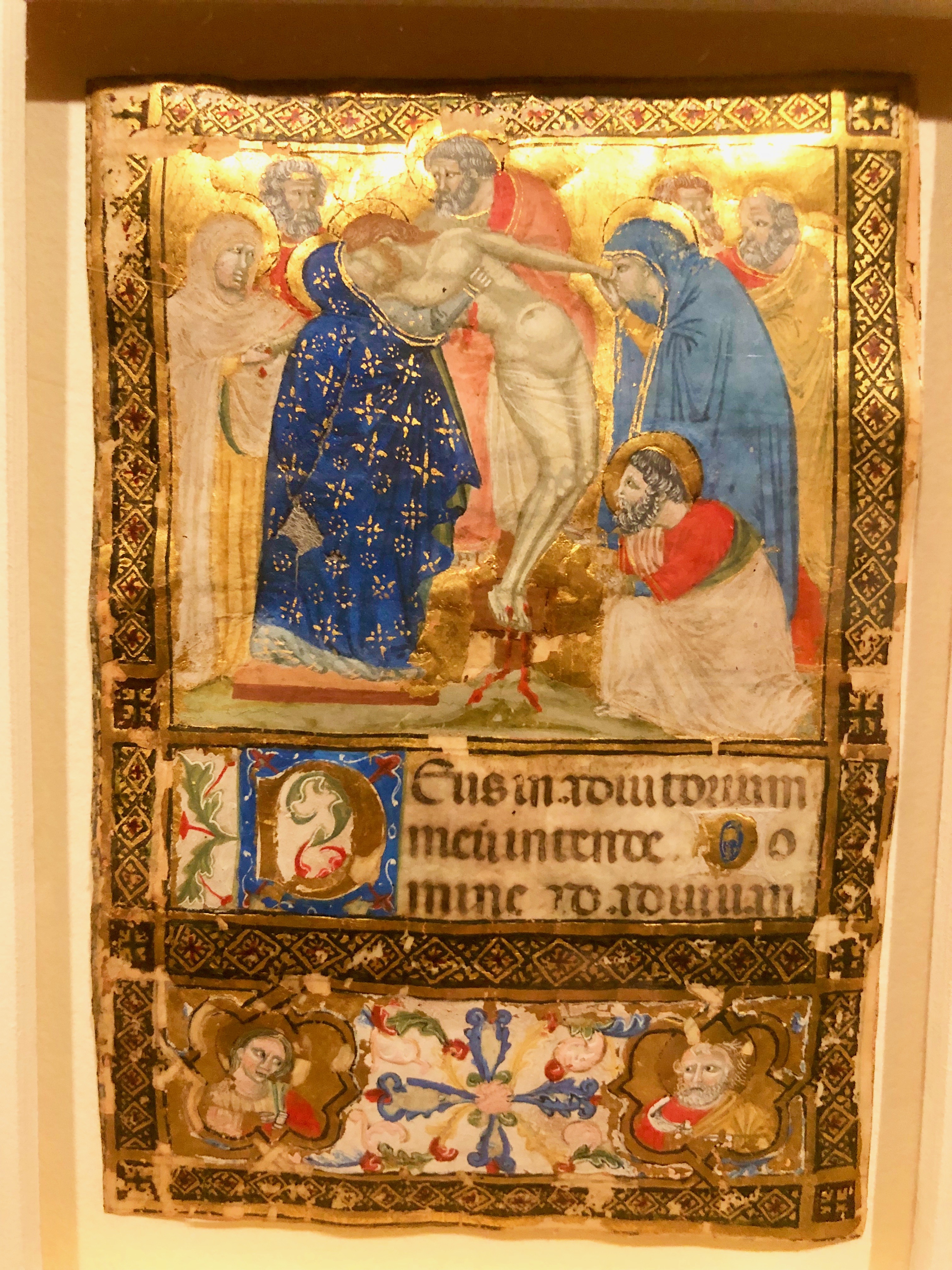
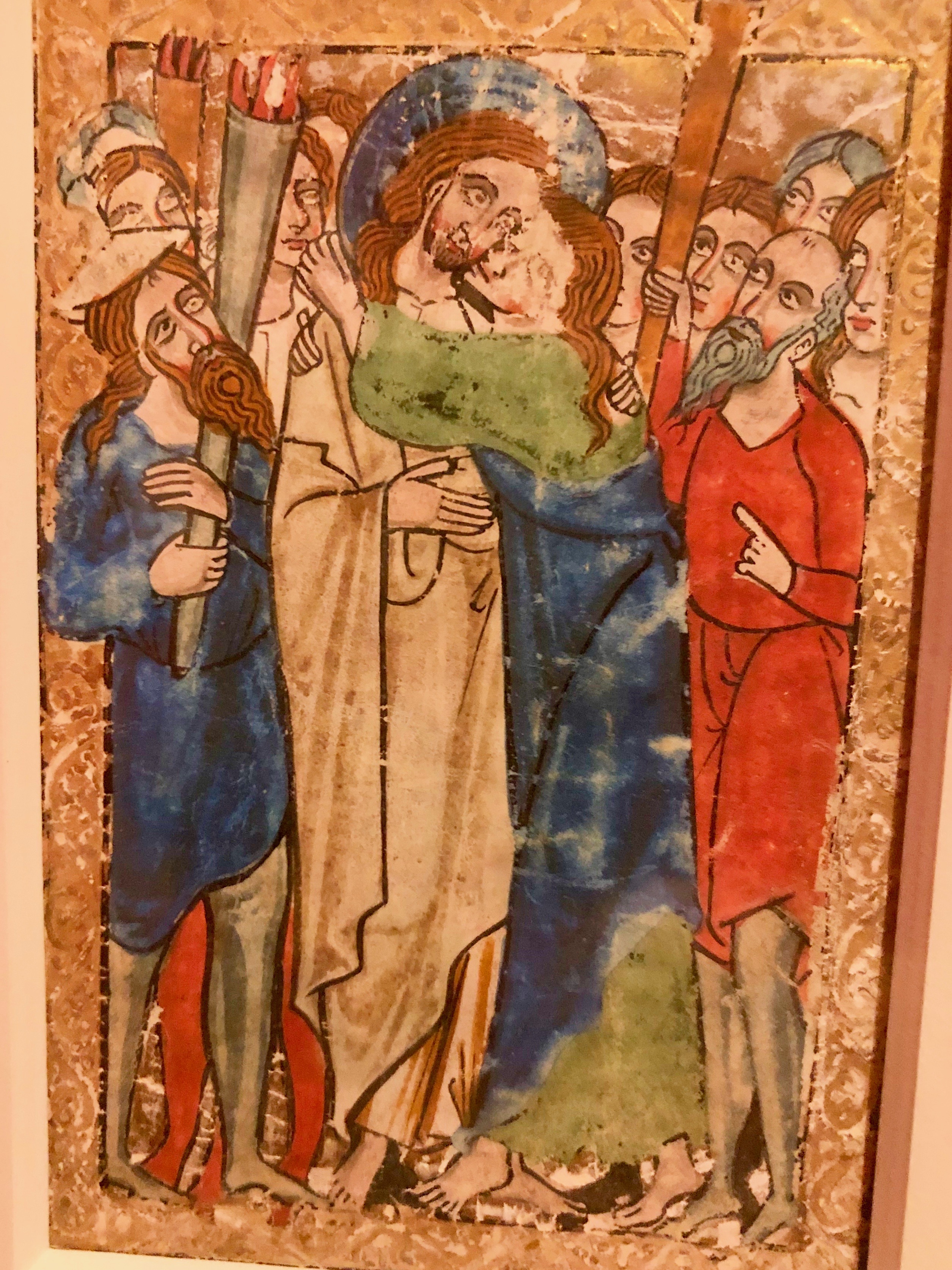
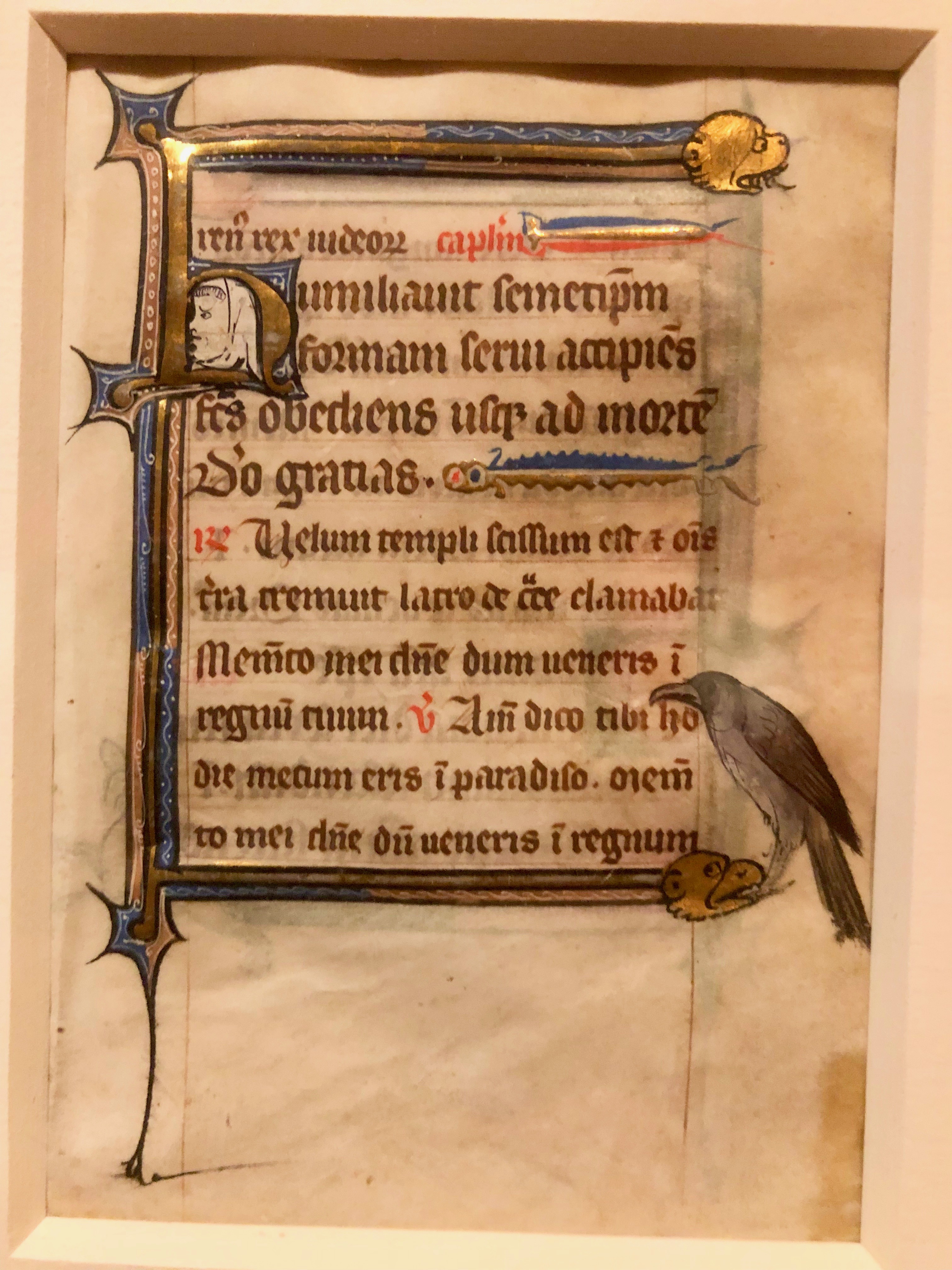
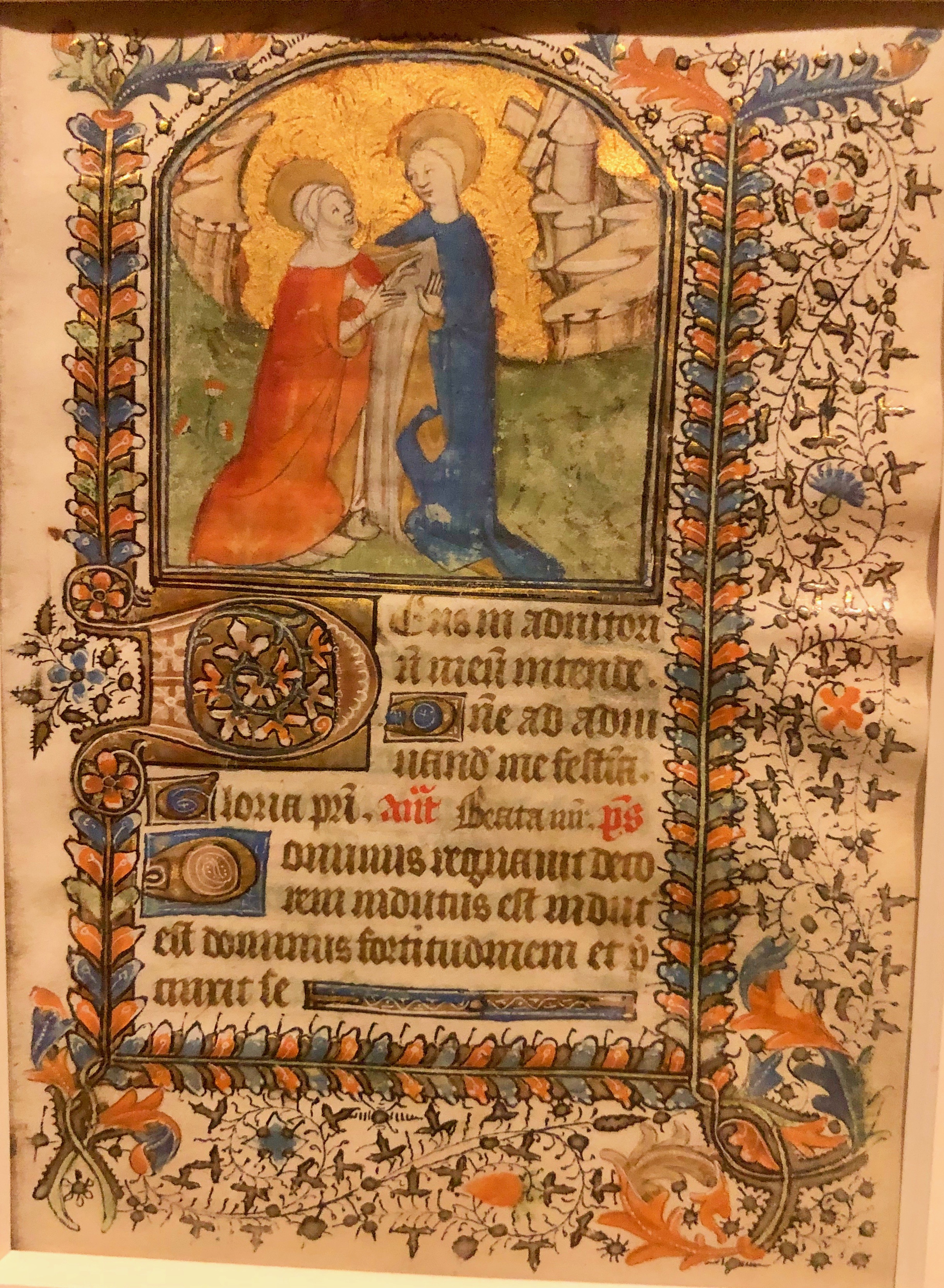
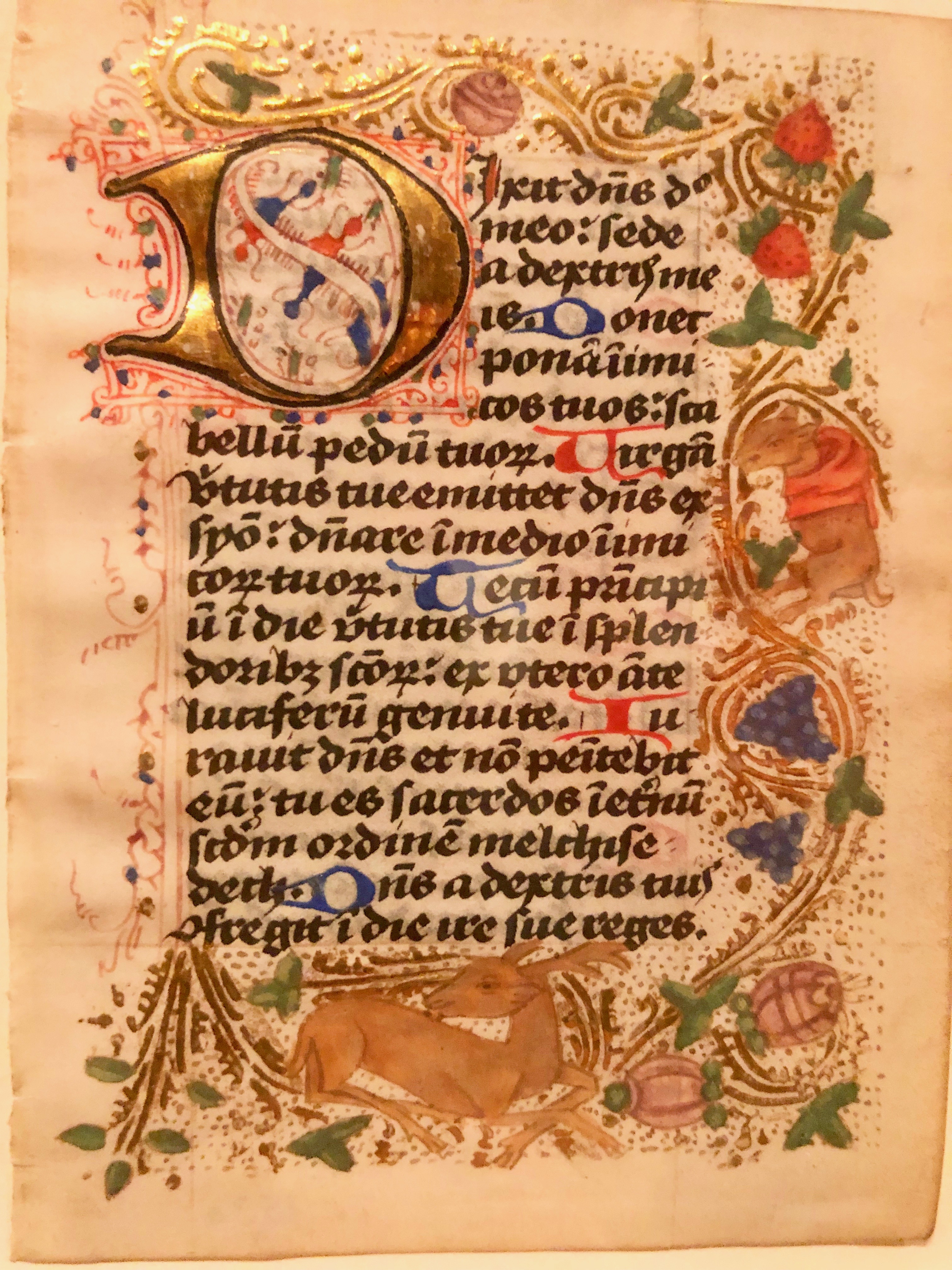
MBAMOn October 16th, after a lengthy trek in the Mount Royal Park to admire the autumn foliage, we went to the Museum of Fine Arts to have a look at a small exhibition about books of hours. Titled “Resplendent Illuminations” the exhibit displays Books of Hours from the medieval and Renaissance eras (13th to the 16th Century) but the interesting part is that they are all from Quebec (seven private and public collections). The exhibit, born from in-depth academic research, offers more than 50 artifacts (leaves, complete manuscripts, prints) and is held at the MMFA (pavillon Jean-Noël Desmarais – niveau S2) from September 5, 2018 to January 6, 2019.

Created for the Christian faithfuls (not for men of the cloth but for lay people), Books of Hours offered a collection of calendar of holy and religious feasts as well as passages from the gospels and prayers. They were used for devotion but also to learn reading. What’s characterize them however is that they were personalized with family information (births and weddings) and illuminated with miniature paintings (illuminations) illustrating the life of Christ, the saints or the Virgin Mary. Very minute and beautiful art.

It is really amazing that the faithfuls of New France would bring such beautiful manuscripts with them (or order them abroad) to express their devotion and that those books ended up being so well preserved. Unfortunately, to satisfy the thirst of modern collectors, such beautiful manuscripts were often cut open and sold by the pages (to maximize profits). That’s why many of the artifacts displayed are simple folio. I am quite surprised to see that most Books of Hours are so small, usually in duodecimo book format (each folio has been folded four times to make twelve leaves or twenty-four pages). A detail that I didn’t know: some books of hours were produced AFTER the invention of the printing press (c1450)… The exhibit display seven of those, where wood- and metal cuts replaced illuminations.

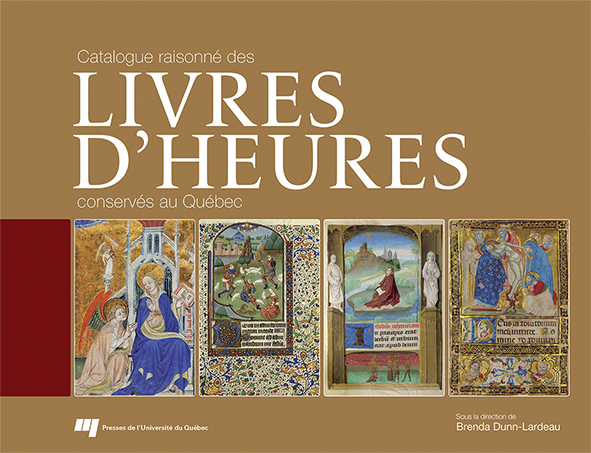
Catalogue_raisonné_des_livres_dHeuresThe catalog of this magnificent exhibit (and more) has been published (in French): Catalogue raisonné des livres d’Heures conservés au Québec, edited by Brenda Dunn-Lardeau. Québec, Presses de l’Université du Québec, 2018. 468 pages. $48 (softcover)/$55 (hardcover), ISBN 978-2-7605-4975-3. [ Amazon / BAnQ / Biblio / WorldCat ]

It is a small exhibit (only two rooms) but it is quite enlightening and well-worth seeing for all (ancient) books lovers. You really should take the time to go see it.

Here are some pictures that I took as a memento:

First room

Second room

More pictures are available on my Flickr album. View the legends for all pictures after the jump

[ Traduire ]

Continue reading

Pictorial chronicle

Today’s bounty

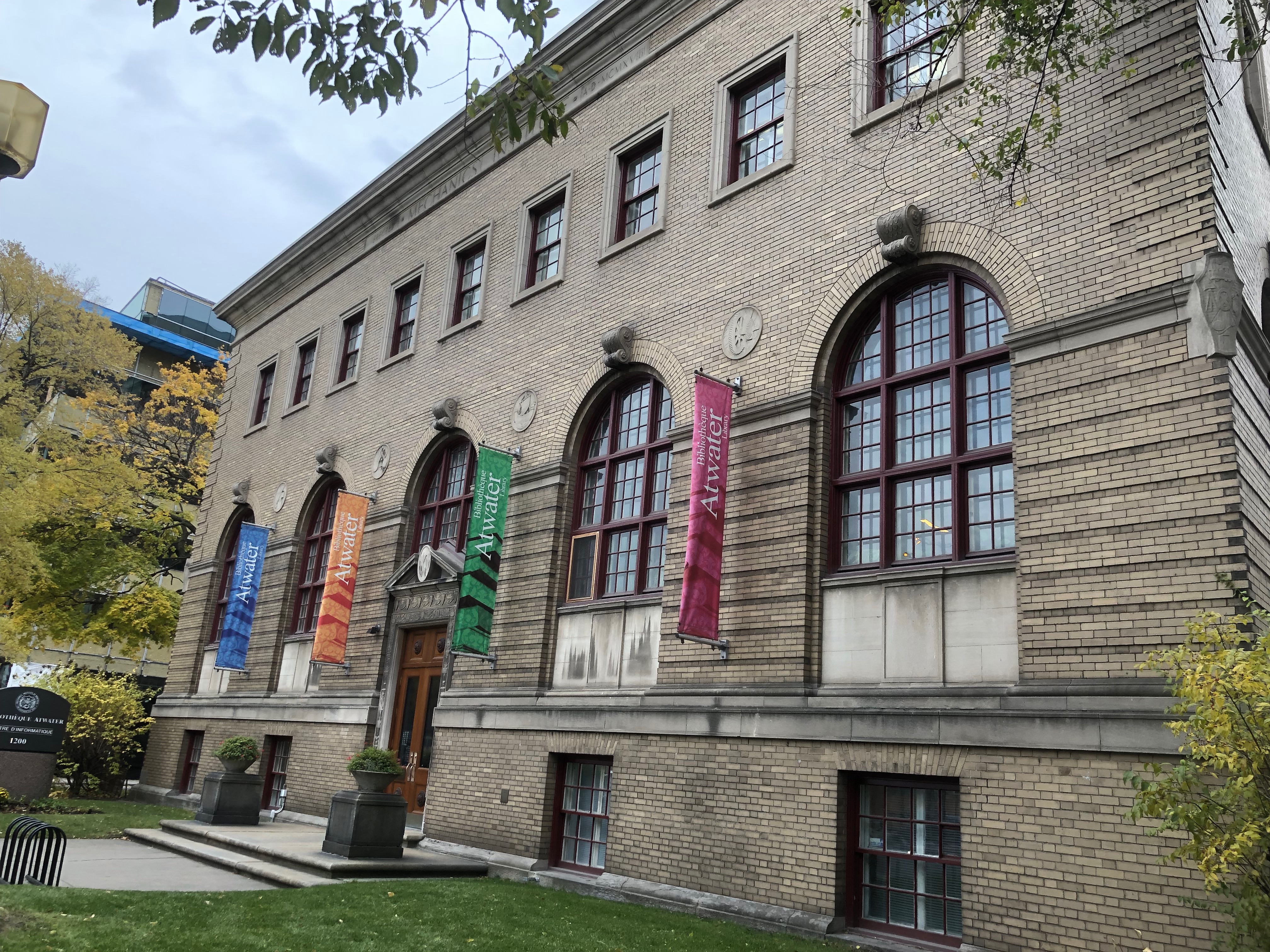
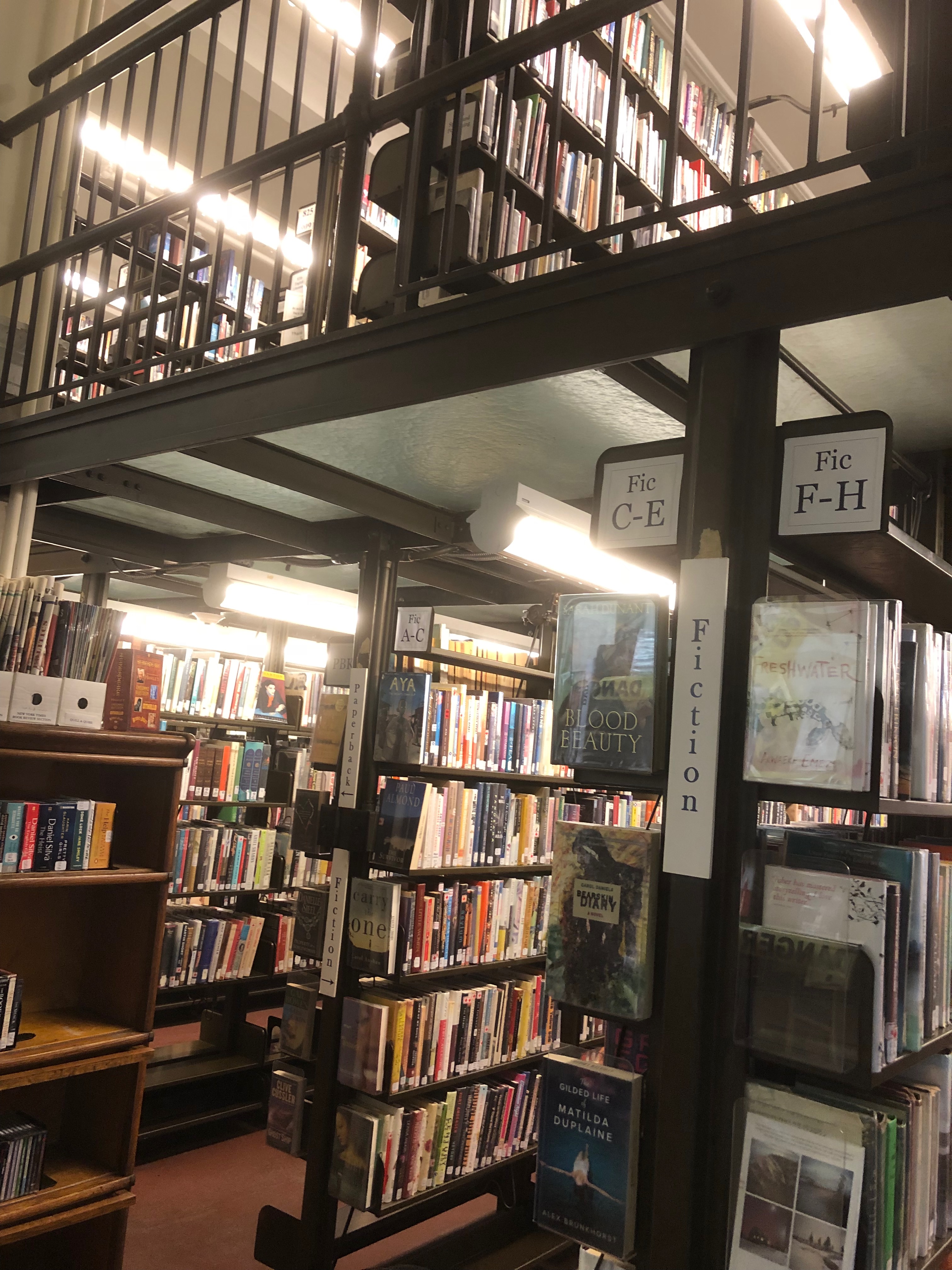
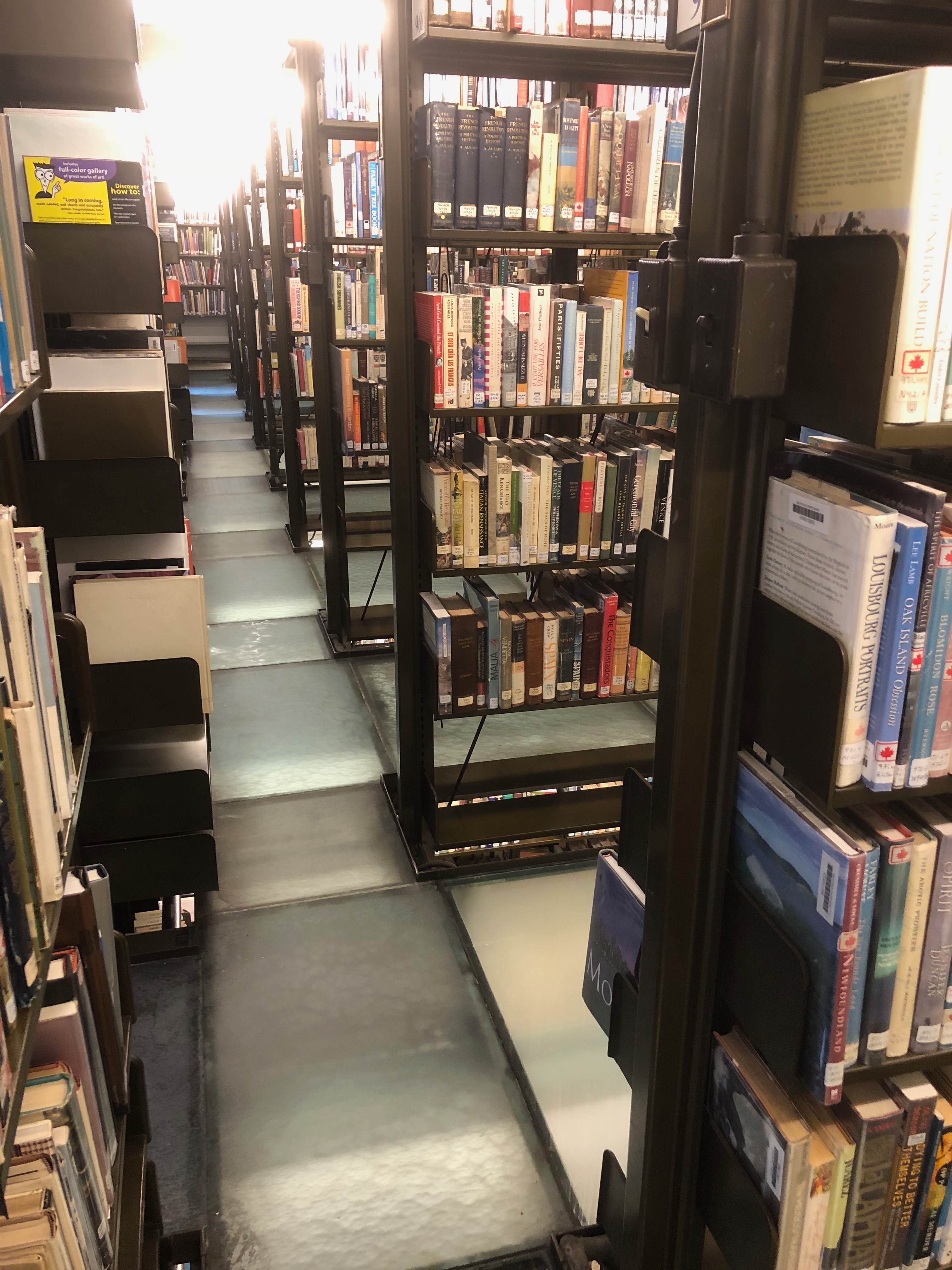
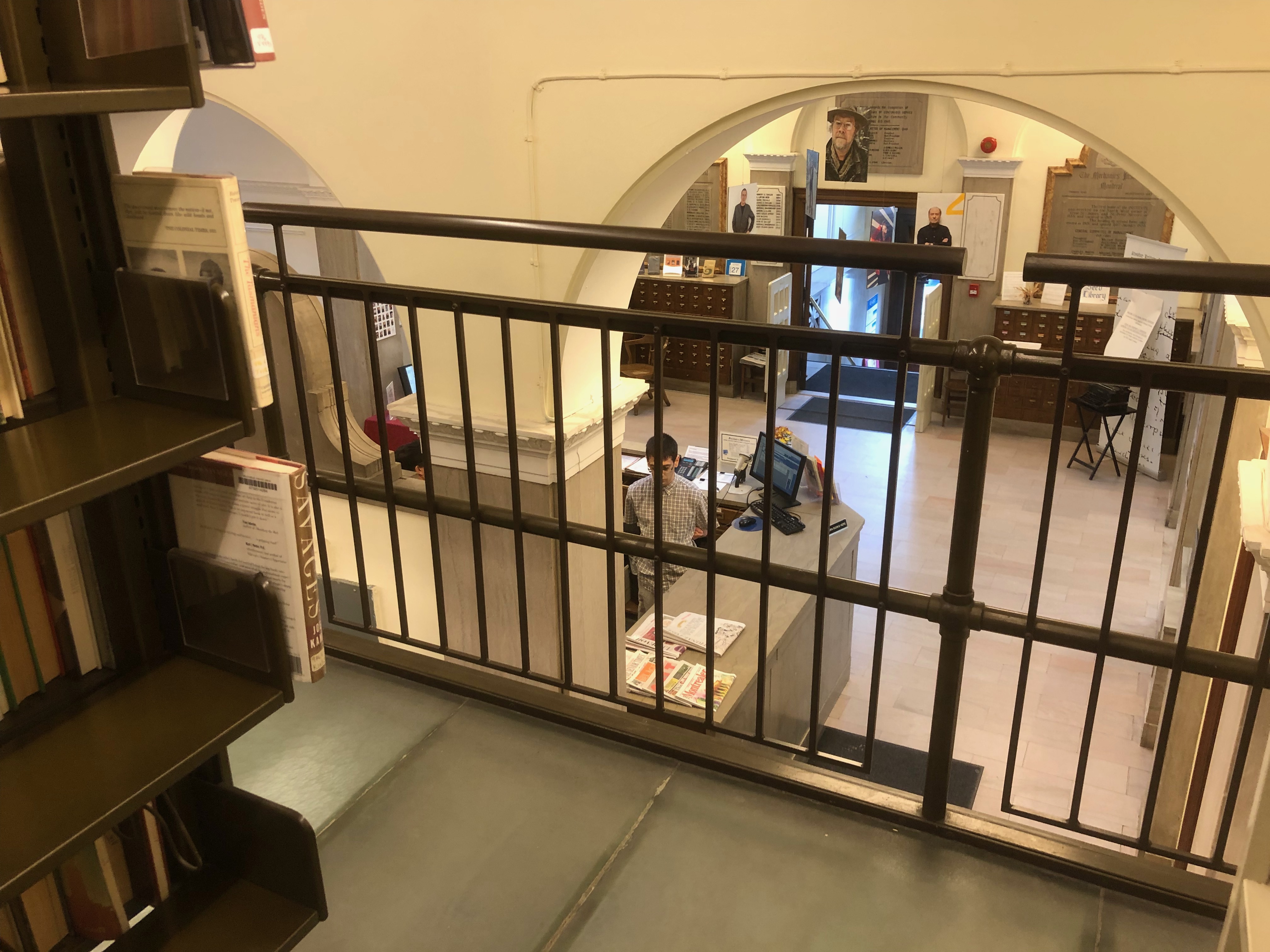
Today I took a day off at the library to go… visit another library! This afternoon, my wife and I went to the Atwater Library and Computer Center. Founded in 1828 as the Montreal Mechanics’ Institution (the first in continental British North America) to “educate workers for the emerging industries”, it is now registered as charity and acts as a community library, digital learning centre and meeting place. It is a private library but it is opened to everyone (for an annual membership fee of $35 — and, as they say, “[u]nlike municipal libraries, we don’t ask people to show ID documents or proof of their address”). Like all anglophone cultural institutions it relies mostly on donations and volunteer service. It receives over 100,000 visitors annually as it offers “courses and workshops to help young and old master technology in the digital age, (…) literary and educational events, financial literacy sessions, exhibitions on literature and history, (…) and much more.” The library is housed in a heritage building (built between 1818 and 1820) located in Westmount (1200 Atwater Ave., corner of Tupper St.). It is a beautiful place. The floor of the mezzanine is made of glass panels. It has a respectable collections of books and audio-visual documents (nearly 40,000 titles).

Our main reason to visit the library was its Annual Fall Books sale. The donations of documents that doesn’t make it to the library’s collection are sold to help raise funds. There’s a wide selection of new and used books, CDs, DVDs available at very reasonable prices (between $0.50 for paperbacks and $1 for hard covers, to a range of $5 to $20 for larger art books). There was a lot of interesting books, but I had to limit myself because most of them were rather voluminous. I found quite a bounty.

Today's Bounty

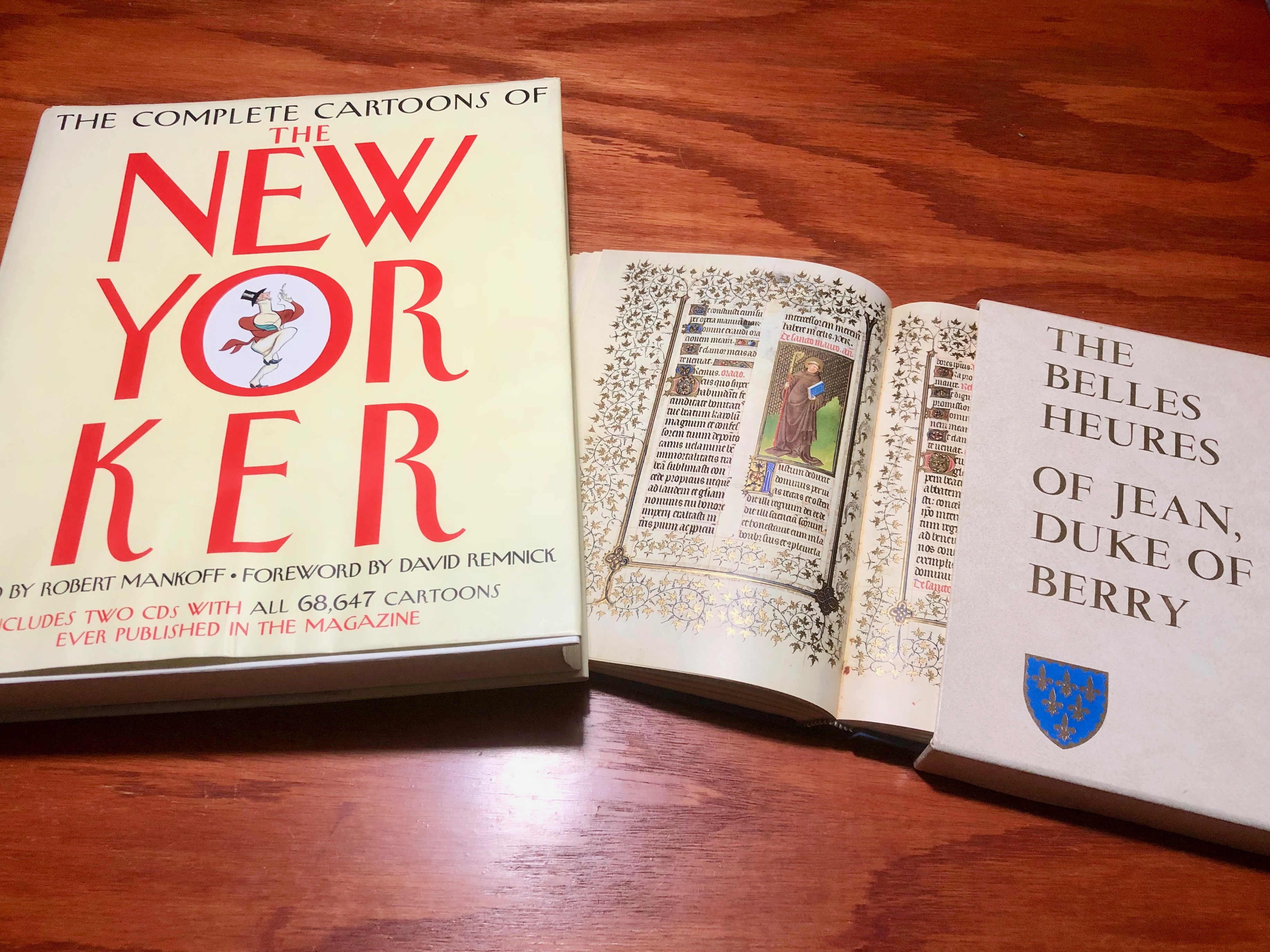
It purchased only two books but they were quite a find. First, I got The Complete Cartoons of the New Yorker ($15, a huge book of 11.25 x 13.25 inches, 2 inches thick and weighting about six pounds!) which presents a collection of the editorial and comical illustrations published in the famous magazine since its founding in 1925 up to 2004 (date of publication of the book). I really love those cartoons and can’t wait to read that (although it’s quite heavy to manipulate)! [ Amazon / Biblio / Goodreads / WorldCat ]

Since I am currently writing about Books of Hours, it is quite serendipitous that the second book I purchased was The Belles Heures of Jean, Duke of Berry ($5). It offers colour reproductions (with commentary) of every folio of the beautiful devotional illuminated manuscript (now hosted in The Cloisters Collection of the New York Metropolitan Museum of Art). It was commissioned around 1409 by Jean, duc de Berry to the Limbourg brothers just a few years before they also illustrated the more famous Très Riches Heures for the same patron. It is a very beautiful and amazing book. It will probably take me a while before going through it.  [ Amazon / Biblio / Goodreads / Wikipedia / WorldCat ]

[ Traduire ]

Notable News (w32-w41)

Since our previous status report, nearly three months ago, a lot has happened. On the domestic front, I am happy to say that I have felt improvement at work. I guess I found better ways to deal with all the irritant “mammoths” (a plethora of usual absurdities, incompetence, and running arounds that made me crazy and drained my energy). However, following the “heat episode” I mentioned earlier, I complained to the union. The union director for the borough came to the workplace and said he could not do anything. A few weeks later he submitted his report to the employers. His conclusion? The section head and the three employees who left early because the excessive heat made them sick … should have stayed at work to show solidarity with their colleagues! Who needs a heartless employer when you have a union of traitors and assholes like that! A real nest of collusion. Madness!

As I keep saying, library work can be quite physical and exhausting (who knew!). I remember someone saying that, at my age, “if you don’t feel pain somewhere when you get up in the morning, it means that you’re dead!” Well, I can say that I feel quite alive. Pain is good. It certainly makes me feel I am there.

What has probably helped is that it has been a very good time for writing. My mind felt clear, I’ve been producing a lot, and everything was doing so well that I could only fear that it would all crash down soon. Maybe it’s the Algernon’s syndrome  or, to paraphrase Nelligan, “I am happy, so happy, that I am afraid to burst into tears!” Hopefully not… It is true that I wrote a lot, mostly about movies (Winchester, The Guernsay Literary and Potato Peel Pie Society, Isle of Dogs, Ready Player One, Mary and the Witch’s Flower, Ex-Libris: The New York Public Library), particularly with the coverage of the World Film Festival (list of Japanese films, red carpet, Samurai’s Promise, Zone Out, Life in overtime, Think again, Junpei, The Miracle of Crybaby Shottan, wrap-up). After a while I had enough of movies and it felt like I should go back to comment on books and manga—which I did with The Ghost in the Shell 1.5: [Human Error Processer], Un siècle d’Animation Japonaise, Souvenirs d’Emanon, Le Guide du Mauvais Père 4 and The Little Broomstick. I also wrote a suggestion list of adult manga. With all this the blog’s stats have soared!

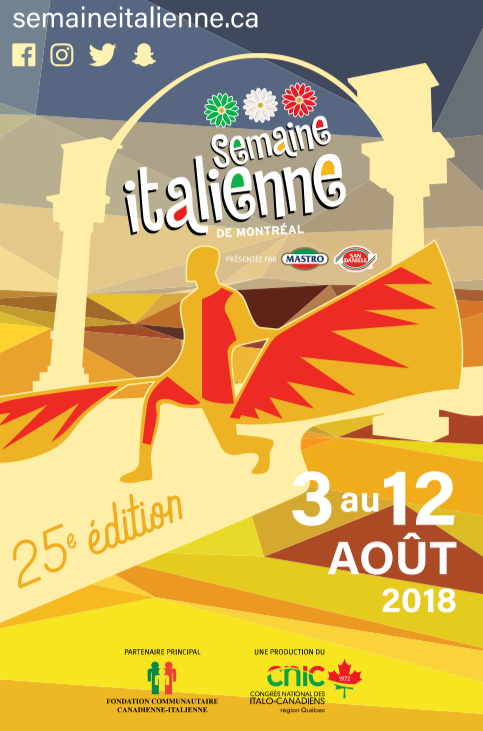
I kept busy. I took walks in the park or visited the museum, a farm fair or the Italian week. I also reflected on the electoral conundrum (before accomplishing my citizen’s duty —in anticipation— with disappointing results), against Facebook, about writing (1, 2, 3) and about reading (or not). 

Eventually, by mid-September, everything started to slow down again and I wrote less. So many things to do. I feel that I cannot accomplish anything. What I need is more time! Time… Time is the enemy. We fight it to do more. We fight it hoping not to get old too fast and still have a little time left to do more. I wrote a haiku.

I started writing in a new notebook. The thirty-fifth. Some could be surprised that, in this digital age, one would still use a paper notebook. However, I find this physical form strangely reassuring. After all, electronic information can be so vulnerable. The good old notebook doesn’t need any batteries and fears only fire and water. Its sequential way of working—to write, read (or re-read)—is so much more appropriate for the human brain capacity. It is easier to get an overview of the text, to positioned yourself in the three dimensions of the writing. It’s more confortable for me. Of course, most of the time, it is just a glorified to-do or grocery list, but it serves as backup for my capricious memory. That way, in a few scribbles, I can preserves ideas that would otherwise be too fleeting to be useful. It is also the witness of my daily life.

I’ve watched a few interesting TV series. First, The Miniaturist mini-series. It is good and yet disappointing. It looks similar to the Girl with a Pearl Earring. It’s another show about the powerlessness of women in the end of the Middle Age (or early Enlightment). It concludes with an open-ending. “I can do this”, she says… I also binge-watched the first season of the Jack Ryan TV series on Amazon Prime (a thriller similar to 24), the new seasons of Walking Dead, Doctor Who and also the very good Press TV series. 

Apple has announced new products (iPhone and watch) and released new operating systems. How come, when you do a software upgrade, you always loose something you like? Why is removing something cool and useful is considered an upgrade? New operating systems always offer a basket of frustration…

I am trying to improve my reading habits by reading more, more often and better literature than just manga. I started with The Little Broomstick by Mary Stewart and I am currently reading the first novel of the Poldark series by Winston Graham. But it is hard. In the olden days, I could read about sixty pages in an hour. Now, I read only a few hours per week, before going to bed, and barely thirty pages per hour. After two or three days of starting a new book, I am barely at page fifty! What’s happened to me? Fortunately, as I go forward, it is starting to get better… However, manga are pilling up on my nightstand, so I will soon have to pay attention to them…

“Summer is officially dead. It smells like Fall outside and I heard a flight of geese passing over the house”. Then, Fall officially came. It got colder and rainy. We even had some light snow. It became a little warmer for a while, but now we can feel that Winter is around the corner. Flowers and plants are shrivelling, twisting and taking the brownish colour of death. Winter is coming…

The lights have started to flicker again. Same time than last year…

On the world stage, we find the usual disasters (increasing numbers of earthquakes, floods, hurricanes and volcanoes) but my attention had been particularly focused on the trumpian saga of corruption scandals (Stormy Daniels, the Mueller’s investigation, of course, but particularly the Kavanaugh confirmation) growing in a crescendo as the midterm elections are closing by. Such craziness! (For all the details see the 2018 events for the months of August, September and October as well as the links bellow).

Despite all this, I surprisingly succeeded to stay acquainted with the affairs of the world and gathered over two-hundred notable news & links — which I now share with you (in both french or english, slightly categorized, but in no particular order; please note that, to save on coding time, the links will NOT open in a new window as usual) after the jump.

[ Traduire ]

Continue reading

Japanese Film Festival

The 35th edition of the Montreal Japanese Film Festival will be held on Friday November 30th and Saturday December 1st at the Cinémathèque québécoise (web). There will be three Japanese films screened for free. The event is presented by the Japan Foundation (Toronto) and the Consulate General of Japan in Montreal. The films are in Japanese with English subtitles. Seating is limited and will be available on a first-come, first-served basis. No reservations is required but you’ll need to take a ticket at the box-office.

Karera_ga_Honki_de_Amu_Toki_wa-tpClose-Knit (彼らが本気で編むときは、/ Karera ga honki de amu toki wa / lit. “When they seriously knit”): Japan, drama, 2017, 127 mins; Dir.: Naoko Ogigami.

After being abandoned by her mother, 11-year-old Tomo is taken in by her uncle and his transgender girlfriend. Close-knit offers a heart-warming reflection on discrimination and ignorance and, more importantly, on the true meaning of family.

Screening on November 30 at 18:30.

[ AsianWiki / IMDb / JMDB / Official / Wikipedia / Youtube ]

Chihayafuru_Part_3-p001Chihayafuru: Musubi (ちはやふるー結びー / Chihayafuru – knot) : Japan, Youth drama, 2018, 127 min.; Dir.: Norihiro Koizumi.

The young members of a competitive karuta (classic Japanese playing cards) team stand together against the odds and the emotional turmoil they face, seeking to capture and hold on to a treasured moment forever. Can they overcome their opponents?

Screening on December 1 at 13:00.

[ AsianWiki / IMDb / Official / Wikipedia / Youtube ]

La_La_La_At_Rock_Bottom-p02La La La at Rock Bottom (味園ユニバース / Misono Yunibasu) : Japan, Drama, 2015, 103 min.; Dir.: Nobuhiro Yamashita.

Redemption is key in this humorous story about an amnesiac thug turned singer. A powerful and moving tale that reveals human complexity, baring charms and faults alike, and will make anyone want to believe in second chances. Added bonus: great musical moments!

Screening on December 1 at 15:15.

[ AsianWiki / IMDb / Official / Wikipedia / Youtube ]

[ Traduire ]

Festival du Nouveau Cinema 2018

FNC47-logo-horizontal-noir.png

The 47th edition of the Festival du Nouveau Cinema (FNC) will be held in various Montreal theatres (Cinema Impérial, du Musée, du Parc, Quartier Latin, Theatre Maisonneuve, Cinémathèque Québecoise, etc.) from October 3 to 14, 2018. In their own words, this festival is a gathering to “celebrate our shared passion for film, (…) for cinema of all types, from offbeat, one-of-a-kind niche works to crowd-pleasers to daringly innovative big events”.  It is “resolutely forward-looking, has long been the unfailing advocate of new technologies“ making it “the best place around to preview the cinema of tomorrow”!

This year, it will offers over three-hundred movies including ten from Japan (click on the links for details & schedule):

Press review:

[ Traduire ]

Ex-Libris: The New York Public Library

Ex-libris-dvd“Frederick Wiseman’s film, Ex Libris – The New York Public Library, goes behind the scenes of one of the greatest knowledge institutions in the world and reveals it as a place of welcome, cultural exchange and learning. With 92 branches throughout Manhattan, the Bronx and Staten Island, the library is a resource for all the inhabitants of this multifaceted and cosmopolitan city, and beyond. The New York Public Library exemplifies the deeply rooted American belief in the individual’s right to know and be informed. It is one of the most democratic institutions in America – everyone is welcome. The Library strives to inspire learning, advance knowledge and strengthen communities.”

Earlier this week I stumble upon this enormous documentary on PBS. If you are into books and libraries, you’ll just love this movie that gives us an extensive tour of the New York Library and demonstrates how dedicated and welcoming the staff of its 92 branches are, what are the challenges they face in order to keep up with the demands and needs of their patrons, and particularly how important libraries can be to foster the diffusion of culture & knowledge as well as artistic creativity. It’s certainly one of the best examples of what an ideal library should be (as I recently discussed).

It is amazing how our local libraries look insignificant and puny in comparison of the behemoth collection and the huge diversity of services offered by the New York Public Library… With 53 millions documents, it is the second largest public library in the U.S. (third largest in the world after the British Library and the Library of Congress). Surprisingly, despite its name, it is a private, non-profit library, but it’s using public/private partnership (and funding) to work in collaboration with local governments (city, state, federal) in providing a large array of services… It is quite interesting (and serendipitous) that, with our imminent provincial elections, a librarian and teacher at the U de M Library Science School has been very recently questioning the commitment of the government in regards of libraries. Will the government create a strategic plan for the development of libraries (like the PLA recently did) ? It is direly needed at a time when the usefulness of libraries (and even our society’s fundamental concepts of knowledge and truth) are being challenged  (NYT, The Guardian) !

Of course, for such an enormous documentary, the reception has been rather mixed (with a critical response at 97%, but with only a 61% audience score, on Rotten Tomatoes) with reviews going from bad (Globe & Mail), to good (Variety) to excellent (The Guardian).

For me it was very interesting to watch and compare (seeing the similarities and differences) our library work here, in relatively small municipal library branches, to what’s done in NYC. However, even with the mastery of legendary documentarist Frederick Wiseman, I do think that 3h17 is really too long for any documentary to keep the attention of the viewers (at least in one sitting)! Many sequences are unnecessarily long. Also someone can get easily annoyed by Wiseman’s “no-comment” documentary style where he just show the scene as it happens without much editing or information (like not telling us who is talking!). In the end, despite those faults, this documentary is definitely worth watching for anyone (with spare time) who’s interested in the realm of books and libraries.

Ex Libris – The New York Public Library : USA, 2017, 197 mins; Dir./Ed./Sound/Prod.: Frederick Wiseman; Phot.: John Davey; Exec. Prod.: Karen Konicek; Cast: Ta-Nehisi Coates, Elvis Costello, Richard Dawkins and the very dedicated staff of all NYL branches. The DVD will be available soon from the producing company, PBS or Amazon (UK / FR). It can also be streamed online (legally?)… stars-3-0

[ IMDbOfficialPBSWikipediaYoutube ]

[ Traduire ]

Capsules

Un dimanche au musée

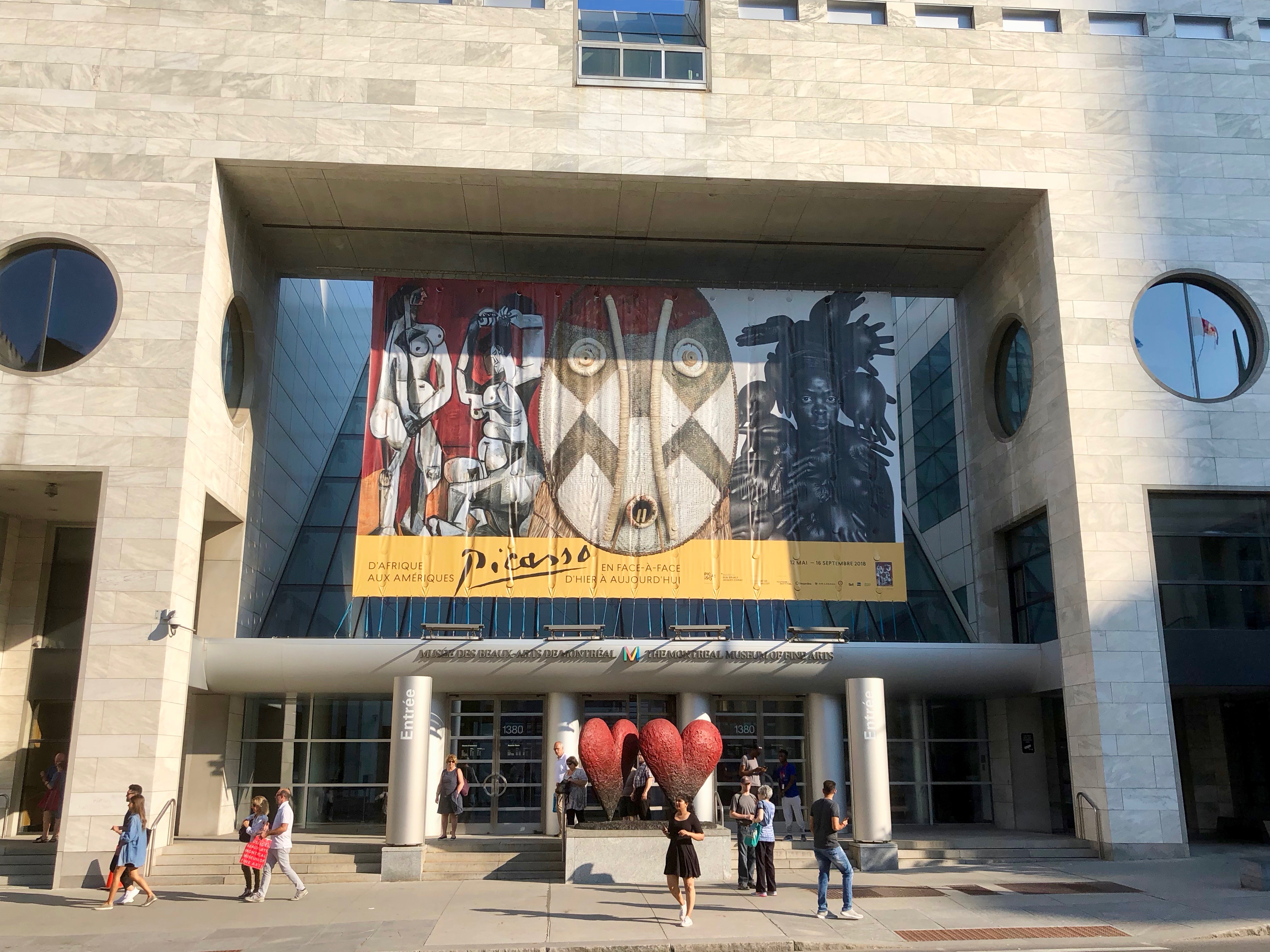
IMG_3412J’ai encore visité une exposition au Musée des beaux-Arts de Montréal in-extremis: en effet, l’exposition D’Afrique aux Amériques : Picasso en face-à-face, d’hier à aujourd’hui se terminait aujourd’hui. Comme toujours, cela en valait la peine (malgré la foule).

Je n’ai jamais beaucoup aimé Picasso (et l’art abstrait en général) mais, comme il se situe aux limites du figuratif et que j’ai toujours été fasciné par la vision du monde qu’il exprime dans son art, il m’intéresse tout de même. J’ai toujours interprété son oeuvre avec l’entendement que, la photographie ayant rendu le besoin de représenter la réalité caduque, les artistes modernes ont délaissé le figuratif pour l’impressionisme, d’abord, puis pour l’expressionnisme et même carrément l’abstrait (cubisme, surréalisme, etc.). On déforme la réalité pour exprimer et inspirer des sentiments. Picasso a commencé à peindre durant une période troublée du XXe siècle, alors ce n’est pas surprenant qu’il exprime des sentiments perturbés, dérangés ou dérangeants. Je me suis toujours demandé comment il pouvait réussir à déformer la réalité d’une telle façon ou s’il voyait vraiment le monde comme cela. Quoiqu’il en soit, j’ai toujours trouvé son art plutôt laid. Mais bon, comme je dis souvent à mon épouse, pas besoin d’aimer ça pour l’apprécier! Pour apprendre, il faut aller au-delà de ses goûts et de sa zone de confort.

Toutefois, ce n’est vraiment qu’en visitant cette exposition, qui met en parallèle des oeuvres de Picasso et de l’art Africain (dans ses très multiples déclinaisons), que j’ai finalement compris son inspiration. À cette époque-là, les artistes tribaux africains tentaient de représenter les esprits de la nature, le divin, la terreur de leur démons. Et c’est dans ces formes là que Picasso a trouvé sa muse.

Étrangement, l’art africain m’a aussi toujours fasciné. J’y trouve quelques chose de surréel, et, là où l’artiste tentait de représenter le surnaturel (esprit, démon), j’y vois une vision d’outre-monde, tantôt lovecraftienne, tantôt l’expression d’une science-fiction accidentelle (extra-terrestre, créature “star trekienne” ou “alienesque”, robot, arme klingonne, etc.). 

Et c’est sous le prisme de ces deux considérations que j’ai visité, et apprécié, cette exposition…

[ Translate ]

Continuez la lecture après le saut de page >>

Continue reading

Samurai’s Promise

Chiri_Tsubaki-posterShinbei is exiled from his clan for investigating its activities too closely. Eight years later, when Shinbei’s dying wife pleads with him to go to help his former best friend, Umeme, he returns to the clan. Infighting has produced turmoil within the clan, allowing Shinbei to discover the truth behind incidents involving his wife and his friend. Confronting Umeme, he understands the reason for his wife’s last wish. (FFM)

This is a very good movie. Its most noticeable aspect is that it offers an excellent photography (which is not surprising since director Kimura acted as his own photography director, a job he has hold many times for other directors like Kinji Fukasaku, Yasuo Furuhata, or Shin’ichirô Sawai). He made great use of the superb location in the Toyama Prefecture (anciently the Etchû province) showing as backdrop the fantastic landscape of the Hida mountains in the Northern Japanese Alps. 

Another aspect that I quickly noticed was that the music was unfortunately very annoying. They used a soundtrack of classical music (which first accords sounded like The Godfather’s music by Nino Rota), playing it again and again recurrently. I think that, for a jidaigeki (samurai movie), a soundtrack of traditional Japanese music would have been better…

Shinbei (Jun’ichi Okada) is exiled from the clan after denouncing as corrupt a high-ranking officer of the clan — who is later mysteriously murdered leaving all the suspicion of culpability on Shinbei. Both Shinbei and his friend Uneme (Hidetoshi Nishijima) were courting Shino (Kumido Aso), but when Uneme’s family denies him the permission to wed Shino, she goes with Shinbei instead. The harsh condition of their exile put a toll on Shino’s health who eventually dies. She makes Shinbei promise to continue living, to go back to their village to observe the camellia falling in spring and to reconcile and help Uneme. When he tries to clear his name and find out the real assassin, he gets entangled in the complex politics of the clan…

Samurai’s Promise is a beautiful and interesting samurai movie. It has a smooth storytelling, although it is sometimes difficult (at the beginning) to understand who’s who and figure out all the plots and politics at play. The acting is good, and particularly the nice realistic combat scenes. It must not have been easy considering the fact that there was many fights in the rain or snow and that the dialogues were using an old form of Japanese. 

Of course, we should expect nothing less from such a veteran director. During his sixty-year career, Daisaku Kimura worked on over fifty films and won many awards. He started his career as camera assistant on Akira Kurosawa’s Hidden Fortress (1958). He worked five years with him (on movies like Yojimbo and Sanjuro) and he learned a lot during this time. Eventually, he cames to direct his own movies (Mt. Tsurugidake in 2009 and Climbing to Spring in 2014), mostly about mountain climbing. Samurai’s promise is his first jidaigeki and he made it as a tribute to Kurosawa. It is a beautiful and authentic movie, well worth watching. These days we don’t see much movies like this…

Samurai’s Promise (散り椿 / Chiri Tsubaki / lit. “Falling Camellia”): Japan, 2018, 111 mins; Dir./Phot.: Daisaku Kimura; Scr.: Takashi Koizumi (based on the novel by Rin Hamuro); Ed.: Tomoni Kikuchi; Mus.: Takashi Kako; Prod.: Yoshihiro Sato. Cast: Jun’ichi Okada, Hidetoshi Nishijima, Haru Kuroki, Hirofumi Arai, Kyôko Yoshine, Sosuke Ikematsu, Kumido Aso, Naoto Ogata.

Screened as opening movie (in the “World Competition” program) of the 42nd Montreal World Film Festival (at the Cinema Imperial on Thursday August 23, 2018 at 19:00). stars-3-5

[ AsianWiki / IMDb /  Official  / Youtube ]

[ Traduire ]

Life in Overtime

Owatta_Hito-posterSosuke Tashiro has a successful career in a large bank until he is transferred – or rather relegated – to a subsidiary until retirement. After decades of dedication to his work, he is lost and idle. He then decides to resume a professional activity, but realizes that the challenge is daunting. Over the course of two meetings, at the gym and at the adult education center, his life is on the move again. (FFM)

This is exactly the type of Japanese movie that I like the most: some sort of family drama that touches us (and often makes us cry) but which, in the end, makes us feel good and laugh. It is so perfectly enjoyable! And the seamless storytelling, the bright, well-framed and beautiful photography, as well as the nice soundtrack (particularly the beautiful song 「あなたはあなたのままでいい」 [Anatawa Anatano Mamadeii / “You can stay as you are”] by Miki Imai) really show the mark of an experienced filmmaker. Strangely, Hideo Nakata is mostly known for his horror movies (Ring, Chaos, Dark Water, Kaidan, etc.) so it is really surprising to see him direct for the first time a more traditional Japanese comedy! This is probably his way to tell us that he is not finished yet and that he can be a polyvalent creator. He does that brilliantly. Unfortunately, he didn’t arrive in time to present the movie and do the Q&A for the first screening at 11:30, and that was a great disappointment for me (I knew I should have gone to the 21:30 screening!). The quality of the production as well as Nakata’s fame makes of Life in Overtime a great contender for the competition. It is surely the best Japanese film I’ve seen at the festival so far this year.

Sosuke studied at the top university in Tokyo and finds himself on the path for an executive position at a large bank, but gets beaten by a rival and ends up finishing his career at a subsidiary branch. He already feels he’s a failure but, when he retires, he finds himself with no hobbies, no dreams, no job and no sympathy at home! What to do? He feels “Retirement is like a premature funeral (…) I don’t want my life to end like this!” It’s like the game is over but you continue to play in overtime in hope to finish on top (I like this idea)!

He tries to find a new purpose in order to make up for his failures. He looks for a new job but his impressive resume torpedoes his efforts. He considers going to graduate school to study literature, makes an attempt at a new romance or, after a chance meeting with the CEO of an IT company, try to start a new career but without any success. However, does it really matter as long as you have a life to enjoy?

Nakata succeeds in giving a realistic depiction of life struggles and relationships while tackling one of the hot topic of the decade: with its aging population, Japanese society has to deal with an ever increasing number of retirees. To keep them mentally and physically fit, it is important to make sure they feel their life is not finished yet and that they can make their experience or expertise valuable and useful to the society. It’s also a challenge on the domestic level as many couples, who never spent lots of time together because they were too busy working, find out that they don’t know much about what to do with each other! Retirement can surely be a shocking change but it is certainly not the end of your life (personally, I know very well that I’ll probably be even busier once I retired — in about 3192 days!). However, for some people, not knowing what to do or not feeling useful anymore can be an horrific experience and, in that aspect, maybe this is an horror movie after all…

Life in overtime, with its sadness and joy as well as its beautiful scenery, gives us plenty to ponder and an excellent movie experience. It is certainly a must see.

life_in_overtime

Life in Overtime (終わった人 / Owatta Hito / lit. “A finished man”): Japan, 2018, 125 mins; Dir.: Hideo Nakata; Scr.: Nonji Remoto (Based on the novel by Makiko Uchidate); Phot.: Koichi Saito; Prod.: Masatake Kondo; Cast: Hiroshi Tachi (Sosuke), Hitomi Kuroki (Chigusa), Ryoko Hirosue (Kuri), Asami Usuda (Michiko), Tomorowo Taguchi (Toshihiko), Tsubasa Imai. 

Screened at the Cinema Imperial (Sun. 08/26 at 11:30) as part of the “World Competition” program of the 42nd Montreal World Film Festivalstars-4-0

[ AsianWiki / IMDb / Official / Toei / Youtube ]

[ Traduire ]

Un Siècle d’Animation Japonaise

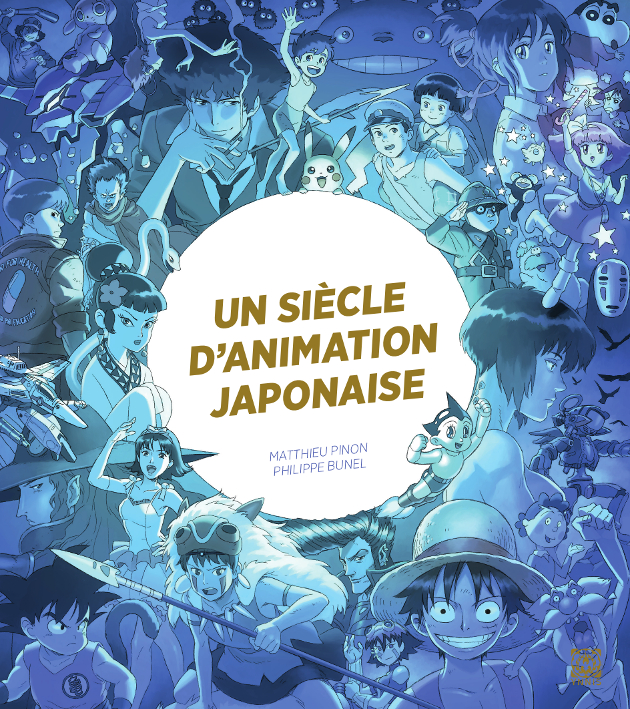
Siècle-animation-covEn 2017, l’animation japonaise est plus que jamais un rouage essentiel de la pop culture mondiale. Studios hollywoodiens historiques ou diffuseurs modernes nés avec Internet, les géants du divertissement investissent dans ce média dont les spécificités graphiques ont été adoptées par plusieurs générations de spectateurs.

À la fois composante et reflet de sa culture nationale, l’animation japonaise trouve pourtant sa source dans les expérimentations cinématographiques occidentales de la fin du XIXe siècle. En remontant à ses origines, Un siècle d’animation japonaise parcourt les évolutions marquantes vécues tant par les créateurs que par le public de ce média jusqu’à  nos jours.

Avancées technologiques, prolifération des genres, mutations économiques, oeuvres et artistes majeurs, triomphes et débâcles, consécration mondiale publique et critique… Découvrez comment, en cent ans, une terre inexplorée est devenue un eldorado économico-culturel dont les ressources semblent aujourd’hui s’amenuiser. Accessible aux néophytes comme aux passionnés, Un siècle d’animation japonaise vous propose de revivre cette aventure afin de mieux comprendre un média définitivement ancré dans notre quotidien.

(Texte du site de l’éditeur; voir aussi la couverture arrière)

J’avais brièvement parlé de cet ouvrage en janvier et je viens tout juste de mettre la main dessus (en bibliothèque — car je n’en possède malheureusement pas de copie puisque mes demandes de service de presse sont restées sans réponse et que, comme je n’écris plus vraiment sur l’anime, je ne peu pas justifier de dépenser $50 pour un bouquin de référence aussi utile soit-il). Pas besoins de le consulter longtemps pour réaliser que c’est un excellent ouvrage. Je dirais même qu’il est essentiel pour tout amateur d’anime qui se respecte car il existe peu de références qui traitent de l’histoire de l’animation japonaise (surtout en français). Avec cet ouvrage, Animeland célèbre un siècle d’animation Japonaise…

L’ouvrage est divisé en quatre grandes périodes historiques:

  • Le cinéma noir et blanc (1917-1957): Balbutiements et premiers écueils (Premières explorations, premiers revers / Renouveau et avancées technologiques / La propagande dans l’animation / L’après-guerre: l’aube du modernisme)
  • Le cinéma couleur et la télévision (1958-1982): L’animation industrielle (Le cinéma, un nouveau modèle économique / Nouveau média, nouvelles méthodes / La grande expansion); Le nouveau marché (un marché installé / La consécration de la science-fiction / Le retour du celluloïd au cinéma)
  • Les trois médias (1983-1995): La crise d’adolescence (Un nouveau marché, l’OAV / Télévision: la fidélisation du téléspectateur / Cinéma: les licenses fortes); L’énergie canalisée (L’émancipation des artistes / Mutation économique / L’entrée dans un nouveau monde)
  • L’ère numérique (1996-2017): La folie des grandeurs (Liberté artistique / La révolution numérique / Le médiamix à son paroxysme / La consécration mondiale); Le tonneau des Danaïdes (L’otaku, ce héros des comptes modernes / Climat de crise / Élargissement des cibles / Globalisation)

Comme tout ouvrage de référence qui se respecte, ce livre se termine avec un glossaire, un index des noms propres mentionnés (étrangement non paginé!) et une (trop) courte bibliographie.

C’est un ouvrage bien écrit, agréable à l’oeil, amplement illustré et très informatif. Il n’est pas rébarbatif pour les néophytes mais reste suffisamment détaillé pour intéresser aussi les amateurs endurcis. Personnellement, j’ai trouvé trois aspects particulièrement intéressants dans Un Siècle d’Animation Japonaise: 1) le premier chapitre, car il y a peu de documentation sur les débuts de l’animation Japonaise; 2) le dernier chapitre, car cela fait longtemps que je suis plutôt déconnecté du sujet et c’est intéressant de lire sur ce qui s’est produit dans la dernière décennie; 3) les auteurs nous présentent, “à la fin de chaque période (…), une sélection récapitulative de douze oeuvres synthétisant les tendances majeures de l’époque” qui peut servir de recommendation pour ceux qui se demandent quels anime valent la peine d’être visionné.

Finalement, un dernier aspect m’a fait grandement apprécié Un Siècle d’Animation Japonaise: j’ai eu le privilège de vraiment vivre l’aventure de l’anime à une époque où le medium était à son sommet (de la fin des années ’80 au début des années 2000) et cet ouvrage a réveillé en moi la douce nostalgie de cette période dorée. Ah!, la joie de découvrir des anime comme Macross, Megazone 23 Part 2, Area 88, Bubblegum Crisis, Ranma 1/2, Orange Road, Nausicaä, Laputa, Grave of the Fireflies, Wings of Honneamise, Akira, Nadia, Windaria, Record of Lodoss War, Patlabor, Porco Rosso, Whisper of the Heart, Gunbuster, Neon Genesis Evangelion, Ghost in the Shell, Vision of Escaflowne, Cowboy Bebop… Je dois bien avouer que ce temps-là me manque. J’en ai un peu revécu l’excitation récemment quand j’ai visionné Your Name. de Makoto Shinkai. Oui, quelle belle nostalgie… Mais cette époque semble bien révolue. Si par le passé l’anime a eut un impact culturel sur l’ensemble de la planète, je ne vois plus beaucoup d’animation nippone qui soit suffisamment originale et innovatrice pour m’impressionner… À moins que que soit parce que je suis devenu plus exigeant et difficile.

En conclusion, si l’animation Japonaise vous intéresse moindrement, c’est un ouvrage essentiel à lire (en bibliothèque) ou a conserver sur votre étagère de référence (si vous en avez les moyens).

Un siècle d’animation Japonaise, par Matthieu Pinon et Philippe Bunel. Paris: Ynnis Éditions, novembre 2017. 208 pages, 24 x 27 cm, 29,90€ / $49.95 Can. ISBN 9791093376806. Pour lectorat tout public. stars-4-0

Pour en savoir plus vous pouvez consulter les sites suivants:

[ AmazonBiblioGoodreadsGoogleWorldCat ]

© 2017, Ynnis Éditions.

[ Translate ]

Japanese movies at the FFM 2018

FFM2018-banner

FFM2018-posterThe 42nd Montreal World Film Festival will be held from August 23rd to September 3rd 2018. So far there is only seven eight Japanese films listed in the line-up. We will add more details as they are available.

Of course, the festival has had financial troubles for sometime and run on a very minimal staff, so we shouldn’t expect a smooth operation. It will certainly not be better than last year. But the most important part of the festival is that there is movies to watch. This year it will be the nineteenth year that we are covering this movie festival and we hope that it will recover from this difficult period and prosper for many years to come.

The schedule for the Cinema Imperial (CI) is now available (2018/08/22). And the schedule for the Cinéma Quartier Latin (QL) is now also available (2018/08/23). As for previous years, the closing film will be a mystery title to be screened for free at the Cinema Imperial Monday September 3rd at 18:30. 

The FFM just announced the awards for the 42nd Montreal’s World Film Festival and for the 49th Student Film Festival (2018/09/03).

Two Japanese movies won an award: Samurai’s Promise by Daisaku Kimura won for the Special Grand Prix of the Jury (Ex-aequo) and Hiroshi Tachi won the Best Actor award for his role in Life in overtime by Hideo Nakata.

Please, read our comments on the festival:


[ Traduire ]

Here is the Japanese movies line-up (after the jump) :

Continue reading

Italian week 2018

SettimanaItalianaDiMontrealLike last year, we have visited the Settimana Italiana di Montreal (the Italian Week), festival held all over Montreal (but mostly in Little Italy, on St-Laurent street between St-Zotique and Jean-Talon streets) from August 3rd to 12th.

This year the festival celebrated its 25th Anniversary with many activities: an exhibition of all its promotional posters, a Fiat 500 car exposition, guided tours, a film festival, an opera presentation of Puccini’s “La Bohème”, a parade of the Sbandieratori Borghi e Sestieri Fiorentini (a group of Italian flag-throwers keeping alive the old military flag-waving tradition), and lots of food, musical displays and entertainments. Each local Italian association has a booth to inform about their activities. It was very interesting.

Here is a photo album and a short video (15 mins) as a memento of this year’s festival:

[ Traduire ]

Notable News (w23-w31)

Since the last update, over two months ago, so much has happened. 

On the domestic front, it seems that I ran out of karma points because a series of unfortunate events kept happening to me, including frustratingly bad customer service experiences: I had trouble getting my bag of weekly flyers delivered, after eight long months the contractor finally came to finish the landscaping work in the backyard so I could work (hard) to set up the garden, and then the water heater broke down! Everything was just a big pain in the ass! I ended up so stressed and distressed by the whole ordeal that I forgot to do the accounting and pay the bills! This had never happened to me in fifteen years!

UltraBlinking

Out of energy !

However, that was not the end of it. Work is usually a real nut house where we have to run around like crazy, doing absurd stuff. Under normal circumstances it is already demoralizing and exhausting. But we had to go at it during a heat wave, for a whole week! We had a few days of respite and then, the air conditioning broke down—for another week! We were working at temperature between 27° C and 30° C, with relative humidity of 50-55% ! If you calculate the humidity factor (the way that it’s normally done on weather channels) it felt like working at temperature between 35° C and nearly 40° C ! (Of course, according to the charts used by management, it was barely over 33° C and we shouldn’t even brake a sweat! For them it was just uncomfortable conditions!). Damn it, we are working in a library, not a sweat shop! Management brought huge fans, but if you move hot air, it is still just hot air — in a very noisy environment. 

If it was just working at a desk with a fan in the face it would probably be tolerable, but we are standing up and moving around a lot to serve customers (lending, shelving and processing books, etc.) — contrary to what most people believe it is a very physical work. At my age and with my health I cannot work in such conditions for a long duration. One day, I was tired and feeling dizzy (the head-librarian had already left and a couple of colleagues were not feeling well either) so I decided to also leave work early. We were threatened of “consequences” (disciplinary measures) by management for doing so. We endured for the rest of the week, but, in the end, I couldn’t take it anymore, I was exhausted (completely out of energy), having sore throat, migraine and ear ache, so I took a day off.  I just don’t get it: why’s this obstinacy to force employees to work in unbearable conditions? Where is decency and respect of the workers? That’s what upsets me the most: absurd decisions and disrespect… I get it that there is nothing in the labor law (health & security) that prevent work in extreme heat conditions, but it is just common sense and thoughtfulness not to subject your employees to such suffering! Then again, why should I be surprised of such contempt for the workers?

At the same time, I had to deal with some garden theft which became “the sunflowers’ affair” and evolved into a real saga. Finally, as I was ready to blow a gasket, my blood pressure medication was recalled due to contamination with a potential carcinogen (the generic version is made in China, no wonder)! I had trouble at first to get the pharmacy to replace it for free, but now there is a class-action lawsuit being organized

Japon instantané

My mind elsewhere !

Thankfully, there was a few positive events to brighten my mood, like an occasional trip to the botanical garden or the park, Apple announcing their incoming new operating systems (iOS 12 and macOS 10.14 Mojave) or finally being able to finish watching the latest seasons of Poldark and McMafia. Strangely, as I handled all the bad karma with relatively great zen, I managed to write comments on quite a bunch of stuff (books, TV series and movies): The Dark Tower, The Terror, Crapule, American Made, Victoria & Abdul, Un simple monde, Le chat du louvre 1-2, Black Panther, Isabella Bird: femme exploratrice 1-2, Alien Resurrection & Alien: Covenant, Pline 5, Ad Astra 4-5, Justice League, Batman v Superman, Jumanji, Giacomo Foscari 1, Nos yeux fermés, Your name., In this corner of the world, and The Mummy. Fortunately, reading (or alternatively watching TV) and writing (comments, rants or even poetry) is a great help to bring my mind elsewhere!

On the world stage, we saw the usual fires, floods, volcanoes, storms, kids trapped in a cave, a couple of summits (G7 & North Korea), the World Cup, water was found on Mars and each day kept bringing more Trump insanities. If I wouldn’t know better I could think that Trump is the antechrist and that the end of the world is near! But, no, it’s just our daily lives in the 21st century… I just don’t understand: in 1953 the Rosenberg were tried and executed simply for spying for the Soviets; now, some politicians conspired with the Russians to interfere in the U.S. elections, make their own businesses profits, as well as contribute to undermine western democracies and absolutely NO uproar is being made about it? Delirant isti americani !

Through all this I did my best to stay (sane?) acquainted with the affairs of the world and gathered over two hundreds notable news & links — which I now share with you (in both french or english, slightly categorized, but in no particular order — note that, to save on coding time, the links will NOT open in a new window beyond this point), after the jump.

[ Traduire ]

Continue reading

Isabella Bird: Femme Exploratrice, vol. 1-2

IsabellaBird-v1-cov“À la fin du XIXe siècle, le Japon s’ouvre au monde et s’occidentalise à marche forcée. Mais le pays reste un vrai mystère pour la plupart des Européens, ce qui en fait une destination de choix pour la célèbre exploratrice anglaise Isabella Bird ! Malgré son jeune âge, elle est déjà connue pour ses écrits sur les terres les plus sauvages. Isabella ne choisit jamais les chemins les plus faciles et, cette fois encore, elle étonne son entourage par son objectif incongru : Ezo, le territoire des Aïnous, une terre encore quasi inexplorée aux confins de l’archipel… Le voyage s’annonce long et difficile, mais rien n’arrête la pétillante jeune femme !

Accompagnée de son guide-interprète, le stoïque M. Ito, la jeune femme parcourt un pays en plein bouleversement. Dans ses lettres quotidiennes à sa sœur, elle narre avec sincérité et force détails la suite de chocs culturels qu’elle expérimente. Elle veut tout voir, tout essayer, quitte à endurer chaleur, fatigue, maladie ainsi que les sarcasmes de ses pairs !

Lancez-vous à la découverte d’un Japon traditionnel désormais disparu à travers les yeux de l’intrépide Isabella Bird ! Basé sur les écrits réels de l’aventurière, Isabella Bird, femme exploratrice est un récit passionnant sur la rencontre de deux mondes, dessiné avec un rare souci du détail par Taiga Sassa, nouveau talent prometteur !”

[ Texte du site de l’éditeur; voir aussi la couverture arrière ]

Comme je l’ai déjà mentionné lorsque j’ai introduit ce manga, Isabella Bird, femme exploratrice (ふしぎの国のバード / Fushigi no Kuni no bādo [Bird] / littéralement: “Bird au pays des merveilles”) nous offre le récit de voyage de la célèbre exploratrice britannique au Japon du début de l’ère Meiji. Ce manga historique a d’abord été publié en feuilletons dans le magazine Harta de Enterbrain. Jusqu’à maintenant il a été compilé en quatre volumes (le dernier en date étant paru en novembre 2017). La version française est publiée par Ki-oon et trois volumes sont paru jusqu’à maintenant (le quatrième devrait paraître en août 2018).

L’auteur, dont c’est le premier manga publié, a basé son récit sur l’ouvrage Unbeaten Tracks in Japan (1880) qui rassemble la correspondance d’Isabella Bird avec sa soeur Henrietta durant son périple au Japon.

Continuez après le saut de page >>

Continue reading

Notable News (w13-w22)

In the last couple of months (ten weeks!), there was really nothing new on the domestic front. The same old routine. Spring finally came, the air warmed up and (after a little icy setback) the buds started to open, quickly blossoming into a late summer. I experienced, again, some health problems which kept my moral down for a while. I had my old computer repaired and finally got a new one, which meant lots of hardware and software installations, reorganizing the working area, etc., which made many onomatopoeias come to mind (Aauugh!, *whimper*, *Phew*).

PearlsBeforeSwine-20180106I tried to apply to a couple of new jobs in order to get out of the nut house where I works but with no luck. To make things worse, the company we hired to repair the balcony & backyard keeps dragging their feet and nothing seems to get going. I want to prepare the garden for the summer but will we be able to do any gardening? My life seems on hold. I have many new project ideas to keep me busy but there’s so little time, so many things to think about and to do, all at the same time, that’s overwhelming, mind-crushing, depressing even…

I spent so much energy running like crazy at work (and for a whole week the temperature in the library was between 24 and 28 ºC!), coming back completely exhausted, hoping for a new job (or some sort of fairy god-mother intervention), waiting on the contractor (I took some vacation in order to rebuild the garden after the works would be done, but I feel I wasted my time…), stressing about health problems, reorganizing my computers and my network (extending ethernet to compensate for Bell’s weak wi-fi for example) that I really didn’t read or write much. Again, getting caught with life so much that… I forgot to live! It seemed that time was slipping through my fingers like sand. I felt (and still feel) tired all the time…

When I am at work I feel miserable but, when I am at home and look at this house — this little and comfortable nest, or safe-house, we have set-up for ourselves — I feel pretty good and content. I have everything I need and could ask for (okay, maybe not that marble bust of Lucius Virus or a more quiet and pleasant job — but, who knows, it might come someday). So, I have no real reason to be unhappy (beside watching the news, of course). I just have to tell myself that, again and again, and repeat it,  each time I have to face the darkness…

However, I was not completely idle. I wrote a little (commenting on Le secret des vietnamiennes, Venise and Bug, as well as a few movies). I also attended the Congrès Boréal, went to Ottawa to watch tulips and to the annual book sales of the libraries (so far I bought a few novels and about thirty-five manga!). Unfortunately, I mostly kept myself entertained: I finished to watch The Durrells, some old favourites TV series like Homeland or The Expanse, and tried some quite excellent new series like the remake of Lost in Space, Little Women or The Good Karma Hospital. I even discovered a new TV service, BritBox, but haven’t had time to try it yet.

PearlsBeforeSwine-20180111On the world stage we find the usual disasters: Trump ramping and raving (blaming everyone but himself), floods here, volcano there, many more sexual scandals, ups and downs in North Korea, war looming in the Middle East (Gaza, Iran), add another ebola epidemic, or an occasional school shooting and you have the picture. But there are also some good news, like a very Royal Wedding! [See detailed day by day events for April and May]

Through all this I tried to stay acquainted with the affairs of the world and gathered a few notable news & links — which I now share with you (in both french or english, slightly categorized, but in no particular order — note that, to save on coding time, the links will NOT open in a new window as usual), after the jump.

[ Traduire ]

Continue reading