Self-isolating has given me more time to pay attention to what’s happening in the anime and manga world. Therefore, here are a few news that I have noticed recently and that might interest you (if you are a fan):
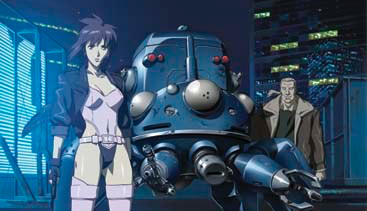
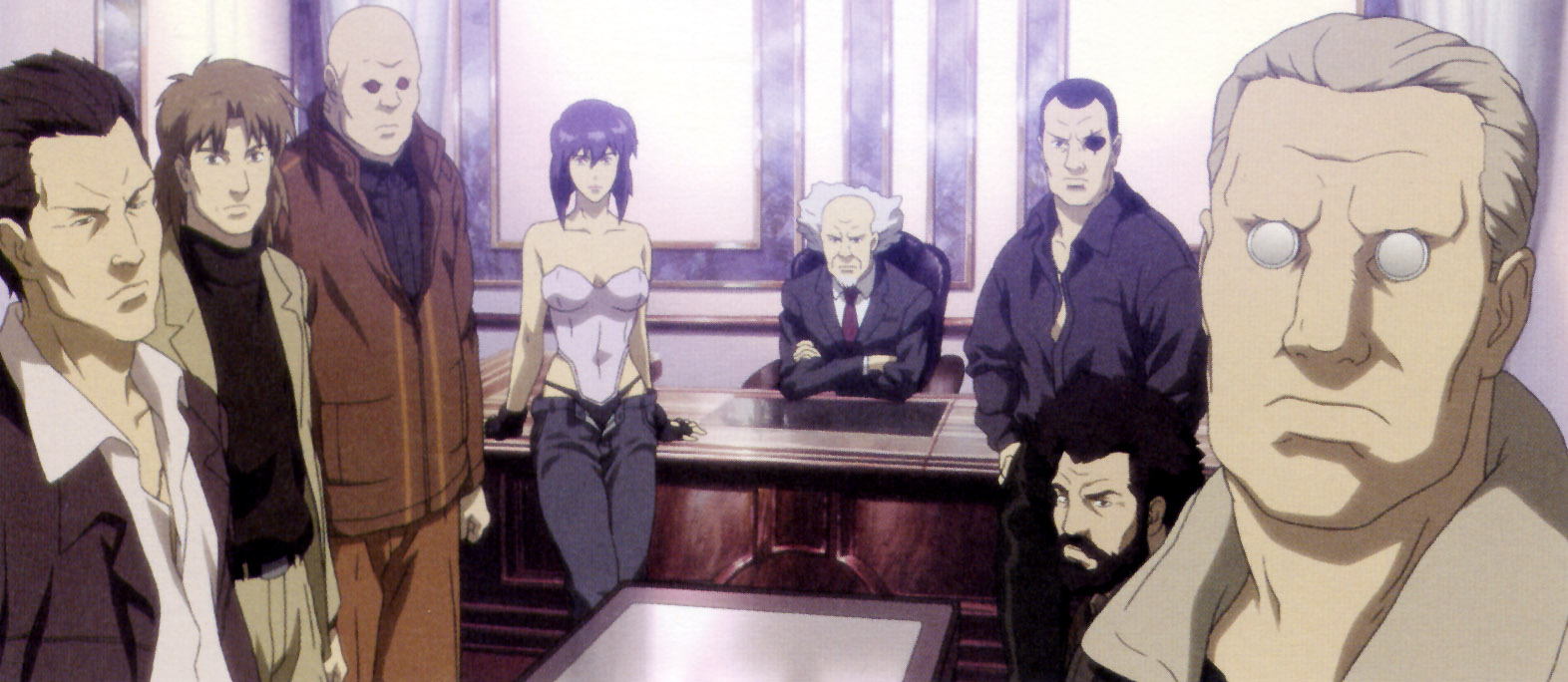
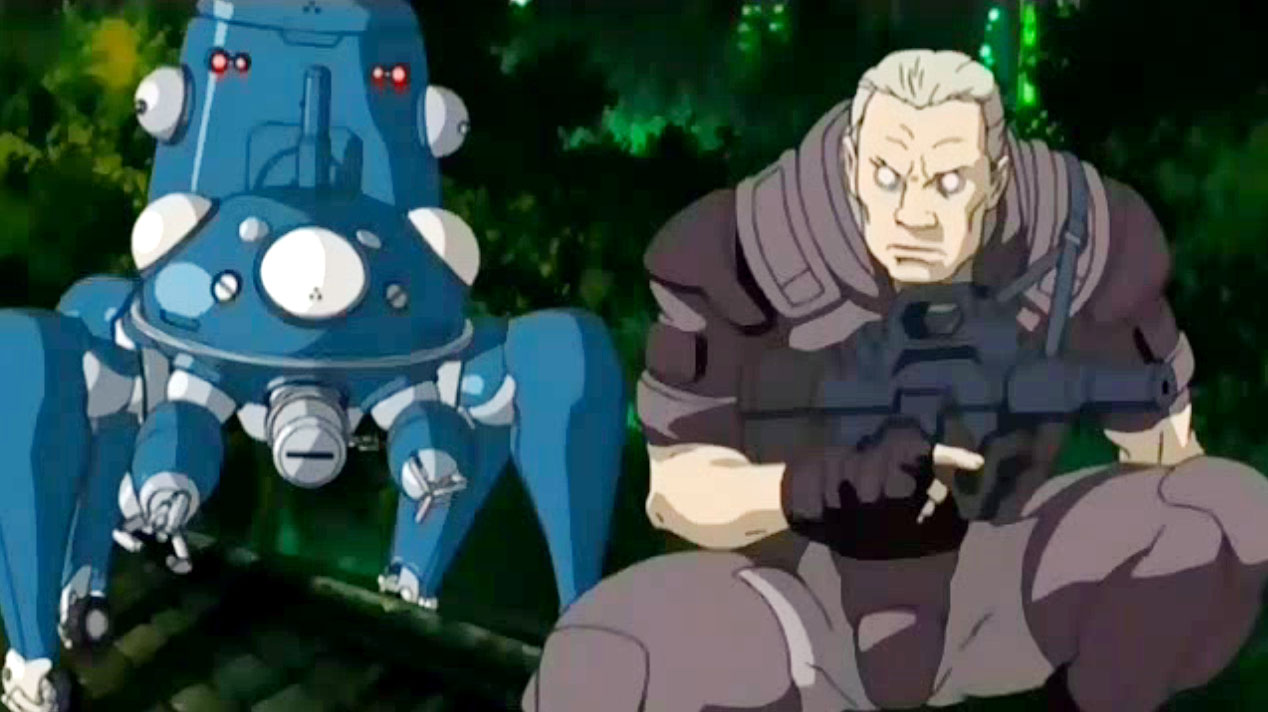
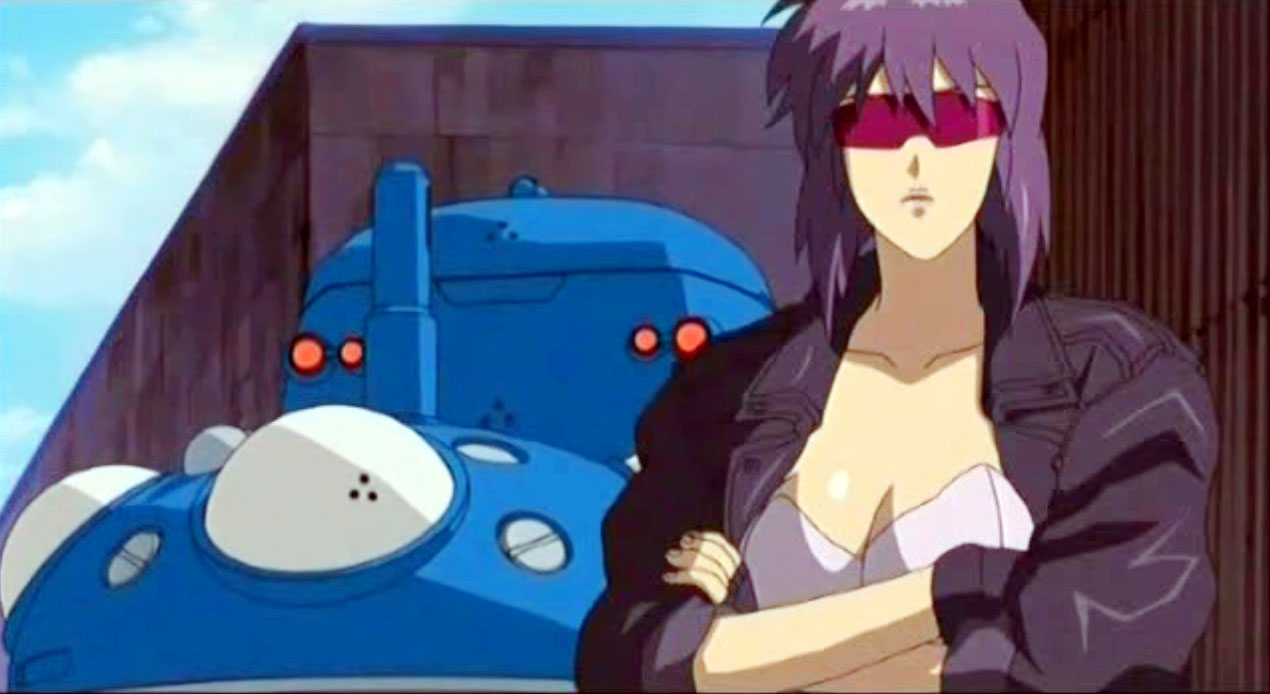
Kodansha and Production I.G. have announced a new Stand Alone Complex anime series titled Ghost in the shell: Stand Alone Complex_2045. Directed by Kenji Kamiyama and Shinji Aramaki, the series will have two 12-episode seasons (each director overseeing one season) starting on Netflix worldwide on April 23. The anime will be a 3D CG animation and the character designs are by Russian illustrator Ilya Kushinov. (Source: ANN’s “Ghost in the Shell- SAC_2045 Anime Reveals Trailer, New Cast, April 23 Debut“).
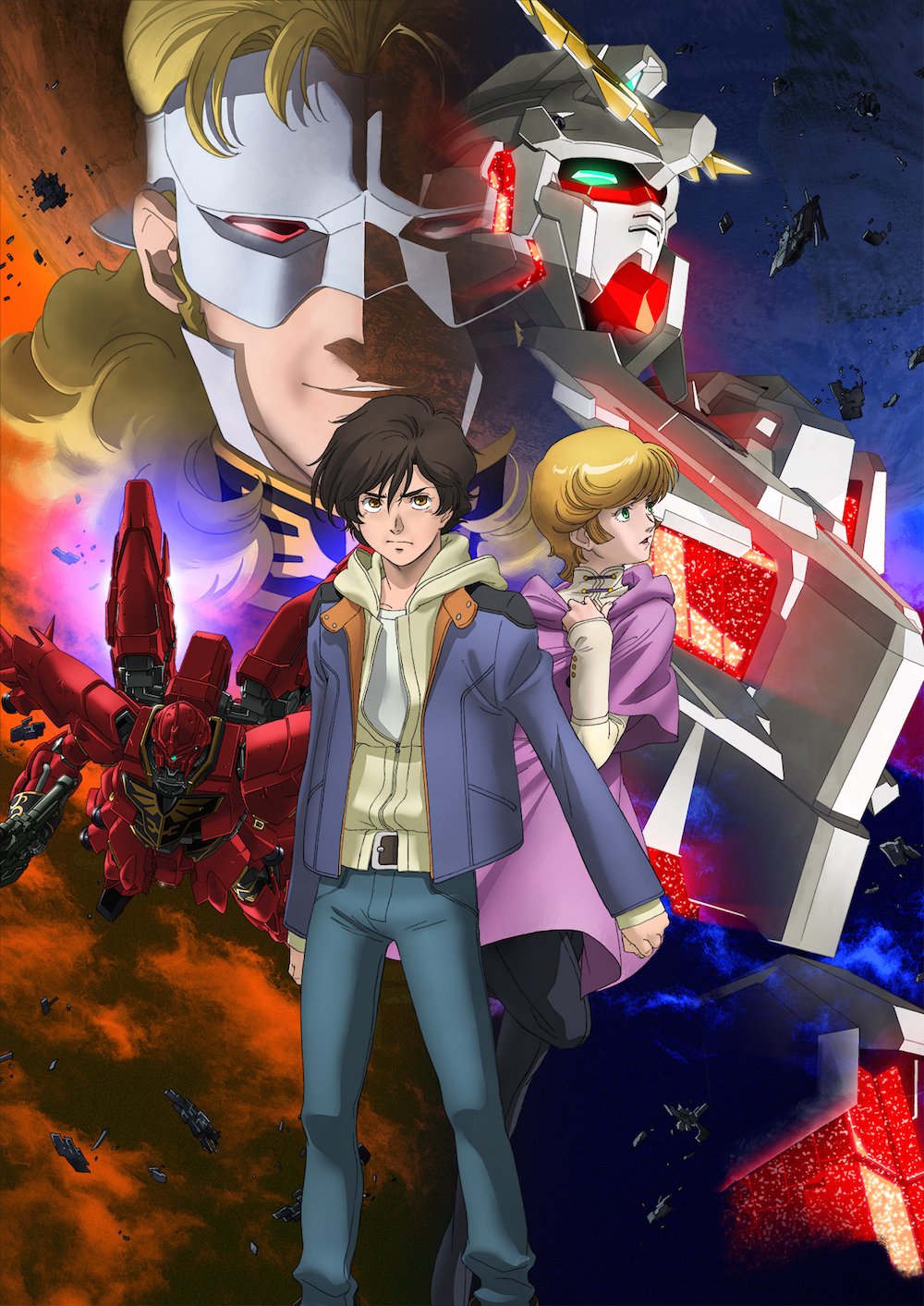
There will be another Gundam movie titled Mobile Suit Gundam Hathaway (Kidō Senshi Gundam: Senkō no Hathaway). Due to open in Japanese theatres on July 23rd, the movie is based on a novel series by Yoshiyuki Tomino. It deals with the aftermath of Char’s Counterattack‘s climatic finale and is centred around Hathaway Noa, the son of captain Bright Noa. The project is directed by Shukou Murase, with a script by Yasuyuki Mutou, character designs by Pablo Uchida, Naoyuki Onda, and Shigeki Kuhara, and mechanical designs by Hajime Katoki, Kimitoshi Yamane, Seiichi Nakatani, and Nobuhiko Genba. (Source: ANN’s “Gundam- Hathaway Anime Film Teased With New Visual”).
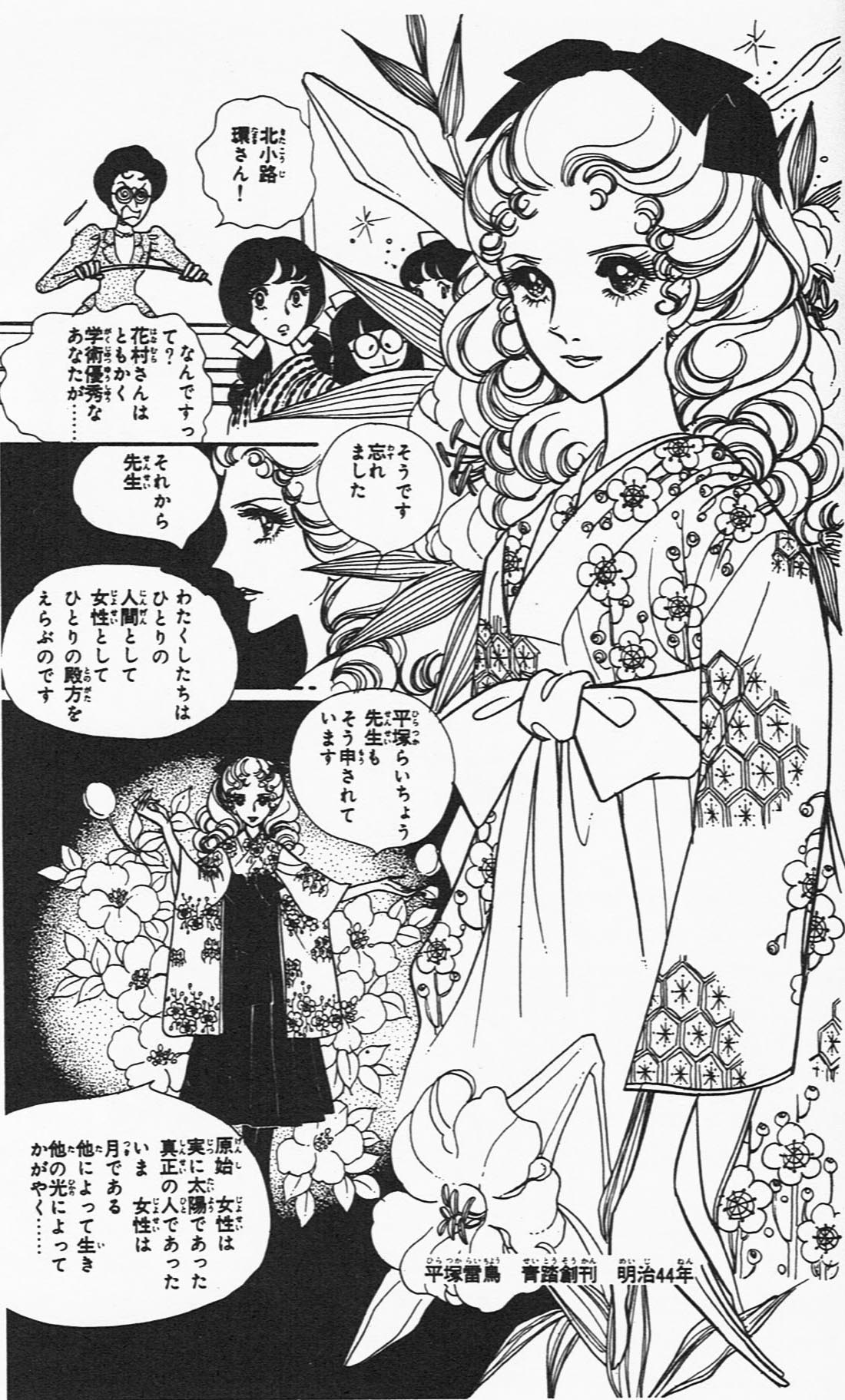
Surprisingly, I discovered that 70 year-old mangaka Moto Hagio is still quite active. The fourth arc of her series Poe no Ichizoku (The Poe Clan), Himitsu no Hanazono (The Secret Garden), was put on hiatus last May but will resume in the August issue of Shogakukan‘s Monthly Flowers magazine on June 27. The original story, Poe no Ichizoku was first published in Japan in 1972–1976, with a sequel, Poe no Ichizoku: Haru no Yume, published in 2016–2017 and a third arc, Poe no Ichizoku: Unicorn, was published in 2018–2019. Fantagraphics Books (which has already released several of her titles: The Heart of Thomas (1973–1975), Otherworld Barbara (2002–2005), A Drunken Dream and Other Stories (2010)) is releasing the manga in English as a two-volume omnibus. (Source: ANN’s “Moto Hagio’s Latest The Poe Clan Manga Resumes in June”).
NHK announced that it is producing a live-action series adaptation of Jiro Taniguchi‘s The Walking Man (Aruku Hito) manga to premiere on NHK BS4K channel on April 5, with new episodes coming on the first Sunday of every month. The unnamed protagonist will be played by actor Arata Iura. (Source: ANN’s “Jiro Taniguchi’s The Walking Man Manga Gets Live-Action Series”).
My friend Frederik L. Schodt has been interviewed by the Cartoonist Kayfabe (Ed Piskor & Jim Rugg). It is available on their Youtube channel: “Frederik L. Schodt, The Man Who Introduced Manga To America, Shoot Interview!”. Have a look:
If you are bored because of self-isolation you can now watch lots of classic anime on this new streaming service called RetroCrush ! A parent to AsianCrush, this video-on-demand service is free (but ad-supported) and is available only through apps (on iOS, Android, Amazon Fire TV, Roku, and smart TVs).(Source: ANN’s “Digital Media Rights’ RetroCrush Anime Streaming Service Launches With Classic Anime Titles”).
Here is the list of titles available so far (either Sub and/or Dub): 8 Man After, A Wind Named Amnesia, A.D. Police, Adieu Galaxy Express, Angel Cop, Area 88, Black Jack, Blue Seed, Blue Submarine No 6, Bubblegum Crash!, Bubblegum Crisis, Card Captor Sakura, Ceres Celestial Legend, Chargeman Ken!, Cosmos Warrior Zero, Creamy Mami, Cromartie High School, CyBuster, DNA2, Dagger of Kamui, Dallos, DearS, Demon City Shinjuku, Demon Lord Dante, Devil Lady, DieBuster, Eat-Man, Eat-Man ’98, Fighting Foodons, Flame of Recca, Fuse: Memoirs of the Hunter Girl, Fushigi Yuugi, Gakuen Heaven, Galaxy Express, Giant Gorg, GoShogun, GodMars, Goku Midnight Eye, Gokudo, Golko 13: The Professional, GTO, Hells, Iria: Zeiram The Bounty Hunter, Jin-Roh, Jungle Emperor Leo, Kaiba, Key: The Metal Idol, Kyousougiga, Library War, Like the Clouds Like the Wind, Lily CAT, Mononoke, Nagasarete Airanto, Night on the Galactic Railroad, Otaku no Video, Pilot Candidate, Pop Team Epic, The Princess and the Pilot, Project A-ko, Riding Bean, Robot Carnival, Samurai Pizza Cats, Samurai Troopers, Sea Prince and Fire Child, Shining Tears x Wind, Space Adventure Cobra, Space Warrior Baldios, Street Fighter II, Tenjho Tenge, Thermae Romae, Toriko: Special Recipe of Gourmet God, Twelve Kingdoms, Twilight of the Cockroaches, Ultra Maniac, Urusei Yatsura Beautiful Dreamer, Vampire Princess Miyu, Virtua Fighter, Wicked City, Zombie Loan.
And here are a few more news:
- New Gundam Video Debuts by Life-Size Unicorn Gundam Statue (ANN)
- Kodansha USA Announces Codename: Sailor V Eternal Edition, Ghost in the Shell: The Human Algorithm, Orient, More Manga for Print (ANN)
- Mari Yamazaki: Olympia Kyklos Clay Anime Premieres on April 20 (ANN)
- Live-Action Yowamushi Pedal Film Unveils Teaser, New Visual (ANN)
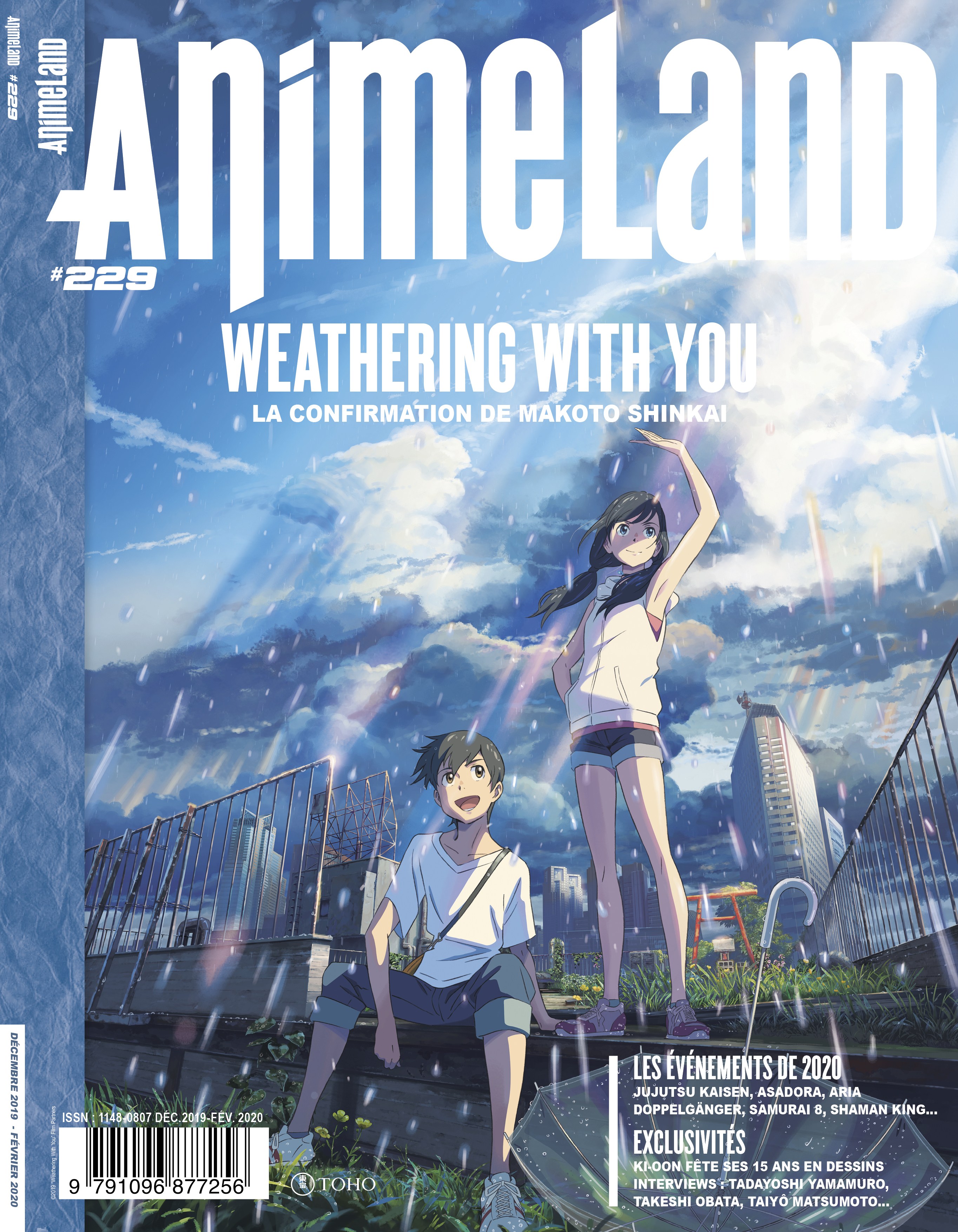
- Weathering With You Wins Japan Academy Prizes’ Animation Award (ANN)
- Mamoru Oshii’s Vladlove Anime Unveils Key Visual, Character Visuals (ANN)
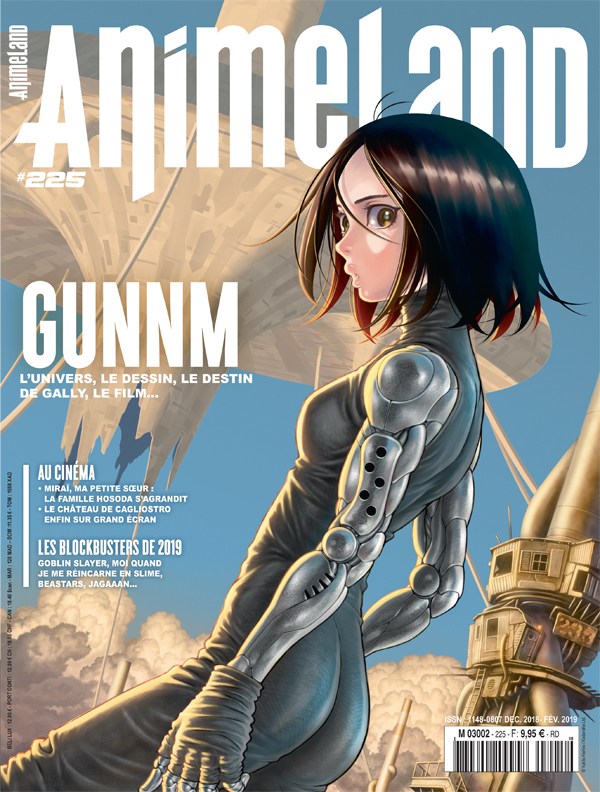
- Netflix Partners With CLAMP & Kindaichi, Gundam Thunderbolt, Goth, Mardock Scramble, Thermae Romae Creators for New Anime (ANN / Animeland)
- Alita: Battle Angel Fans Fly Airplane Banner Over Oscars Requesting Sequel (ANN / Animeland)
[ Traduire ]

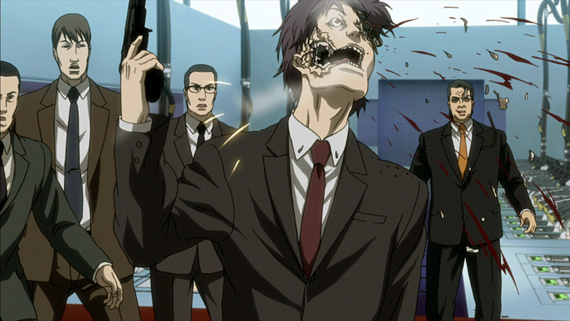
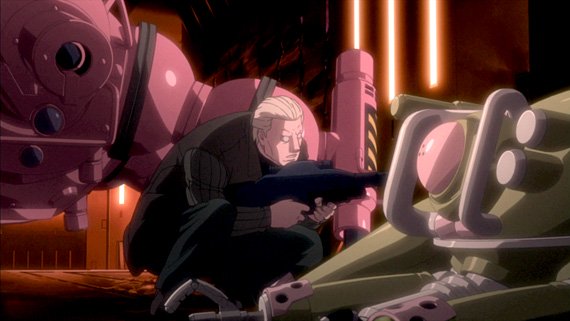
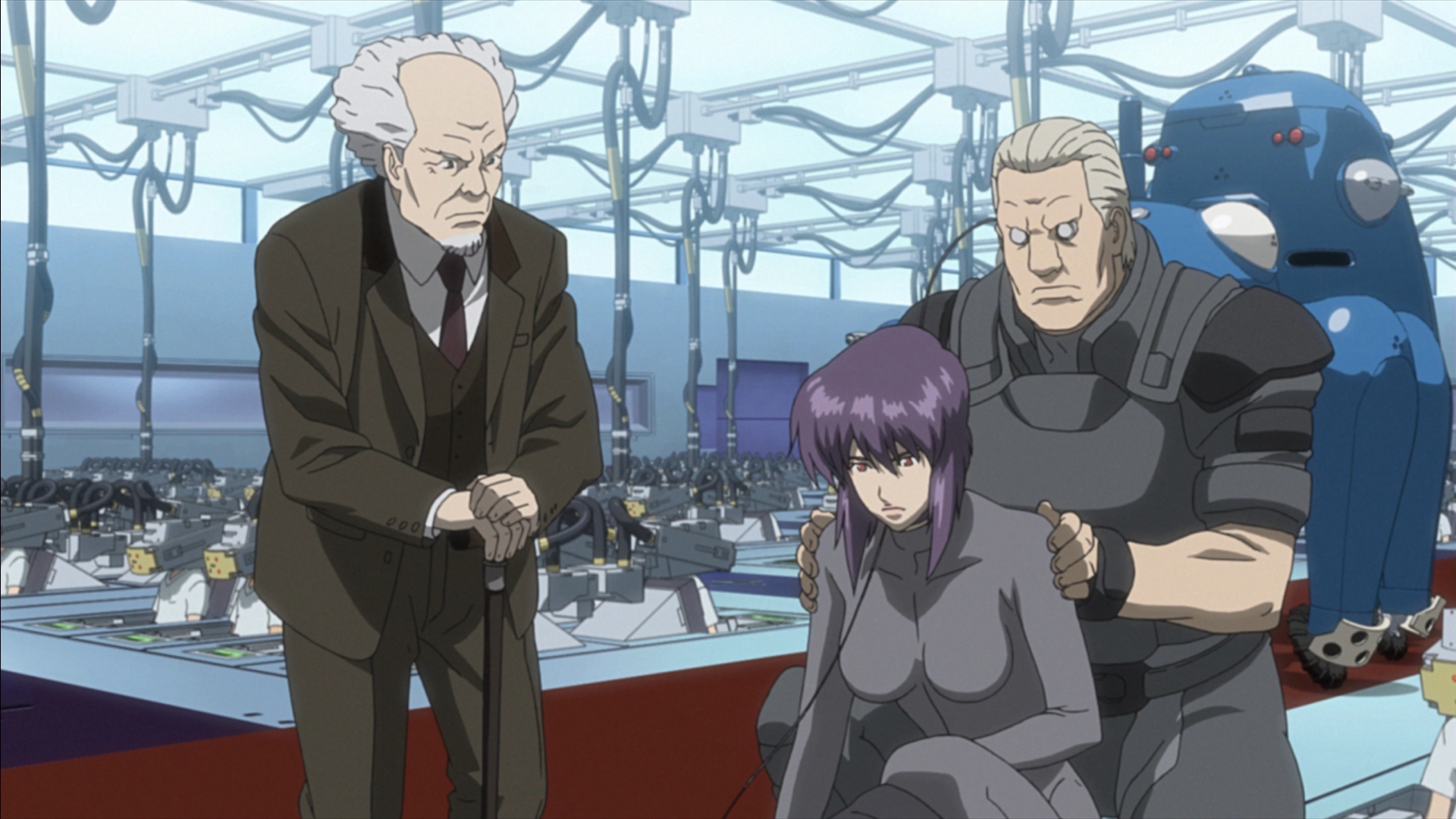


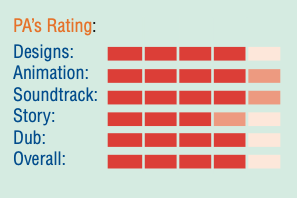

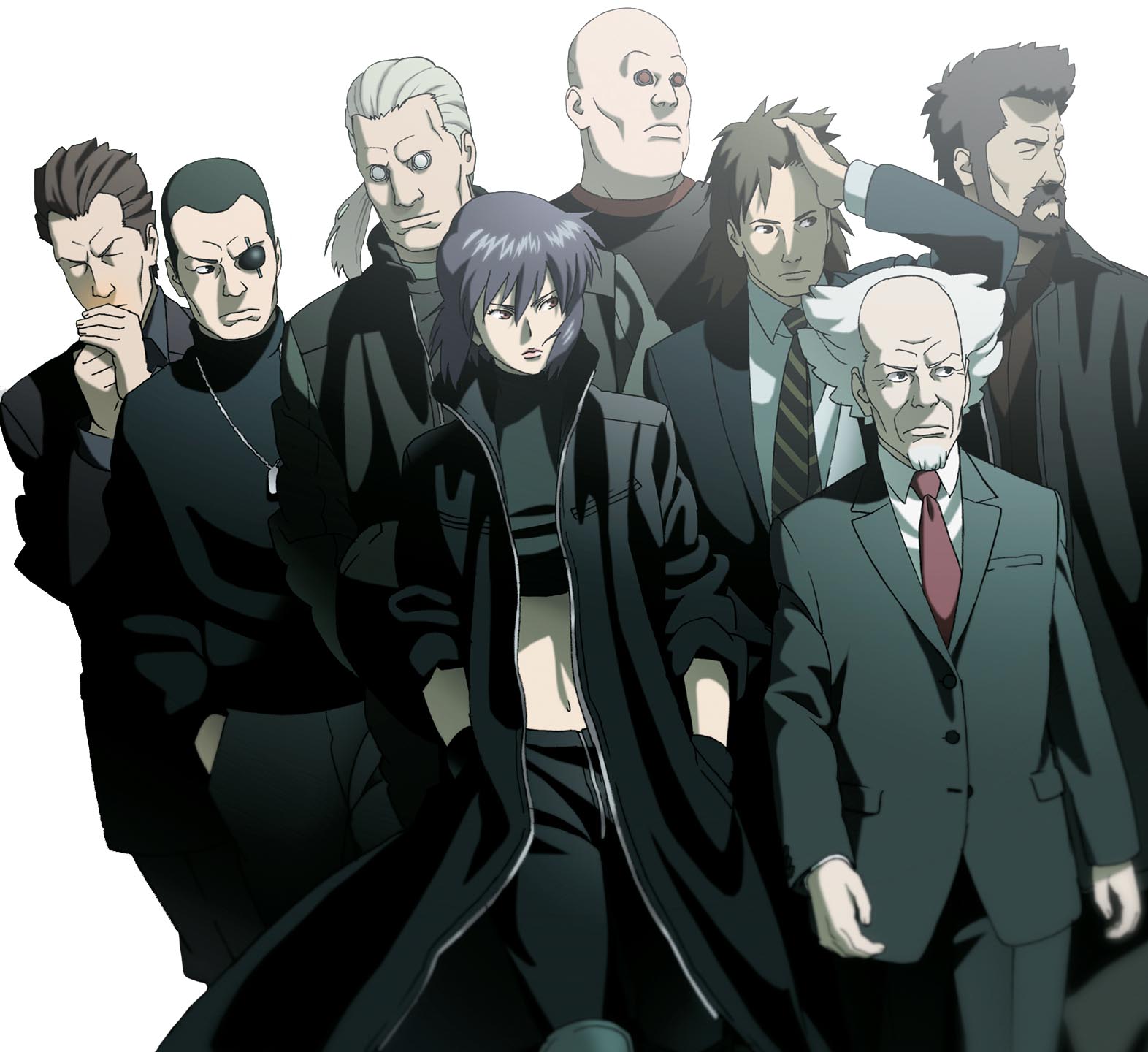
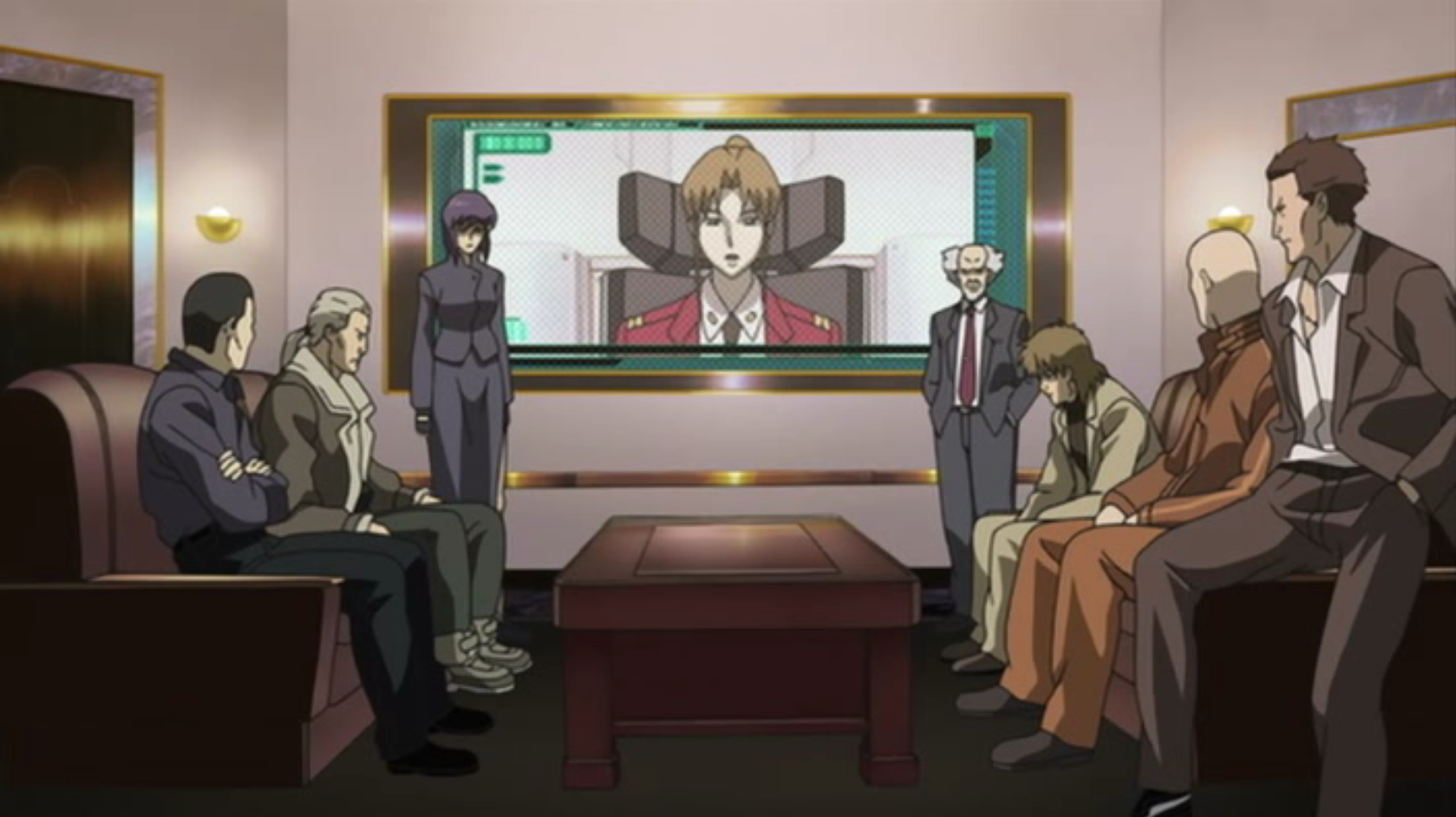
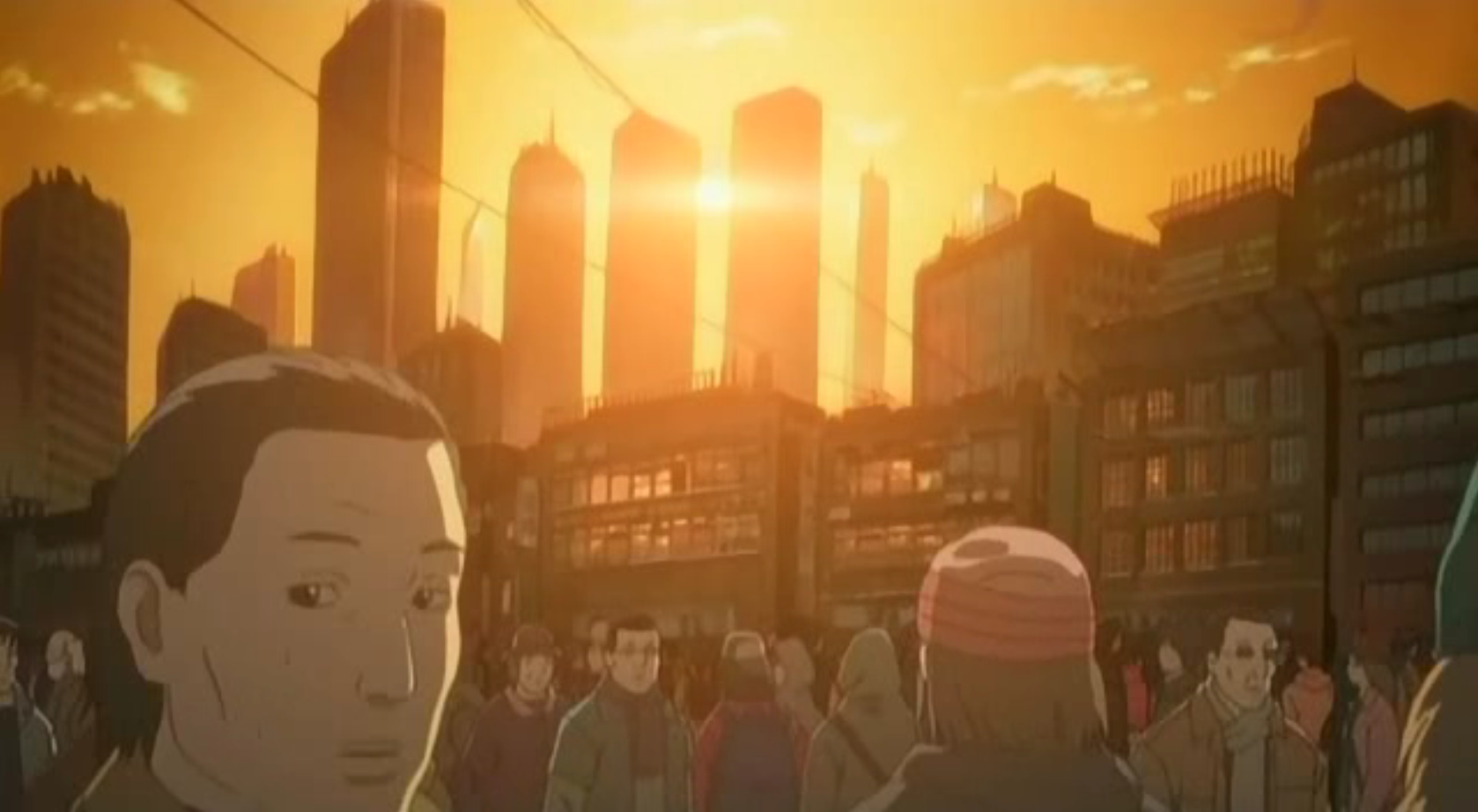
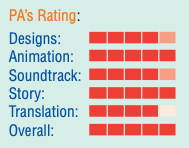
 With the TV version of Ghost in the Shell (Kokaku Kidotai) director Kenji Kamiyama (and his production team — including the full support of original creator Shirow Masamune) is bringing a new dimension to the standard police detective drama adding a techno-cyberpunk flavour. Not only is this a very high quality show visually (HD full-digital screen to satisfy even the most hard-core fan!), but it is also full of exciting, intelligent storytelling. You can see that the writers really put forward their best efforts to attract viewers.




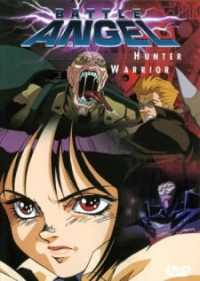 Battle Angel (銃夢 / Ganmu [Gunnm] / lit. “Weapon dream”) compiles two




 Les week-ends se déroulent rarement comme prévu. Je planifiais de faire de menus travaux, de la comptabilité, de lire et commenter des mangas (surtout










































 Clodjee's Safe-House