J’écoute des documentaires à la télé française. Je vois tous ces lieux où j’aurais aimé vivre, tous ces gens que j’aurais aimé connaître. Je ressens un complexe sentiment de frustration, de nostalgie et de jalousie pour ces milliers de vies que j’aurais aimé vivre. Je réalise O combien je ne sais rien. O combien je n’ai pas vécu. Où sont passé toutes ces années ? N’est-il pas trop tard pour tout recommencer ? Et mes yeux se remplissent de larmes…
I eat the beauty of the night
The warmth of the wind is my drink
I stare over the city, with a sigh
Lost in the loveliness of the stars
Yes, they are unreachable, too far
But I can’t quit looking, without a blink
And I hope, even if I deeply know
That no help from there will ever come
This rejected salvation is the thorn
Which pierce my heart with sorrow
My love is a mirror without reflection
Broken picture of a dying soul in dereliction
1990-07-30
Sejanus
Morwajal
Notes: More fragments from the Sunday’s Poet thirty year-old notebooks. No form and some poor rhymes…
J’adore me promener dans le Parc Frédéric-Back car tous les jours on y découvre différents aspects de la nature, surtout au printemps. Samedi dernier, j’y ai vu plus d’une dizaines d’espèces d’oiseaux différentes en moins d’une heure. Mardi, j’y ai vu trois marmottes (il semble qu’il y ait un terrier de marmottes à peu près tout les soixante-quinze pieds dans la butte qui longe le sentier polyvalent). Aujourd’hui, j’y ai vu un couple de cardinals. Toutefois, une grande rareté, mercredi j’y ai vu une… couleuvre !
Il s’agit probablement d’une jeune couleuvre mince (Thamnophis sauritus / ribbon snake en anglais) ou possiblement d’une jeune couleuvre rayée (Thamnophis sirtalis / simplement “common garter snake” en anglais). Elle était encore assez petite (une trentaine de centimètres). Je me souviens que dans ma jeunesse on en trouvait beaucoup dans notre cour ou dans les champs mais l’utilisation de pesticides et la disparition de leur habitat les a rendu beaucoup plus rare. La couleuvre (Garter snake en anglais) est une espèce de serpents, un sous-ordre de l’ordre des Squamata, de la classe des reptilia. Elle appartient à la famille des Natricidae et au genre des Thamnophis(qui regroupe une trentaine d’espèces de serpents de plus petites tailles et généralement non-venimeuses). (Source: Wikipedia)
Thelife in the time of the coronavirus continues… This is the third status report since the beginning of the coronavirus pandemic (the other two were in March and mid-April). We’ve now been under confinement for six weeks (forty-two days — a true quarantine) !
Despite the apocalyptic feelings we get from the news, the moral is good. However, I am still slightly apprehensive that this heavenly isolation will ends. It starts to feels like an early retirement. But the world has to follow its course and the show must go on. I could be recalled to work anytime within the next two or four weeks. In order to avoid giving the impression that I had been sitting idle through this paid leave, I’ve sent to the libraries’ blog a few reading comments (manga and comics — since “May is the comics month”) that should be posted in the following weeks… (I’ve already contributed more than a dozen comments in 2017-18 and now more are coming).
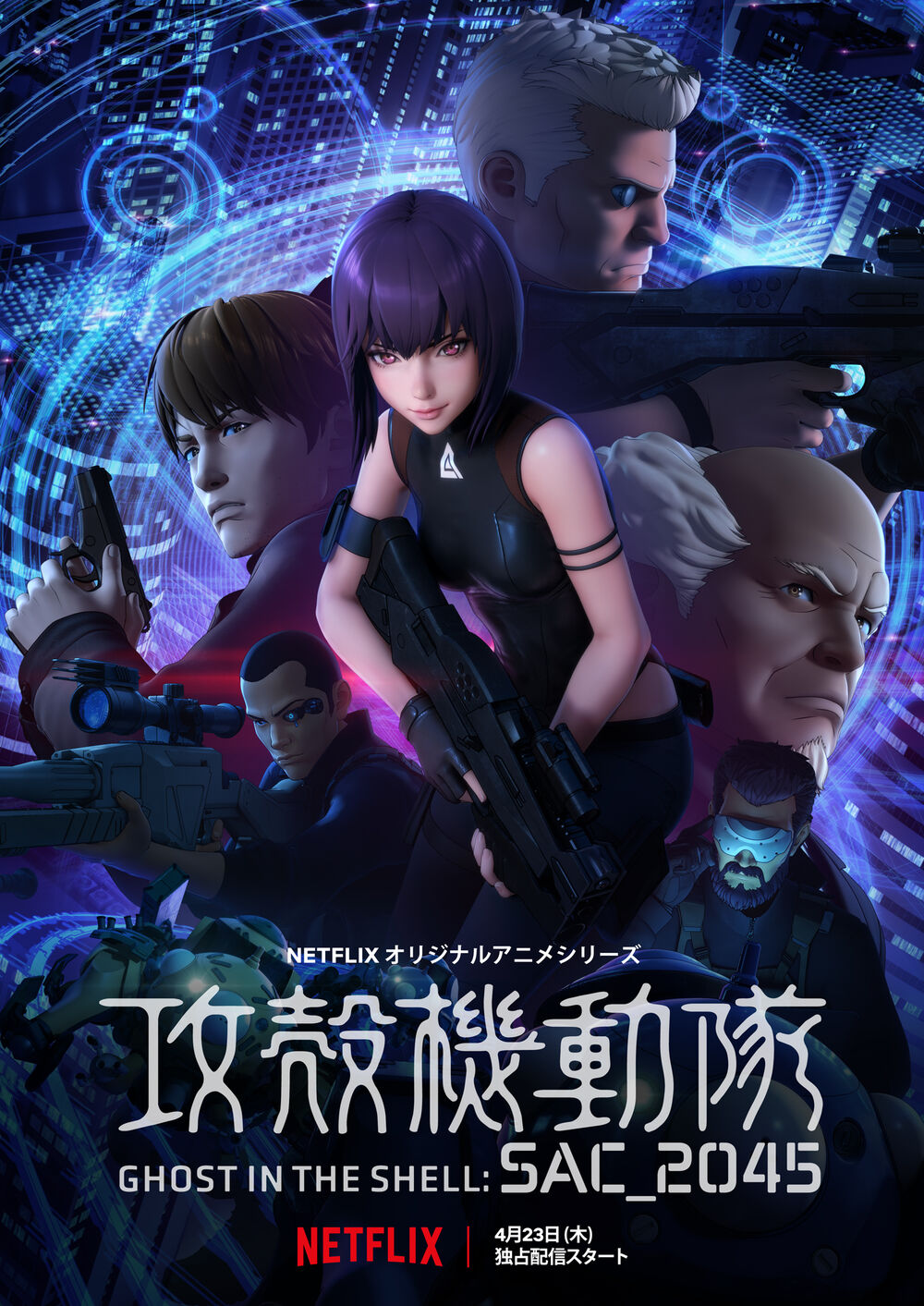
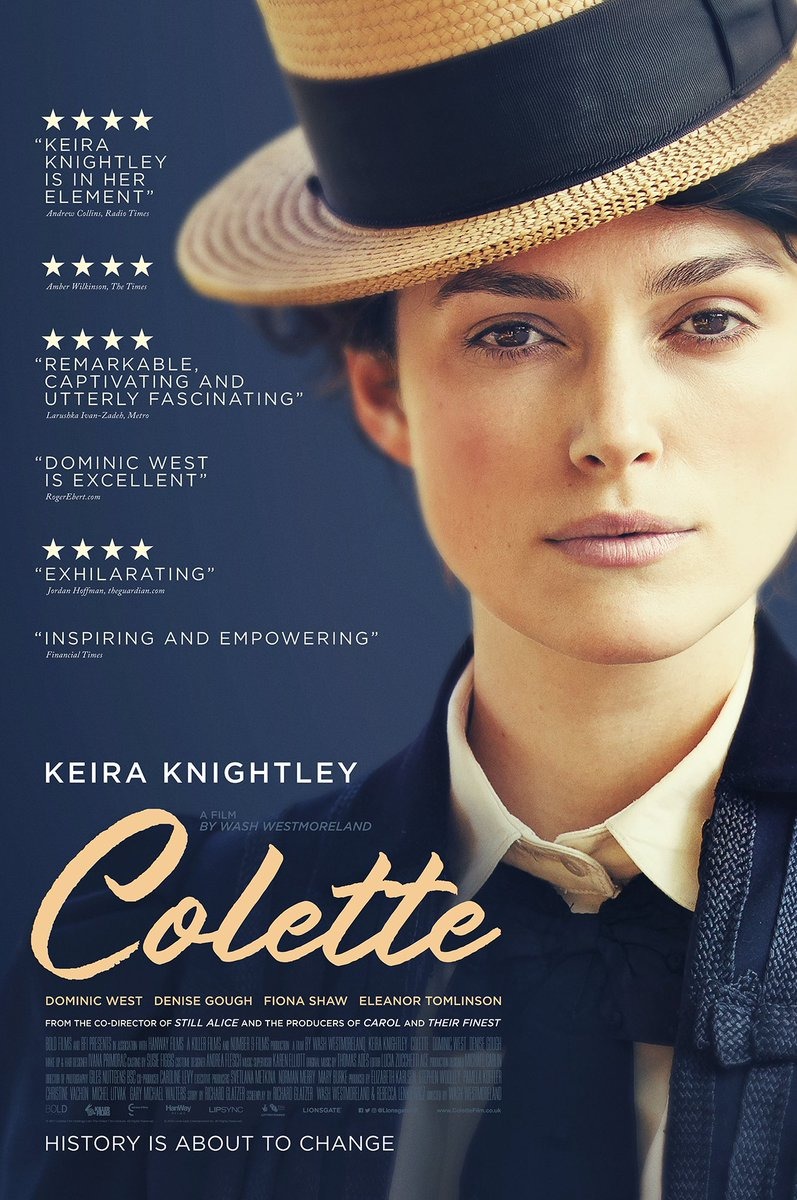
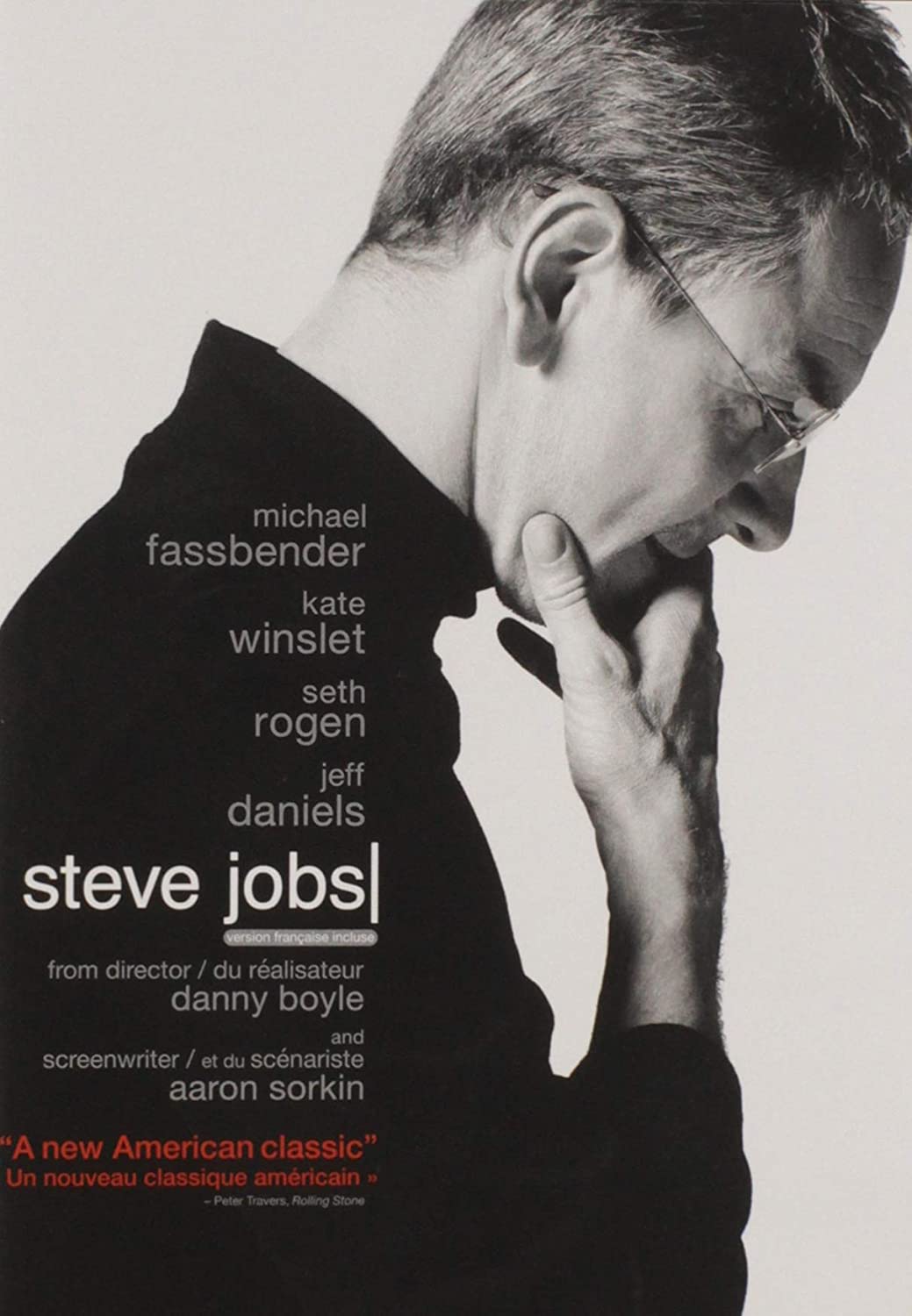
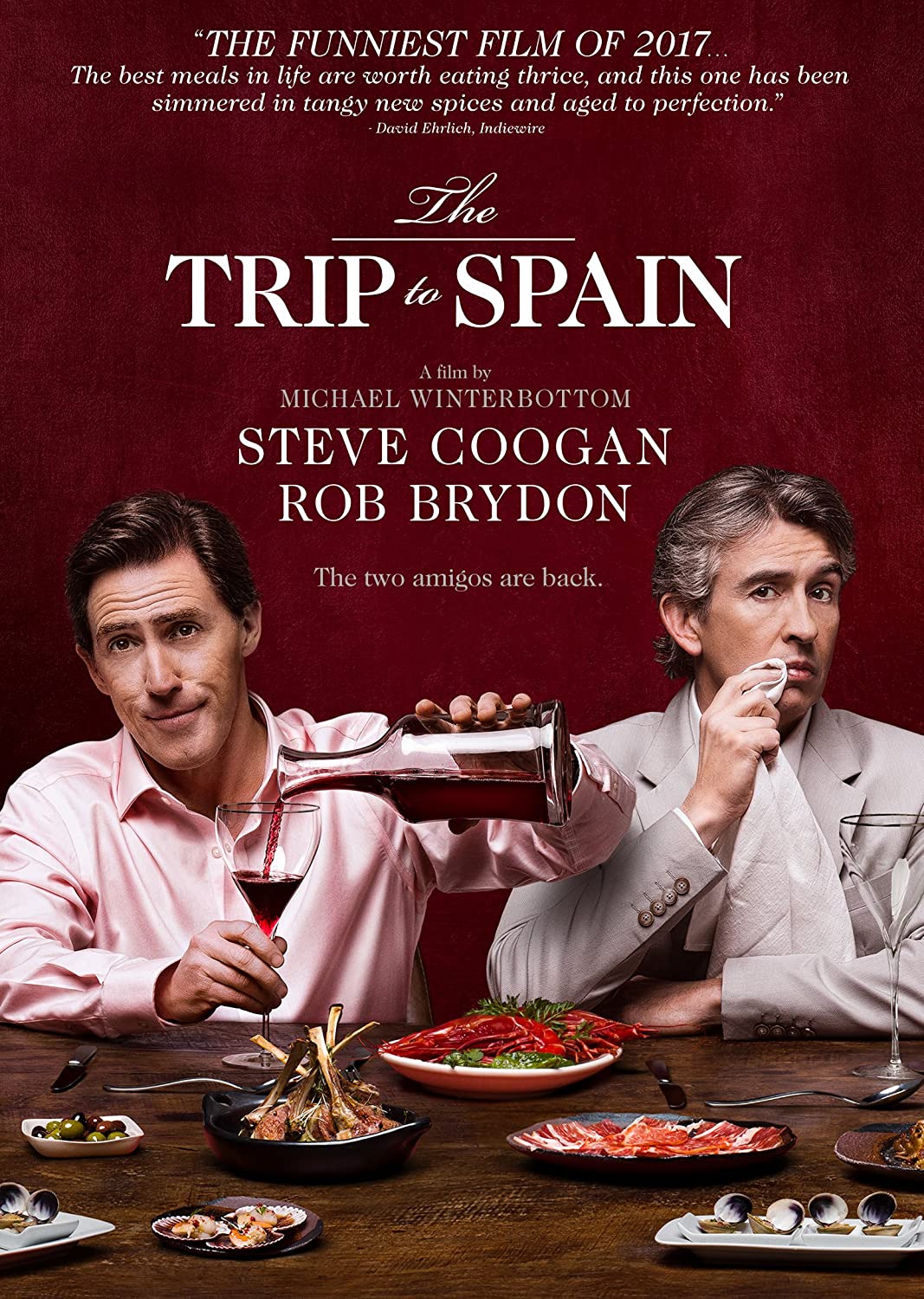
Evidently, I kept busy. Beside my weekly postings and writing about the latest Notable news and Earth day, I took a break from reading and commented mainly about movies (The trip to Spain, Steve Jobs, Colette, Book Club) and a superb anime TV series (Ghost in the Shell: SAC_2045). I wrote less because there was still a lot to do around the house: plumbing projects to finish, tiles to be replaced, a tree stump to be removed (although I’ve quit on this one), gardening, etc.
Tuiles
Lavabo toilette RDC
Lavabo sous-sol
Souche
Retailles de souche
[ iPhone 11 Pro, house work, 2020/04/20, 28-29 ]
Although I still have some gardening and painting to do, I am planning to go back to reading and writing about it. I still have a few novels to read (now I am reading the Japan epistolary travelog of Isabella Bird, Unbeaten Tracks in Japan — it’s so long and made mostly of descriptions) but I will concentrate mainly on manga and comics (I still have plenty of those to read!) because “May is the month of the comics” (Mai, le mois de la BD — for lack of activities in the libraries, the NFB is offering us a selection of films made by cartoonists or drawn from comic books).
Indeed, May is at our doors! May, the most beautiful month of the year! The warm side of Spring that brings back the colour green, leaves on the trees, bugs & birds and… flowers! And, of course, the latest Star Wars movie (episode IX), The Rise of Skywalker, will start streaming on Disney+ on May the 4th [be with you]…
Cette image nous donne une idée de la forme des choses à venir… Il s’agit bien sûr de fleurs de Lilas commun (Common lilac en anglais), une espèce d’arbuste ornemental de l’ordre des Scrophulariales, de la famille des Oleaceae et du genre Syringa. La fiche signalétique nous indique que c’est le cultivar “Maréchal de Bassompierre”. Le lilas a aussi des qualités médicinales (friction contre les rhumatismes, infusion contre l’engorgement du foie, effet hypotenseur). Toutefois, pour beaucoup, cette fragrance rappelle surtout le printemps. Que j’ai hâte à l’arrivé du mois de mai ! (Source: Wikipedia). [ Translate ]
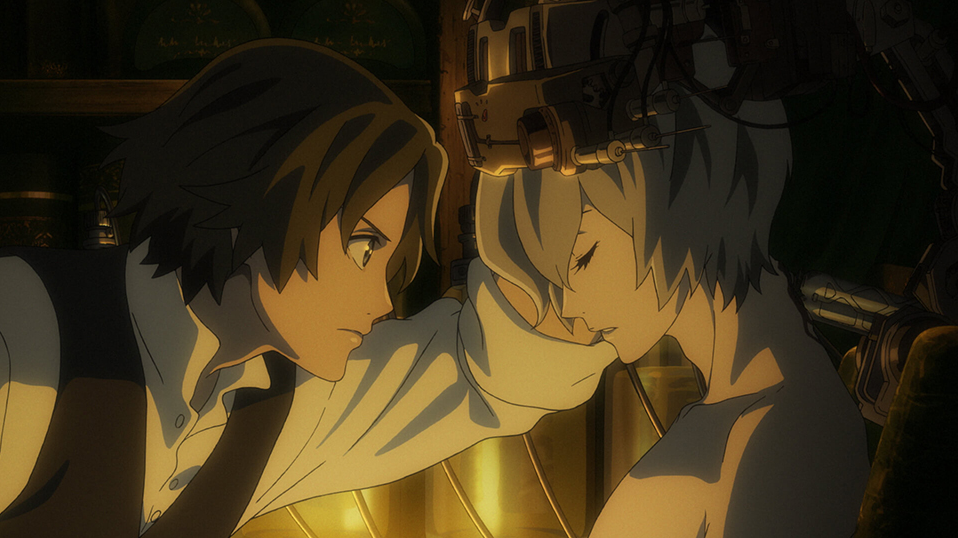
“When sustainable war spawns a “post-human” threat, Major Kusanagi and her Section 9 team are called back into action.
In the year 2045, after an economic disaster known as the Synchronized Global Default, rapid developments in AI propelled the world to enter a state of “Sustainable War”. However, the public is not aware of the threat that AI has towards the human race.
Full-body cyborg Major Motoko Kusanagi and her second-in-command Batou are former members of Public Security Section 9, who are now hired mercenaries traveling hot devastated American west coast. This land is full of opportunity for the major and her team, they utilize their enhanced cyberbrains and combat skills from their time working in Section 9. However, things get complicated with the emergence of “post humans,” who have extreme intelligence and physical powers. The members of Section 9 comeback together again in order to face this new threat.”
At the end of the Stand Alone Complex TV series, Section 9 is disbanded. In this series, the team has become a mercenary unit named GHOST that operated outside Japan (mostly in the United States) for the last six years. The only former member that didn’t joined GHOST was Togusa. He hesitated because of his family and later regretted the decision. He eventually divorced and found a job at a private security company. The Prime Minister asks Aramaki to reform Section 9 and Togusa is put in charge of locating his former colleagues.
After a failed mission where they were defending a one-percenter against the attack of a group of outlaws, the GHOST team is kidnapped by the NSA who want to use them in a mission to capture Patrick Huge, the rich owner of a tech company. The target reveals itself as a formidable opponent that can anticipate their move and even hack their cyberbrains. As the Major is about to be taken over, Saito terminate Huge. Smith is furious because he wanted him taken alive in order to study him. He explains that Huge was what the NSA calls a “Post-Human.” So far, humans have improved themselves with cyberbrains and cyber-implants. However, the post-humans are the opposite: A.I. which somehow have succeeded in taking over the brain of humans and therefore represent an unprecedented threat to humanity. Unfortunately, Smith consider the GHOST team as a liability and want to eliminate them. He is stopped by Aramaki who arrives in extremis with new orders from the American President. The new Section 9 mission will be to hunt post-humans.
It’s episode 8 and the real story finally begins. The team is back in Japan after six years (Batou came back a few days earlier but got entangled in a bank robbery). There are three post-humans that have been identified in Japan. One is an ex-boxer who seems to have a grudge against corrupt politicians. He kills the Prime Minister’s father-in-law and then goes after Teito himself but stops short of killing him (maybe he felt that he was a good man?). The next post-humans to be identified is a teenager that wrote a program creating mob justice. As they are investigating his story, Togusa get infected by some of his code and disappears! Will he becomes a post-human too? To be continued… in the second season (another twelve episodes, directed this time by Shinji Aramaki, but no release date has been announced yet).
>> End of Warning <<
I’ve mentioned this series recently and was eager to have a look — although I was sure that I would totally dislike its 3D animation. Yes, a few aspects of the CGI are quite awkward — the movements of the characters seem sometimes odd despite that fact that it’s motion capture animation and some character’s hair, mostly Aramaki’s and Tokusa’s — but the 3D quickly grow on you and you eventually even forget that it’s there as you focus on the action and the story. The character designs (by a Russian artist) are faithful and pleasant (the Major sure looks like a doll!) and the storytelling is excellent: well paced and captivating. My favourite part is that, as usual with Ghost in the Shell, the cyberpunk background world (socio-political setting, technology, etc.) is quite superb.
Interestingly, the story seems inspired by the work of transhumanistRay Kurzweils, who predicted that the A.I.singularity would occur in 2045. One element of the story that differ from the previous series, which are generally nippo-centric, is that the first half is set in the United States (which has experience some sort of civil war again). Also, when I watched the series on Netflix, no dubbed version was available yet because the coronavirus lock-down has delayed production (I am more of a subtitles guy anyway).
So far, this new Stand Alone Complex series seems not much appreciated by the critics, considering the very average ratings that it is receiving (6.0 on IMDb, 47% on Rotten Tomatoes, and C+ on ANN). Anime fans are probably irked by the 3D animation. Too bad for them. It is an excellent anime, well worth watching. It is entertaining, an appropriate continuation of the franchise and, despite my initial misgivings, quite beautiful. A must see for any anime, cyberpunk or Ghost in the Shellfans.
Luckily, I’ll ride that trail
If not it will be hell
It matters little what I’ll find
The return is what I really mind
Each step will increase the weight
Of this life I hate without escape
I fear any radical change
And death seems out of range
No oblivion in immortality
No perfection in misery
I must journey on this despicable path
And to destiny spare my wrath
10-01-90
2. THE WRECK
On your ship you’re the only master
And alone responsible for its disaster
14-03-90
3. THE VOICE
My dreams are my bane
Each night they make me insane
A voice shout: “Leave him alone”
And when I woke up all hope was gone
06-90
Sejanus
Morwajal
Note: A few more thirty year-old fragments from my notebooks, scattered verses that never made it into poetry. No real form, but at least it rhymes. Maybe one day, if inspired, I’ll take the time to recycle them into proper poetry… [ Traduire ]
“Diane (Diane Keaton) is recently widowed after 40 years of marriage. Vivian (Jane Fonda) enjoys her men with no strings attached. Sharon (Candice Bergen) is still working through a decades-old divorce. Carol’s (Mary Steenburgen) marriage is in a slump after 35 years. Four lifelong friends’ lives are turned upside down to hilarious ends when their book club tackles the infamous Fifty Shades of Grey. From discovering new romance to rekindling old flames, they inspire each other to make their next chapter the best chapter.”
Four friends of a certain age are meeting regularly for their book club. As they feel they are stuck in their life, they will find the courage to go beyond their confort zone and try new experiences after reading Fifty Shades of Grey ! It is the proof that books can change your life !
Like most rom-com the story is very simple, but quite funny and mostly dialogue-based. The acting is excellent (which is to be expected considering its strong cast), the storytelling is well knit — although it doesn’t offer many surprises. It was very successful at the box office (making about seven times its initial budget) despite very average ratings from the critics (6.1 on IMDb, 54% / 52% on Rotten Tomatoes and 53% on Metacritic). All in all, it is very entertaining. It’s a good movie to forget all your troubles for a moment.
To learn more about this title you can consult the following web sites:
“After marrying a successful Parisian writer known commonly as “Willy” (Dominic West), Sidonie-Gabrielle Colette (Keira Knightley) is transplanted from her childhood home in rural France to the intellectual and artistic splendor of Paris. Soon after, Willy convinces Colette to ghostwrite for him. She pens a semi-autobiographical novel about a witty and brazen country girl named Claudine, sparking a bestseller and a cultural sensation. After its success, Colette and Willy become the talk of Paris and their adventures inspire additional Claudine novels. Colette’s fight over creative ownership and gender roles drives her to overcome societal constraints, revolutionizing literature, fashion and sexual expression.”
It takes the British to produced an interesting bio-pic about the iconic French writer Colette! The movie is very simply made (the budget must have been small) but the sets are very nice and authentic (it was filmed in Budapest). The acting is also quite superb particularly for Keira Knightley. Like all biographical work it is certainly dramatized but it seems quite faithful to the highlight of Colette’s life. The movie focuses mainly on the period when Sidonie-Gabrielle Colette (played by Knightley) was married to Henry Gauthier-Villars (aka “Willy”, played by Dominic West), the writing of the Claudine novels and her lesbian affairs, first with American socialite Georgie Raoul-Duval (played by Eleanor Tomlinson, of Poldark fame — although her attempt at an American accent is rather disappointing) and then with the aristocrat Mathilde de Morny (aka “Missy”, played by Denise Gough) — which could be considered the French Gentleman Jack. The movie ends as she separates from Willy, after his Claudine betrayal, and finally starts her prolific solo career as a writer.
Colette offers a very good cinematic experience: it is beautiful, interesting and entertaining all at once and it makes you discover who Colette really was if, like me, you don’t know much about French literature. The movie seems to have gone relatively unnoticed (small box-office of$14.6 millions) despite a rather good critical reception (ratings of 6.7 on IMDb, 87% / 70% on Rotten Tomatoes and of 74 % on Metacritic). However, it is definitely worth watching (and it is currently streaming on Netflix).
To learn more about this title you can consult the following web sites:
Lundi dernier, lors de ma promenade quotidienne dans le parc, j’ai pu observer un couple de Pic mineurs (Downy woodpecker en anglais). C’est une espèce d’oiseau de l’ordre des Piciformes, de la famille des Picidae et du genre Dryobates. Il s’agit de la plus petite espèce de pics en Amérique du Nord. On voit ici deux images du mâle (reconnaissable par sa tache rouge à l’arrière de la tête). Lorsqu’il picore un arbre, le tambourinement est plus lent que les autres espèces de pics. Son chant ressemble à une série de courts “pik”. (Sources: Wikipedia et l’application iBird Canada)
Si la caméra du iPhone 11 Pro fait de meilleurs photos que les modèles précédents, le zoom demeure insuffisant pour ce genre de situation. Je devrais me promener plus souvent avec la Nikon (même si celle-ci est plutôt encombrante, surtout avec la lentille Tamron Tele-Macro 70-300mm; cela serait encore mieux avec l’Opteka 500mm mais je ne l’ai pas encore testé et ce serait encore plus encombrant!!)…
“Witness the founder of Apple like never before. Steve Jobs paints an intimate portrait of the brilliant man at the epicentre of the digital revolution, backstage in the final minutes before three iconic products launches. Directed by Academy Award winner Danny Boyle (Slumdog Millionaire), written by Academy Award winner Aaron Sorkin (The Social Network) and starring Michael Fassbender, Kate Winslet, Seth Rogen and Jeff Daniels.”
It is an interesting movie, cleverly written and superbly acted. However, because it is compressing all the story into those three events, it ends up overly dramatized. Also, if it expresses well the spirit and mentality of Jobs (without caring whether Fassbender looks like him or not), it is doubtful that the plots elements of the movie really happened the way it is depicted. At first, I was annoyed by this but, after all, it is based on Walter Isaacson’s biography and received the blessing of Wozniak, so it most have some sort of accuracy. I think it explains well the genesis of Apple and its very innovative products. If it barely broke-even at the box-office, it was very well received by the critics (with ratings of 7.2 on IMDb, 86% / 73% on Rotten Tomatoes and 82% on Metacritic). All in all, I think it is an interesting, well-made and entertaining movie. It’s worth seeing.
To learn more about this title you can consult the following web sites:
[ iPhone 11 Pro, le printemps dans VSP, 2020/04/20-22]
En ce jour de la Terre il est important d’avoir une bonne pensée pour cette planète qui nous nourrit et nous fait vivre malgré tous les abus que nous lui faisons subir. Cette année-ci est bien spéciale puisque c’est non seulement le cinquantième anniversaire de l’événement mais aussi parce que le confinement et la distanciation sociale que nous expérimentons en raison de la COVID-19 nous fait réaliser qu’il est possible et facile de réduire nos déplacements et notre consommation afin d’alléger le fardeau que l’humain impose à la planète. C’est quelque chose que nous devrions essayer de faire tous les jours de toutes les années. Pour la pérennité de la planète… [ Translate ]
La Rudbeckie hérissée (Black-eyed Susan en anglais) est une espèce de plante à fleurs de la famille des tournesols (Asteraceae) et du genre Rudbeckia. Originaire d’Amérique du Nord, elle est connue pour ses qualités médicinales (les autochtones l’utilisait en cataplasme contre les morsures de serpents et en infusion contre le rhume, comme vermifuge ou même diurétique) et tinctoriales. Une partie de la plante est comestible et aurait des propriétés d’antioxydants — mais serait toxique pour les chats. Son pollen est très apprécié des papillons. (Source: Wikipedia) [ Translate ]
“After jaunts through northern England and Italy, Academy Award®-nominee* Steve Coogan (Philomena) and Rob Brydon (Cinderella) embark on another deliciously deadpan culinary road trip. This time around, the guys head to Spain to sample the best of the country’s gastronomic offerings in between rounds of their hilariously off-the-cuff banter. Over plates of pintxos and paella, the pair exchange barbs and their patented celebrity impressions, as well as more serious reflections on what it means to settle into middle age. As always, the locales are breathtaking, the cuisine to die for, and the humor delightfully devilish.”
Michael Winterbottom continues the cinematographic adaptation of his TV series The Trip (first season in 2010 was set in England). After the movie The Trip to Italy(2014) our travellers now goes to Spain (in 2017 — and in 2020 they also went to Greece!). Two comedians (Steve Coogan and Rob Brydon) reunite for a trip to Spain (Cantabria, the Basque region, Aragon, Rioja, Castile-La Mancha and Andalusia), where one is writing restaurant reviews and the other a book about their trip that mirror a journey he tookwhen he was younger and was inspired by the book As I Walked Out One Midsummer Morning by Laurie Lee. This movie offers more of the same: we get similar improvisations, jokes, voice imitations and movies references than previously. However, it is also a great occasion to showcase the nice Spanish food, landscapes and historic sites. It was well-liked by the critics (ratings of 6.6 on IMDb, 83% / 64% on Rotten Tomatoes, and 66% on Metacritic), but personally I found it beautiful but only mildly amusing.
To learn more about this title you can consult the following web sites:
As you know, I periodically reflect on the latest notable news , both in my life and in the world, and gather links to the stories I found the most interesting during that time (as a kind of press review). My latest entry on that subject was in January of last year. I’ve skipped the notable news for 2019 (I was a little busy — but I’ll come back to that later) but here they are for the first third of 2020 — I can’t believe we are already in 2020. This will be another decade of disappointment and unfulfilled promises. Where are the cyberspace and the body implants we were promised?!
There is not much to say about what happened on the domestic front. It has been quite busy (and exhausting) at work but I think I dealt pretty well with it. The library was undertaking renovation works to install a sorting “robot” for the returns and completely redo our working area and the counter. Preparing for those renovations and organizing a temporary set-up in order to stay functional and open to the public during the works was quite an ordeal. However, we did well and survived. And then we closed because of the epidemic…
The winter was relatively mild, and spring was early but cold. On the subject of health, I was plagued by a litany of problems: first, with all the hard work at the library, I literally broke my back (getting a serious sciatica), then got a bad flu/cold and finally was deeply pained by a kidney stone (I get one about every ten years). However, I am much better now as the calculus has recently passed. Funnily, despite doing lots of physical work around the house and regularly walking around the parc, I still managed to gain a couple of kilos. You know you have attained a certain age when idle conversations tend to focus more on your ailments than on the weather!
I have also been doing satisfactorily well in my reading and writing. I find it quite extraordinary when, after finishing a book in the previous night, I wake up in the morning with almost the entire reading comment in my head! Doing both reading and writing on a regular basis is a good training for the mind and it seems to get easier and easier with time.
The news on the world stage were dominated by the American election (mostly the democrats’ primaries and the stupid antics of the president — nothing really new there) and the coronavirus (COVID-19) pandemic. At first, like everybody, I wasn’t too concerned. It was just something happening in China. Then, when it became clear that it was spreading easily with cases in Korea, California and Iran, I voiced my concerns to my boss, asking her what was the plan in such circumstances (it was late February or early March). I was told that they weren’t told of any plan. There was not even a sanitizer distributor in the entrance of the workplace — which should have been mandatory. When the government started telling people to stay home and we closed to the public (March 13th), I started really worrying because we were still working and using public transportation. I was afraid to bring the virus home (since one of my family members is immunosuppressed and I am myself at risk because of hypertension). I was just about to tell my boss that I couldn’t continue to work when they decided to send us home (March 19th).
Not being sure how long this forced vacation (with pay!) would last, I decided to make the best of it and catch up on my reading/writing. Although, after a few days of this coronavirus self-isolation, I realized I hadn’t done much. I wanted initially to read a book or watch a movie each day but I didn’t (maybe it was too ambitious?). I did a few things around the house and wrote a couple of blog entries about the current situation and offered suggestions of stuff to do. But I should be doing more. If not I was afraid to wake up at the end of this “staycation” having done nothing. And there was so much to do. I am happy to say that, so far, I am doing well.
With the pandemic in full swing it is hard to think back about other events that marked the beginning of 2020. In January, beside the usual fires and floods or the conflicts in the Middle-East, we can find noteworthy the American airstrike on the Baghdad Airport to assassinate Qasem Soleimani, Prince Harry and Meghan leave the British Royal family, as more cases are reported the Chinese authorities start investigating this unknown pneumonia outbreak that will become the coronavirus pandemic, and the impeachment trial of Trump moves into the Senate.
In February, we see the first deaths of coronavirus outside China (first in the Philippines, then in Hong Kong, Japan, France, Iran, South Korea, Italy, USA, etc.), the Iowa Democratic Party caucuses are a disaster, Trump is acquitted on both articles of impeachment by the Senate, Harvey Weinstein is found guilty, the Dow Jones starts dropping, and there’s a first possible case of communal transmission of the coronavirus in California.
In March, Pete Buttigieg, Amy Klobuchar and Michael Bloomberg drop their presidential candidacy and endorse Joe Biden, Elizabeth Warren also suspends her campaign (without endorsing Biden yet), the coronavirus outbreak is getting bigger and we see the first death in Canada, following an oil-price war between Russia and Saudi Arabia the Dow Jones drop even further, WHO officially declares the Coronavirus outbreak as a pandemic (3/11) prompting some countries or states to follow China’s example in implementing a lockdown (Italy, Spain, California, Canada, New York, India) and several major events (sport, concert, convention, etc) are getting cancelled. WHO announces that there are at least 20 vaccines candidates in development for COVID-19. Meanwhile, Wuhan (capital of the Hubei province) ends its lockdown and starts reopening.
In April, Bernie Sanders suspends his presidential campaign and endorses Biden, the number of confirmed coronavirus cases passes two million worldwide (4/16) as the pandemic keep growing. The mitigation measures are working and so far the hospitals, if very busy and despite the shortage of PPE, are not overwhelmed as it was first feared. Most countries have put financial measures to help their citizens live through the lockdown and are now planning to slowly ease their containment mesures. The main problem remains the insufficient testing and, in the USA, the absence of Federal coordination. Trump, in his self-absorbed usual incompetence, is definitely not up to the task (I just can’t understand why this guy is still in power). If you would rather burn down the country than admit you’re wrong, you’re not only a bad person, you are also pure evil. Anyway, the month is not over yet, so I’ll keep an eye on the current events, however depressing it might be.
Finally, as usual and through all this, I tried to stay acquainted with the affairs of the world and gathered a few notable news & links — which I now share with you (in both french or english, slightly categorized, but in no particular order — note that, to save on coding time, the links will NOT open in a new window), after the jump.
Si parfois la vie est pleine d’embûche
Que t’en arrache et que ça fait scier
T’as p’être pas été dans bonne branche
Rappel-toi que t’es un citoyen de souche
Que c’est dans ton sang, dans tes racines
• • •
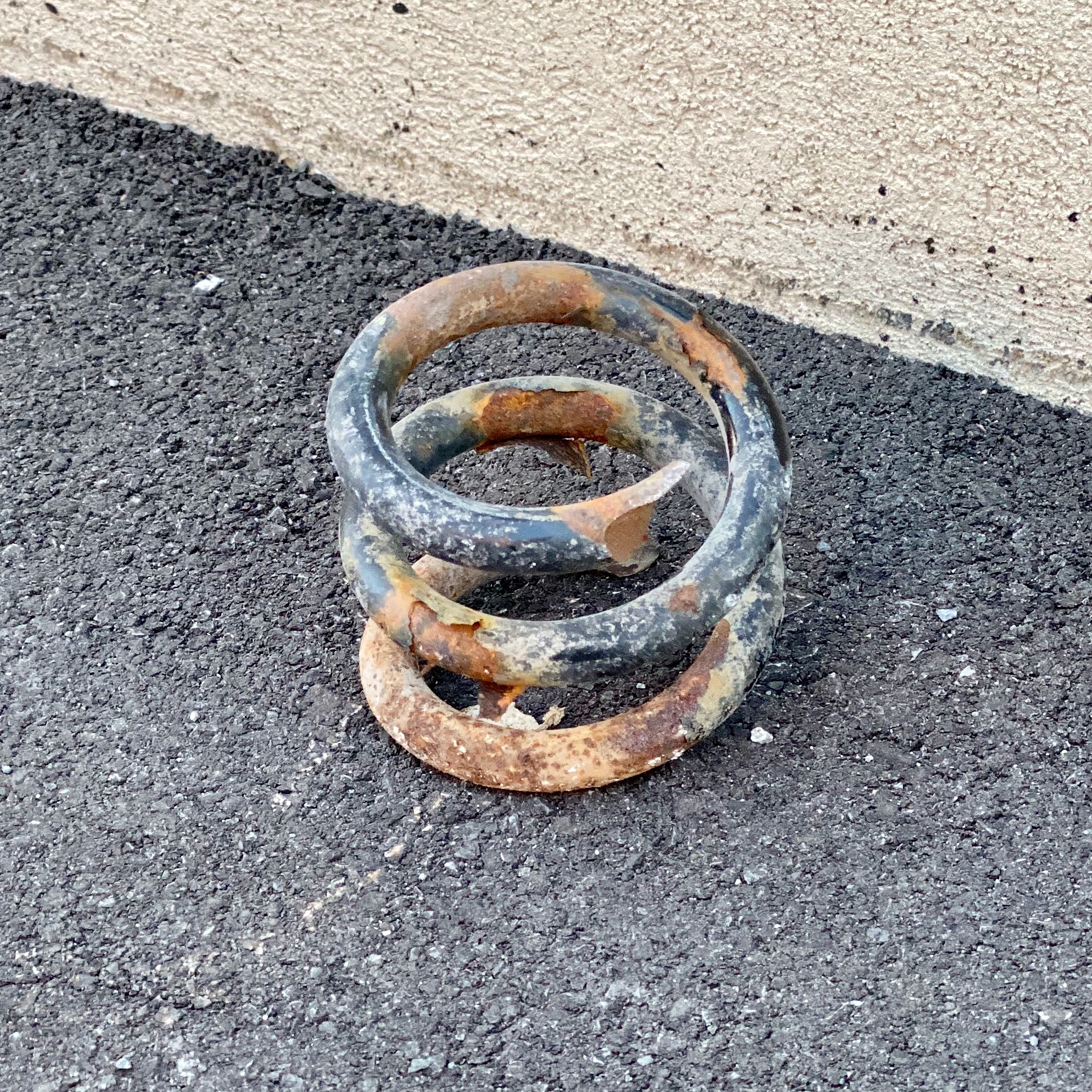
Iron flower
Out of the asphalt
Yup! It’s spring !
clodjee Morwajal 002.020.110
Note: essai de pseudo-tanka (tanka-toy?) et photo-haïku. le pouète du dimanche, quand y trouve ça pas easy, y se réfugie dans l’humour. (Essaye donc de traduire ça gougle!) ごめんなさい!
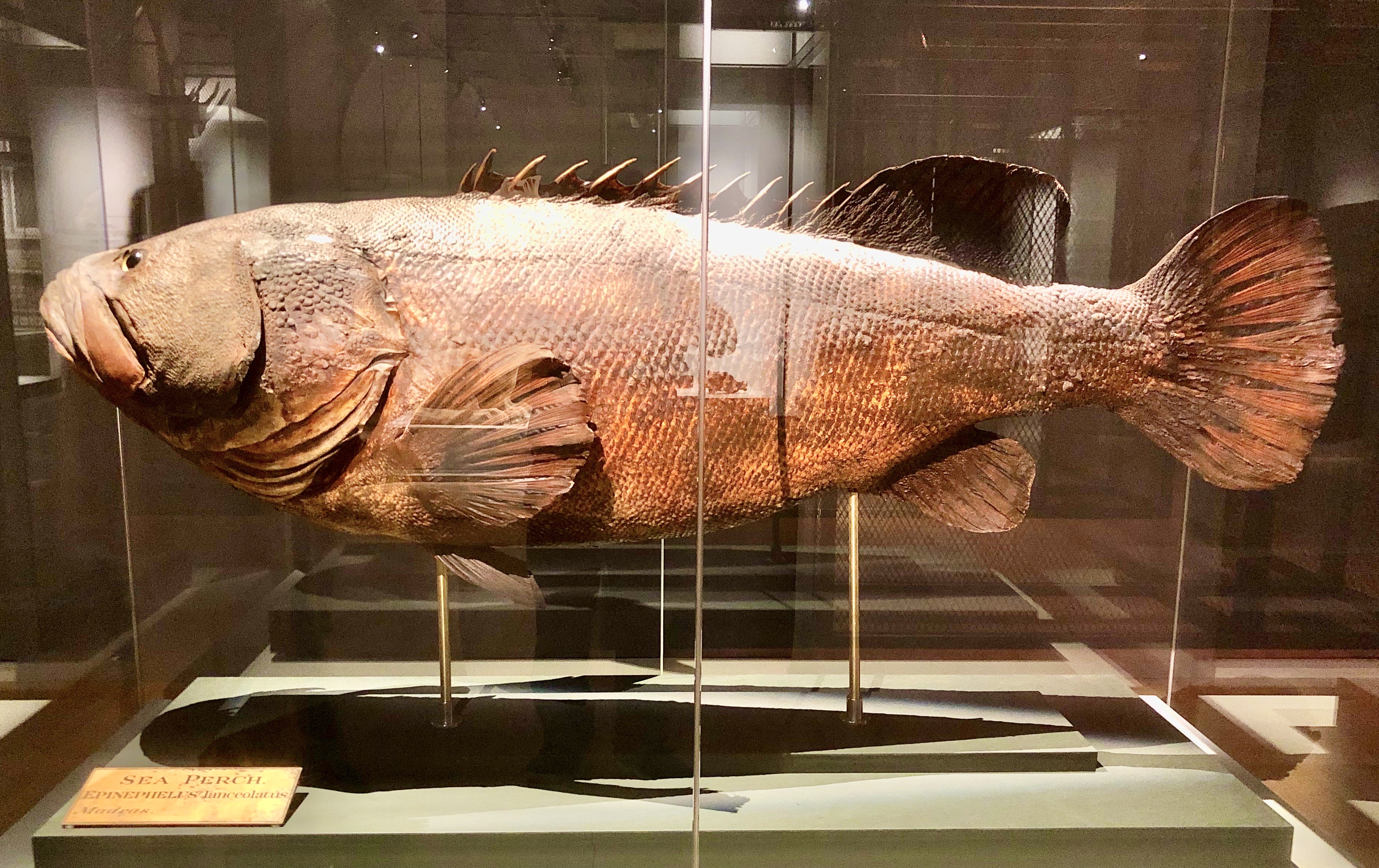
Selon la fiche signalétique de l’exposition: “Pouvant atteindre trois mêtre de longueur, cette espèce représente le plus grand poisson osseux vivant dans les récifs de corail, où il se nourrit de requins et de tortues de petites tailles.”
We have been under confinement for a month now. After a while just reading and writing, or watching a little TV and taking a stroll, gets boring. So I change my routine a little. I wrote less and worked in the garden more (cleaning the backyard, preparing the flower/vegetable beds, chipping piece by piece the stubborn tree stump). I also undertook a new project: changing the toilet bowl and sink in the basement washroom. It’s more complicated than I thought (nothing is standard in this damn old house) but it’s getting there. After that I’ll change the sink in the toilet of the first floor… There are plenty of stuff to do to spend time.
I try to avoid the news. It’s too depressing. I think we are dealing with the crisis well, here. However, the U.S. are a real train wreak. That’s what you get when your leader is a moron. Pity. The recovery will be long but we’ll get there.
Stay safe.
Update (04/17): I was plagued for two months and half by a kidney stone. It was quite painful from time to time and was messing with my whole system. It finally passed. Hurray!
Le Cosmos soufré (Yellow cosmos en anglais) est une espèce de planteannuelle de la classe des Magnoliopsida, de l’ordre des Asterales, de la famille des Asteraceae et du genre Cosmos. Le cultivar est ici inconnu. Elle est originaire du Mexique et est connue pour ses propriétés tinctoriales (produisant un colorant jaune oranger) et culinaires (en salades) mais aussi thérapeutiques. Le nectar de ses charmantes fleurs est apprécié des papillons. [ Translate ]
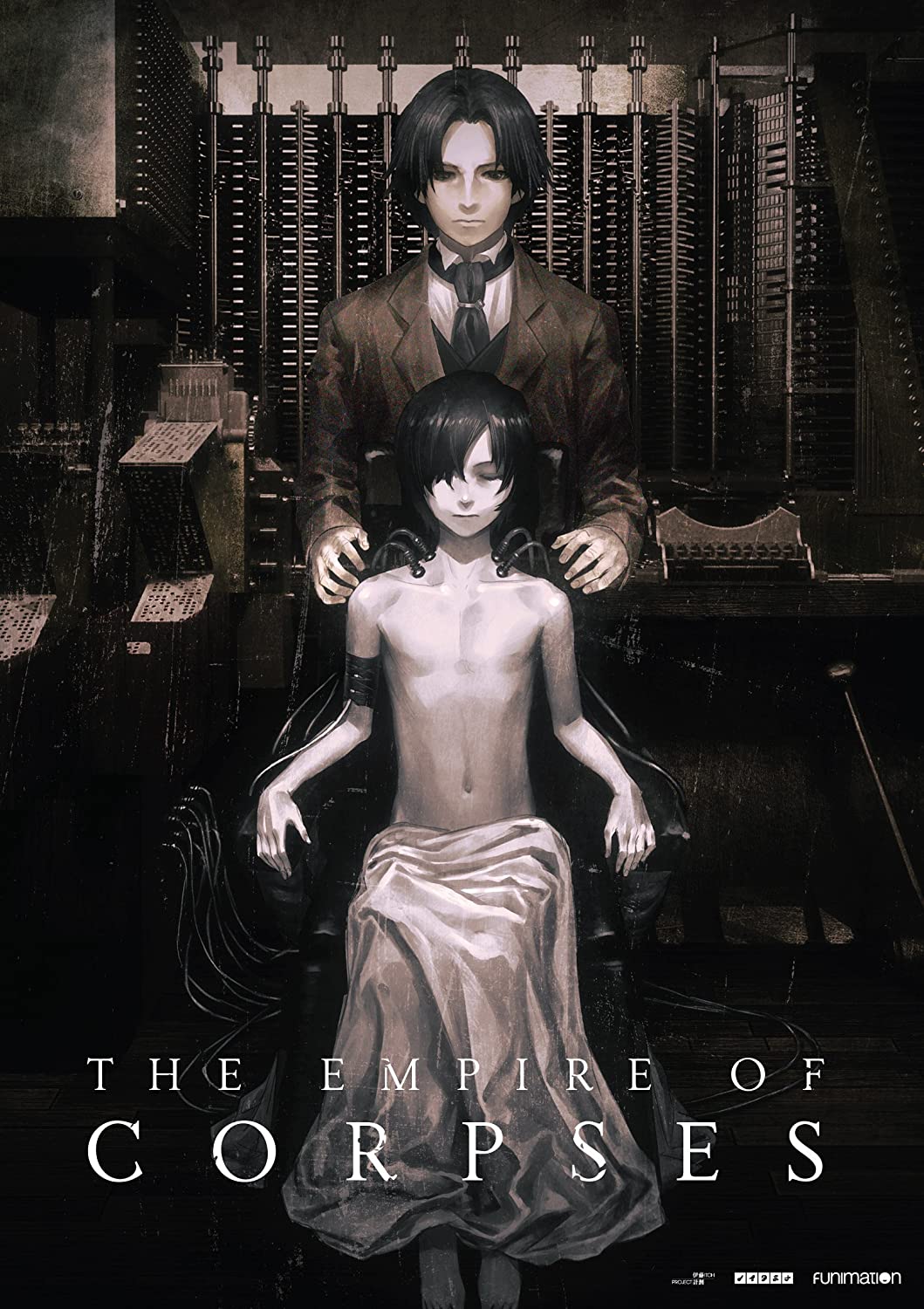
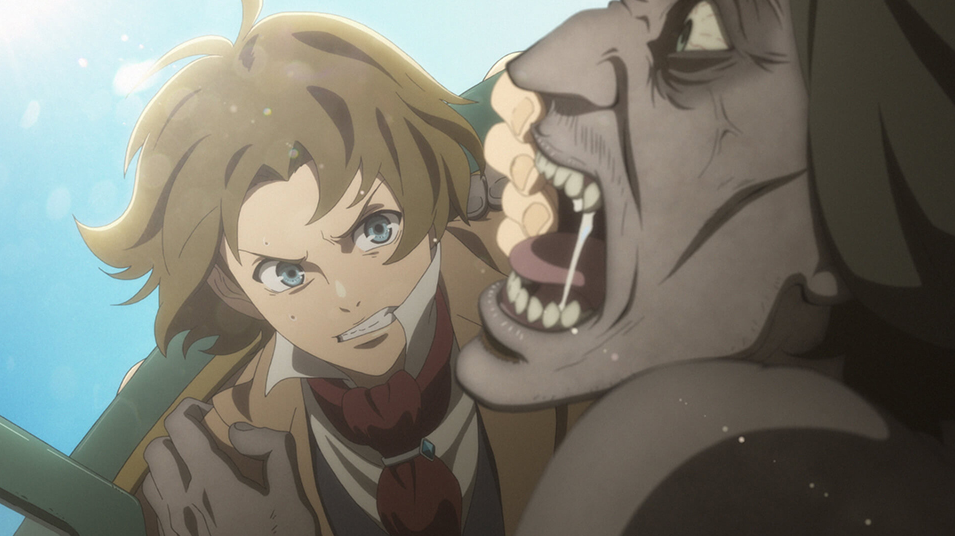
“From the studio that produced Attack on Titan comes a captivating historical action thriller based on an award-winning novel by Project Itoh. In an alternate version of 19th century London, the world has been revolutionized by “corpse reanimation technology” creating armies of undead who serve the living as laborers across the globe.
In an attempt to revive his dearly departed friend, young medical student John Watson becomes obsessed with replicating the work of Dr. Victor Frankenstein—the legendary corpse engineer whose research produced the only re-animated corpse to possess a soul. But when his illegal experiments put him at odds with the British government, Watson is drafted into a worldwide race to find the lost research notes of Victor Frankenstein before the secrets of the human soul fall into the wrong hands.” [Text from Funimation website]
This anime movie is based on a novel by Itō Satoshi (left unfinished after his death it was completed by his friend Enjō Tō) published in August 2012 by Kawade Shobo Shinsha. It was also adapted into a manga by Tomoyuki Hino (I have recently commented on it).
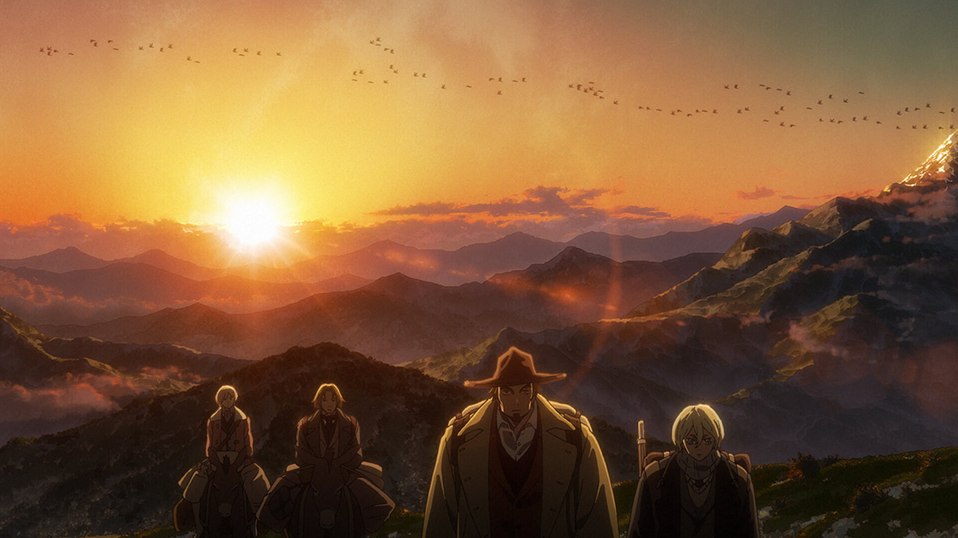
In 1878, young Doctor Watson illegally resurrects his dear friend Friday. When caught he is sent by M, the head of the British secret service, on a mission to Afghanistan via India. With the help of Frederick Burnaby and Nikolai Krasotkin, he must recover the Notes of Victor Frankenstein which have been found by AlexeiKaramazov. Until now, corpse technology can reanimate people only as soulless zombie apt to perform only basic menial tasks. However Frankenstein was able to produce a corpse with a soul, free-will and speech — known as “The One”. His Notes would allow to tremendously improve corpse technology and are coveted by all the great powers of the world.
He finds Karamazov and discovers with horror that his new technique to improve corpses rely on live subjects ! He also learns that Karamazov is no longer in possession of Victor’s Notes as he left them in Japan. One year later, Watson, Friday and Burnaby are in Tokyo and, with the help of Seigo Yamazawa, break into Osato Chemicals (Friday hacks into the security system!). Unfortunately, they are too late, “The One” is already there and, after a fierce battle, escapes with his creator’s Notes. The team is again saved by Ulysses Grant and Hadaly who bring them to the United States on the steamship USS Richmond.
However, “The One” arrives in San Francisco first and takes over the Paul Bunyan, a super-computer working on steam and electricity. Using ultra-sound, he sends a wireless command to all corpses, turning them into berserks who attack people (typical zombies like in The Walking Dead). This also affects Friday, who needs to be sedated. “The One” is finally captured by M who transports him to the Tower of London. So far, the storytelling has been quite excellent. Unfortunately, from that point, the story gets muddled and confusing…
Hadaly has her own agenda. Like Watson, who wants to give a soul to Friday, she is seeking a soul for herself — as she is revealed to be a mechanical automaton created by Thomas Edison. With her help, the team leave for London aboard the submarine Nautilus. They crashes the Tower Traitor’s Gate to discover that M has nefarious intents. After analyzing the Notes, he uses the Babbage analytical engine and Victor’s brain to send another wireless code that transform Britain’s corpses into berserks but also takes control of the humans! His motivation for doing that are not very clear: he wants to bring peace to the world (?!)…
However, “The One” escapes and kills M. As he plays music on a giant organ, he takes control of the Babbage engine. He is motivated by hatred and revenge against humanity, but also wants to give a soul to Hadaly, who he calls Lilith, to make her into the bride that Frankenstein refused him. He also wants to take over Friday’s body to form the perfect couple. Of course, after a long battle, Watson succeeds to stop him, causing the destruction of the Babbage engine and of the Tower, and restoring to the people their souls and wills. In the end, with the help of Friday, Watson experiments on himself. Then, after very long ending credits, we finds Watson four years later with a new adventure partner named Holmes and Hadaly now goes by the name of Irene Adler!
>> End of warning <<
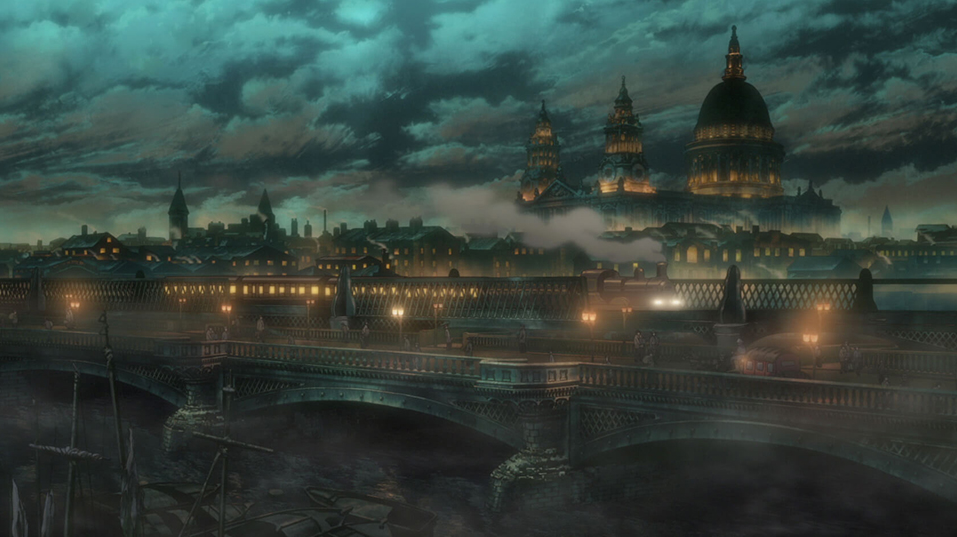
This anime movie is a superb example of steampunk story — a type of alternate history (or uchronia) set in a more technologically advanced Victorian era. I like the idea to create “necroware” to program the dead (in a way slightly reminiscent of Westworld) using a neural plug, a modified typewriter and punch-cards or Charles Babbage’s Analytical Engine! The retrofuture world that the story depicts looks quite fascinating.
For the most part of the movie the storytelling is excellent. Unfortunately, in the end (the last third of the movie), the story gets overly mystical (crystals?) and too many parts of the plot are left without any explanations. The whole part with Alexei Karamazov is not very clear: what are his motivations and end-game? Same thing with “M”: what does he want to accomplish? The conclusion of the story is rather confusing and disappointing. However, the greatest assets of the movie is its really beautiful animation (particularly the background art which is quite superb). The battle scenes are also very well executed.
The animated movie is much better than the manga. It’s more beautiful, the story is better organized and more fluid, the action scenes are easier to understand. I like the Russian exploding corpses — explosions are much more fun when animated! Also (and I rarely say this) the English dubbed version is very good. The movie was less appreciated by the general audience (6.0 on IMDb, 42% on Rotten Tomatoes) than by anime fans (A- on ANN, 7 on MyANimeList). All in all, it is a very good movie, worth watching, particularly if you are a steampunk fan.
The empire of corpses(屍者の帝国 / Shisha no Teikoku): Japan, anime, 2015, 120 mins; Dir.: Ryoutarou Makihara; Scr.: Hiroshi Seko, Kōji Yamamoto, Midori Gotou (based on the novel by Project Itoh & Toh Enjoe); Char. Des.: redjuice, Takaaki Chiba; Art Dir.: Yūsuke Takeda; Chief Anim. Dir.: Hirotaka Katō, Takaaki Chiba; Mecha Des.: Gorou Murata, Hitoshi Fukuchi, Junya Ishigaki, Shinobu Tsuneki; CGI Dir.: Emiko Nishida; Music: Yoshihiro Ike; Studio: Wit; Prod.: George Wada, Noriko Ozaki, Takashi Yoshizawa; Cast: Yoshimasa Hosoya / Jason Liebrecht (Watson), Ayumu Murase / Todd Haberkorn (Friday), Kana Hanazawa / Morgan Garrett (Hadaly), Taiten Kusunoki / J. Michael Tatum (Burnaby), Akio Ohtsuka / Sean Hennigan (M), Daiki Yamashita / Micah Solusod (Krasotkin), Jiro Saito / Kenny Green (Yamazawa), Kōji Ishii / Greg Dulcie (Grant), Shinichiro Miki / Mike McFarland (Alexei Karamazov), Takayuki Sugo / R Bruce Elliott (The One). Available on bilingual Blu-ray/DVD from FUNimation ($34.98 US).
To learn more about this title you can consult the following web sites:
“Voici le récit des héritiers du Dr. Frankenstein…
À la fin du XIXe siècle, une technologie révolutionnaire permettant de réinsuffler la vie se répand dans le monde entier. John Watson, jeune étudiant en médecine, est contraint d’entrer au service de la couronne britannique pour échapper aux travaux forcés. Il part alors pour la lointaine Asie dans l’espoir de redonner l’âme et la parole à son ami… Volume 1/3”
The empire of corpses(屍者の帝国 / Shisha no Teikoku / lit. “l’empire des cadavres”) a d’abord été publié sous la forme d’un roman (Kei Itoh étant décédé avant de l’avoir fini, l’ouvrage a été complété par son ami Enjo Toh et publié en août 2012 chez Kawade Shobo Shinsha). Ce light novel a été publié en français chez Pika Roman (496 pages, 14.95 €, ISBN 9782376320173). L’histoire a ensuite été adapté en un long métrage d’animation sous la direction de Ryoutarou Makihara (octobre 2015), puis en manga par Tomoyuki Hino. Le manga a été publié en feuilleton dans Young Dragon Age (Kadokawa) entre octobre 2015 et octobre 2016, puis publié en trois volumes (en février, juin et novembre 2016) chez Fujimi Shobo (Kadokawa). Il a été traduit en français chez Pika Édition.
Page 17
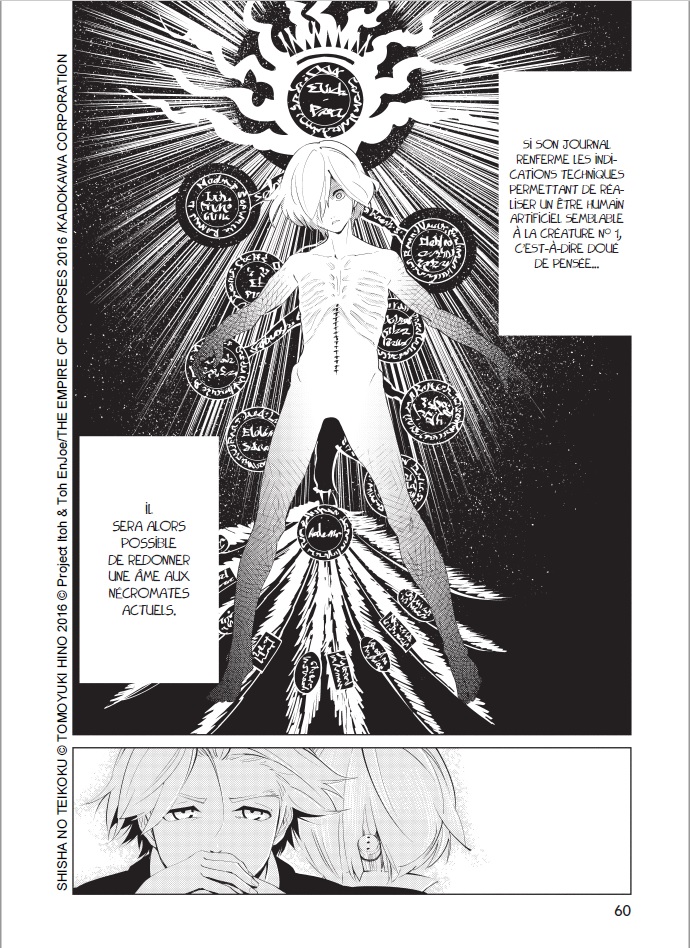
J’ai lu ce manga sur la recommendation de mon neveu et je ne le regrette aucunement. Pourtant le récit n’est pas particulièrement bien mené et, si le dessin est plutôt agréable, la mise en page manque un peu de fluidité. Ce serait donc un manga plutôt moyen si ce n’était de sa prémisse vraiment géniale.
Les récits historiques vont souvent utiliser des personnages ayant existé, des célébrités, afin de donner un peu de véracité à l’histoire. Dans ce cas-ci, le récit innove en utilisant des personnages fictifs célèbres. Il s’agit d’un récit historique alternatif (uchronie) du genre steampunk — il se déroule à l’époque victorienne mais avec une technologie plus avancées qu’il ne devrait, avec principalement l’utilisation d’androïde et de programmation informatique.
Frankenstein a inventé les “nécromates” [de necros — “mort” en grec — et automate], des morts ressuscités que l’on peut programmer avec l’ajout d’une prise au cerveau et d’un nécrogiciel pour en faire une main d’oeuvre docile et bon marché. Mais le plus grand secret de Victor Frankenstein a disparu avec lui: comment leur donner le libre-arbitre et une âme ! Karamazov a également découvert une nouvelle technique pour faire des nécromates encore plus puissants. Cette technique dangereuse attise la convoitise de toutes les grandes puissances…
Page 6
Page 8
Page 11
Page 12
Malheureusement, je n’ai que le premier tome d’une série de trois et ne peut donc pas découvrir le dénouement de cette histoire captivante et fascinante. Toutefois, l’histoire ayant également été adaptée en anime, le visionnement de celle-ci me semble donc la suite logique. Je vais voir…
The empire of corpses n’est pas vraiment une histoire de zombies — mais presque. C’est une superbe histoire sur de beaux dessins de Tomoyuki Hino et, même si le récit laisse un peu à désirer, c’est un bon manga, à lire absolument surtout pour les fans de steampunk.
The empire of corpses, vol. 1 par Project Itoh & Toh EnJoe (Scénario) and Tomoyuki Hino (Dessin). Vanves: Pika Édition (Coll. Pika Seinen), novembre 2018. 160 p., 13 x 18 cm, 7,50 € / C$ 12.95. ISBN 978-2-8116-3905-1. Pour lectorat adolescent (12+).
Vous trouverez plus d’information sur les sites suivants:
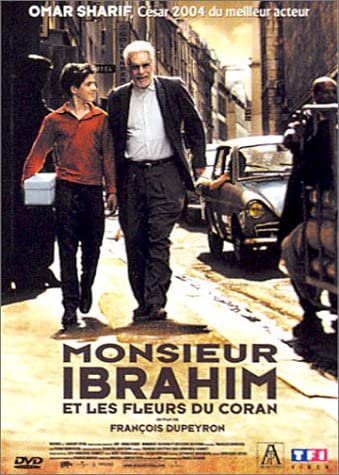
“A Paris, dans les années soixante, Momo, un garçon de treize ans, se retrouve livré à lui-même. Il a un seul ami, Monsieur Ibrahim, l’épicier arabe et philosophe de la rue Bleue. Celui-ci va lui faire découvrir la vie, les femmes, l’amour et quelques grands principes.”
Monsieur Ibrahim est un vieux film de 2003 réalisé par François Dupeyron, avec Omar Sharif et basé sur un roman de Éric-Émmanuel Schmitt. C’est une histoire simple et méditative où un jeune adolescent juif (joué par Pierre Boulanger), un peu laissé à lui-même par un père dépressif, découvre la vie et prend un peu de maturité grâce au soutien de l’épicier d’en face d’origine turque. Étrangement cela me rappel un peu la BD Le chat du rabbin de Joann Sfar.
L’histoire, d’abord écrite pour le théâtre, est inspirée de l’enfance à Paris de Bruno Abraham Kremer (et sa relation avec son grand-père), un ami de Éric-Émmanuel Schmitt. On y retrouve aussi plusieurs similitudes avec le roman “La Vie devant soi“de Romain Gary. Schmitt en a réécrit l’histoire en 2001 sous forme d’un court roman qui constitue la deuxième partie de son “Cycle de l’Invisible” où il consacre chacun des huit romans à une croyance différente. Ainsi Schmitt nous fait un peu découvrir le soufisme au travers du personnage d’Ibrahim. L’existence transcende les religions et il faut vivre en se foutant un peu des règles mais tout en restant fidèle à soi-même.
C’est un film lent et un peu morne — mais plutôt beau — et qui montre malheureusement son âge par la qualité de l’image très moyenne (la version que j’ai vu sur TFO n’était pas restaurée). C’est toutefois un film qui a été apprécié du public (coté 7.3 sur IMDb et 85% / 86% sur Rotten Tomatoes) et qui vaut la peine d’être vu surtout pour la prestation d’Omar Sharif.
Vous trouverez plus d’information sur les sites suivants:
What better to read in the midst of a pandemic than The Walking Death comics?
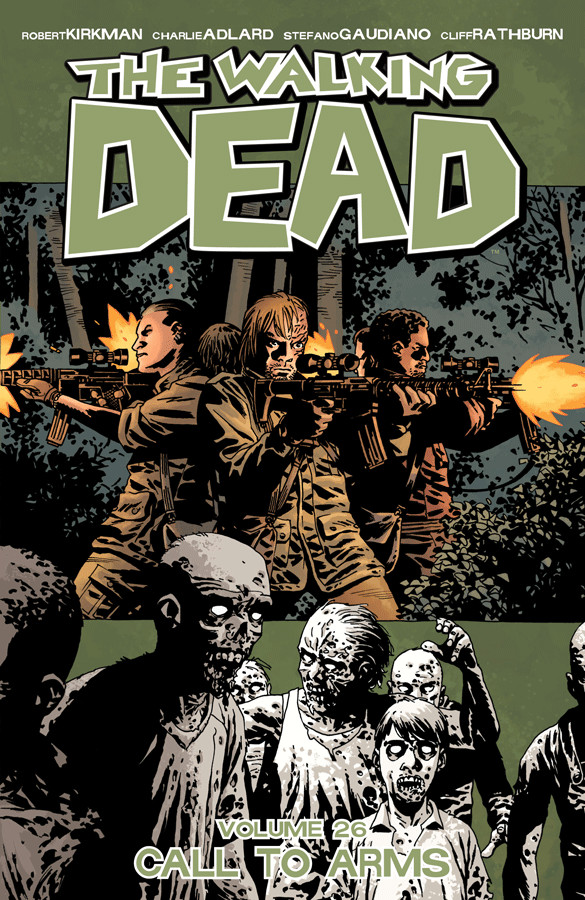
In volume 26, the Alexandrians starts learning to use weapons and combat tactics. However, amid the paranoïa someone shot a member of another communities that he didn’t know. Eugene has repaired the radio and is trying to reach someone, anybody, without much success… until someone finally answers! Both Eugene and the woman he is talking to are cautious not to reveal too much information about their own community. As they slowly gains trust she reveals that her name is Stephanie… A young man named Brandon, who hasn’t forgiven Rick for the fair’s massacre, frees Negan from his prison with the intention of joining the Whisperers. Heading a party searching for Negan, Aaron is stabbed by Beta and Michonne is nearly captured but Dwight intervenes on time. Negan slowly gains Alpha’s trust, just enough to be able to carve himself a trophy that he hopes would please Rick.
Page 12
Page 13
Page 14
Page 15
The comic storyline has just about caught up with the TV series. It progresses at a much quicker pace — it took several episodes of the TV series for Negan to gain Alpha’s trust. There is a lot of action in this volume and the storytelling remains captivating. The art is great and makes it easy to follow the story. The comic is very constant in its quality and this volume is as good as the previous one.
This comic is now less about zombies than about preserving civilisation. It could be set in the early time of the American colonies or in the far-west, where the Americans are competing with other colonies (Spanish or French instead of Saviors or Whisperers) while fighting hostile natives (instead of the undeads). I enjoyed it and, considering the time we are living in, it is quite entertaining.
The Walking Dead, vol. 26: Call to arms, by Robert Kirkman (Story), Charlie Adlard (Pencil), Stefano Gaudiano (Ink). Berkley: Image Comics, September 2016. 136 pages, 17 x 25.7 cm, $US 14.99 / $C 19.99, ISBN 978-1-63215-659-4, For Mature readers (17+). Includes issues 151-156. See back cover.
For more information you can consult the following web sites:
“After a devastating act of war by the Whisperers, Rick must chart a path for his community. But when his leadership is questioned, how will he respond?”
“The world we knew is gone. The world of commerce and frivolous necessity has been replaced by a world of survival and responsibility. An epidemic of apocalyptic proportions has swept the globe (…).”
That quote feels eerily familiar. It’s on the back covers of The Walking Dead comic books. Considering the situation that the COVID-19 virus has put us in, I thought it would be a good time to continue reading the comics. I like to wait a little before reading them because I don’t want to get ahead of the TV series — although both stories have diverged so much by now that it is quite an unnecessary precaution.
The last TV episode to air was episode 15 of the tenth season. The last episode of the season, #16, was due to air this week but the post-production was not completed because of the coronavirus shutdown and its airdate remains unknown. The producers say they have enough material to continue the TV series (including spin-off series and feature films) for another ten years! However, pre-production and filming of season eleven was also delayed by at least a month because of the pandemic. How ironic.
As for the comic book, it has ended with issue #193 (vol. 32), therefore I still have eight volumes to read — actually six volumes since I just finished volumes 25 & 26. Strangely, I never talked much about this series. I usually don’t like horror and zombie stories, but I am a great fan of post-cataclysmic worlds, so it’s not that. Maybe it is that, between the comics and the TV series, there would be so much to say. I already commented (in 2011 !) on the first eleven volumes along with the first season of the TV series. Last year, I also commented on the third compendium (vol. 17-24). Besides the progression of the story, I feel I don’t have much to add since the series has remained of a steady quality.
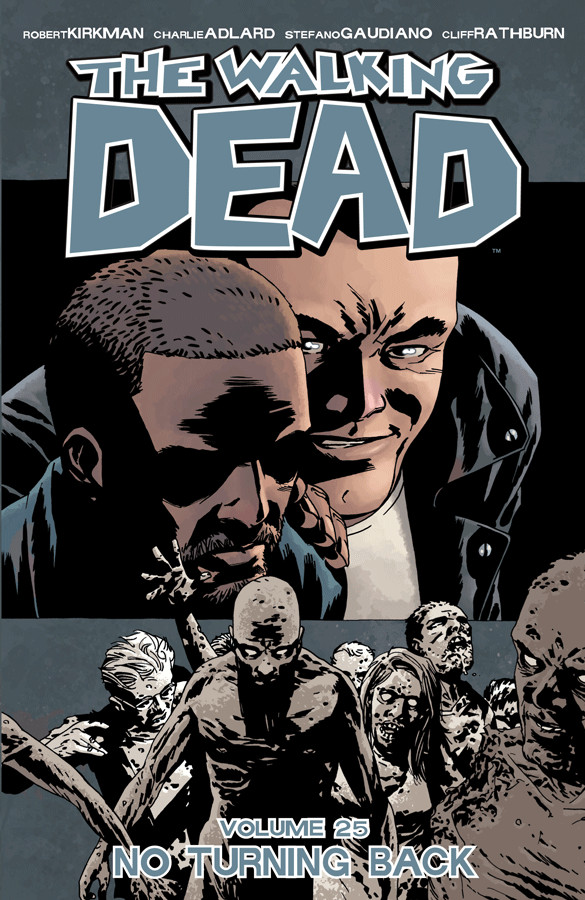
In volume 25, the Alexandrians discover that, during the fair, the Whisperers have abducted and killed a dozen members of the communities (including Rosita and Ezekiel !). They have also put their heads on stakes delimiting their territory. Rick don’t want to overreact and is hesitating. But his people are VERY angry. As this anger turns toward him he sends Lydia and Carl to the Hilltop for their safety. After being hardly beaten by his own people, he follows the advice of Negan. He deflects the anger by announcing that everyone will train in order to create a military force to defend the communities. Or, to quote Vegetius: Si vis pacem para bellum.
Page 17
Page 18
Page 19
Page 20
As I said before, it is quite weird that some characters die in the comics but not in the TV series and vice versa. The storytelling is fluid, riveting and move much faster than in the TV series. I like the art which is clean and easy to “read” despite being rather dark because of its heavy inking — although using simple textures (zip-a-tone) for the shading helps avoid overloading the pages. It is a well-written and interesting story about survival and the workings of a human society.
The Walking Dead, vol. 25: No Turning Back, by Robert Kirkman (Story), Charlie Adlard (Pencil), Stefano Gaudiano (Ink). Berkley: Image Comics, March 2016. 136 pages, 17 x 25.7 cm, $US 14.99 / $C 19.99, ISBN 978-1-63215-659-4, For Mature readers (17+). Includes issues 145-150. See back cover.
For more information you can consult the following web sites:
“If you are cold, tea will warm you; if you are too heated, it will cool you; If you are depressed, it will cheer you; If you are excited, it will calm you.” ― William Ewart Gladstone




































 Clodjee's Safe-House