Monthly notable news (w34-42)

On the home front, we had relatively nice weather. Warmer than usual, with some rain (remnants of “Nate”), until the seasonal temperature caught up to us to give our first freezing warning. Now, let me remember what happened in the last two months. So many stuff…

I had a terrible time at the job. I was asked to do something that was against the rules (and my ethics — we all know I am a stickler for the rules!). I voiced my objections but was ready to do the task nonetheless. Instead of praising my flexibility, I was told I was difficult to work with (that I might agree with but you should see what I have to deal with) and didn’t adapt well (not as fast as they can change their mind anyway — and, whatever we do, one cannot adapt to chaos). It was the culmination of all of what’s wrong with the place (the mismanagement, incompetence, utter inconsistencies [they flip-flop so much in their decision making sometimes that it’s a wonder they’re not flying!], and lack of respect). This incident was the straw that broke the camel’s back. I couldn’t take it anymore and it made me quite depressed for a while. Too much to my taste.

Lots of stuff was happening at the same time: the FFM, the preparation for the major (and expensive) repairs to the balcony and masonry at the back of the house so we needed to clear the backyard of all vegetation, etc. All this caused me a lot of stress (expressing itself with high blood pressure, digestion problems, rash, etc.). In the end, I was able to manage (finding something interesting enough to forget all those troubles). After all, we’re alive, there’s no imminent catastrophe chasing us and we have something to do to keep us busy (my writing, not this hateful job). Don’t worry, be happy! Easy to say…

I also changed my phone as Apple released lots of news stuff (some new hardware [iPhone 8, iPhone X, Apple Watch 3, Apple TV 4K, etc.] and many OS updates — some painful to implement, so I’ve spent lots of time back-uping hard-drives and re-installing everything)…

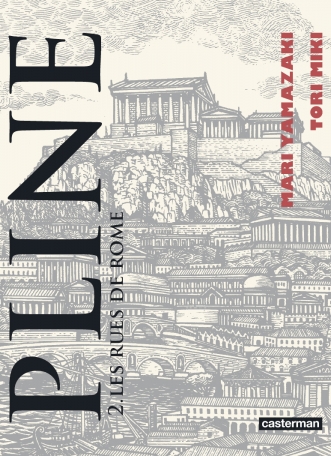
Despite all this, I was really on fire at the keyboard: I wrote many comments (on the opening of the Frederic-Back Park, on the FFM movies [Noise, Dear Etranger], a few capsule reviews (on  the latest Yoko Tsuno, Pline #2, Jackie and Samurai Gourmet) and two mangas (The life-changing manga of tidying up and Anne Frank’s Edu-Manga)–some posted at the Irresistibles: Yoko Tsuno #28 and Le journal de mon père), two essays (the second part of my piece on literary genres and an article on how I approach writing comments!) and I talked about Ishiguro getting the Nobel Prize and Rue de Sèvres publishing the last Taniguchi. Not bad, but there’s still so much to do! And, remembering  Daniel Keyes’ novel Flowers for Algernon, I cannot help myself in worrying that this welcomed lucidity of mind is only a fleeting perk…

In the news, it becomes clear that this will be an annus horribilis for the U.S. (and the world): not only Trump was unleashed onto the world (bent on unravelling everything good that Obama did and destroying the American democracy), but more disasters keep happening: an earthquake in Mexico, hurricanes Harvey (causing damages mostly in  Texas), Irma (in the Leeward Islands and Florida), Jose (again in the Leeward Islands) and Maria (in Puerto Rico), there was also a terrible shooting in Las Vegas, great fires in California, sex scandal in Hollywood (shocking!), etc. How comes some people still support this moron and deny climate changes is beyond my comprehension!

Despite all this, I still managed to stay acquainted with the affairs of the world and gathered about an hundred notable news & links — which I now share with you (in both french or english, slightly categorized, but in no particular order), after the jump.

[ Traduire ]

Continue reading

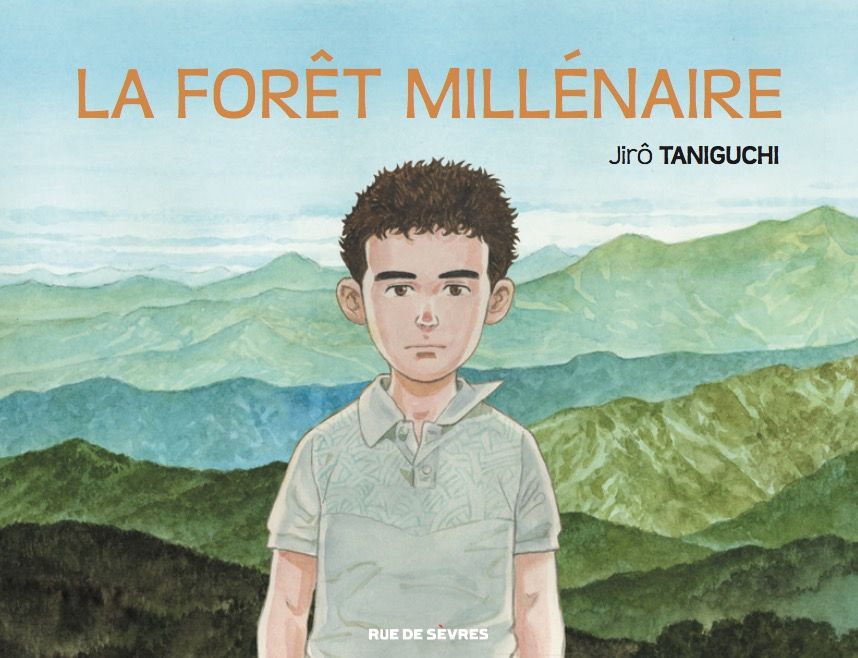
Découverte: le dernier manga de Taniguchi

la-foret-millenaire-covIl y a quelques semaines j’ai découvert sur le site de Animeland (et puis dans un article du #217) qu’un dernier manga de Jiro Taniguchi devait paraître à la fin de septembre (disponible ici probablement à la fin octobre). Il s’agit d’un projet que Taniguchi produisait pour l’éditeur Rue de Sèvres et qui devait paraître simultanément en France et au Japon. Le projet était inachevé lors de son décès en février (l’histoire devait comporter au moins cinq volumes) mais l’éditeur à tout de même décidé de le publier, agrémenté du storyboard du reste de l’histoire, d’illustrations, d’un interview avec son éditeur japonais et de tout un dossier éditorial en hommage à l’auteur.

Continuer la lecture après le saut de page >>

Continue reading

Ishiguro gets Nobel Prize in literature !

British writer Kazuo Ishiguro (mostly known for his books The remains of the day [1989] and Never let me go [2005], which were both adapted into movies) has received the 2017 Nobel Prize in Literature. The award was announced on October 5th. Sara Danius, the secretary of the Swedish Academy, said that his novels showed “great emotional force” as he was uncovering “the abyss beneath our illusory sense of connection with the world.” She also described his style as a “mix of Jane Austen, comedy of manners and Franz Kafka.” His recurrent themes seem to be identity, memory, time and self-delusion.

Kazuo Ishiguro was born in Nagasaki, Japan, in 1954 but moved to Surrey, England, at age five because of his father’s work as an oceanographer for the NOCS. He always stayed close to his Japanese roots because, until age fifteen, he had planned to go back to Japan but, instead, his family decided to settle in England (he received British citizenship in 1982). He graduated from UKC in English and Philosophy in 1978 and received a Master in creative writing from UEA in 1980.  Before starting his writing career in 1982, he wanted to be a musician and worked as a social worker. Strangely, his life background and relationship with Japan is very similar with Belgian author Amélie Nothomb and their writings share some themes.

To celebrate Ishiguro’s Nobel Prize, NHK World re-broadcasted a two-part special where the writer gives a lecture about his work. Originally broadcasted on October 22nd and November 5th 2016, the show is titled “First Class [in literature], Kazuo Ishiguro: My Secret of Writing” and is still available for streaming until October 25th, 2017 [Part 1 and Part 2]. It is also partly available on Youtube [in English and in Japanese]. It is very interesting and well worth watching.

Sources: BBC, Le Devoir, Goodreads, HazLitt, Japan Times, NHK World, Wikipedia.

[ Traduire ]

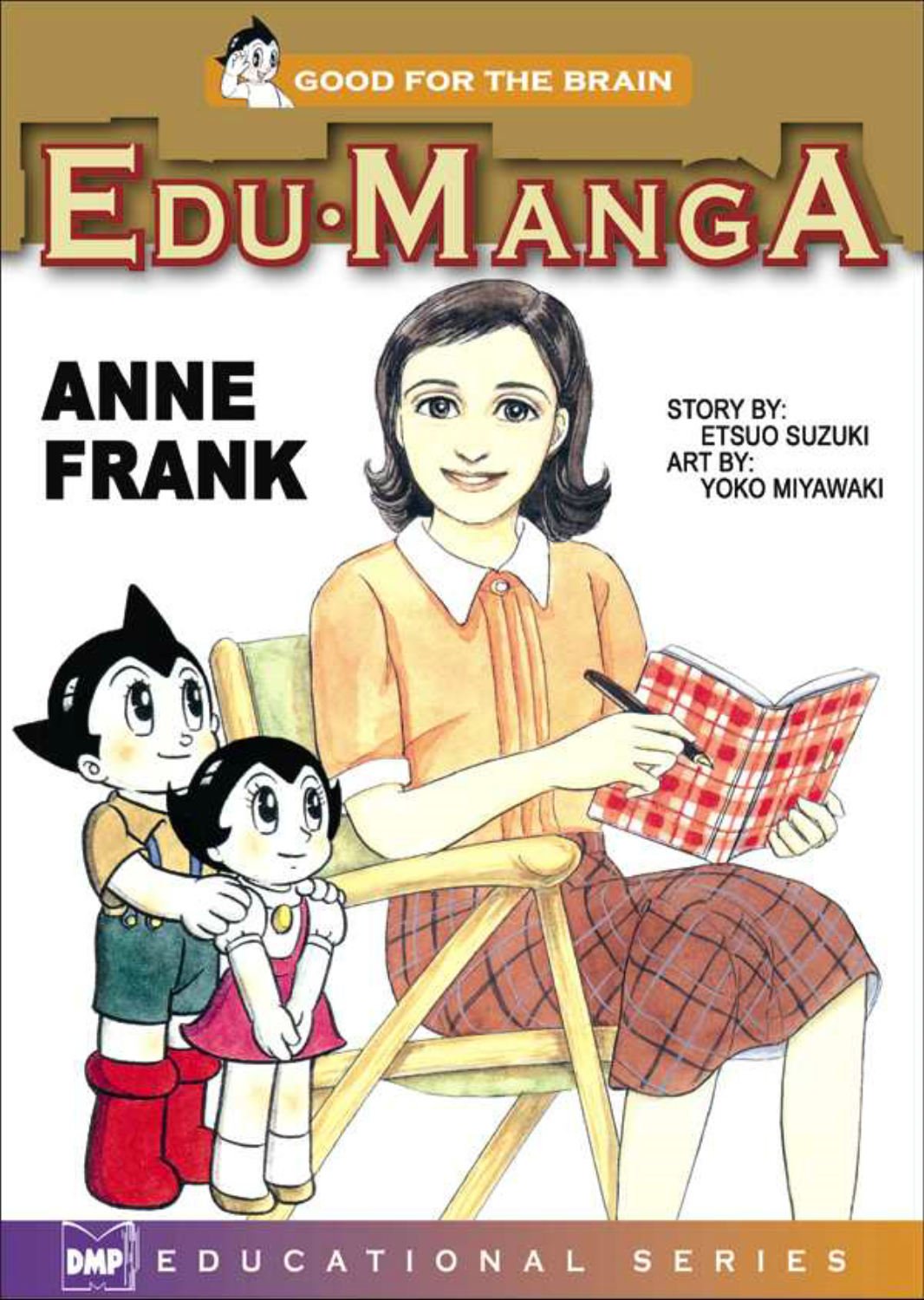
Edu-Manga: Anne Frank

Edumanga-Anne-Frank-cov“For two years, Anne Frank and her family lived in hiding from the Nazis in a secret annex. Though her young life was threatened on a daily basis, Anne channeled all of her fears and dreams into the pages of a private diary. Anne kept her hope for peace alive in the midst of the tragedy of war. Her indomitable spirit lives on to this day in the words of her very special diary.”

“Astro Boy can’t wait for you to meet this incredible young girl! Join him as he shares the day-to-day life of Anne Frank, her family, and the time they spent in the secret annex. Anne’s strength of spirit and joy in the face of impossible odds come together to create one of the most inspiring stories of our time.” (Text from the back cover)

Continue reading

Backyard cleanup !

This is a (silent) time-lapse video filmed on October 1st and 2nd 2017 showing our fall backyard cleanup (again, thanks to Nest Cam). In preparation for major renovations in the backyard, it needed to be cleared. So we took all the flower pots to the front yard, trimmed the old vine, removed the overgrown morning glory and cut the rasberry stems. The next day, we also trimmed the tree, cleaned up the deck and removed the water hose. Here you have about eight hours of work in just three minute !

[ Traduire ]

Raccoons !

A nature scene featuring two raccoons (and a cat) recorded September 21st 2017, between 12h30 and 3h30 (thanks to Nest Cam). That’s three hours of raccoons frolicking in my backyard in just seven minutes!

[ Traduire ]

Image du mer-fleurie

Crimson CloverTrèfle incarnat
Trifolium incarnatum
Crimson clover
(iPhone 6s, Parc Frédéric-Back, 2017-09-17)

Je suis tombé sur cette variété inhabituelle de trèfle lors d’une marche dans le parc il y a quelques semaines. J’ai d’abord cru qu’il s’agissait de trèfle violet (a.k.a. trèfle des prés ou Trifolium pratense) mais, après quelques recherches, j’ai appris que c’était en fait du trèfle incarnat (a.k.a. trèfle farouche)… D’ailleurs, on trouve dans ce parc beaucoup de trèfles à quatre feuilles. Quelle chance!

[ Translate ]

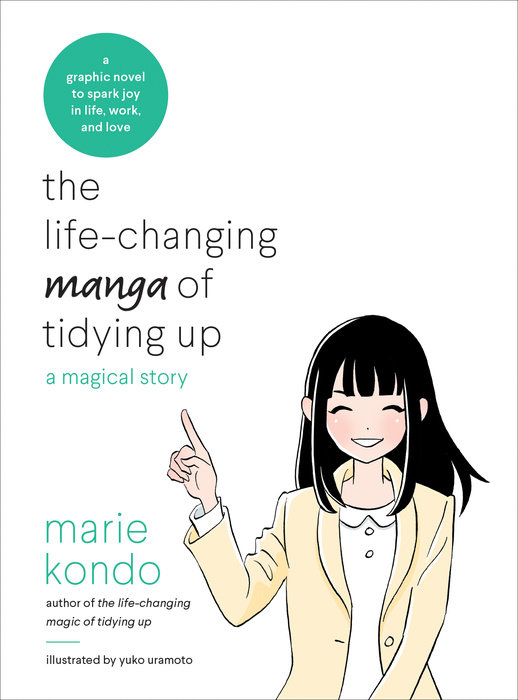
The life-changing manga of tidying up

life-changing_manga_of_tidying_up-cov
“From the #1 New York Times best-selling author and lifestyle/cleaning guru Marie Kondo, this graphic novelization brings Kondo’s life-changing tidying method to life with the fun, quirky story of a woman who transforms her home, work, and love life using Kondo’s advice and inspiration.”

“Marie Kondo presents the fictional story of Chiaki, a young woman in Tokyo who struggles with a cluttered apartment, messy love life, and lack of direction. After receiving a complaint from her attractive next-door neighbor about the sad state of her balcony, Chiaki gets Kondo to take her on as a client. Through a series of entertaining and insightful lessons, Kondo helps Chiaki get her home–and life–in order. This insightful, illustrated case study is perfect for people looking for a fun introduction to the KonMari Method of tidying up, as well as tried-and-true fans of Marie Kondo eager for a new way to think about what sparks joy. Featuring illustrations by award-winning manga artist Yuko Uramoto, this book also makes a great read for manga and graphic novel lovers of all ages.” [ Penguin Random House website ]

Continue reading

L’art subtil du commentaire-critique

On me demande souvent quels sont les critères que j’utilise quand j’écris des critiques (reviews) de livres ou de films. En fait, j’utilise les même critères que j’ai développé au cours des années alors que j’écrivais des critiques d’abord pour Samizdat (un fanzine de science-fiction et fantastique québécois, 1987-1994) et, par la suite, pour Protoculture Addicts (un magazine sur la culture, le dessin animé et la bande-dessinée japonaise, 1987-2008). J’ai été rédacteur-en-chef pour ce dernier pendant plus d’une vingtaine d’années et ce sont ces même critères auxquels je demandais à mes collaborateurs d’adhérer. Je vais donc profiter de la présente occasion pour vous expliquer un peu comment je procède. Et je suggère à quiconque qui désire écrire des critiques de suivre ces quelques lignes directrices.

J’aimerais d’abord définir la critique comme étant un simple commentaire et non pas une critique analytique. Cette dernière cherche à étudier, en profondeur, les moindres aspects d’une oeuvre: les motivations des personnages, les choix narratifs, le message de l’auteur, etc. Une simple critique, quant à elle, n’est qu’un commentaire qui se veut ni objectif, ni constructif, ni négatif : c’est juste une opinion, un ressenti, que l’on exprime. On aime ou on aime pas, et on tente d’expliquer pourquoi, en décortiquant brièvement les impressions que l’oeuvre nous a laissé.

Je préfère d’ailleurs parler de “commentaire” et non de “critique” car ce dernier terme fait plus pompeux et peut aisément être confondu avec son cousin analytique. Un commentaire donne une impression plus modeste. On ne cherche pas a donner de leçon mais simplement à dire ce qu’on en pense. Dans le cas d’un livre, on pourrait parler de commentaire de lecture mais comme on peut commenter aussi des documents audio-visuels (des BD ou des manga, des films (vu au cinéma, en Dvd, ou Blu-ray), ou même de la musique (concert, CD)) je préfère m’en tenir simplement à “commentaire.” Bien sûr, l’approche sera un peu différente selon le type d’ouvrage  que l’on commente (livre, cinéma, musique).

Une autre question que j’entend parfois c’est “pourquoi se donner la peine de faire un commentaire” alors que l’on pourrait bien se contenter d’apprécier une oeuvre pour ce qu’elle est sans trop se poser de question. Je dois avouer que pour moi c’est plus une déformation professionnelle. J’ai écrit tellement de commentaires pour les publications pour lesquelles je travaillais que maintenant je ne peux pas m’empêcher d’analyser et de penser à ce que je ressens au fur et à mesure que je progresse dans le livre que je lis ou dans le film que je visionne. Et tant qu’à avoir des idées ou des opinions, pourquoi ne pas les partager? Car la raison fondamentale d’un commentaire c’est cela: partager ses coups de coeur (ou de foudre!), son amour (ou parfois son aversion) pour une oeuvre, ou simplement donner son opinion. Parfois, aussi, il s’agit de vouloir aider les autres à comprendre et à mieux apprécier une oeuvre ou, tout au moins, à partager la façon dont nous percevons une oeuvre (à travers le prisme de nos expériences personnelles, de notre savoir, de notre vécu). Si nous sommes passionné par un sujet, il est tout naturel de vouloir partager cette passion. Le lecteur (du commentaire) en fera bien ce qu’il veut…

[ Translate ]

Lire la suite après le saut de page >>

Continue reading

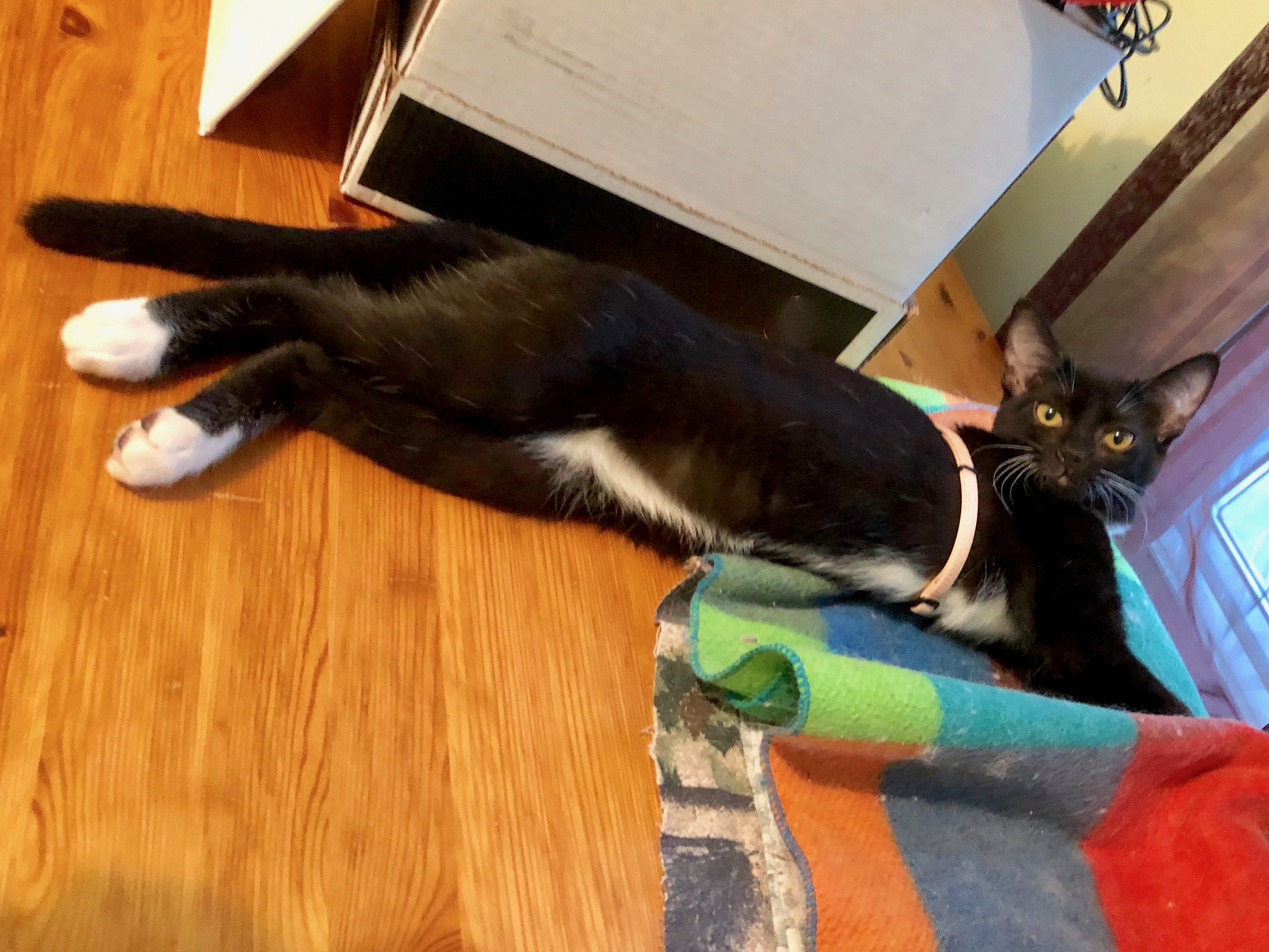
Images du chat-medi

(iPhone 8+, 2017-09-23)

Genres et littératures (3)

Sources et Bibliographie complémentaire

Pour compléter mon essai sur les Genres et littérature (0: Introduction, 1: Littératures rationnelles, 2: Littératures de l’Imaginaire) je vous présente ici la liste des sources que j’ai utilisé ainsi qu’une bibliographie complémentaire pour ceux et celles qui désireraient pousser plus loin sur le sujet.

Sources

ALLARD, Yvon. Paralittérature. Montréal, La Centrale des Bibliothèques, 1979. 728 p. ISBN 2-89059-000-3. [ BiblioWorldCat ]

AMALRIC, Hélène. Le guide des 100 polars incontournables. Paris, Libris, 2008. 110 p. ISBN 978-2-290-00919-2. [ BiblioWorldCat ]

BARETS, Stan. Catalogue des âmes et cycles de la S.F.. Paris: Denoël, 1979. 298 p. [ BiblioWorldCat ]

BARETS, Stan. Le Science-fictionnaire 2. Paris, Denoël (Présence du Futur #549), 1994. 332 p. ISBN 978-2-207-30565-1. [ BiblioWorldCat ]

BOGDANOFF, Igor & Grichka. Clefs pour la science-fiction. Paris, Seghers, 1976. 378 p. [ WorldCat ]

Collections : La revue de la littérature d’ici pour les bibliothèques d’ici. Montreal, Association Nationale des Éditeurs de Livres, 52 p. Vol. 1, No 3 (Avril 2014): Le roman historique, Vol. 1, No 4 (Juin 2014): Polars, thrillers et romans policiers et Vol. 2, No 6 (Novembre 2015): Littérature et imaginaire.

Éditions Alire: Catalogue 2015-2016. Québec, Éditions Alire, 2015. 98 p.

JANELLE, Claude. Le DALIAF: Dictionnaire des auteurs des littératures de l’imaginaire en Amérique française. Québec, Les éditions Alire, 2011. 535 p. ISBN 978-2-8961507-4-8. [ BiblioWorldCat ]

Lire: Special Polar (Juin 2010).

SPINRAD, Norman, ”Les Neuromantiques” in Univers 1987. Paris: J’ai Lu (#2165), pp. 256-278. [ WorldCat ]

J’ai également essayé d’inclure le plus d’hyper-liens possible (principalement vers Wikipedia) afin de renvoyer les lecteurs vers des références plus développées et ainsi limiter cet essai à un bref schéma visant simplement à introduire le sujet. Veuillez prendre note que d’autres hyper-liens seront ajouté avec le temps (pour les auteurs et les titres).

Poursuivre après le saut de page >>

Continue reading

Genres et littératures (2)

Littératures de l’imaginaire

J’ai précédemment parlé des genres littéraires rationnels (les genres ordinaires, voir banal — mundane comme ils disent en anglais) qui sont ancrés dans la réalité. Il me reste donc à vous entretenir des genres littéraires de l’imaginaire. Un collègue les avait sommairement définit comme “des histoires qui ne se peuvent pas”, qui se déroulent dans un monde entièrement ou partiellement créé par l’auteur. Ils se divisent en trois grandes catégories qui se définissent grossièrement comme suit:

  1. le fantastique, où l’on imagine ce qui est, mais autrement, ce qui existe en dehors des normes, de façon irrationnel, caché, ailleurs ou au-delà de notre réalité quotidienne (par exemple: le surnaturel)
  2. la fantasy, où l’on imagine ce qui aurait pu être dans le passé ou dans un autre monde (par exemple : la magie)
  3. la science-fiction, où l’on imagine ce qui sera dans un avenir immédiat ou lointain (par exemple : un empire galactique)

Les genres tendent à être définit par leurs styles littéraires et les thèmes qu’ils utilisent. Je ne m’attarderai pas vraiment sur le style mais plutôt sur les thèmes et les sujets qui caractérisent un genre. De ce point de vue, les trois grands genres de l’imaginaire sont assez aisé à définir. Ce qui est plus difficile à définir ce sont les nombreux sous-genres pour chacune de ces catégories. Non seulement les érudits ne semblent pas s’entendre sur leur nomenclature mais la frontière est parfois floue entre les différents sous-genres (leurs multiples variantes ont parfois des tonalités assez similaires). Alors, comme je l’ai fait pour les genres rationnels, je vais vous présenter ici les principaux genres des littératures de l’imaginaire, les définir du mieux que je peux, en expliquer les sous-genres majeures (ou les regrouper selon leurs similarités) et donner quelques exemples d’auteurs ou de titres.

[ Translate ]

Continuez la lecture après le saut de page >>

Continue reading

34e Festival du Film japonais de Montréal

ConsulatGeneralDuJapon-logo

Comme a chaque année la « Japan Foundation » de Toronto et le Consulat Général du Japon à Montréal ont le plaisir d’offrir gratuitement des projections de films japonais. Veuillez noter que la bande originale japonaise est sous-titrée en anglais. Les places sont limitées et seront attribuées selon le principe « premier-arrivé, premier-servi », sans réservation préalable.

L’événement aura lieu les vendredi 20 octobre et samedi 21 octobre à la Cinémathèque québécoise (335, boul. de Maisonneuve Est, près du métro Berri-UQAM).

[ Translate ]

Plus de détails après le saut de page >>

Continue reading

Jardin de vie

Hier après-midi, nous avons terminé notre promenade par une brève incursion au jardin botanique — qui était, comme d’habitude, plein de couleurs et bourdonnant de vie…

IMG_0862


[ Translate ]

SaveSave

SaveSave

SaveSave

Exposition agricole

PortesOuvertesFermesQuebec
Cet après-midi nous avons visité une exposition agricole sur l’esplanade Sun Life du Parc Olympique, dans le cadre de la journée des portes ouvertes sur les fermes du Québec. De nombreux producteurs y présentaient leur cultures (lait, pomme, patate, grains, sirop d’érable, oeufs, miel, laine, légumes, etc.), services (centre équestre, agrotourisme, aide aux producteurs: AGC, UPA, etc.) et animaux (veaux, vaches, cochons, moutons, bison, chevaux, poney, âne, chèvres, canards, poules, poussins, paon, pigeons, lapins, et même poissons — tiens, je ne me souviens pas d’avoir vu de dinde ou dindon…). Il y avait aussi un marché public.

Cela nous a offert une promenade intéressante. Il n’y avait rien que je n’avais jamais vu mais c’est tout de même agréable de voir toute cette belle ménagerie en ville. Je crois que c’était surtout éducatif pour les enfants. J’ai bien aimé la démonstration de tonte de moutons… Dommage que l’événement ne dure qu’une journée…

Voir l’album photo sur Flickr :

Expo Agricole

[ Translate ]

FFM 2017 wrap-up

FFM_banner-2017The 41st Montreal World Film Festival (FFM) is now over. This year was a slim pick for the Japanese cinema aficionado since there was only two Japanese movies (two others were co-productions with non-Japanese directors). Besides that, the festival went smoothly for me. However, the only question remaining above our heads is: will there be a festival next year? Of course Serge Losique wants to be reassuring and said that the FFM was here to stay. He even announced the dates for the next two years: August 23rd to September 3rd 2018 and August 22nd to September 2nd 2019 !!

One of the event that I would have liked to attend (but couldn’t by lack of time) was the press conference and Master Class held at L’Astral by Chinese Martial Art Filmmaker Xu Haofeng (The Hidden Sword) on Monday August 28th. It seems that it was one of the rares (if not the only one) press conference held at the FFM this year. I really miss those… (and the film market and the press room!)

The closing film of the festival was a surprise to be announced after the awards, just a few hours before its free screening. It was meant as a gift for the movie fans.

A press release announced the awards for the 48th Student Film Festival: for the Canadian competition it went to Land by Samiramis Kia (York University, Toronto) and for the International competition it went to Elene by Seven Kayhan (Koç University, Istanbul, Turkey).

Another press release announced the awards for the festival itself: the Grand Prix of the Americas (Best Film) went to And Suddenly the Dawn by Silvio Caiozzi (Chile) and the Special Grand Prix of the Jury went to Dear Etranger by Yukiko Mishima (Japan). Check the press release for the other awards.

To summarize, I’ve seen and commented on two Japanese movies:

I also wrote a few informational posts about the festival:

Finally, here are the latest comments about the FFM in the media:

[ Traduire ]

SaveSave

SaveSave

SaveSave

Capsule reviews (02.017.247)

Bande-dessinée

Yoko Tsuno #28: Le temple des Immortels
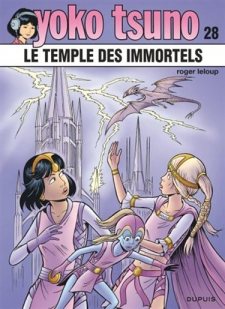
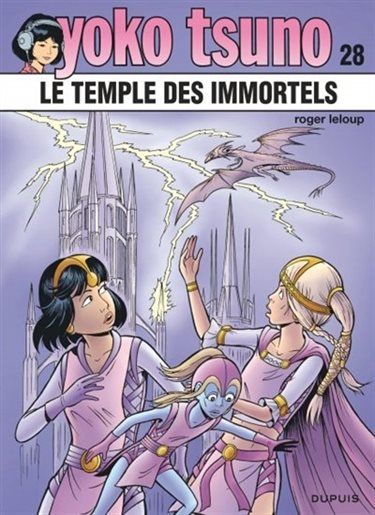
YokoTsuno-28_temple_des_immortels-covUne autre aventure plutôt invraisemblable de l’électronicienne nippone. Leloup développe ici des éléments de récits qu’il avait laissé en plan dans des albums précédents ( #12: La Proie et l’ombre, #25: La Servante de Lucifer, #27: Le Secret de Khâny ). Comme c’est souvent le cas dans ses oeuvres plus récentes, le récit semble un peu précipité alors qu’il essai de raconter son histoire dans le cadre étroit  du format traditionnel de quarante-deux pages. On a l’impression de vivre le récit en accéléré…

Le problème avec des albums qui font sans cesse référence à des volumes précédents est qu’on ne se rappelle pas toujours des détails qui s’y étaient déroulés, ce qui laisse des lacunes dans la bonne compréhension (et l’appréciation) du récit. Toutefois l’idée de moines médiévaux avec des Vinéens et des tributs celtiques vivant au creux de la terre, dans un gouffre profond, a quand même du charme. C’est une lecture nostalgique mais tout de même un peu décevante, donc d’un intérêt moyen…

Cela donne le goût de relire de vieux albums (car étrangement je suis resté sur ma faim — c’est presque toujours le cas avec ces très court albums à l’européenne). Comment un artiste peut-il vivre en publiant juste de tels albums aux deux ans? C’est un dur contraste avec les mangakas nippon qui produisent en moyenne une quantité de pages similaires (en noir et blanc toutefois) CHAQUE SEMAINE (!) pour la pré-publication en périodique… stars-2-5

[ AmazonBiblioDupuisGoodreadsWikipediaWorldcat ]

Commentaire aussi disponible sur Goodreads et Les Irrésistibles.

💊     💊     💊

Magazine

AnimeLand #216
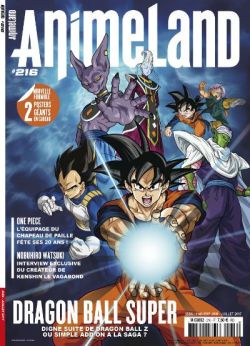
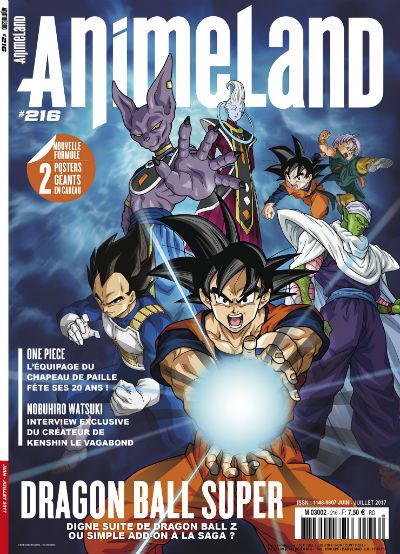
Animeland_216Le numéro de juin-juillet 2017 nous offre des dossiers sur l’importance du visuel dans la société nippone (“Quand la 2D se tape l’incruste”), sur le marché de l’anime en France en 2016 (qui ne progresse pas aussi positivement que celui du manga car divisé, à 70% / 30%, entre le DVD et le Blu-ray et considérablement affecté par la popularité du simulcast, qui a toutefois l’avantage de faire régresser l’utilisation de sites illégaux de diffusion), et sur les anime “engagés” (socio-politiquement: Harmony, Genocidal Organ, Ghost in the Shell S.A.C., Galactic Hero Legend, Gundam; ou écologiquement: L’école emportée, Conan: Fils du Futur, Nausicaa, Princess Mononoke, Pompoko, Ponyo sur la falaise, Earth Girl Arjuna, etc.).

Comme toujours, AnimeLand nous fait découvrir de nombreux anime (Hirune Hime, Dans un recoin du monde, Golgo 13, Le grand méchant renard, My hero academia, Atom: The Beginning, la saison 2 de L’attaque des titans, Dragonball Super, Boruto: Naruto Next Generations, Rage of Bahamut: Virgin Soul, Capitaine Flam), mangas (Kenshin, One Piece, Mob Psycho 100, Les mémoires de Vanitas, Reine d’Égypte, Voyage à Tokyo, Tenjin, Gloutons et Dragons), et jeux video (Persona 5, et un article sur les mondes ouverts). On nous trace aussi des portraits de seiyu (Mamoru Miyano) ou de musicien (Akira Yamaoka) et nous présente une dizaine d’interviews avec Kenji Kamiyama (Hirune Hime), Eric Goldberg & Neysa Bové (Vaiana), Masashi Kudo (Chain Chronicle), Yasuyuki Muto (Rolling Girls), Studio La Cachette, Nobuhiro Watsuki (Kenshin), Kiyo Kyujyo (Trinity Blood), Tatsuki Fujimoto (Fire Punch) et Chie Inudoh (Reine d’Égypte). Finalement, on retrouve les indispensables actualités et commentaires sur les parutions récentes.

Nul doute que AnimeLand est une source inépuisable d’information sur l’animation et la bande-dessinée japonaise, et le seul magazine francophone sur ces sujets. Toutefois, je n’ai rien trouvé de bien excitant dans ce numéro… stars-2-5

[ AmazonSite webWikipedia ]

💊     💊     💊

Manga

Pline #2: Les rues de Rome
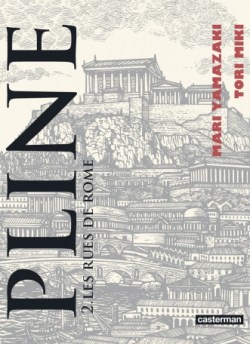
Pline-2-covCe second tome, s’il nous offre beaucoup moins d’action que le premier, n’en est pas moins intéressant car il approfondit de beaucoup notre connaissance des protagonistes. Euclès découvre la maison (remplit de manuscrits!) de son nouveau maître, Pline. Celui-ci souffre grandement de l’asthme mais se méfie beaucoup des médecins. Il finira cependant par se soumettre au traitement du médecin grec Silénos, qui lui recommande surtout l’air pur de la Campanie. Euclès tombe amoureux d’une jeune esclave, Plautina, qu’il a rencontré par hasard, mais celle-ci est aussi tombé dans l’oeil de l’empereur Néron! Celui-ci se sent un peu égaré sans les conseils de son précepteur, Sénèque, qu’il a exilé. On y découvre une image plus humaine de Néron, qui apparait moins comme un tyran qu’un jeune homme cultivé mais moralement faible. Poppée, qui n’est pas très aimée du peuple, se fait lancer des pierres. Elle annonce à Néron qu’elle est enceinte, ce qui le convainc finalement de la marier et de régler le sort d’Octavie. Felix, le garde du corps un peu frustre de Pline, a une famille à Rome mais sa femme se plaint de ses absences prolongées et surtout des conditions de vie difficile dans les insulae romaines. Alors Pline leur offre de s’installer dans l’une de ses maisons. Mais le personnage le plus important de ce tome, c’est sans doute Rome elle-même alors que l’on découvre plus en détails ses bas fonds et ses lupanars!

C’est une lecture passionnante si vous êtes amateur de manga historique et de Rome antique. Et ce qui est particulièrement remarquable dans cet ouvrage c’est le grand détail et la qualité du dessin de Mari Yamazaki et Tori Miki. À lire absolument! stars-3-5

Voir aussi mon commentaire sur Pline #1: L’appel de Néron

[ AmazonBiblioCastermanGoodreadsWikipediaWorldcat ]

[ Translate ]

💊     💊     💊

Movies

Jackie

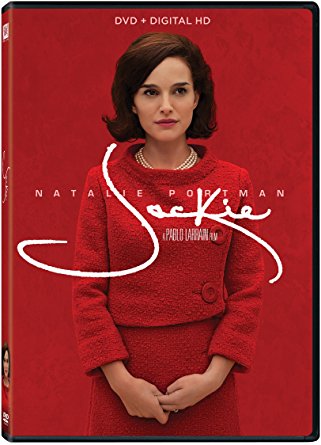
Jackie-dvdcovSlow, boring movie that shows a not very sympathetic, selfish Jackie, control freak of her image and obsessed with Lincoln funeral and the fact that his widow died destitute and penniless. Is this a well researched bio pic or just an iconoclast fiction? In the end, it is all about the making of the modern myth of the American camelot.

After John‘s death, Jackie meets with a journalist and reminisce about her traumatic ordeal in order to reshape her husband’s presidency. What makes a president great and be remembered like Lincoln was? His accomplishment or his image? stars-2-0

[ AmazonBiblioIMdBOfficialWikipediaYoutube ]

💊     💊     💊

TV Series

Samurai Gourmet
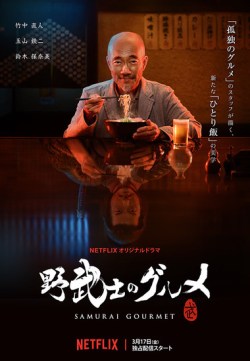
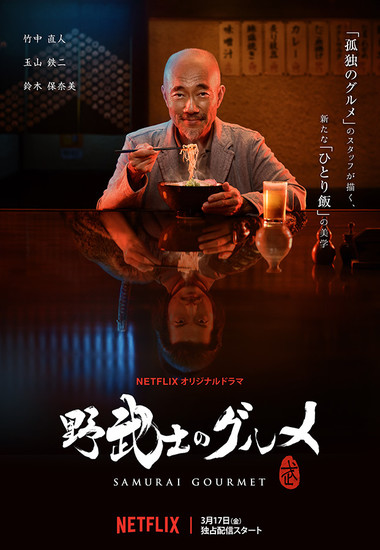
SamuraiGourmetSomeone recommended to my wife this Japanese TV series streaming on Netflix. The subject is cool, I had already heard about the writer of the original manga and the main character is played by an actor that I like, therefore I had no hesitation to subscribe to Netflix in order to binge on this mini series of twelve episodes of twenty minutes each. I have absolutely no regret. It was quite funny and very interesting as I leaned a few things about Japanese cuisine. Highly recommended!

Nobushi no Gourmet (漫画版 野武士のグルメ) is based on a manga written by Masayuki Kusumi and drawn by Shigeru Tsuchiyama (first pre-published in November 2013 by Gentosha Plus web magazine and then in print in June 2016 — I have already commented on the very similar manga that Masayuki Kusumi did with Jiro Taniguchi in 1994-96 titled Kodoku no gourmet). It tells the story of 60-year-old salaryman Takashi Kasumi (Naoto Takenaka) who just retired. Having lost his corporate title and the support of his company, he finds himself with lots of time on his hands. His wife Shizuko (Honami Suzuki) is always busy with something (choir practice, etc.), so he goes for a walk, wandering around and decides to enter a restaurant. For the first time he has a beer in the afternoon and rediscovers the pleasure of a good meal! Being a great fan of Sengoku Period samurai stories, he often imagine what a masterless samurai (played by Tetsuji Tamayama) would do in his situation — which always creates hilarious scenes!

As most of the episode is made of showing off food and the protagonist inner monologue, you might think it is quite boring: in the contrary, it’s an excellent series (see comments on Japan Times, Eater, Thrillist) as proven by a 97% rating on Rotten Tomatoesstars-4-0

[ IMDbNetflixWikipedia ]

💊     💊     💊

[ Traduire ]
Dear Etranger

FFM_banner-2017

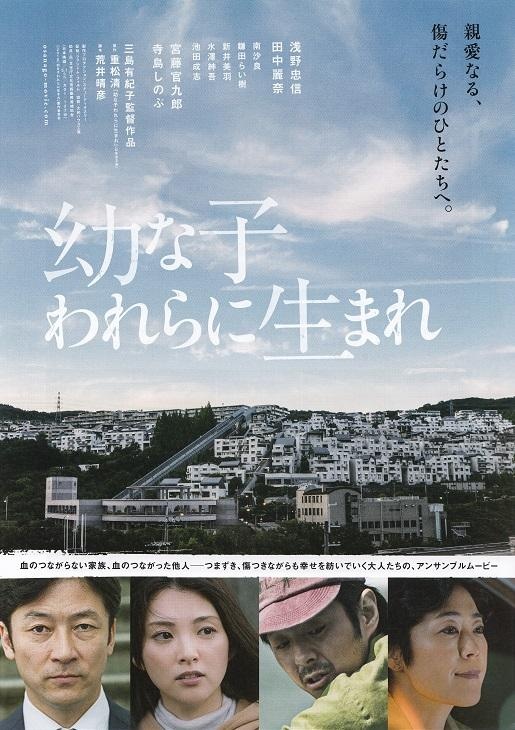
FFM17-dear_etrangerBased on the novel from Kiyoshi Shigematsu, this is the story of Makoto Tanaka, a 40-years-old who has remarried. His wife is Nanae and they care for 2 daughters from Nanae’s prior marriage. Makoto tries to have an ordinary family but Nanae becomes pregnant and things are bound to change.


WARNING: May contains trace of spoilers! People allergic to the discussion of any plot’s elements before seeing a movie are strongly advised to take the necessary precautions for their safety and should avoid reading further.

Dear Étranger is an average Japanese family drama: it’s both funny and sad, offers excellent acting but is rather slow moving. It’s a touching story about Makoto, a man in his forties, who has remarried and must deal with the difficulties of a blended family. He has one pre-teen girl (Saori) from a previous marriage (with Yuka). His new wife, Sanae, has two daughters (Kaoru, a tweenager, and Eriko, a preschooler) from her own previous marriage (with Sawada, who used to beat her and the children). When she gets pregnant, the delicate balance of their couple is challenged. Of course, in such situation, the children are suffering the most (with emotional or psychological stress). Can they really call themselves a “family”? Can he call himself a “dad”? Can he succeeds to keep a good relationship with BOTH his tweenage daughters? Or is he just a “dear stranger” to them?

The movie tackle quite realistically many aspects of the modern Japanese society: divorce, one of its causes (domestic violence) and one of its increasingly frequent consequences, the stepfamily. Divorce in Japan is relatively similar to what it is in the West (although there is no joint custody). Still not as frequent as in the West, the Japanese divorce rate has been steadily increasing (up to one in three marriages, quadrupling the rate of the post-WW2 era — mostly among retiring-age couples) but it has recently started to decrease due to a corresponding diminution in marriages (men are too busy at work and don’t feel economically confident enough to seek marriage and have children). The Japanese society is evolving and it is not surprising that we also see an increase in the number of female movie directors, who are more likely to want to use sociological theme in their storytelling.

I cannot pass over in silence the superb inclined elevator that regularly appears in the film. The Nashion inclined elevator (ナシオン斜行エレベーター / Nashion shakō erebētā) is located in Higashiyamadai, Nishinomiya (Hyōgo prefecture) near Kobe and Osaka. Many scenes were shot in that area. It offers a beautiful scenery but might also symbolise the hardship of the main protagonist as he must step up to resolve his delicate situation.

Anyway, when you put together two interesting writer and script-writer, a skilled director (who already came to the FFM in 2014 with A Drop of the Grapevine) and a great cast of actors, you can only get a good movie. And, apparently, the Jury of the 2017 Montreal World Film Festival agreed with this, since they awarded Dear Étranger with the Special Grand Prix of the Jury (a kind of “second best” award).

Dear Etranger (幼な子われらに生まれ / Osanago Warera ni umare / lit. “Children born to us” or We’re having a Baby): Japan, 2017, 127 mins; Dir.: Yukiko Mishima; Scr.: Haruhiko Arai (based on a novel by Kiyoshi Shigematsu); Cast: Tadanobu Asano (Makoto Tanaka), Rena Tanaka (Nanae), Shinobu Terajima (Yuka), Raiju Kamata (Saori), Sara Minami (Kaoru), Miu Arai (Eriko), Kankurô Kudô (Sawada), Shingo Mizusawa, Narushi Ikeda.

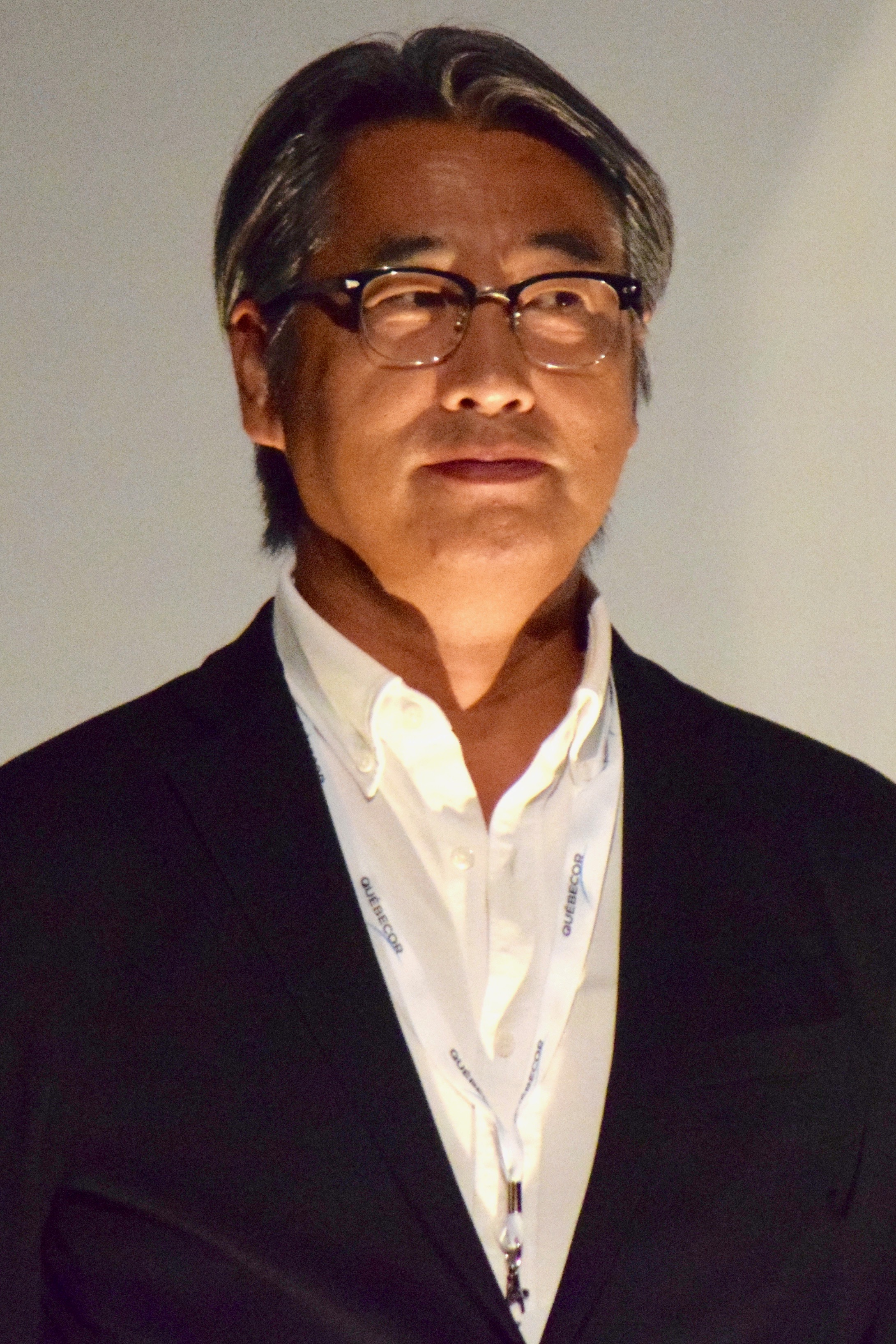
FFM17-ShinjiSakoda_DSC_0042Film screened at the Montreal World Film Festival on Friday September 1st 2017 (Cinema Imperial, 19:00 — the attendance was about an hundred people) as part of the “World Competition” segment. Shinji Sakoda, the international sales representative from Pony Canyon, was there to introduce the movie. stars-3-0

For more information you can visit the following websites:

[ AsianWiki — IMDbOfficial webVimeo —  Youtube ]
Dear Etranger © 2016「幼な子われらに生まれ」製作委員会.

See also the comments of Mark Schilling (Japan Times) and Claude R. Blouin (Shomingeki).

[ Traduire ]