Dahlia


[ iPhone 17 Pro, Jardin botanique, 2026/06/24 ]

[ Art © Miyako Matsuda, 2025 ]


[ iPhone 17 Pro, Jardin botanique, 2026/06/24 ]
Aix sponsa / Canard branchu / Wood duck / アメリカオシ
Chrysemys picta / Tortue peinte / Painted turtle / ニシキガメ


[ iPhone 17 Pro, Jardin botanique, 2026/06/24 ]
Rosier arbustif / Shrub rose / Cultivar ‘Never Alone-Jamais Seul‘
[ Art © Miyako Matsuda, 2025 ]


[ iPhone 17 Pro, Jardin botanique, 2026/06/24 ]
Ériophylle laineux / Common woolly sunflower / Cultivar ‘Pointe‘
My wife received another care package from her sister. She was doing some cleaning up in the house of their childhood. She sent a bunch of manga that my wife bought in her teens. It’s a good example of the shōjo manga that girls were reading in the seventies.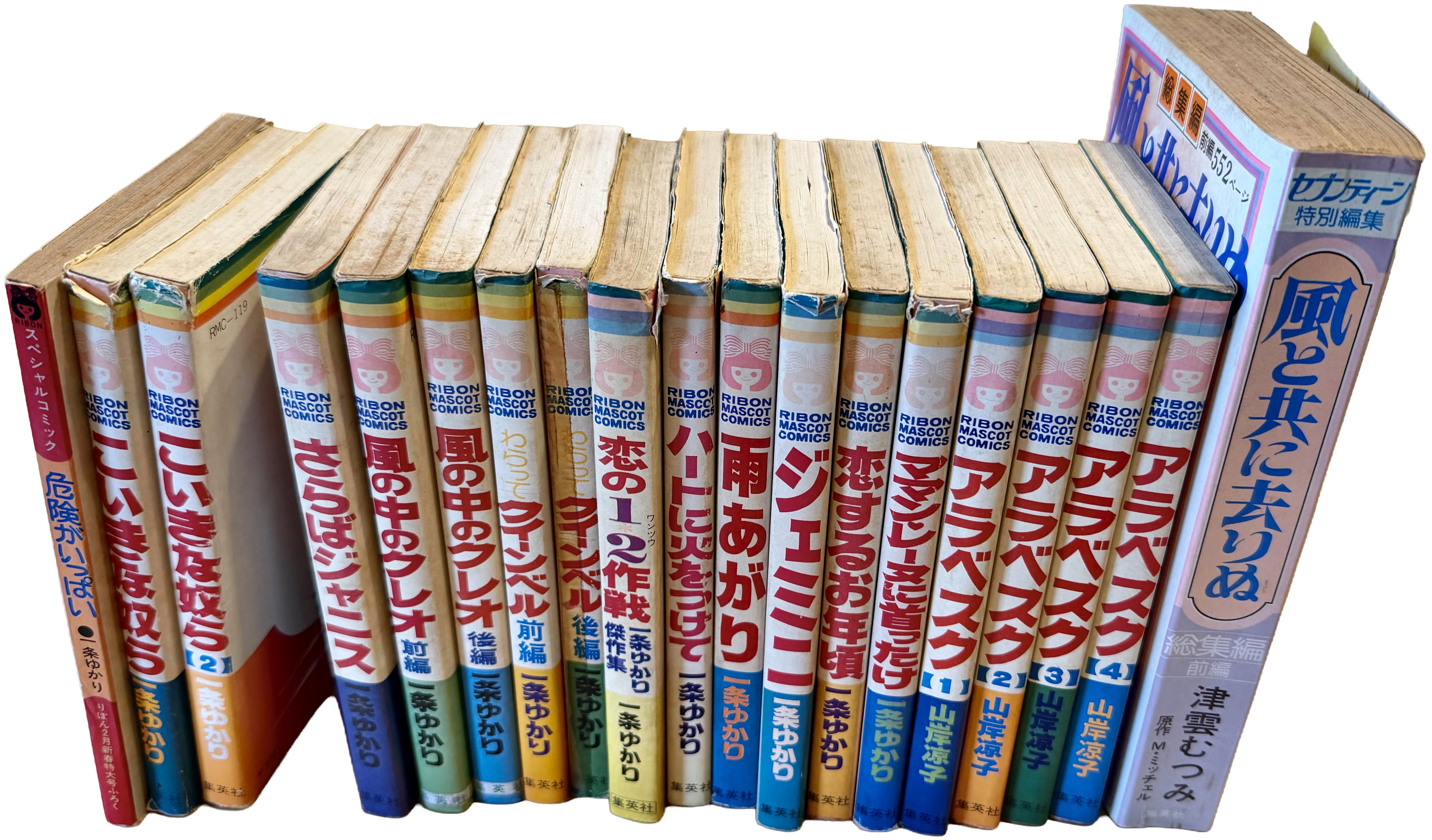
Those manga were mostly aimed at young teen girls and the style of the artwork would probably be seen as old-fashioned today. For those reasons, it is unlikely that any publishers would be interested in translating them. I find this a little sad, because those titles were good and popular entertainment at the time and people today should be aware of this. You cannot understand the history of manga without knowing this…
The first fourteen books are all by the same mangaka: Yukari Ichijo (一条ゆかり). I have already talked about her; I guess my wife liked her stories a lot. It’s mostly romantic comedies.
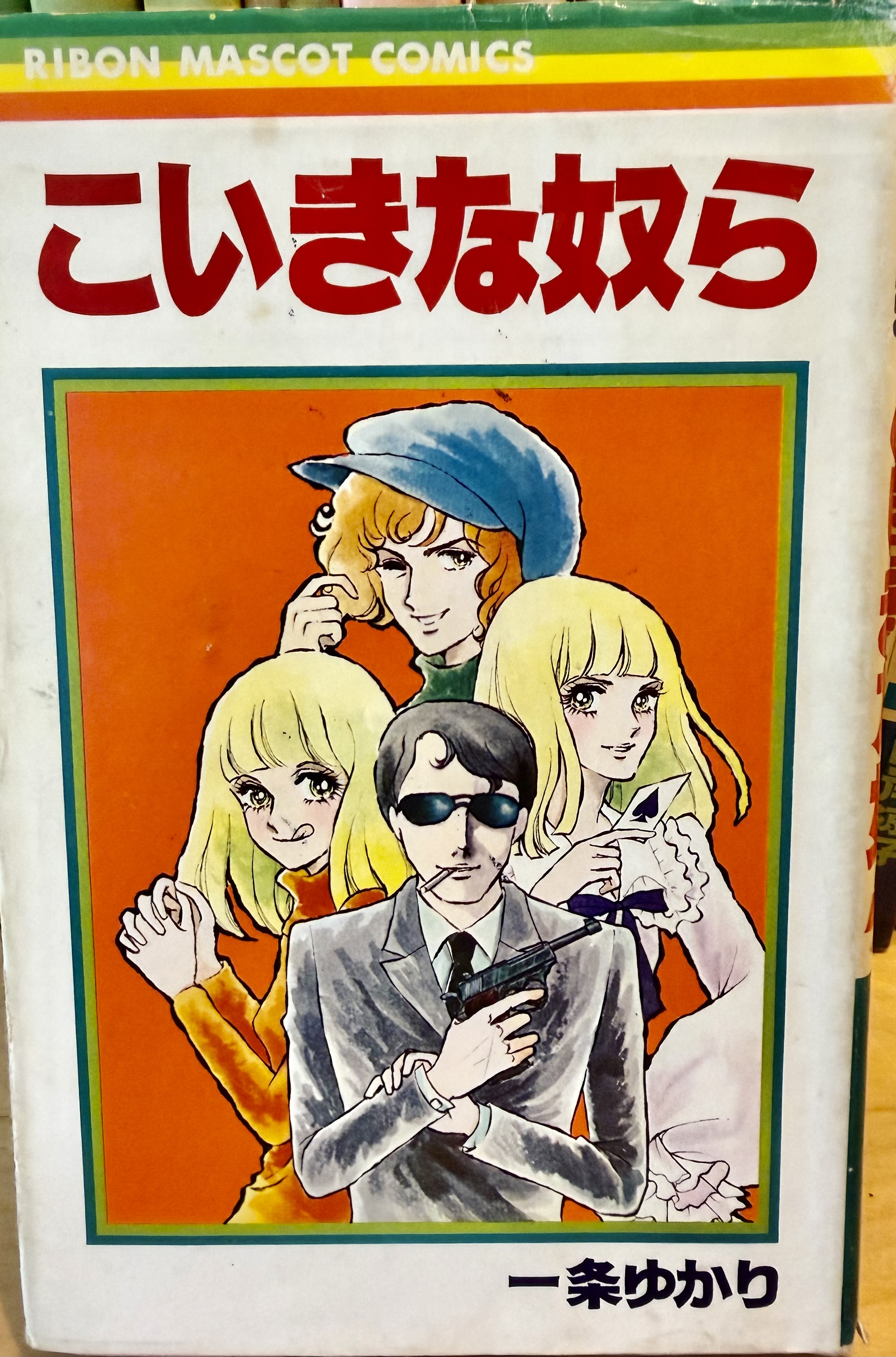 The Cool Guys Vol. 1-2 (こいきな奴ら / Koikina Yatsura), by Yukari Ichijo, Shueisha (Ribon Mascot Comics). It was serialized in Ribon magazine from January 1974 to March 1977 and compiled in two tankōbon in August 1975 and March 1978. It’s composed of four parts published in yearly special issues: “Act 1: Judes Judith” (Jan. 1974), “Act 2: Esper Hunting” (Feb. 1975), “Act 3: Full of Danger” (Feb. 1976) and “Act 4: Dormie III’s Heritage” (Feb. & March 1977). You can see an excerpt here.
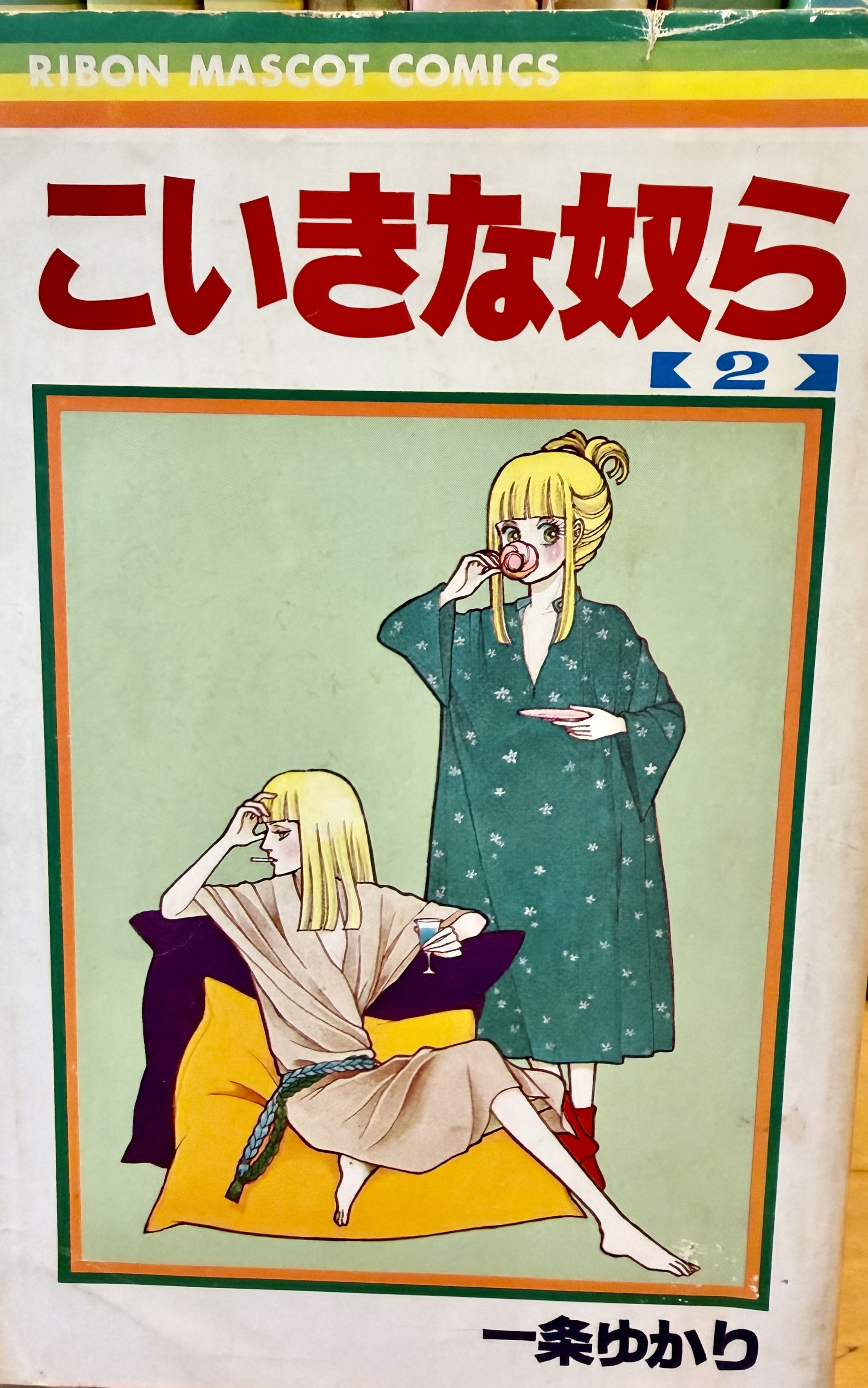 “The adventures of twins dedicated to finding out who killed their beloved parents! The son of the Count and Countess of Grasse, Judes and his sister Judy, are beautiful twin siblings who are well-known in Paris. The two suspected that their parents had suddenly died in an accident, but with the help of a fellow pickpocket and an ex-killer, they set out to investigate the truth…! A fashionable and popular comic book with thrills and suspense!” (From Manga Updates)
Koikina Guys ACT-III: Full of dangers (こいきな奴ら ACT III: 危険がいっぱしい / Koikina Yatsura Act. III: Kiken ga ippashii), by Yukari Ichijo, Shueisha. Ribon February New Year’s Special Issue (Vol. 22, No. 3) Supplement – February 1976 (りぼん2月新春特大号(第22巻第3号)付録 昭和51年2月). This is the Ribon yearly special issue with Act III of the previous books. [Google]
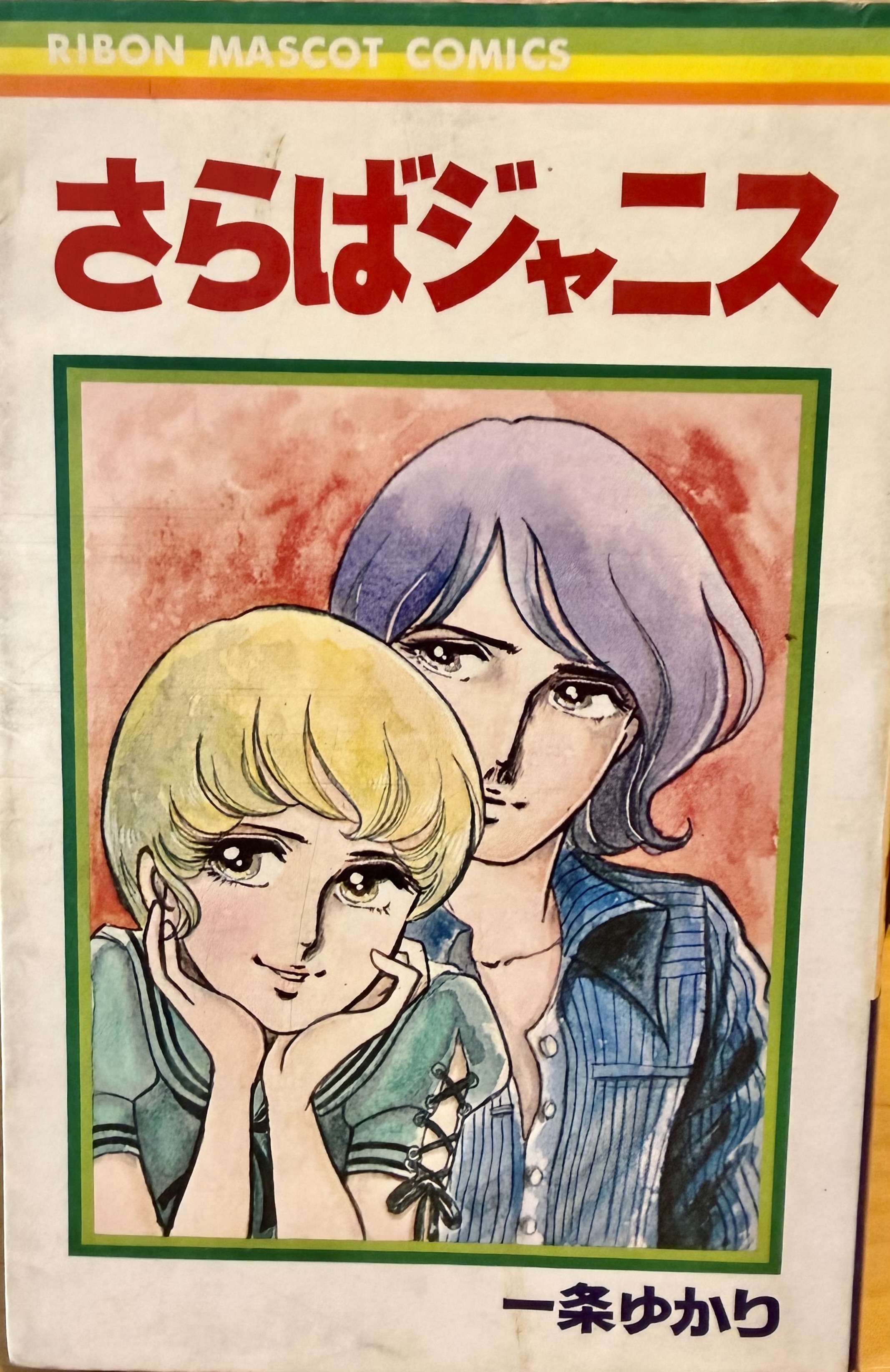 Farewell, Janis (さらばジャニス / Saraba janisu), by Yukari Ichijo, Shueisha (Ribon Mascot Comics), 202 pages. Serialized in Ribon magazine and compiled in one volume in 1972. You can read an excerpt here. [Manga Updates]
“Janis discovers a new way of life at a school with a free-spirited atmosphere! Mr. Farrow, a traveler, is dissatisfied with his son Janis’s feminine nature and subjects him to a harsh, Spartan upbringing. However, after reading a letter left by his late mother expressing her wish for him to “live freely,” Janis resolves to leave home… A unique romantic story about a beautiful boy with a girl’s heart.” (From Amazon)
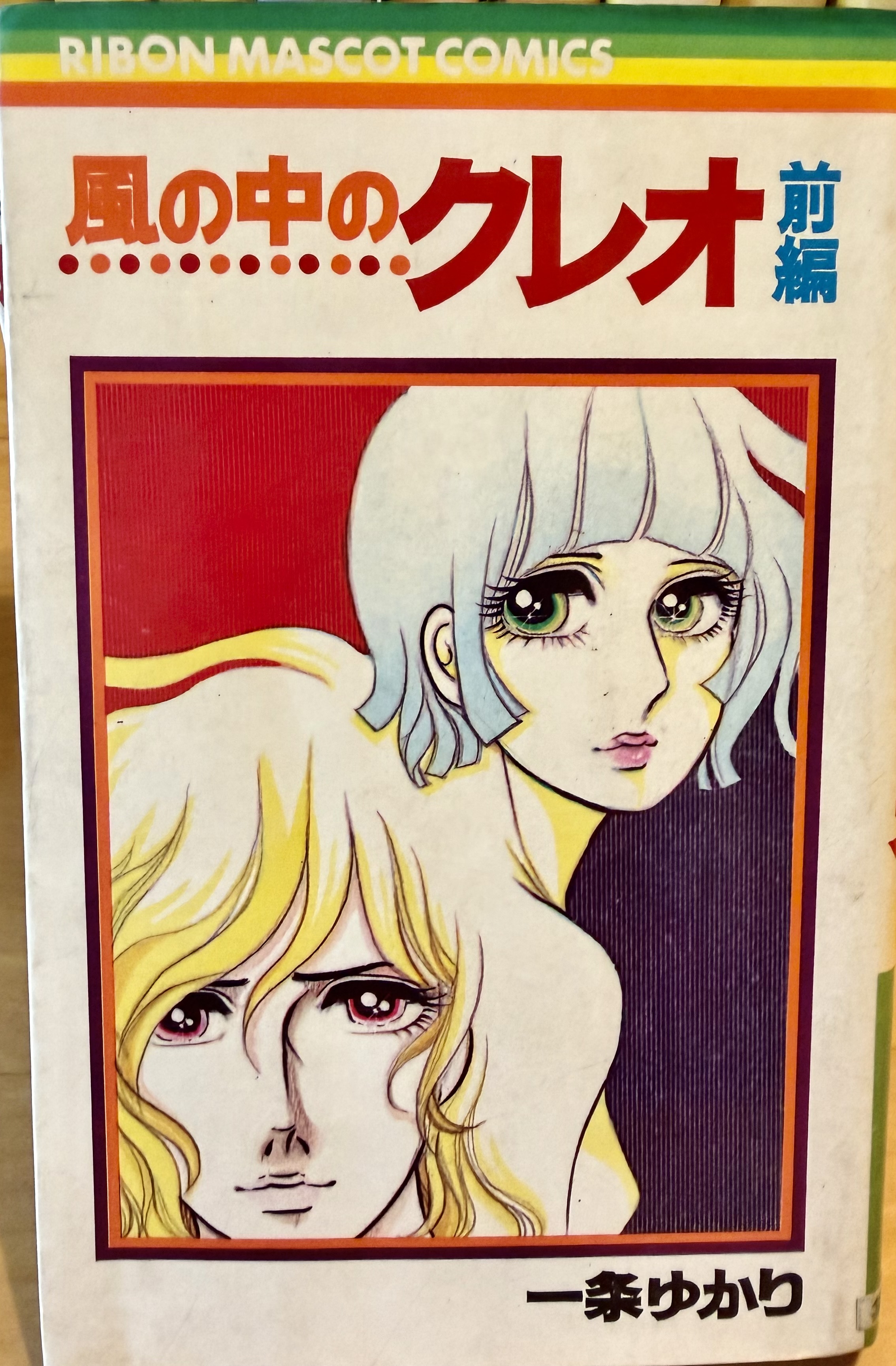 Cleo in the Wind: Part 1-2 (風の中のクレオ / Kaze no naka no Kureo), by Yukari Ichijo, Shueisha (Ribon Mascot Comics). Serialized in Ribon magazine (Aug. ’70 – Feb. ’71) and compiled in two volume in 1971. You can see an extract here. [Amazon • Mangapedia • Manga Updates]
“What is the shocking fate of love between young Cleo and Belle? Velvet (commonly known as Belle), who attends high school, is curious about Cleo’s existence. Cleo is popular with the girls, but he is also insufferable. Belle considers using him as the model for a novel, but… Part one of a dramatic love story about Belle falling for a naive young man. [Vol. 1 also includes the short stories: Twenty Days of Love / Poem of the Wind]” (From Shueisha)
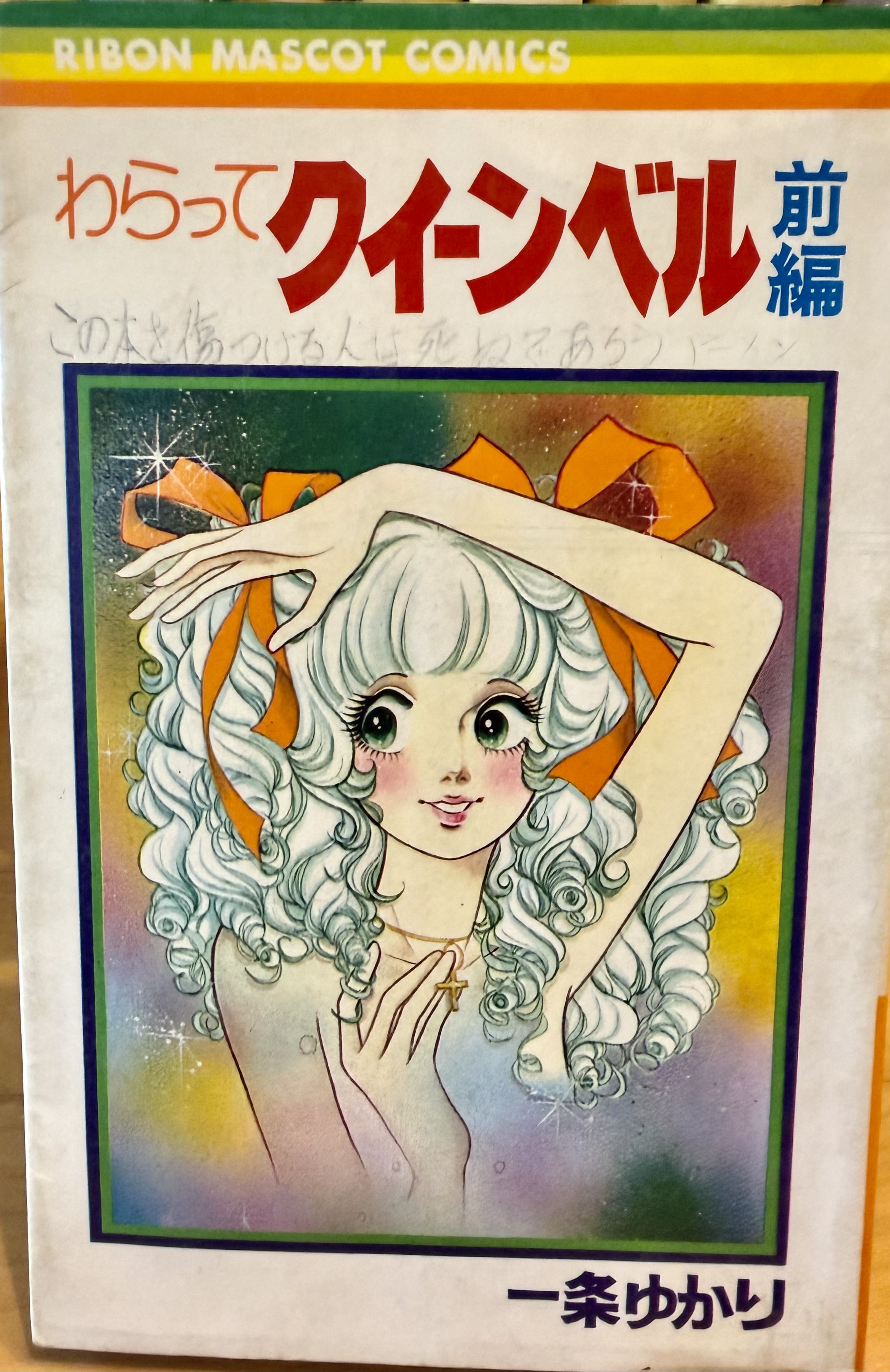 Smile, Queen Bell Part 1-2 (わらってクイーンベル / Waratte kuinberu), by Yukari Ichijo, Shueisha (Ribon Mascot Comics). Serialized in Ribon magazine (April to September 1973) and compiled in two volume in 1973. You can see an extract here. [Amazon • Mangapedia • Manga Updates]
“Queen Bell grew up without knowing her father and lost her mother at a young age. Queen, who was living in a boarding school in Switzerland, receives news that her father has passed away. Queen, confused, visits England and learns that she is the only daughter of a millionaire, but then a mysterious duo appears…!?” (From Amazon)
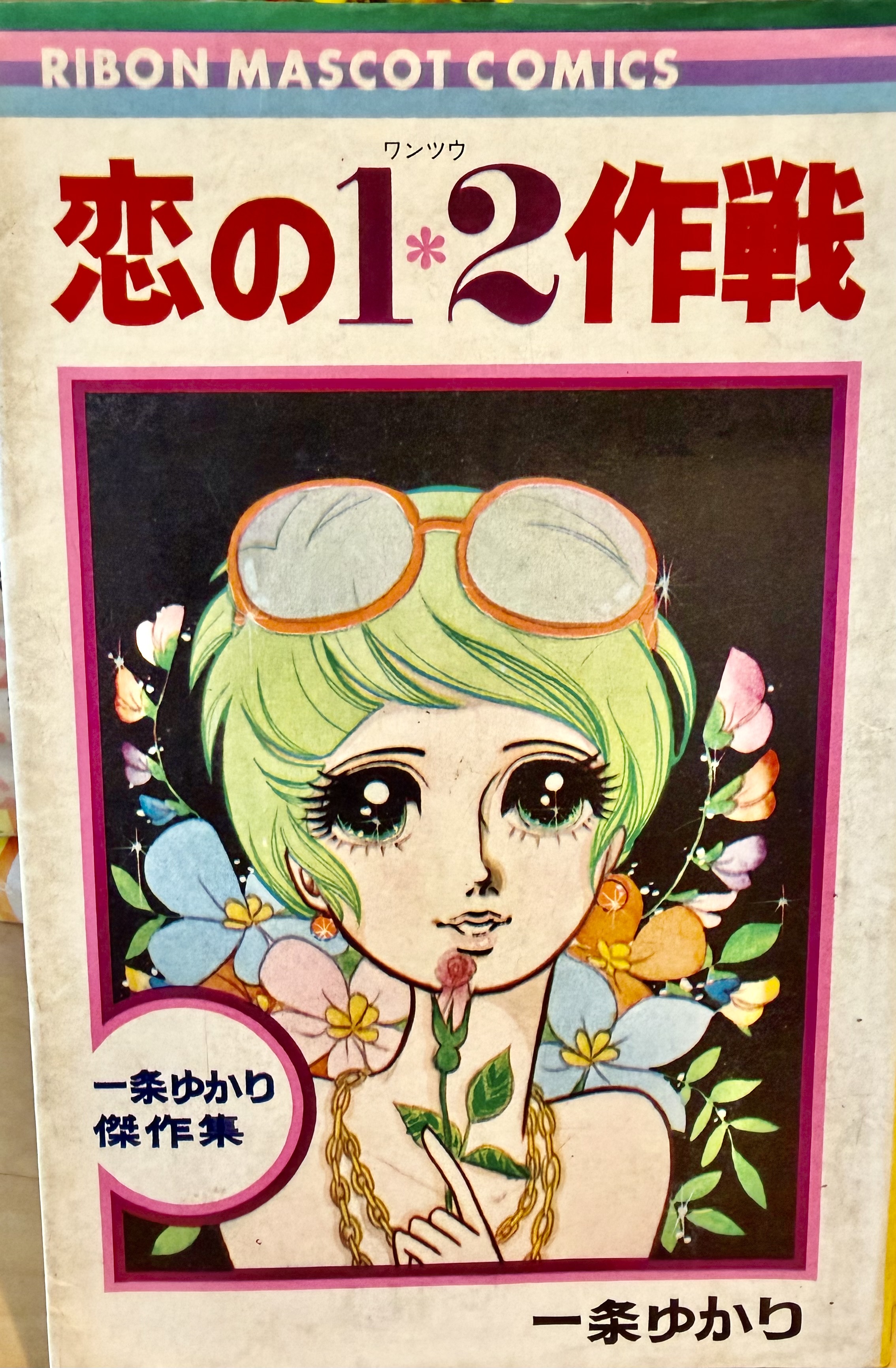 Love Strategy One-two (ワンツウ 恋の1•2の作戦 / Koi no 1•2 no sakusen), Yukari Ichijo Masterpiece Collection, Shueisha (Ribon Mascot Comics). Serialized in Ribon magazine (in the new year special issue of 1970) and compiled in one volume in August 1970. You can see an extract here. [Amazon • Manga Updates]
“Brothers and sisters who are neighbors… Who is in love with whom? College students Jean and Pierre get a failing grade and end up studying with their younger brothers Henri and Jam at a relative’s house in a rural town. However, there were wonderful sisters living in the house next door, and the boys’ hearts were disturbed! A neighborhood romantic comedy with an unexpected twist!” (From Amazon)
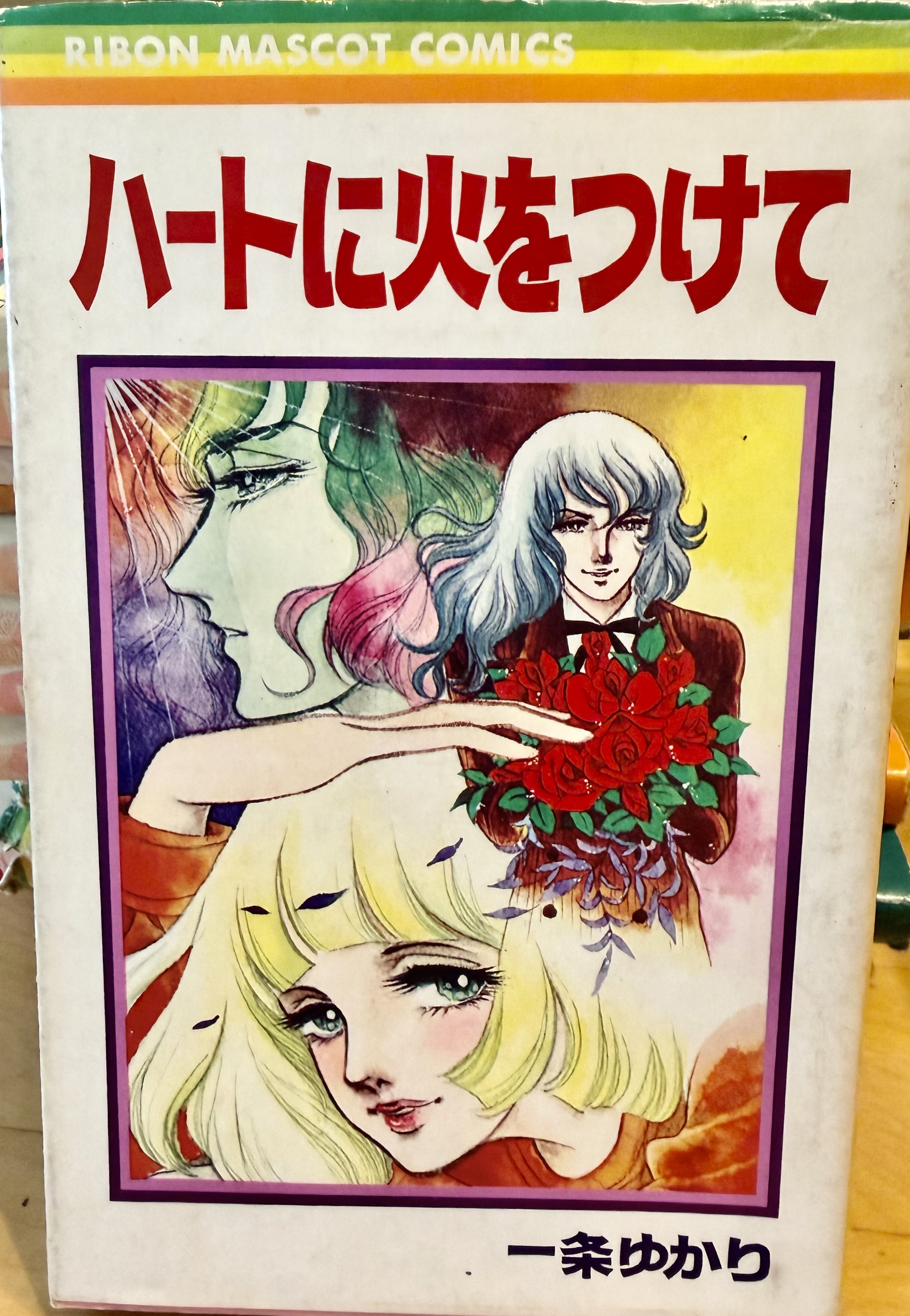 Light a fire in my heart (ハートに火をつけて / Hāto ni hi o tsukete), by Yukari Ichijo, Shueisha (Ribon Mascot Comics). Serialized in Ribon magazine and compiled in one volume in 1973. You can see an extract here. [Amazon • Manga Updates]
“A flame of love ignited in a world of glamour! During winter break, Josée—whose older sister is the actress Cécile Donahue—meets Gillan, the older brother of her best friend Angela, at a club. However, Gillan discovers that Cécile is actually Josée’s mother… A stylish romance filled with the games of love. [Also includes: Winter in Shellfield / Ami… A Male Friend]” (From Amazon)
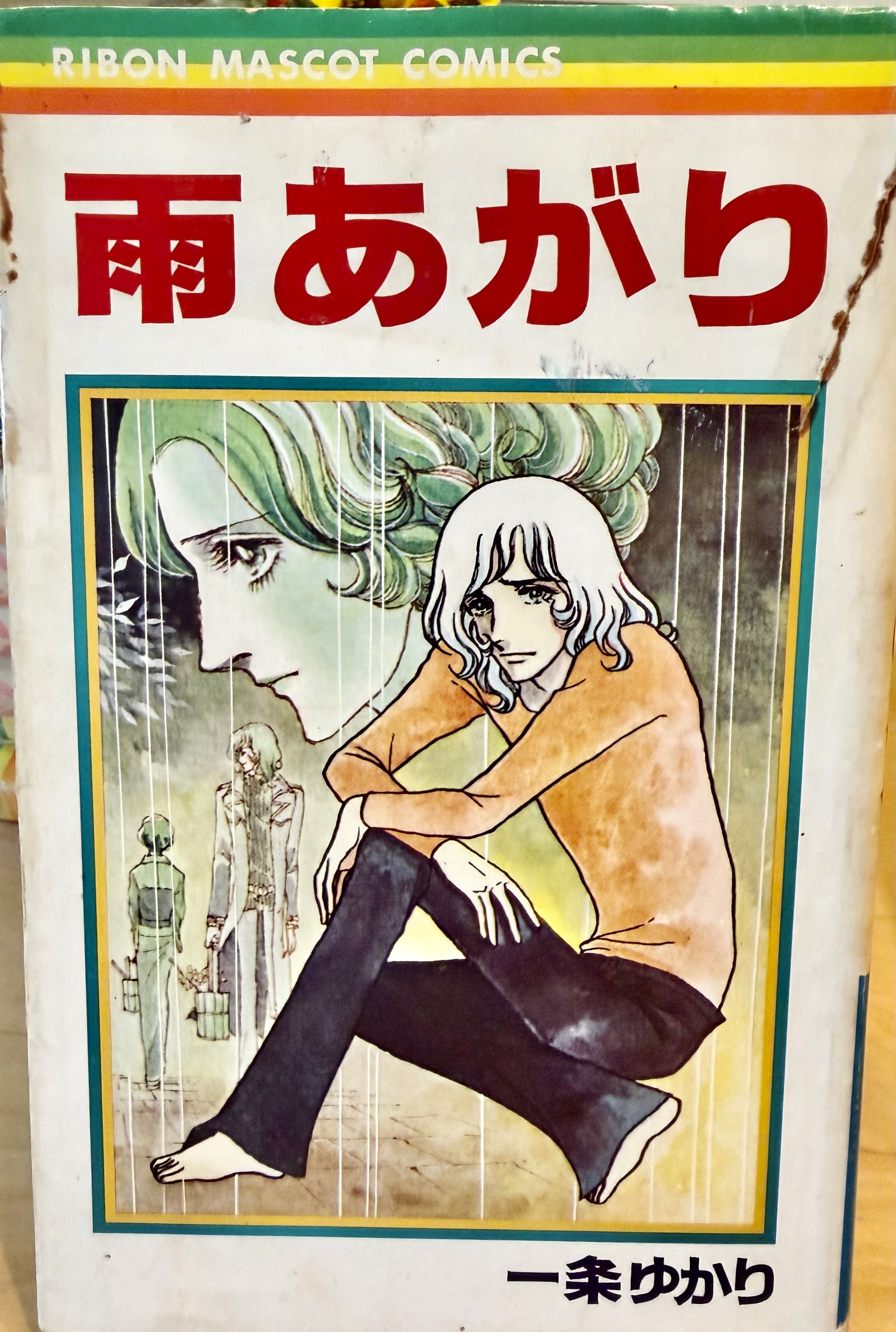 After the Rain (雨あがり / Ame agari), by Yukari Ichijo, Shueisha (Ribon Mascot Comics). Serialized in Ribon magazine and compiled in one volume in 1971. You can see an extract here. [Amazon • Manga Updates]
“Akihiko, a college student, is captivated by the beauty of an older woman he meets while visiting the grave of his deceased mother. However, that night, he was told by his father that he wanted to “introduce someone whom he was thinking of marrying” and that was exactly the woman he met during the day. It is a work that depicts Akihiko’s love with nowhere to go, who suffers from his feelings for a woman who has become a young mother-in-law.” (From AI Overview)
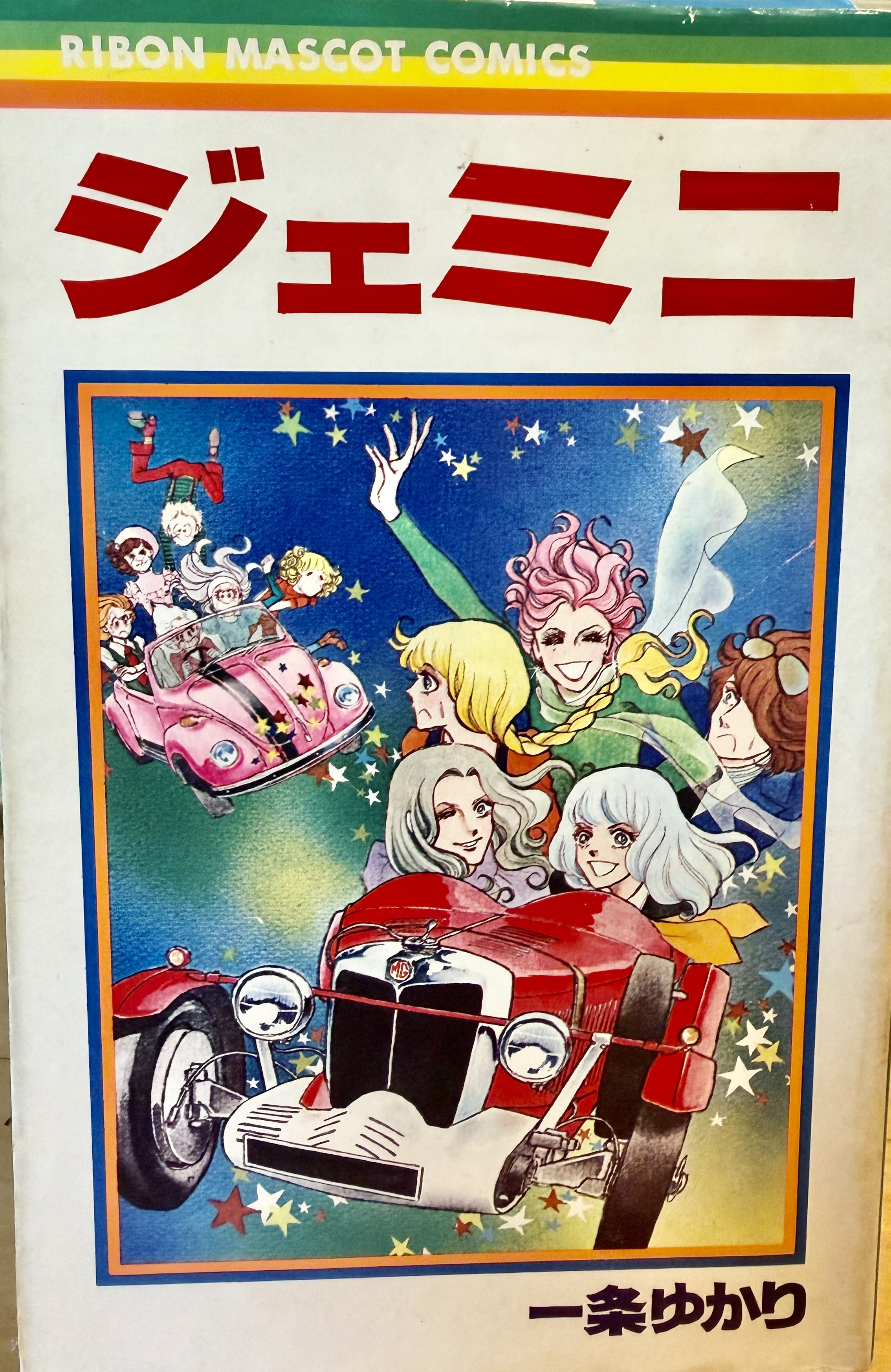 Gemini (ジェミニ), by Yukari Ichijo, Shueisha (Ribon Mascot Comics). Serialized in Ribon magazine (April ’75 issue) and compiled in one volume in December 1975. You can see an extract here. [Amazon • Manga Updates]
“What will be the fate of the skinny girl who lives in the mansion of her beautiful brothers? Gemini is a poor female student who is busy working part-time. One day, she gets into a car accident at school, and her life changes drastically when the driver turns out to be Shelfy, the girl’s idol! A pure love story of a girl who loves cars.”
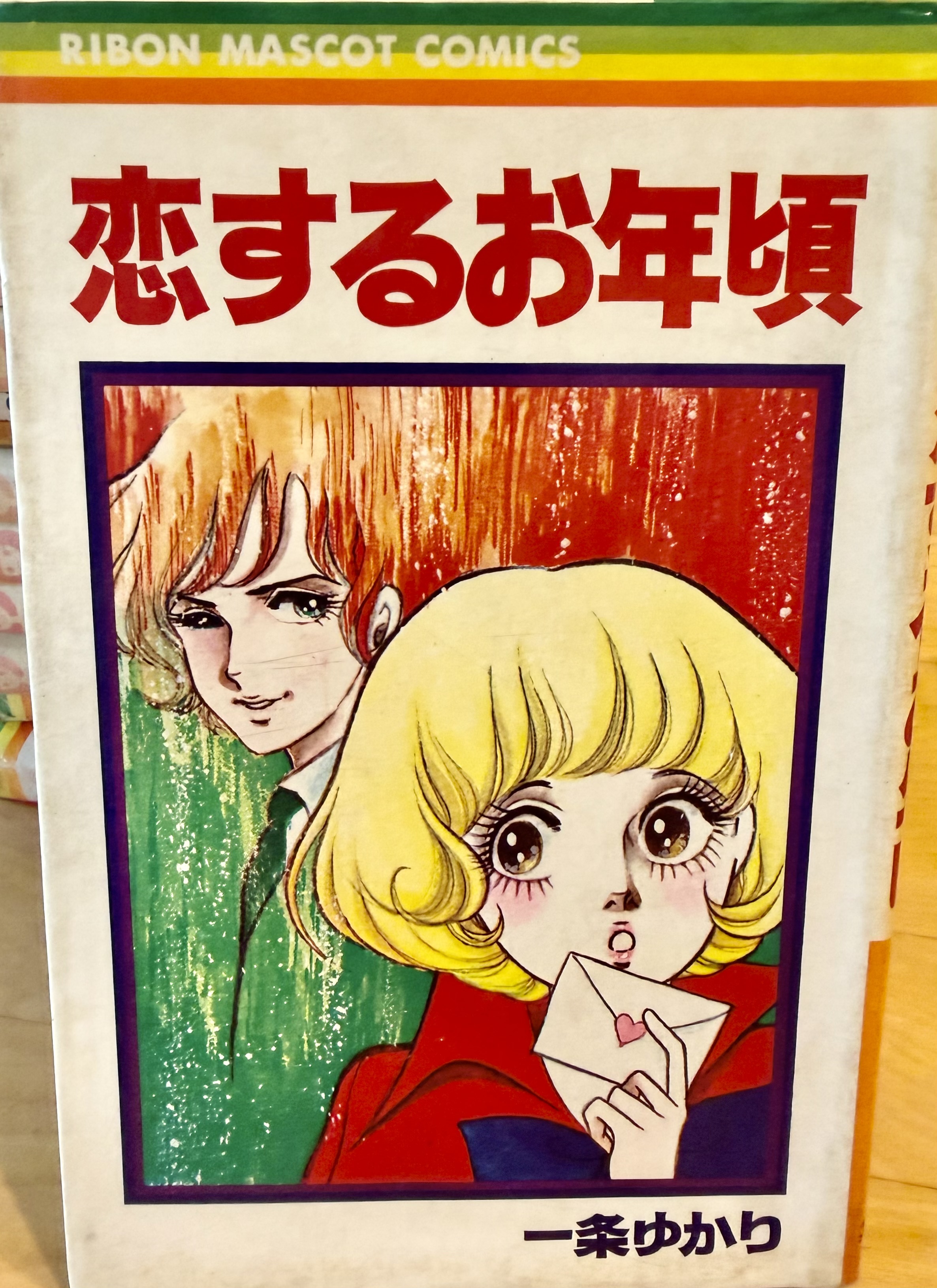 The Age of Falling in Love (恋するお年頃 / Koisuru o toshigoro), by Yukari Ichijo, Shueisha (Ribon Mascot Comics). Serialized in Ribon magazine (Jan. & Feb. ’71 issues) and compiled in one volume in 1973. You can see an extract here. [Amazon • Manga Updates]
“School love situation between an innocent girl and a slightly bad boy. 16-year-old Hoshi Ainoko has a crush on her delinquent classmate Jun Hirose, but does he like her best friend Mana? One day, Noko helps Hirose-kun sneak out of class and lies to their teacher… Youthful graffiti full of love troubles.” (From Amazon)
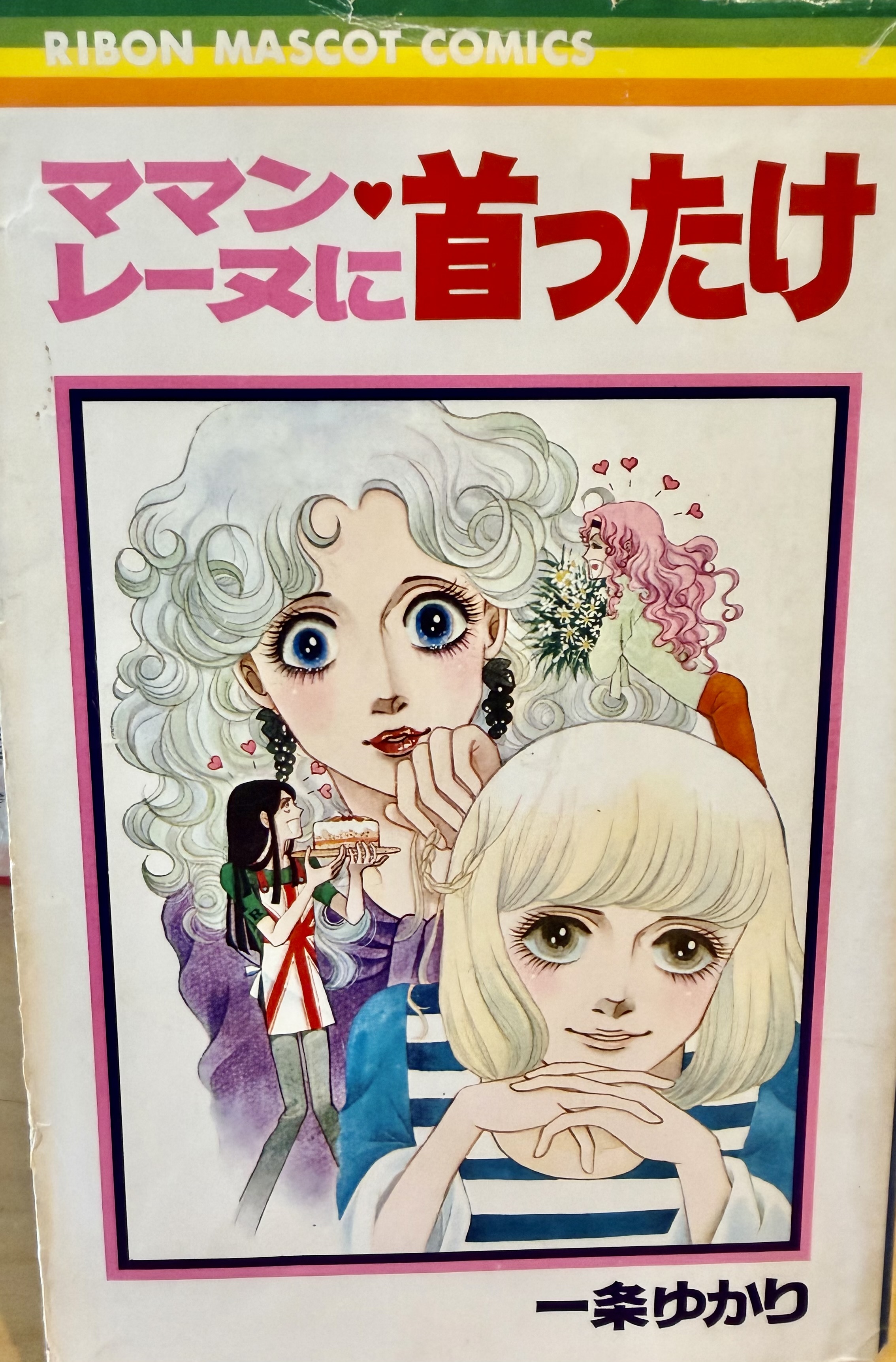 Smitten with Maman Reine (ママン・レーヌに首ったけ / Maman Reenu ni Kubittake), by Yukari Ichijo, Shueisha (Ribon Mascot Comics). Serialized in Margaret magazine (#33 1975) and compiled in one volume in 1976. You can see an extract here. [Amazon • Manga Updates]
“All boys, including superstars and friends, are in love with Maman!? Matthew’s Maman is not good at housework. After the old maid left, there was chaos in the house. Her son Matthew is one of the most popular boys at school, but there are rumors that he’s his mother’s boy! The definitive romantic comedy about unique lovers!”
The next four volumes are by Ryoko Yamagishi (山岸凉子). She’s a member of the Year 24 Group, a movement of female mangaka, all born around the same year (Showa 24 or 1949), that contributed in the 1970s to the innovative development of shōjo manga. None of her works has been translated, but she is mostly known for Shiroi Heya no Futari (1971, about a romance in an all-girls boarding school in France), Hi Izuru Tokoro no Tenshi (1980-84, about Prince Shōtoku who spread Buddhism in the 6th century, won the 1983 Kodansha Manga Award), and Maihime Terpsichora (2000-06, about the harsh reality behind young ballet dancers hopeful, won the Tezuka Osamu Cultural Prize in 2005) and…


Arabesque vol 1-4 (アラベスク), by Ryoko Yamagishi, Shueisha (Ribon Mascot Comics). Serialized in Ribon magazine (Oct. ’71 to Apr. ’73) and compiled in four volumes in 1972-74. An extract is available here. [Amazon • Manga Updates • Wikipedia JP]
A story about Russian ballet. “Nonna Petrova, a tall, sixteen-year-old ballet student in Kiev, is unaware of her unique balletic brilliance. Having low self-esteem due to the unwanted comparison with her talented older sister, Nonna is “discovered” by leading ballet dancer Yuri Mironov, and, under his guidance, is led to stardom.” (From Manga Updates)
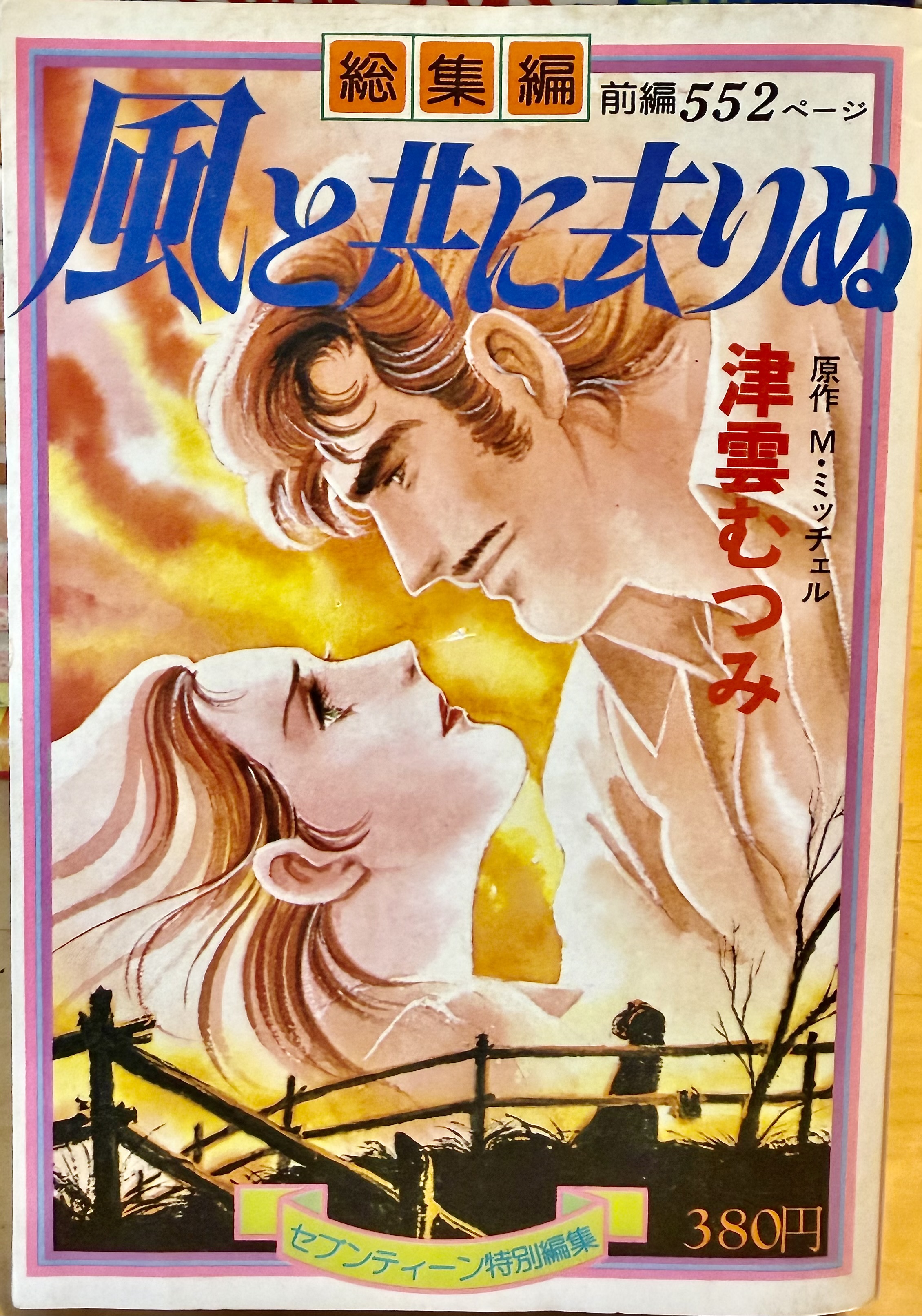 The last volume is by Mutsumi Tsukumo (津雲むつみ). She’s mainly known for Colorful Time and From the End of Darkness (which both won the Japan Cartoonists Association Award in 1976 and 1993). Several of her titles were also adapted into TV drama (“I’m a man!”, “Wind Ring Dance“, “Hanai Yumei” and “Let me hear the words of love“). She died of lung cancer in 2017. This manga is a faithful adaptation of the famous 1936 Margaret Mitchell’s novel, Gone with the Wind (which is one of my wife favourite story and movie).
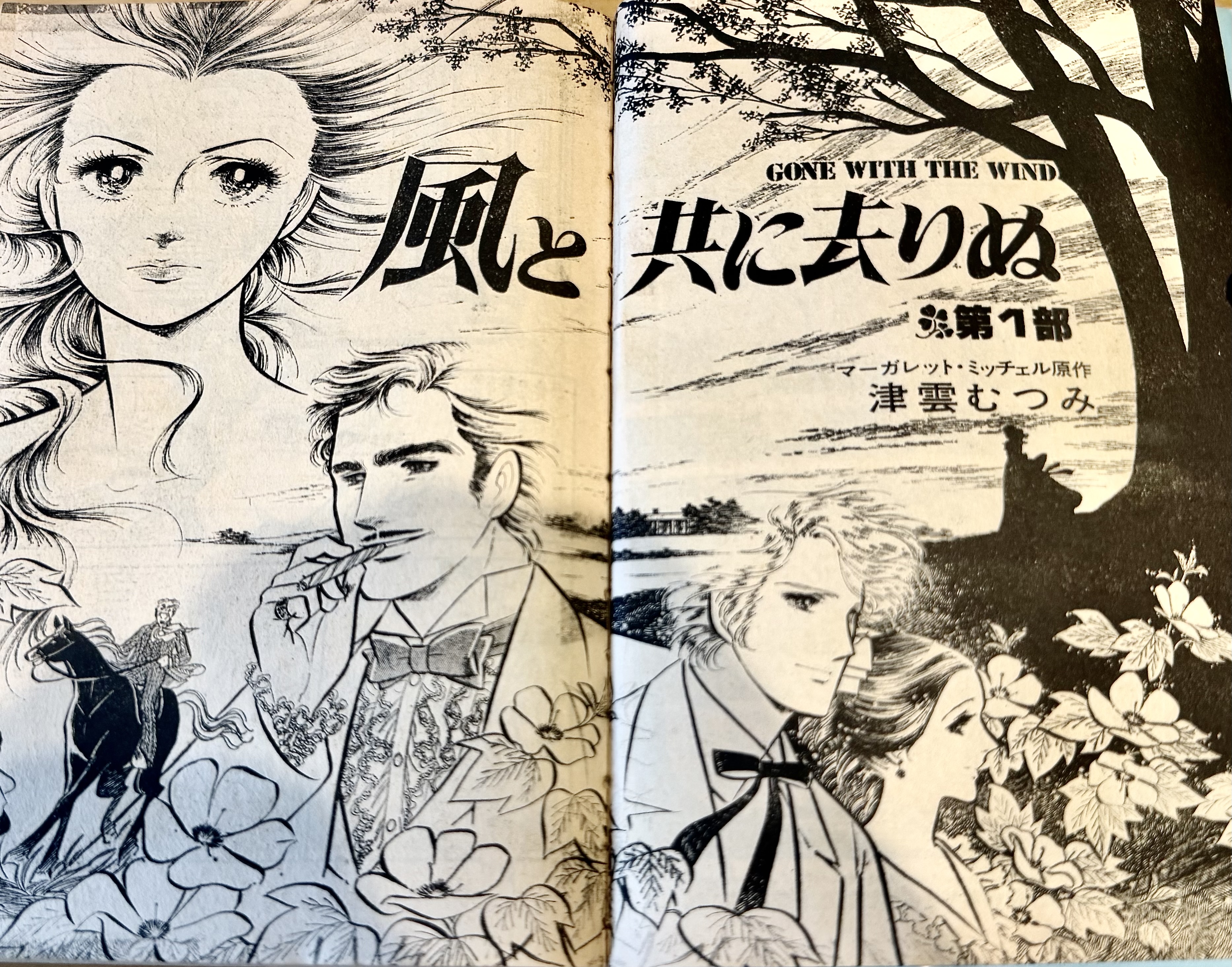 Gone with the Wind, Part 1 (風と共に去りぬ第1部 / Kaze to Tomo ni Sarinu), by Mutsumi Tsukumo, Based on the work by Margaret Mitchell. Seventeen Special Limited Edition, 552 pages, 380 yen. It was serialized in Shueisha Weekly Seventeen between 1977 and 1979 and compiled in two volumes in 1978-1980. [Manga Updates]
“Tara is a town in the southern United States just before the Civil War. Scarlett, the daughter of a squire, is proud and beautiful, and a socialite who captivates any man. However, Ashle, whom she loved, ends up marrying Melanie… Mutsumi Tsugumo vividly depicts this timeless masterpiece. An epic story of intertwined love and hate begins――!!” (From Amazon)
[ Art © Miyako Matsuda, 2025 ]


[ iPhone 17 Pro, Parc Frédéric-Back, 2026/09/03 ]


[ iPhone 17 Pro, Jardin botanique, 2026/06/24 ]
Iris de Sibérie / Siberian iris / cultivar ‘China Spring‘
NHK World Japan documentary series continue to be a great source of information about Japanese culture, history and life — including popular culture like anime and manga. Here are some interesting Video On Demand (VOD) that I have recently noticed.
Again, not much news about anime & manga this week, but there is always something interesting about Japanese culture. Now, let’s talk about food.
 In North America, we don’t think much about the use of fermentation to produce food, even though we use it constantly to process beer, bread, cheese, kombucha, wine, yogurt, etc. However, in Japan, they take this process very seriously. Much more of their food uses fermentation (for example in gyoshō, miso, nattō, sake, shōchū, shōyu, etc.). It was long used not only to preserve food, but also to enhanced its flavour. The funny thing is that I discovered this fact while watching an anime: Moyashimon (about which my wife and I wrote a very interesting article in PA #96: 52-55; the series is available on Crunshyroll; it is based on a manga and has also spawn a live-action TV drama series).
I was reminded of all this while watching an episode of the NHK World Japan documentary series Trails to Oishii Tokyo:
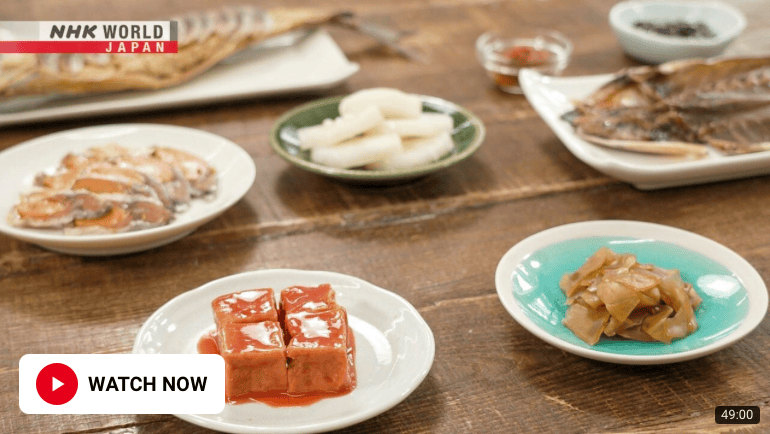 “More than just a longer shelf life, Japan’s fermented foods offer enhanced flavor and nutrition. Unlock secrets to the culture’s longevity, starting with koji mold cultivation that dates back 600 years. Get an inside look at how the foods are taking the world by storm as we join a miso workshop in Paris and view the largest sake brewery in the U.S. Introducing Japanese fermentation—the foundation of the island nation’s renowned cuisine.” This episode aired on August 19, 2023 and will be available as VOD only until September 11, 2026. Better hurry watching it !
However, the Trails to Oishii Tokyo series offers many more interesting food documentaries:
“Shiso: a Japanese herb gaining fans worldwide. Refreshing shiso is key in Japanese cuisine, which features a lot of raw fish. See how shiso’s leaves, flowers and seeds are all used in oishii dishes.” This episode was broadcast on August 28, 2024 and is available as VOD until September 1, 2027.
“Japan is now a frozen foods powerhouse. Cutting-edge technology and producers’ passion keep the hits coming. Dive into the world of Japanese frozen foods that are turning the world upside down.” This episode was broadcast on August 7, 2026 and is available as VOD until August 7, 2027.
“Canned food is no longer just for storage or emergencies — it has become fine cuisine. Join us in this special episode as we explore the frontlines of Japan’s uniquely evolved canning industry.” This episode was broadcast on October 17, 2025 and is available as VOD until May 15, 2027.
Je continue (tant bien que mal) mon perpétuel rattrapage sur les magazines et autres ‘zines pertinents dans mon champ d’intérêt… Pour vous éviter le souci de courir après l’information, j’en épluche donc le contenu pour vous. C’est plein de bonnes suggestions de lectures… (Faute de temps et d’énergie, j’ai limité ou omis les hyperliens. Si vous voulez en savoir plus sur un auteur, un titre ou un sujet, vous pouvez consulter par vous-même soit Google ou Wikipedia!)

 Ce numéro nous offre un dossier sur Naruto: le manga, portrait de Masashi Kishimoto (mangaka), entrevue avec Chistel Hoolans (DG) pour les 30 ans de Kana, Konoha Land, la génération Boruto, les spin-offs, portrait de Seishi Kishimoto (mangaka, frère jumeau de Masashi Kishimoto), portrait et entrevue de Hiroaki Samura (L’Habitant de l’infini), les versions anime, la version française, entrevue avec Christophe Hespel & Fabienne Loriaux (voix de doublage), et le jeu de plateau Naruto Shippuden Battle. Le numéro se complète avec un dossier Ninja: entrevue avec Pierre-François Souyri (historien du Japon médiéval), les autres oeuvres de shinobi, et entrevue avec Masakazu Hirayama & Yuji Nakao (jeu video Ninja Gaiden 4).
Le numéro se conclut sur une série de chroniques: Wish List (nous offre une sélection de mangas, anime et goodies), et Aparté (rencontres avec Gu Joe & Mu Tou [réalisateurs de La Légende de Hei], Baku Kinoshita [réalisateur du Dernier souffle d’un Yakuza], Hagane, Jules Kollisch & Izu [Kraken Mare] et Pomodorosa [illustrateur, designer et musicien]).
À lire absolument pour tous fans d’anime. 
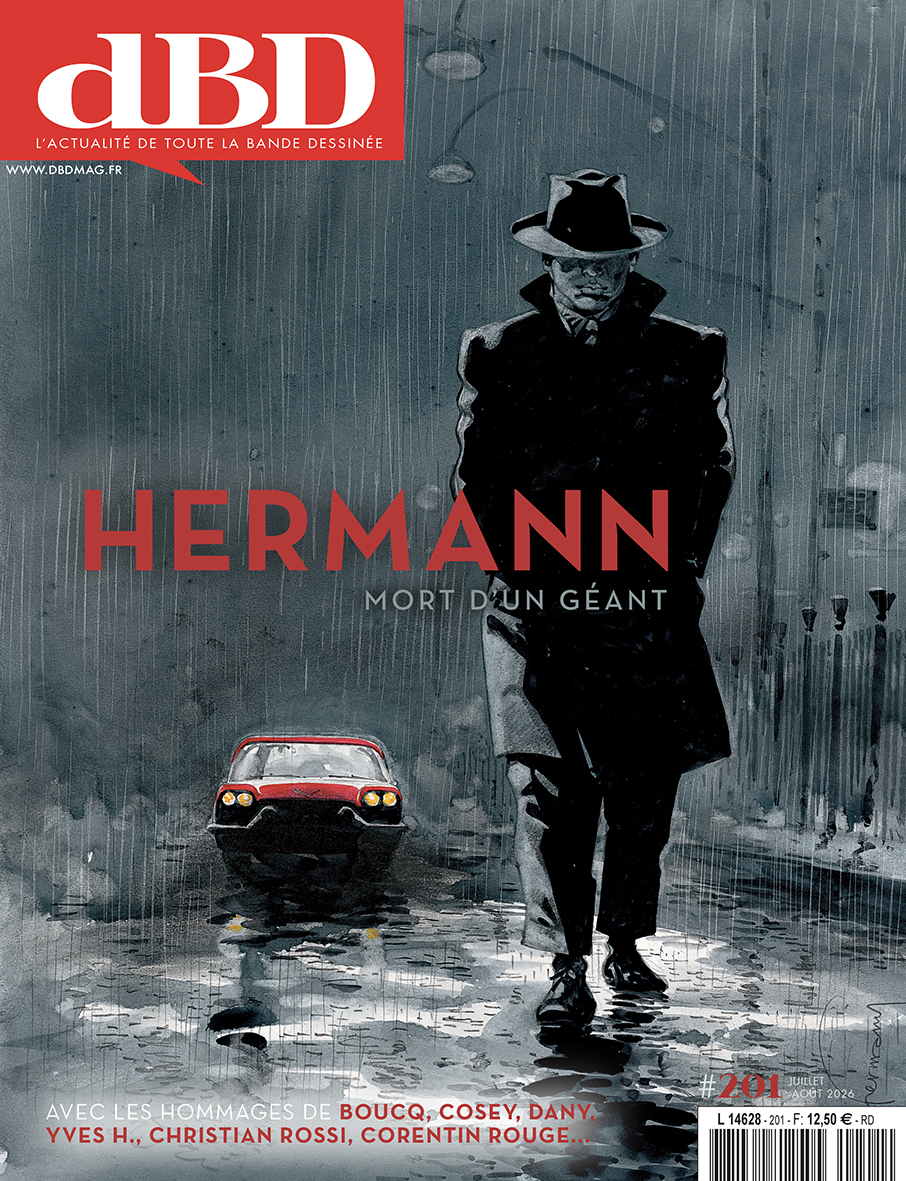 Dans le cahier actualités on mentionne les parutions du dernier volume de Vinland Saga (le #29) accompagné d’un coffret de collection, de À jamais sans ce jardin par Shizuka Nahano et de Ranpo Amnesia par Shintaro Kago (tous deux chez IMHO). On retrouve également un article rendant hommage à Marjane Satrapi, décédée en juin dernier, une présentation de l’adaptation en animation par Phuong Mai Nguyen de la BD In Waves, par AJ Dingo, parue chez Rue de Sèvres et un article sur le nouveau label de Dargaud: Astrolab.
À la une de ce numéro, on retrouve une présentation sur Hermann, décédé en mars dernier, avec des entrevues, pastiches et hommages par Bernard Cosey, Yves H., Boucq, Dany, Corentin Rouge, Henri Filippini, et Christian Rossi. Le numéro se poursuit avec des entrevues de David Vandermeulen (sur Fritz Haber T.5, chez Delcourt), Christian Rossi (sur Comanche Trail, chez Casterman), Jesus Alonso Iglesias (sur Dortmunder, avec Headline, chez Dupuis), Xavier Houssin (sur Xaxaxa Illustrations, chez Éd. Caurette), et Joël Parnotte (sur Cauchon… ou l’homme qui tua Jeanne d’Arc, avec Dorison & Delahaye, chez Dargaud).
Et finalement quelques rubriques : dans le Cahier Critique on commente des parutions récentes (je note La grande panique de Diletta par Osamu Tezuka chez FLBLB, Les années bleues T.1 par Ito chez Sakka, The Marshal King T.1 par Boichi chez Doki-Doki, et Kamakura Bakeneko Club par Daisuke Igarashi chez Moonlight), “Ça vaut le détour” commente quelques titres supplémentaires, “Le Territoire des Mangas” nous présente sur deux pages les nouveautés du genre (Hotel Inhumans par Ao Tajima chez Kurokawa, Sukima par Gao Yan chez Casterman, Alice au-delà des étoiles T.1 par Kiko Urino chez Glénat, Fans des sylvanian families T.1 par Kuko Okano chez Soleil, Le journal des chats par Junji Ito chez Delcourt/Tonkam), puis L’Exposition du mois (“Cling! LA BD parle cash”, à la Monnaie de Paris), L’Art de la couverture (Hercule Poirot: Le meurtre de Roger Ackroyd, par Pascal Bresson & Alberto Taracido, chez Paquet) et Humeur.
Une lecture indispensable pour se tenir au courant des nouveautés en BD.
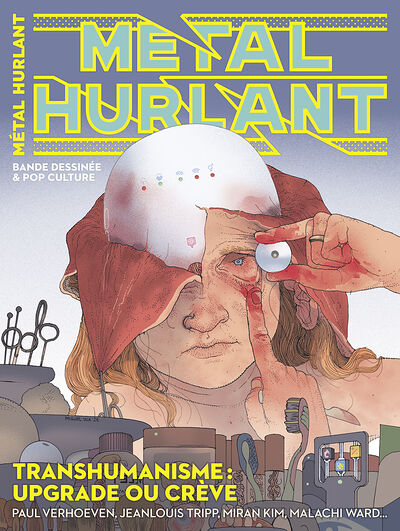 Ce numéro regroupe 25 courts récits et 8 articles (que je n’ai parcourue qu’en diagonale) sur le thème de “Transhumanisme: Upgrade ou crève“. Comme pour les numéros que j’ai commentés précédemment, si souvent les styles (extrêmement variés) des artistes n’étaient pas toujours de mon goût, j’ai quand même trouvé que la plupart des courts récits méritait d’être lus. J’ai mis en caractères gras les titres les plus intéressants (narrativement et/ou graphiquement)…
Ce numéro nous présente donc les récits suivants: “Aventure Labyrinthique” (Lola Owl, Yang Weilin & Maribel Conejero, 17 pg), ”Retour à la normale” (Branko Jelinek, 11 pg), ”Il faut qu’on parle…” (Andrès Garrido Martin, 7 pg, B&W), ”Période de grâce” (Kevin Sullivan & Simon Leclerc, 9 pg), ”Hacks” (Cole Sanders & Jonathan Wayshak, 9 pg), ”Mimmo” (Alessio Fioriniello, 10 pg), ”Déchets” (Carlos Dearmas, 9 pg), ”Cyber Alpage” (Thomas Bidault, 7 pg), ”Chair à Canon” (Tim Adam & Alessandro Saiu, 7 pg), ”Le cerveau de dieu” (Facundo Nehuén Lopez, 9 pg), ”La froide étreinte” (Miran Kim, 7 pg), ”Upgrade” (Valentin Ramon, 9 pg), ”Régression” (Jean-Luc Cornette & Sagar, 7 pg), ”Le raccourci” (Nikola Pisarev, 11 pg), ”Respawn” (Thibaud de Rochebrune, 9 pg), ”Le trou” (Arthur Wong, 7pg), ”Nihilgene” (Jacques Després, 7 pg, B&W), ”Le sourire de Jim” (John Pham, 8 pg), ”Le champ des possibles” (Eldiablo & Constantin Zamfiresco, 9 pg), ”Entre chien et loup” (Alex Ristorcelli, 11 pg), ”Xenia” (Malachi Ward, 9 pg), ”Love Story” (JeanLouis Tripp, 9 pg), ”Projet ‘Immortel’” (Tony Cheng, 7pg), ”Ultime Assaut” (R.L. Black, 9 pg),et ”Lumière” (Adrien Mangoldf & David Ferracci, 9 pg).
Inégal, mais une bonne lecture quand même. 
 Enfin un numéro “Vintage” comme il s’en faisait au début de l’anthologie, présentant des récits classique publiés dans d’anciens numéros de la revue Métal Hurlant. Ce numéro regroupe 24 courts récits et 11 articles (que je n’ai parcourue qu’en diagonale, sauf pour l’entrevue avec Gou Tanabe) sur le thème de “1970-1990: H.P. Lovecraft & autres histoires terrifiantes”. Comme pour les numéros que j’ai commentés précédemment, si souvent les styles (extrêmement variés) des artistes n’étaient pas toujours de mon goût, j’ai quand même trouvé que la plupart des courts récits méritait d’être lus. J’ai mis en caractères gras les titres les plus intéressants (narrativement et/ou graphiquement)…
Ce numéro nous présente donc les récits suivants: ”Le bol maudit” (Enki Bilal, 8 pg), ”À tire d’aile” (Enki Bilal, 8 pg), ”Ophiuchus” (Enki Bilal, 8 pg), ”La chose à venir” (Enki Bilal, 8 pg), ”Excursion nocturne…” (Frank Margerin, 4 pg, B&W), ”Ktulu” (Moebius, 5 pg), ”Approche sur Centauri” (Philippe Druillet & Moebius, 6 pg), ”Mon petit frère, André” (Philippe Foerster, 5 pg, B&W), ”Le chef-d’oeuvre de Dewsbury” (Yves Chaland & Luc Cornillon, 4 pg), ”L’énigme du mystérieux puits secret” (Yves Chaland & Luc Cornillon, 4 pg), ”Les 2 vies de Basil Wolverton” (Yves Chaland, 2 pg, B&W), “Barzai le Sage” (Marc Caro, 8 pg, B&W), ”L’Homme de Black Hole” (Serge Clerc, 4 pg, B&W), ”Fièvre” (Jean-Michel Nicollet, 8 pg), ”H.P.L.” (Jean-Michel Nicollet, 3 pg), ”Fièvres” (Halmos, 6 pg, B&W), ”Le Roi des mouches” (Rodolphe & Loisel, 7 pg, B&W), ”L’abomination de Dunwich” (Norberto Buscaglia & Alberto Breccia, 15 pg, B&W, tiens plus de l’histoire illustrée que de la BD), ”Le monstre sur le seuil” (Norberto Buscaglia & Alberto Breccia, 11 pg, B&W, tiens plus de l’histoire illustrée que de la BD), ”Necronomicon” (Philippe Druillet, 11 pg, plutôt des illustrations que de la BD), ”Mandragore” (Caza, 12 pg), ”Mausolée” (Frédéric Bézian, 10 pg, B&W), ”L’appel de Cthulhu” (Esteban Maroto, 32 pg, B&W), et ”Le Langage des chats” (Nicole Claveloux, 2 pg, B&W).
Un incontournable pour les amateurs du Métal Hurlant vintage et/ou de Lovecraft. 
Pour plus d’Infos: [ Goodreads • Humanos • Nelligan • Wikipedia ]
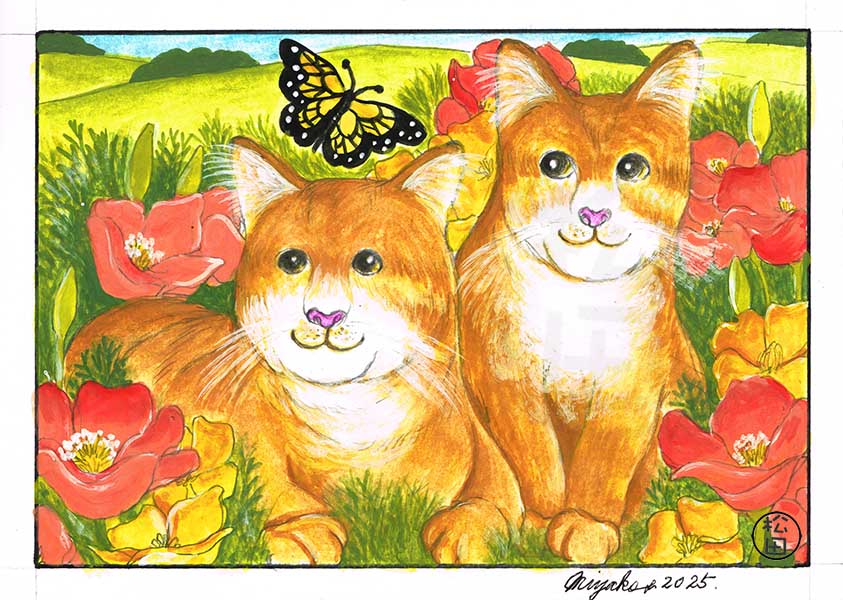
[ Art © Miyako Matsuda, 2025 ]


[ iPhone 17 Pro, Parc Frédéric-Back, 2026/08/28 ]
Chenille de Saturnie cécropia / Caterpillar of Cecropia moth


[ iPhone 17 Pro, Jardin botanique, 2026/06/24 ]
Pivoine de Chine / Chinese peony / Cultivar ‘Gay Paree
シャクヤク [芍薬 / Shakuyaku]


